




Ordered Dirt. Received Dirt. Would Buy Again.
About this soil
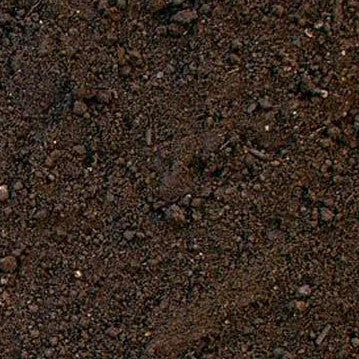
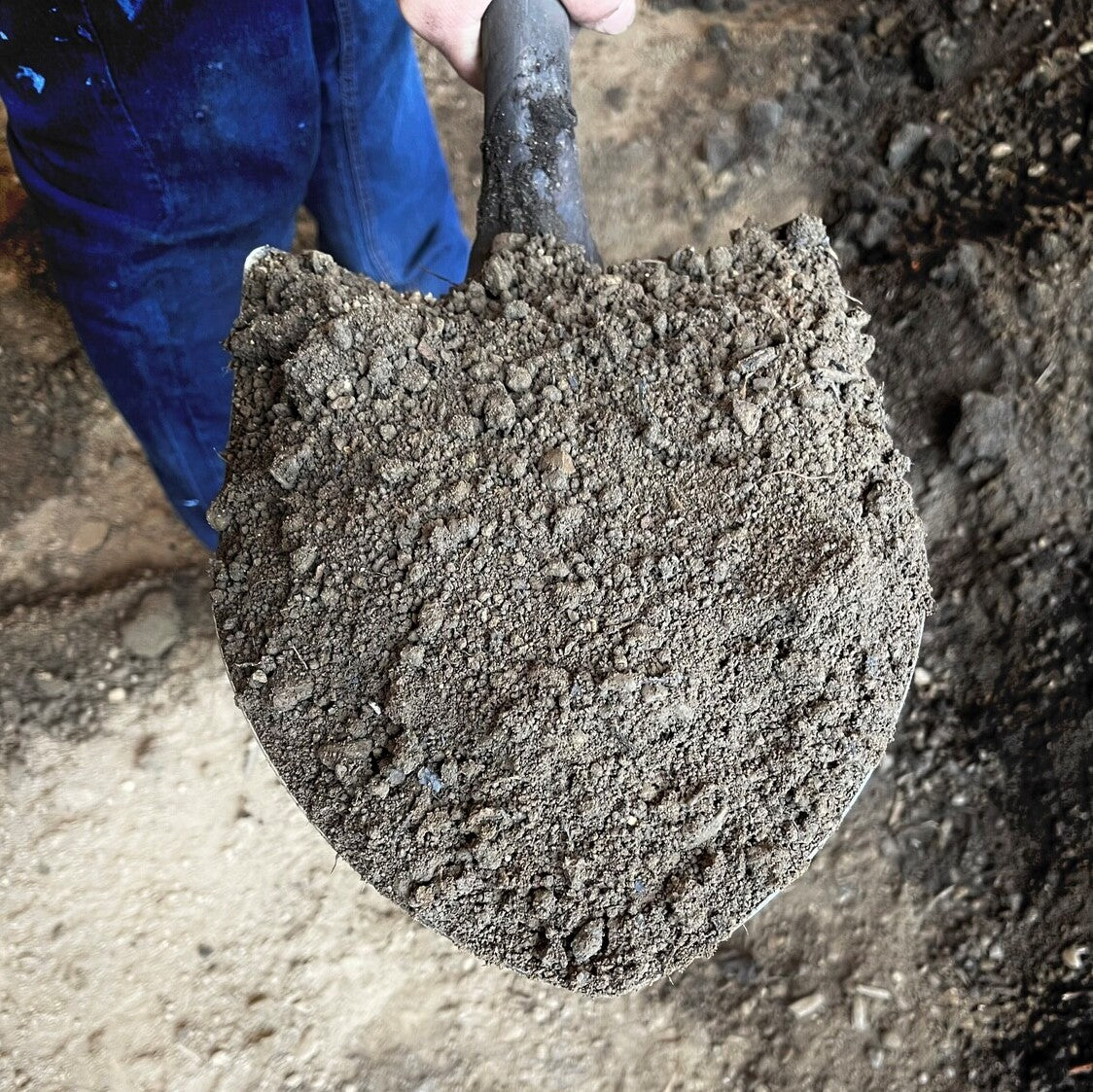
Screened topsoil with a fine, even texture. Ideal for new lawns, sod prep, and raised garden beds.
Ordered Dirt. Received Dirt. Would Buy Again.
Tell us what you're looking for
Thanks! We received your request.
Something went wrong. Please try again.
How Much Material Do I Need?
How Much Material Do I Need?
For topdressing an existing lawn or bed, plan on about half an inch of depth across the target area, while new raised beds or planting areas typically need 10 to 12 inches of quality soil to give roots a productive growing zone above Stockton's native clay. One cubic yard covers approximately 160 square feet at a 2 inch depth.
Use our free soil calculator
What is a Yard?
What is a Yard?
FAQs
FAQs
Stockton Soil Delivery
Stockton Soil Delivery
Regular price
$83.00
per
Yard
Regular price
Sale price
$83.00
Unit price
per
Shipping calculated at checkout.
Minimum of 3 Yard
Couldn't load pickup availability
Not currently available
We can't take orders for this right now. Tell us what you need and we'll get back to you.
Hand-picked local yards
4,000+ regional deliveries
Dedicated support
Why order through Mulch Mound
The best local , without the guesswork.
We hand-pick and partner with the best yards in your region, keep only the ones our buyers rate well, and back each load with our guarantee.
Mulch Mound Guarantee
If your isn't the quantity or quality you ordered, we'll make it right.
About this soil
Screened topsoil with a fine, even texture. Ideal for new lawns, sod prep, and raised garden beds.
Ordered Dirt. Received Dirt. Would Buy Again.
How Much Material Do I Need?
How Much Material Do I Need?
For topdressing an existing lawn or bed, plan on about half an inch of depth across the target area, while new raised beds or planting areas typically need 10 to 12 inches of quality soil to give roots a productive growing zone above Stockton's native clay. One cubic yard covers approximately 160 square feet at a 2 inch depth.
Use our free soil calculator
What is a Yard?
What is a Yard?
FAQs
FAQs
Tell us what you're looking for
Thanks! We received your request.
Something went wrong. Please try again.
How It Works
Getting started is easy — just follow these simple steps
1
Choose your soil
Make sure you adjust the quantity to your home's needs. You can use our calculator to estimate how much you'll need.
2
Select your delivery date
Select a delivery date you'd like for the product to be dropped off at your home
3
Sit back and wait
Sit back, wait, and let us work our magic to make sure the highest quality product is delivered to your driveway.


Placing an order online was so easy. Delivery was on time. When the driver realized we had a newly poured driveway they erred on the side of cautio...
Read full review
Placing an order online was so easy. Delivery was on time. When the driver realized we had a newly poured driveway they erred on the side of caution and opted not ti drive in it. The company even sent me a message explaining that call. Would recommend!
Need Help Calculating How Much Soil You Need?
Use our NEW Trace from Satellite tool to get an estimate for your project based on an aerial view of your property
Try Our CalculatorMeasure the length and width of the area you are filling in feet, then decide on your target depth, typically 6 inches for a topdressing project or 10 to 12 inches for a new raised bed. Multiply length by width by depth in feet, then divide by 27 to convert cubic feet to cubic yards. Stockton raised bed builders often forget to account for settling, so adding 10 to 15 percent to your calculated total is a reliable habit.
Complete Your Outdoor Soil Project
Adding a layer of mulch on top of freshly installed garden soil dramatically reduces moisture loss during Stockton's dry summer months and helps the new soil stay workable longer. Decomposed granite paths around raised beds are also a popular choice in Stockton yards for keeping the surrounding area clean and navigable year round.
Mulch Mound Pro Tip
Stockton's tap water is moderately hard and slightly alkaline, which over multiple irrigation seasons can gradually raise the pH of even the best imported garden soil. When you receive your bulk soil delivery, mix in a measured amount of agricultural sulfur according to package directions before filling your beds. This gives you a head start on maintaining the slightly acidic to neutral pH range that most vegetables and ornamentals prefer, without having to correct an established bed later.
Mulch Mound Pro Tip
Because Stockton sits at only 23 feet above sea level on flat valley floor terrain, drainage is a genuine concern in many neighborhoods during wet winters. When building raised beds or grading a new planting area with bulk soil, shape the surface with a very slight crown or slope away from structures so water moves off the bed rather than pooling. Even a 1 to 2 percent grade is enough to prevent the waterlogged root conditions that can damage plants during a wet Stockton February.
Mulch Mound Pro Tip
Stockton's Zone 9b climate makes it possible to grow warm-season vegetables for an unusually long stretch, but that also means your garden soil is being depleted of nutrients for most of the calendar year. Every time you refresh your bulk soil or add a new delivery, work a generous layer of aged compost into the top 6 inches of existing material. This habit keeps the biological activity in your soil high, which is what drives nutrient availability and keeps Stockton gardens productive from that February last frost through the December first frost date.
The Unique Landscape of Stockton
Stockton's native clay loam presents a genuine challenge for gardeners because it drains poorly, compacts under foot traffic and irrigation, and becomes nearly cement-like during the long dry summer months. Most residential lots in the area have had their topsoil disturbed during construction, leaving behind a dense subsoil that struggles to support healthy root development. Bringing in quality bulk soil is often the fastest way to establish productive vegetable gardens, raised beds, or lawn renovations in a city where the native ground simply was not built for intensive planting. Because Stockton falls in Zone 9b with a growing season that stretches from early February through early December, the soil in active garden beds is being asked to support plants for the better part of ten months every year. Investing in the right bulk soil blend for Stockton conditions pays off in stronger plant establishment, reduced watering frequency, and better yields from edible gardens.