


About this fill dirt
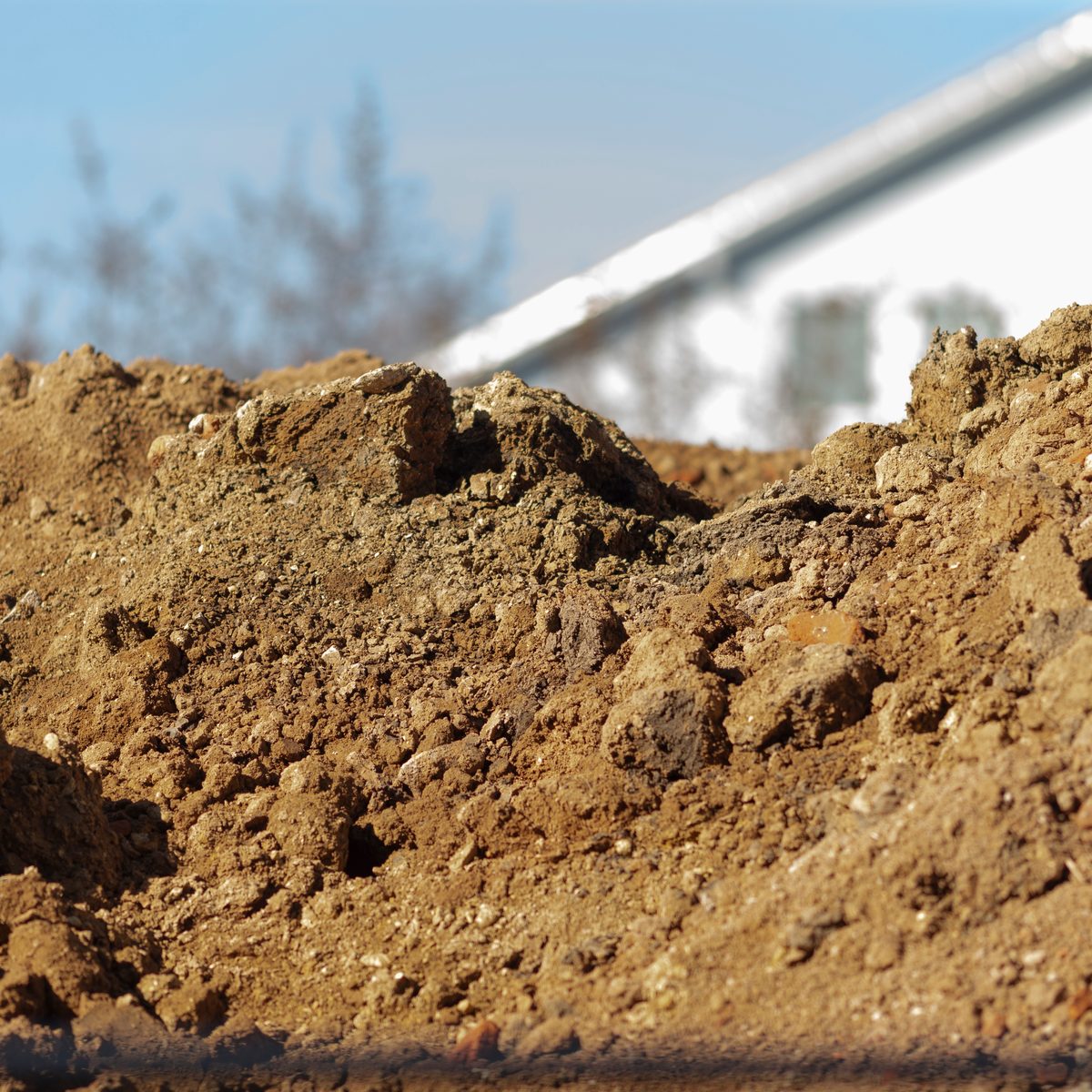
Inorganic subsoil for filling holes, raising low ground, and backfill. Small rocks and bits of stick or root are normal in the mix, this is structural material and not a growing medium. Do not use it to level a lawn surface or fill flower beds, put topsoil over it for anything you want to plant. Place it in lifts and compact as you go.

Tell us what you're looking for
Thanks! We received your request.
Something went wrong. Please try again.
How Much Fill Dirt Do I Need?
How Much Fill Dirt Do I Need?
One cubic yard of fill dirt covers about 54 square feet at a 6 inch depth, so a 300 square foot low spot filled 6 inches deep runs close to 6 cubic yards. For deeper fills, figure your cubic yardage first, then plan on placing it in 6 to 8 inch lifts rather than one thick dump, since that's how it compacts properly.
Estimate fill dirt with our free topsoil calculator
What is a Yard?
What is a Yard?
FAQs
FAQs
Warren Fill Dirt Delivery
Warren Fill Dirt Delivery
Regular price
$38.00
per
Yard
Regular price
Sale price
$38.00
Unit price
per
Shipping calculated at checkout.
Minimum of 3 Yard
Couldn't load pickup availability
Not currently available
We can't take orders for this right now. Tell us what you need and we'll get back to you.
Hand-picked local yards
4,000+ regional deliveries
Dedicated support
Why order through Mulch Mound
The best local fill dirt, without the guesswork.
We hand-pick and partner with the best yards in your region, keep only the ones our buyers rate well, and back each load with our guarantee.
Mulch Mound Guarantee
If your fill dirt isn't the quantity or quality you ordered, we'll make it right.
About this fill dirt
Inorganic subsoil for filling holes, raising low ground, and backfill. Small rocks and bits of stick or root are normal in the mix, this is structural material and not a growing medium. Do not use it to level a lawn surface or fill flower beds, put topsoil over it for anything you want to plant. Place it in lifts and compact as you go.
How Much Fill Dirt Do I Need?
How Much Fill Dirt Do I Need?
One cubic yard of fill dirt covers about 54 square feet at a 6 inch depth, so a 300 square foot low spot filled 6 inches deep runs close to 6 cubic yards. For deeper fills, figure your cubic yardage first, then plan on placing it in 6 to 8 inch lifts rather than one thick dump, since that's how it compacts properly.
Estimate fill dirt with our free topsoil calculator
What is a Yard?
What is a Yard?
FAQs
FAQs
Tell us what you're looking for
Thanks! We received your request.
Something went wrong. Please try again.
How It Works
Getting started is easy — just follow these simple steps
1
Choose your quantity
Adjust the quantity to match your project. One cubic yard covers about 100 to 160 square feet at a 2 to 3 inch depth.
2
Select your delivery date
Select a delivery date you'd like for the product to be dropped off at your home
3
Sit back and wait
Sit back, wait, and let us work our magic to make sure the highest quality product is delivered to your driveway.

First time going with this company for mulch and it was an efficient process from start to finish. Website was easy—I told them exactly where I wan...
Read full review
First time going with this company for mulch and it was an efficient process from start to finish. Website was easy—I told them exactly where I wanted the mulch put on my driveway, and it was delivered perfectly when I got home from work the next day. Best deal around when I compared it to competitors and I will definitely be becoming back.

Ordered Dirt. Received Dirt. Would Buy Again.
Complete Your Outdoor Project
Most fill jobs finish with a cap of topsoil once the fill is compacted, especially if grass, beds, or anything else needs to grow on top. If the finished grade needs to look clean and hold shape on a slope, a layer of mulch or stone along the edges helps keep the topsoil from washing off the fill underneath.


Mulch Mound Pro Tip
Warren's clay loam does not forgive lazy compaction. If you dump fill dirt in one thick pile and walk away, it will keep settling for a year or more, cracking any patio or slab poured on top too soon. Place it in 6 to 8 inch lifts and compact each one with a plate compactor or hand tamper before adding the next. It's slower, but it's the difference between a stable pad and a sunken one by next spring.
Mulch Mound Pro Tip
Fill dirt is a structural material, not something to plant into. A common mistake is spreading it and seeding grass directly on top, which fails because fill lacks organic matter and compacts too hard for roots. Always cap fill with 4 to 6 inches of real topsoil before seeding, sodding, or planting anything, even if the fill layer underneath is doing all the structural work.
Mulch Mound Pro Tip
If you're filling a large low spot, order fill dirt for the bulk of the depth and save topsoil for just the top few inches, since topsoil costs more and you don't need its organic content buried under a foot of subsoil. This split approach handles most backfill and grading jobs around Warren foundations and pool decks without overspending on material that's just going to be buried anyway.
Grading and Filling in Warren
Warren sits on clay loam that already drains slowly and holds water after storms, which is exactly why low spots around foundations and pool decks stay soggy long after the rain stops. Fill dirt gives you a way to raise that grade to something that actually sheds water toward the street instead of sitting against your slab. With a 623 foot elevation and flat lot lines typical of this area, small grading mistakes show up fast as standing water. Get the base right with fill first, then worry about what grows on top.
What Fill Dirt Is
Fill dirt is inorganic subsoil sold for volume and grade, not for growing. Small rocks and bits of stick or root are normal in the mix. It compacts predictably, which is exactly what you want under slabs, in trenches, and behind walls.
Fill Dirt vs Topsoil
Fill dirt builds the shape of the ground, topsoil grows things on top of it. Bring the grade up with fill, then cap it with 4 to 6 inches of topsoil anywhere grass or plants are going in.
Compact in Lifts
Place fill in layers of 4 to 6 inches and compact each one before adding the next. Dumping the full depth at once leaves voids that settle later, and settling is the one problem fill is supposed to solve.