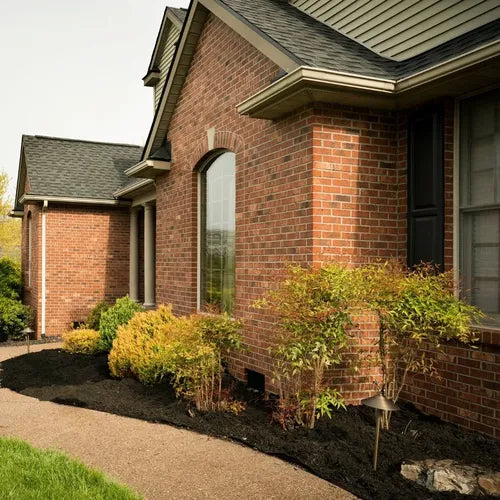
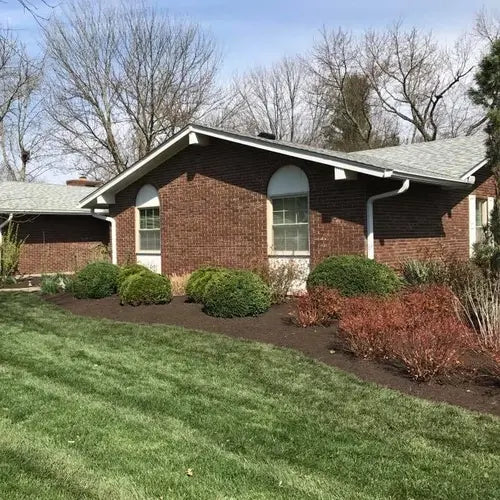
We needed mulch for our HOA common areas. Local providers were all holding high prices even for 40 yards of mulch. Mulch mound was easy to wowith & has great price for natural mulch + delivery schedule options. They called before delivery to ensure Delivery was exactly wher...
Tell us what you're looking for
Thanks! We received your request.
Something went wrong. Please try again.
How Much Material Do I Need?
Plan on 2 to 3 inches of mulch for established beds and a full 3 inches for new plantings where weed pressure is highest. One cubic yard covers about 100 square feet at three inches deep, or 160 square feet at two inches.
Use our free mulch calculator
What is a yard?
A yard is approximately 27 cubic feet. As a general guideline, one yard of material can cover an area of about 100-160 square feet at a 2-3 inch depth.
We needed mulch for our HOA common areas. Local providers were all holding high prices even for 40 yards of mulch. Mulch mound was easy to wowith & has great price for natural mulch + delivery schedule options. They called before delivery to ensure Delivery was exactly wher...
How Much Material Do I Need?
Plan on 2 to 3 inches of mulch for established beds and a full 3 inches for new plantings where weed pressure is highest. One cubic yard covers about 100 square feet at three inches deep, or 160 square feet at two inches.
Use our free mulch calculator
What is a yard?
A yard is approximately 27 cubic feet. As a general guideline, one yard of material can cover an area of about 100-160 square feet at a 2-3 inch depth.
We needed mulch for our HOA common areas. Local providers were all holding high prices even for 40 yards of mulch. Mulch mound was easy to wowith...
Read full review
We needed mulch for our HOA common areas. Local providers were all holding high prices even for 40 yards of mulch. Mulch mound was easy to wowith & has great price for natural mulch + delivery schedule options. They called before delivery to ensure Delivery was exactly where we wanted it.
Delivery was on time and great quality Mulch. Got it done in a reasonable time and yard looks great. Couldn’t be happier!!! Thank you and will us...
Read full review
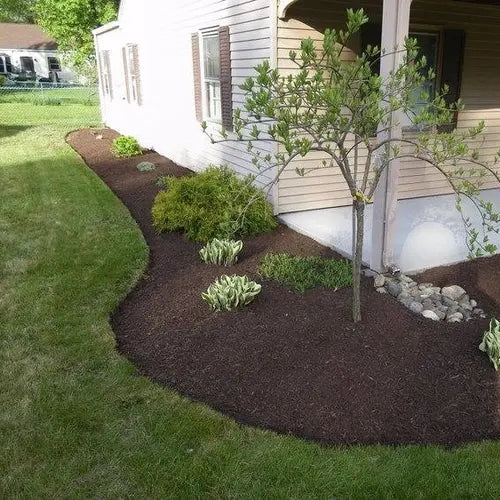
Delivery was on time and great quality Mulch. Got it done in a reasonable time and yard looks great. Couldn’t be happier!!! Thank you and will use again!!
Mulch Mound delivered a yard of pea gravel to us. Delivery was on time, driver was friendly and hit a bullseye on the “tarp target”. We used the ...
Read full review
Mulch Mound delivered a yard of pea gravel to us. Delivery was on time, driver was friendly and hit a bullseye on the “tarp target”. We used the pea gravel (which was diameter as specified) to fill several muskrat holes around our pond. I would definitely recommend Mulch Mound to a friend!
Measure each bed separately in feet, length times width, and add the areas together before you enter anything. Warren foundation beds are rarely true rectangles, so break a curved bed into two or three chunks and measure each. Round your total up to the next half yard, because a small leftover pile is far cheaper than a second delivery fee.
Mulch vs. No Mulch: The Difference
Warren gets about 34 inches of rain a year plus real humidity from June through August, and that combination speeds up microbial breakdown of any organic mulch. Add freeze and thaw cycling from late October through mid April and wood fibers fracture faster here than in drier parts of the country. That is the tradeoff worth understanding before you choose between an organic mulch and a non organic one.
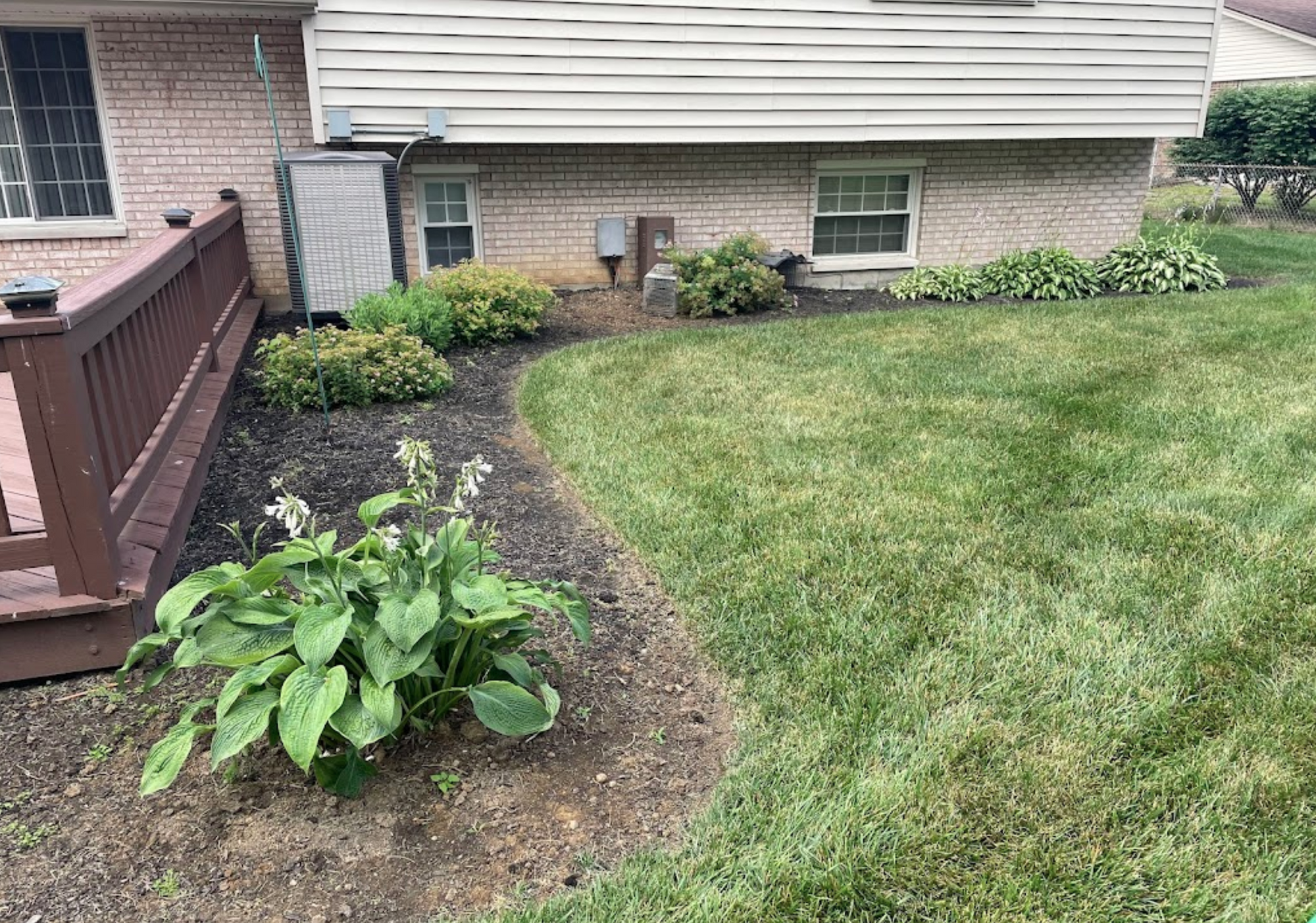
Before
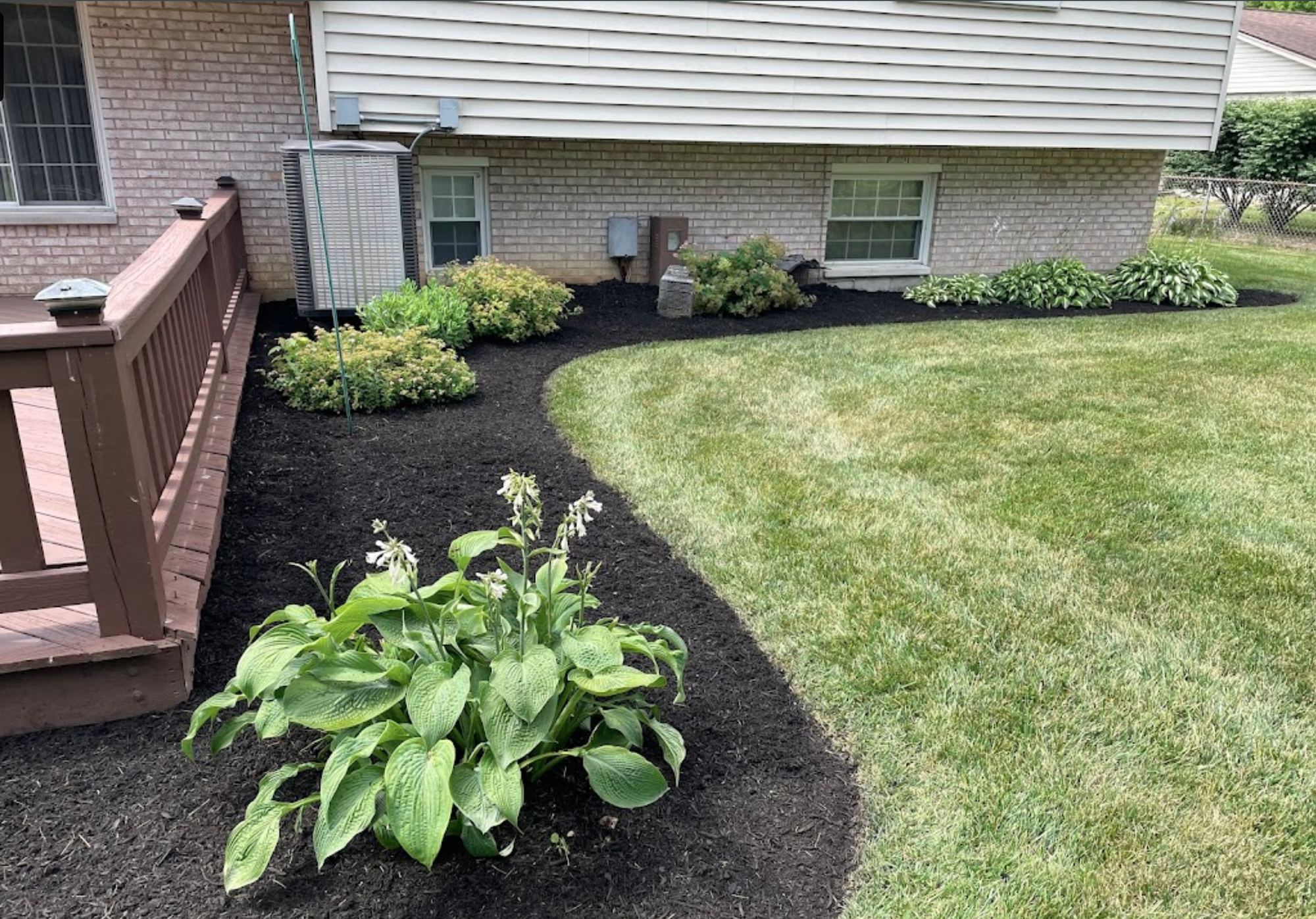
After
Best Mulch Choice for Warren Lawns
Most yards in the Warren area sit on type of soil. Warren's clay loam holds nutrients well but compacts hard, and when it dries it forms a surface crust that sheds water right off your beds instead of into them. New plantings often sit in what amounts to a clay bowl, where water collects at the bottom of the planting hole and roots never venture past the backfill.
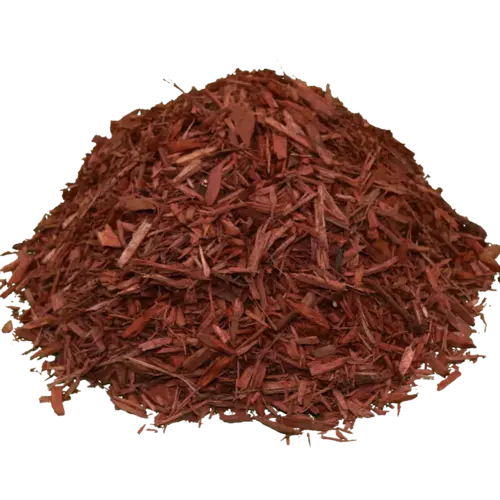
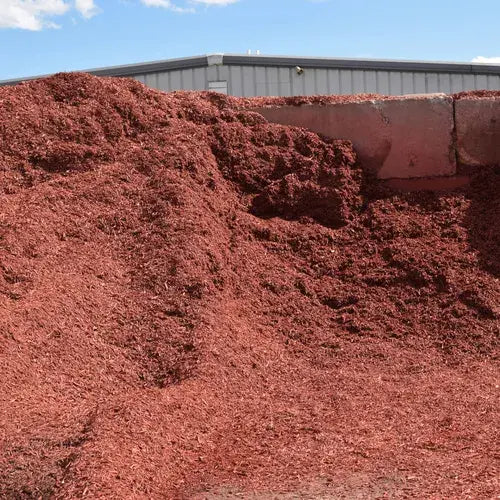
Hardwood Mulch
Double ground hardwood mulch is the practical fix because it feeds the top layer of clay loam as it decomposes, drawing earthworms and soil life that tunnel down and open channels through the compacted layer. Three seasons of hardwood mulch on a Warren bed measurably softens the top six inches of soil and lets roots push outward instead of circling.
Complete Your Outdoor Mulch Project
Pair your mulch with screened topsoil or compost to work into the clay before you spread, and add steel or poly edging to keep mulch out of the lawn during Warren's heavy spring rains. Decorative stone works well for downspout splash zones where mulch tends to float away.
Mulch Mound Pro Tip
Do not till your clay loam when it is wet. Squeeze a handful, and if it forms a ribbon instead of crumbling, walk away for a few days. Working Warren clay in April mud creates hard clods that stay rock solid all summer and choke out new roots. Wait for that crumbly stage, usually early May, then loosen and mulch in the same afternoon.
Mulch Mound Pro Tip
Rake and fluff last year's mulch before adding new material. Warren winters compress mulch into a matted crust that sheds rain instead of absorbing it, which starves plant roots even during a rainy spring. Ten minutes with a leaf rake breaks that crust and reveals how much fresh mulch you actually need. Many homeowners find they only need an inch instead of the three they ordered.
Mulch Mound Pro Tip
Skip plastic sheeting under mulch. It traps moisture against clay loam that already drains slowly, and Warren beds under plastic tend to sour and smell within two seasons. If you want a weed barrier, use a woven landscape fabric that breathes, or better yet just run mulch thick enough at three inches. Mulch that contacts soil directly is also the only way organic matter gets down into the clay.
Frequently Asked Questions
Click a question to see the answer
Answer
When should I put mulch down in Warren?
Wait until the soil warms past the middle of April, right around our April 15 last frost date. Mulching too early over cold, wet clay loam traps moisture and keeps root zones chilly, which slows perennials waking up. Late April into the first half of May is the sweet spot for most Warren yards. A second light touch up in early October helps insulate before the October 26 first frost.
Answer
How deep should mulch go over Warren's clay soil?
Two to three inches, and lean toward two if your beds sit low or drain slowly. Clay loam already holds water tightly, and piling four inches on top of it keeps the root zone soggy through our wet April and November stretches. Around shallow rooted shrubs like hydrangeas and azaleas, two inches is plenty. Keep it pulled back a couple inches from all trunks and stems.
Answer
Will mulch help my beds that puddle after a heavy rain?
It helps at the surface but it is not a drainage fix. Warren's clay loam is the real reason water sits, and mulch mainly stops the raindrop impact that seals the soil surface and makes the puddling worse. If a bed holds water for more than a day, mix compost into the top eight inches or raise the bed a few inches, then mulch on top. With 34 inches of rain a year spread fairly evenly, that combination handles most Warren yards.
Answer
How often do I need to replace mulch here?
Most Warren homeowners top dress once a year with about an inch, then do a full refresh every three years. Our humid summers and 34 inches of rain break hardwood mulch down faster than in drier climates, and dyed mulches hold their color roughly one season before fading. Before adding, rake the old layer to break up any crust that formed over winter.
Answer
Does mulch attract termites or carpenter ants around Warren homes?
Mulch itself does not draw them in, but a thick damp layer piled against a foundation gives them cover. Keep mulch six inches back from siding and brick, and keep it below the top of the foundation wall. Many Warren homes from the 1950s and 60s have wood trim close to grade, so that clearance matters. Coarse hardwood dries out faster than fine shredded material and is the safer choice next to the house.
Answer
Can I mulch right over my existing weeds?
Only if they are small annual weeds. Warren beds get hammered by creeping charlie, bindweed, and quackgrass, and all three push straight through three inches of mulch because they spread by roots and runners. Pull or spot treat those first, wait a week, then mulch. Clay loam grips deep roots hard, so pulling after a rain is far easier than pulling in August.
Answer
How many yards do I need for a typical Warren front yard bed?
A common Warren subdivision foundation bed runs about 4 feet deep by 40 feet long, or 160 square feet, which needs roughly 1.5 cubic yards at three inches. Add a curb strip or a tree ring and most front yards land between 2 and 3 yards. Corner lots on the wider blocks north of 12 Mile often need 4 to 5 yards.
The Unique Landscape of Warren
Warren sits on heavy clay loam left behind by the old Lake St. Clair plain, and that soil bakes into a crust every July and holds standing water every April. Mulch is the buffer that keeps the surface from sealing shut between our 34 inches of annual rain and the dry stretches in between. In Zone 6b, where the last frost lands around April 15 and the first arrives near October 26, a mulch layer also steadies soil temperature through the freeze and thaw cycles that heave shallow roots out of clay. Warren beds along south facing brick ranch walls and along Van Dyke and Mound Road pick up serious reflected heat, and bare clay there can hit temperatures that stall annual roots. A two to three inch blanket of hardwood mulch cuts that heat, slows evaporation, and feeds organic matter down into the clay as it breaks apart. Over three or four seasons that is how Warren yards go from sticky, compacted ground to something a shovel can actually enter.