




Delivery was smooth and on time!
The triple shredded mulch was great quality and just what we were looking for.
About this compost
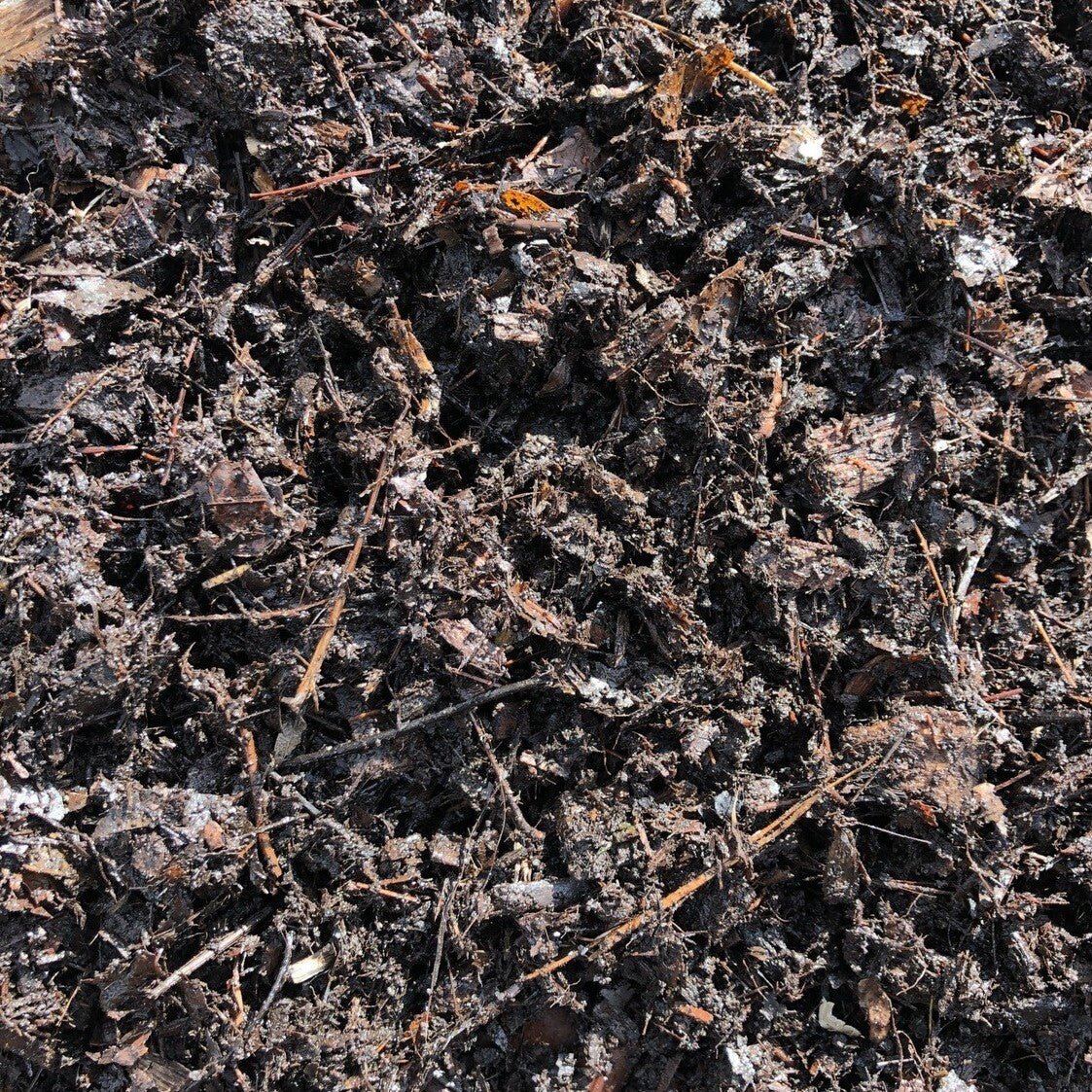
Nutrient rich leaf compost that transforms tired soil. Improves structure, boosts water retention, and feeds the beneficial microorganisms that keep gardens healthy.
Delivery was smooth and on time!
The triple shredded mulch was great quality and just what we were looking for.
Tell us what you're looking for
Thanks! We received your request.
Something went wrong. Please try again.
How Much Compost Do I Need?
How Much Compost Do I Need?
One cubic yard covers about 324 square feet at a 1 inch depth, which is the right amount for topdressing an established lawn. For bed work, where you are tilling in 2 to 3 inches, plan on roughly one cubic yard covering 100 to 160 square feet depending on depth. Measure your square footage first, then decide if you are dressing or amending, since the two uses call for very different volumes.
Use our free compost calculator
What is a yard?
What is a yard?
FAQs
FAQs
Washington Compost Delivery
Washington Compost Delivery
Regular price
$42.00
per
yard
Regular price
Sale price
$42.00
Unit price
per
Shipping calculated at checkout.
Minimum of 3 yard
Couldn't load pickup availability
Not currently available
We can't take orders for this right now. Tell us what you need and we'll get back to you.
Hand-picked local yards
4,000+ regional deliveries
Dedicated support
Why order through Mulch Mound
The best local compost, without the guesswork.
We hand-pick and partner with the best yards in your region, keep only the ones our buyers rate well, and back each load with our guarantee.
Mulch Mound Guarantee
If your compost isn't the quantity or quality you ordered, we'll make it right.
About this compost
Nutrient rich leaf compost that transforms tired soil. Improves structure, boosts water retention, and feeds the beneficial microorganisms that keep gardens healthy.
Delivery was smooth and on time!
The triple shredded mulch was great quality and just what we were looking for.
How Much Compost Do I Need?
How Much Compost Do I Need?
One cubic yard covers about 324 square feet at a 1 inch depth, which is the right amount for topdressing an established lawn. For bed work, where you are tilling in 2 to 3 inches, plan on roughly one cubic yard covering 100 to 160 square feet depending on depth. Measure your square footage first, then decide if you are dressing or amending, since the two uses call for very different volumes.
Use our free compost calculator
What is a yard?
What is a yard?
FAQs
FAQs
Tell us what you're looking for
Thanks! We received your request.
Something went wrong. Please try again.


How It Works
Getting started is easy — just follow these simple steps
1
Choose your quantity
Adjust the quantity to match your project. One cubic yard covers about 100 to 160 square feet at a 2 to 3 inch depth.
2
Select your delivery date
Select a delivery date you'd like for the product to be dropped off at your home
3
Sit back and wait
Sit back, wait, and let us work our magic to make sure the highest quality product is delivered to your driveway.

Very easy to place order online for our exact needs and very flexible for when we needed

From the time I placed the order to the delivery it was quick and professional. I will highly recommend and will use them from now on.
Complete Your Outdoor Project
Compost pairs well with a mulch topcoat once it is worked into beds, since the mulch holds moisture in and keeps the compost from drying out on top. If you are starting new beds in DC's silt loam, some gardeners bring in a bit of coarse sand or topsoil alongside the compost to improve drainage before planting.


Service area
Areas we deliver compost in Washington, District of Columbia
- Ashton-Sandy Spring, Maryland
- Belle Haven, Virginia
- Bladensburg, Maryland
- Braddock, Virginia
- Brandywine, Maryland
- Brock Hall, Maryland
- Bryans Road, Maryland
- Camp Springs, Maryland
- Chesapeake Beach, Maryland
- Cheverly, Maryland
- Clinton, Maryland
- Coral Hills, Maryland
- Crosspointe, Virginia
- Darnestown, Maryland
- District Heights, Maryland
- Dulles Town Center, Virginia
- Fair Lakes, Virginia
- Fairwood, Maryland
- Floris, Virginia
- Forest Glen, Maryland
- Forestville, Maryland
- Four Corners, Maryland
- Friendly, Maryland
- Friendship Heights Village, Maryland
- Fulton, Maryland
- Glassmanor, Maryland
- Glenarden, Maryland
- Greenbriar, Virginia
- Hillandale, Maryland
- Hillcrest Heights, Maryland
- Hutchison, Virginia
- Kettering, Maryland
- La Plata, Maryland
- Lake Arbor, Maryland
- Landover, Maryland
- Lansdowne, Maryland
- Largo, Maryland
- Laurel Hill, Virginia
- Layhill, Maryland
- Leisure World, Maryland
- Long Branch, Virginia
- Mantua, Virginia
- Marlboro Village, Maryland
- Marlow Heights, Maryland
- Marlton, Maryland
- Mayo, Maryland
- Mitchellville, Maryland
- Mount Rainier, Maryland
- National Harbor, Maryland
- North Springfield, Virginia
- Oxon Hill, Maryland
- Potomac Mills, Virginia
- Riverdale Park, Maryland
- Rosaryville, Maryland
- Savage, Maryland
- Scaggsville, Maryland
- Seven Corners, Virginia
- Shady Side, Maryland
- Silver Hill, Maryland
- South Kensington, Maryland
- Springdale, Maryland
- Suitland, Maryland
- Summerfield, Maryland
- Temple Hills, Maryland
- Walker Mill, Maryland
- Westphalia, Maryland
- Woodburn, Virginia
Mulch Mound Pro Tip
In DC's silt loam, spread finished compost no thicker than 2 to 3 inches when working it into beds, then till it into the top 6 inches rather than leaving it as a surface layer. Thicker layers left untilled can crust over in our humid summers and actually shed water instead of absorbing it. For lawns, keep it to a thin 1 inch topdress and rake it in so it does not smother grass blades.
Mulch Mound Pro Tip
A common mistake is applying compost right before a heavy rain event, which are frequent here in spring and late summer. Fresh compost can wash off sloped yards before it has a chance to work in. Water lightly after applying instead of relying on rain, and check the forecast so you are not laying it down ahead of a downpour that undoes the work.
Mulch Mound Pro Tip
Fall and spring are both solid windows for compost here, so there is no need to rush a single season. Ordering once in bulk for both your lawn topdress and bed amendment in the same delivery saves a second delivery fee and keeps material fresh rather than sitting bagged in a garage over winter.
Building Better Soil in Washington
Washington's native silt loam is decent soil but it compacts easily under foot traffic and holds water unevenly, especially in the older neighborhoods near the National Mall where fill soil is common. Compost worked into the top few inches loosens that structure and gives roots somewhere to spread. With zone 7b winters that are mild and summers that run hot and sticky, compost also buffers soil temperature swings and helps beds hold onto moisture between rains. It is the material most DC gardeners reach for before they touch fertilizer.
What Finished Compost Is
Finished compost is organic matter that has fully broken down into a dark, crumbly material with an earthy smell. It feeds soil life, improves structure, and helps beds hold water without staying soggy.
How Much to Apply
Work 1 to 2 inches into new beds, or topdress lawns with a quarter to half inch and rake it in. More is not better. Too thick a layer can smother roots instead of feeding them.
When to Apply
Spring and fall are both good windows. Spring applications feed the growing season ahead, and fall applications break down over winter so beds are ready at first thaw.