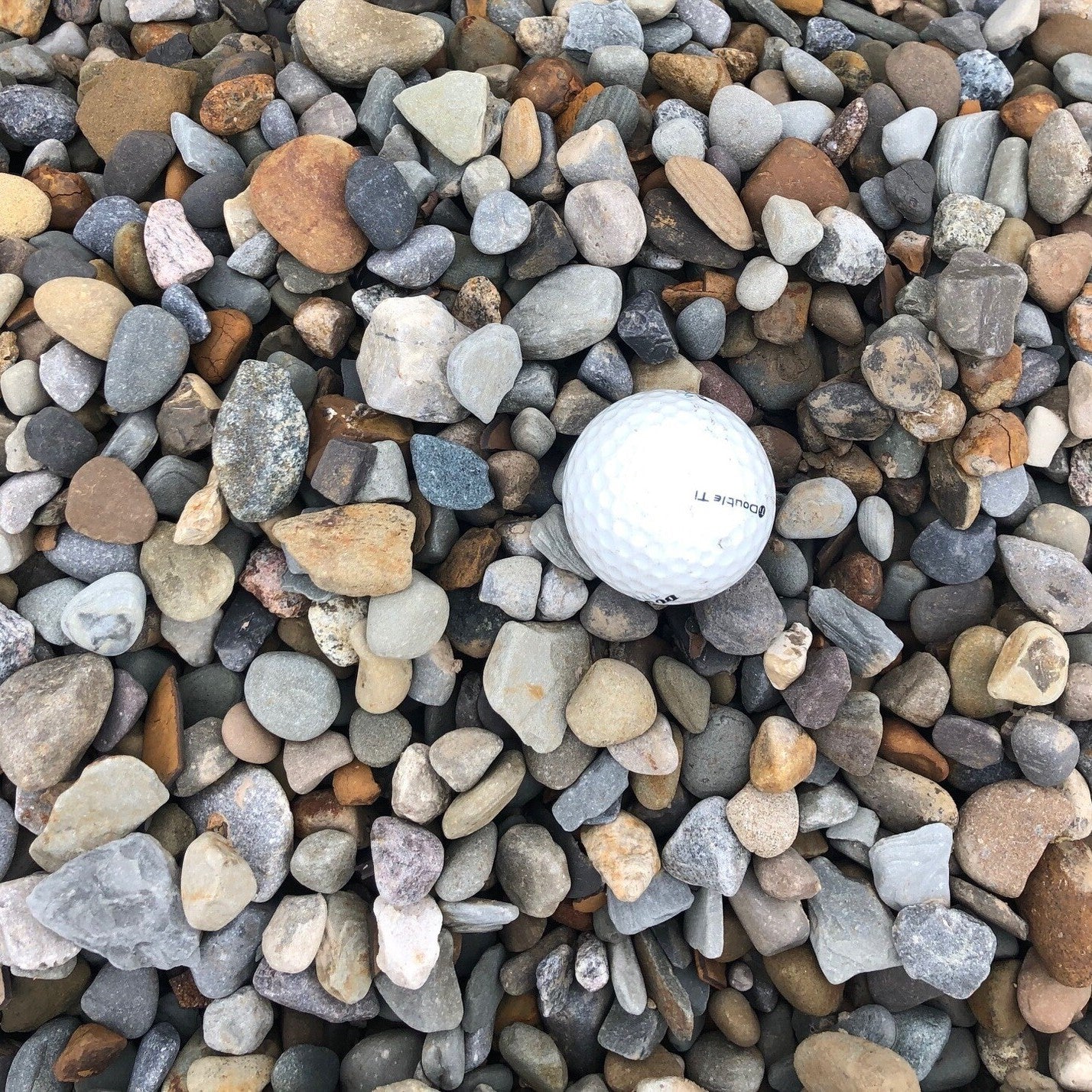
About this stone

#8 washed gravel: small angular crushed stone perfect for drainage, French drains, and concrete bases.

Mulch Mound delivered a yard of pea gravel to us. Delivery was on time, driver was friendly and hit a bullseye on the “tarp target”. We used the pea gravel (which was diameter as specified) to fill several muskrat holes around our pond. I would definitely recommend Mulch Mo...

Two to three inches is standard for decorative stone beds, while driveways and patio bases need four to eight inches of compacted material. Larger river rock in drainage channels should go at least eight inches deep.
Use our free stone calculator

A yard is approximately 27 cubic feet. As a general guideline, one yard of material can cover an area of about 100-160 square feet at a 2-3 inch depth.

Washington Stone Delivery

Washington Stone Delivery

4.7
137 reviews
Regular price $101.00 per Yard
Regular price Sale price $101.00
Sale Sold out
Shipping calculated at checkout.
Type
Size
Hand-picked local yards
4,000+ regional deliveries
Dedicated support
Why order through Mulch Mound

The best local , without the guesswork.

We hand-pick and partner with the best yards in your region, keep only the ones our buyers rate well, and back each load with our guarantee.

Mulch Mound Guarantee

If your isn't the quantity or quality you ordered, we'll make it right.

About this stone

#8 washed gravel: small angular crushed stone perfect for drainage, French drains, and concrete bases.

Mulch Mound delivered a yard of pea gravel to us. Delivery was on time, driver was friendly and hit a bullseye on the “tarp target”. We used the pea gravel (which was diameter as specified) to fill several muskrat holes around our pond. I would definitely recommend Mulch Mo...

Two to three inches is standard for decorative stone beds, while driveways and patio bases need four to eight inches of compacted material. Larger river rock in drainage channels should go at least eight inches deep.
Use our free stone calculator

A yard is approximately 27 cubic feet. As a general guideline, one yard of material can cover an area of about 100-160 square feet at a 2-3 inch depth.

View full details

How It Works

Getting started is easy — just follow these simple steps

1

Choose your stone

Make sure you adjust the quantity to your home's needs. You can use our calculator to estimate how much you'll need.

2

Select your delivery date

Select a delivery date you'd like for the product to be dropped off at your home

3

Sit back and wait

Sit back, wait, and let us work our magic to make sure the highest quality product is delivered to your driveway.

From The Mouths of Washington Folks

4.7
out of 5 based on 137 reviews
Google Reviews

Need Help Calculating How Much Stone & Gravel You Need?

Use our NEW Trace from Satellite tool to get an estimate for your project based on an aerial view of your property

Try Our Calculator
📍

Measure length times width for the square footage, then choose your depth. One cubic yard covers about 160 square feet at two inches or 80 square feet at four inches. Stone does not fluff up the way mulch does, so order close to your calculated number and add a small buffer for settling into soft Washington ground.

Complete Your Outdoor Stone Project

Add landscape fabric under decorative stone to slow weeds and keep rock from sinking into silt loam, and set steel or paver edging so stone stays in the bed instead of scattering across the lawn.

Map of the stone delivery area around Washington, Indiana

Service area

Areas we deliver stone and gravel in Washington, Indiana

Mulch Mound Pro Tip

Compact in layers, not all at once. Dumping eight inches of limestone and running a plate compactor over the top gives you a firm crust with loose material underneath, and it will settle within a year. Spread two to three inches, compact, then repeat. On Washington silt loam, which is already prone to shifting when saturated, that layered approach is what keeps a driveway or patio base level.

Mulch Mound Pro Tip

Match the stone to the job before you fall in love with the look. River rock is beautiful in a dry creek bed but terrible as a walking surface or driveway because it rolls underfoot and never locks in place. Crushed angular stone stays put. In Daviess County, where runoff moves fast across compacted ground, choosing angular material for anything on a slope will save you a re do.

Mulch Mound Pro Tip

Give downspout outlets a stone splash pad. Washington homes take a beating from 45 inches of annual rain funneled through gutters, and the concentrated flow carves a trench in silt loam within a single season. A two by three foot bed of three inch river rock at each outlet spreads the impact, stops the erosion, and keeps mud off your siding. It takes about a half yard total for most houses.

The Unique Landscape of Washington

Washington receives about 45 inches of rain a year, and on silt loam that means erosion channels, muddy walkways, and mulch floating out of beds every spring. Decorative and functional stone solves what organic material cannot, staying put through downpours and giving water a place to move rather than pool. Because the soil here compacts and drains slowly, stone is also the go to base for driveways, French drains, and patio foundations across Daviess County. It never needs replacing, which appeals to homeowners tired of hauling mulch every April. And in a Zone 6b climate with repeated freeze and thaw cycles, a properly compacted stone base keeps pavers and slabs from heaving out of level.

Frequently Asked Questions

Click a question to see the answer

Answer

What size stone works best for a driveway in Washington?

Crushed limestone in a 53 grade or similar dense grade blend is standard around Daviess County. The mix of fines and larger pieces locks together and compacts into a firm surface. Pure round river rock will not compact and will rut badly here once our silt loam base softens after a wet spring.

Answer

Will stone keep weeds out of my beds?

It slows them considerably but does not stop them. Washington summers are humid enough that dust and organic debris collect between stones within a couple of years, and weed seeds germinate right in that layer. Landscape fabric underneath plus an occasional blow out with a leaf blower keeps stone beds looking clean much longer.

Answer

How deep should stone be for a drainage area?

For a French drain or dry creek bed handling Washington runoff, plan on eight to twelve inches of washed stone around the pipe or in the channel. Given 45 inches of annual rainfall and slow draining silt loam, going shallow is the most common mistake local homeowners make.

Answer

Can I put stone over my existing mulch beds?

You should remove the mulch first. Mulch continues decomposing under stone, which causes the rock to settle unevenly and creates a rich weed seedbed. Scrape the old material out, level the silt loam beneath, lay fabric, then spread stone. It is more work up front but it is the difference between five years of clean beds and two.

Answer

How much does a yard of stone weigh, and can my driveway handle it?

A cubic yard of crushed limestone runs roughly 2,700 pounds, considerably heavier than mulch. Most Washington concrete and asphalt drives handle a delivery fine, but if yours is older or you have a septic field near the access path, tell us ahead of time and we will position the truck accordingly.

Answer

Does stone make the area around my house hotter?

Yes, noticeably. Light colored limestone reflects heat and dark river rock absorbs it, which can push bed temperatures up during a humid Washington July. Keep stone away from tender perennials and hydrangeas that already struggle in afternoon sun, and save it for foundation strips, drainage areas, and plantings that tolerate heat.

Answer

What stone should I use under a paver patio here?

Six to eight inches of compacted dense grade limestone over the silt loam, then a thin sand setting layer. That depth matters in Washington because Zone 6b freeze and thaw cycles will lift a shallow base and leave you with a wavy patio by the second or third winter. Compact in two or three inch lifts.