




Very easy to place order online for our exact needs and very flexible for when we needed
About this landscape rock
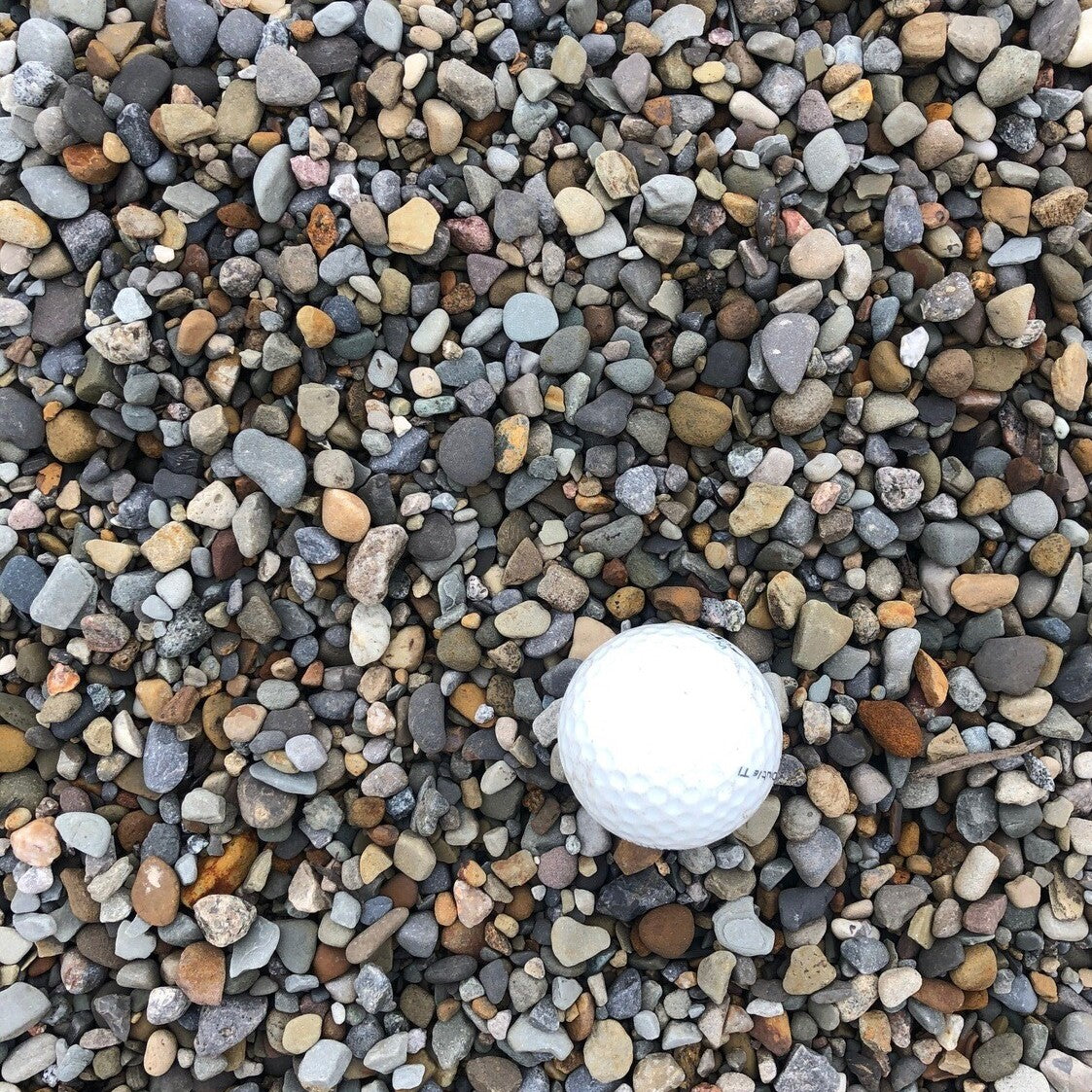
Weathered granite in a fines and chip blend that compacts into a firm natural path surface.
Very easy to place order online for our exact needs and very flexible for when we needed
Tell us what you're looking for
Thanks! We received your request.
Something went wrong. Please try again.
How Much Landscape Rock Do I Need?
How Much Landscape Rock Do I Need?
Landscape rock installs at 2 to 3 inches deep, and one cubic yard covers roughly 162 square feet at the 2 inch depth. A typical foundation border or downspout apron in a Williamsport yard runs 1 to 3 cubic yards, while a full front bed replacing mulch usually lands between 3 and 6 yards depending on how deep you go over the fabric.
Use our free stone calculator
What is a Yard?
What is a Yard?
FAQs
FAQs
Williamsport Landscape Rock Delivery
Williamsport Landscape Rock Delivery
Regular price
$101.00
per
Yard
Regular price
Sale price
$101.00
Unit price
per
Shipping calculated at checkout.
Minimum of 3 Yard
Couldn't load pickup availability
Not currently available
We can't take orders for this right now. Tell us what you need and we'll get back to you.
Hand-picked local yards
4,000+ regional deliveries
Dedicated support
Why order through Mulch Mound
The best local landscape rock, without the guesswork.
We hand-pick and partner with the best yards in your region, keep only the ones our buyers rate well, and back each load with our guarantee.
Mulch Mound Guarantee
If your landscape rock isn't the quantity or quality you ordered, we'll make it right.
About this landscape rock
Weathered granite in a fines and chip blend that compacts into a firm natural path surface.
Very easy to place order online for our exact needs and very flexible for when we needed
How Much Landscape Rock Do I Need?
How Much Landscape Rock Do I Need?
Landscape rock installs at 2 to 3 inches deep, and one cubic yard covers roughly 162 square feet at the 2 inch depth. A typical foundation border or downspout apron in a Williamsport yard runs 1 to 3 cubic yards, while a full front bed replacing mulch usually lands between 3 and 6 yards depending on how deep you go over the fabric.
Use our free stone calculator
What is a Yard?
What is a Yard?
FAQs
FAQs
Tell us what you're looking for
Thanks! We received your request.
Something went wrong. Please try again.
How It Works
Getting started is easy — just follow these simple steps
1
Choose your quantity
Adjust the quantity to match your project. One cubic yard covers about 100 to 160 square feet at a 2 to 3 inch depth.
2
Select your delivery date
Select a delivery date you'd like for the product to be dropped off at your home
3
Sit back and wait
Sit back, wait, and let us work our magic to make sure the highest quality product is delivered to your driveway.

From the time I placed the order to the delivery it was quick and professional. I will highly recommend and will use them from now on.

Great experience with mulch mound. Their online calculator made it easy to estimate how many yards of mulch I needed and delivery was quick. I woul...
Read full review
Great experience with mulch mound. Their online calculator made it easy to estimate how many yards of mulch I needed and delivery was quick. I would definitely recommend them for your future projects.
Complete Your Outdoor Project
Landscape fabric is the real partner here, since it is what keeps this rock from sinking into Williamsport's clay over a few seasons. Steel or aluminum edging holds a clean line against lawns, and a few larger accent stones or boulders dress up downspout areas without extra cost. If you are also mulching planting beds nearby, keep the two materials on separate delivery drops so they do not mix on the driveway.



Mulch Mound Pro Tip
Compact the subgrade before laying fabric, especially over Williamsport's silt clay loam, which shifts more than sandy soil once it gets wet from spring runoff before last frost. Skipping this step is the number one reason rock beds develop low spots and puddle within a year or two. A hand tamper or plate compactor on a rented afternoon saves you from re-leveling the whole bed later.
Mulch Mound Pro Tip
The most common mistake is installing rock too deep, thinking more coverage means less maintenance. Anything past 3 inches actually traps more leaf litter and organic debris from oaks and maples common around Williamsport yards, which then decomposes on top of the fabric and grows weeds anyway. Stick to 2 to 3 inches and blow out leaves each fall instead.
Mulch Mound Pro Tip
Since this is a one time install rather than an annual refresh like mulch, it pays to order slightly more than your calculated total rather than reorder later, since rock lots can vary slightly in color between deliveries. Keep a few extra bags or a small pile set aside in a low traffic spot for future settling or edge repairs, so a matching top off never becomes a guessing game.
Decorative Stone in Williamsport
Williamsport's silt clay loam holds water and compacts hard, which means beds along the house or near downspouts often stay soggy through the wet spring runoff before last frost in early May. Rock over landscape fabric drains through that clay instead of sitting on top of it, which is why so many homes near the Little League complex use it around foundations and window wells. It also skips the freeze thaw heaving that organic mulch beds see once ground temperatures swing through zone 6b winters. It will not feed the soil, so keep it away from beds where you actually want plants rooting into that clay.
What Landscape Rock Is
Landscape rock is stone chosen for how it looks as much as what it does. River rock is smooth and rounded, decomposed granite is fine and packs firm underfoot. Both are sold by the cubic yard for beds, borders, paths, and dry creek beds.
River Rock vs Decomposed Granite
River rock stays loose and rolls, so it suits beds, borders, and drainage runs where it can sit in place. Decomposed granite compacts into a firm surface, so it suits paths, patios, and anywhere you will walk or roll a wheelbarrow.
Depth and Coverage
Spread river rock 2 to 3 inches deep over landscape fabric so it stays put and weeds stay down. Lay decomposed granite 3 to 4 inches deep, wet it, and compact it in lifts for a surface that sheds water instead of rutting.