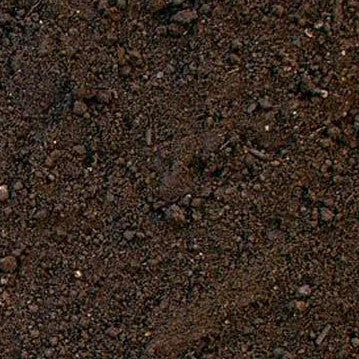
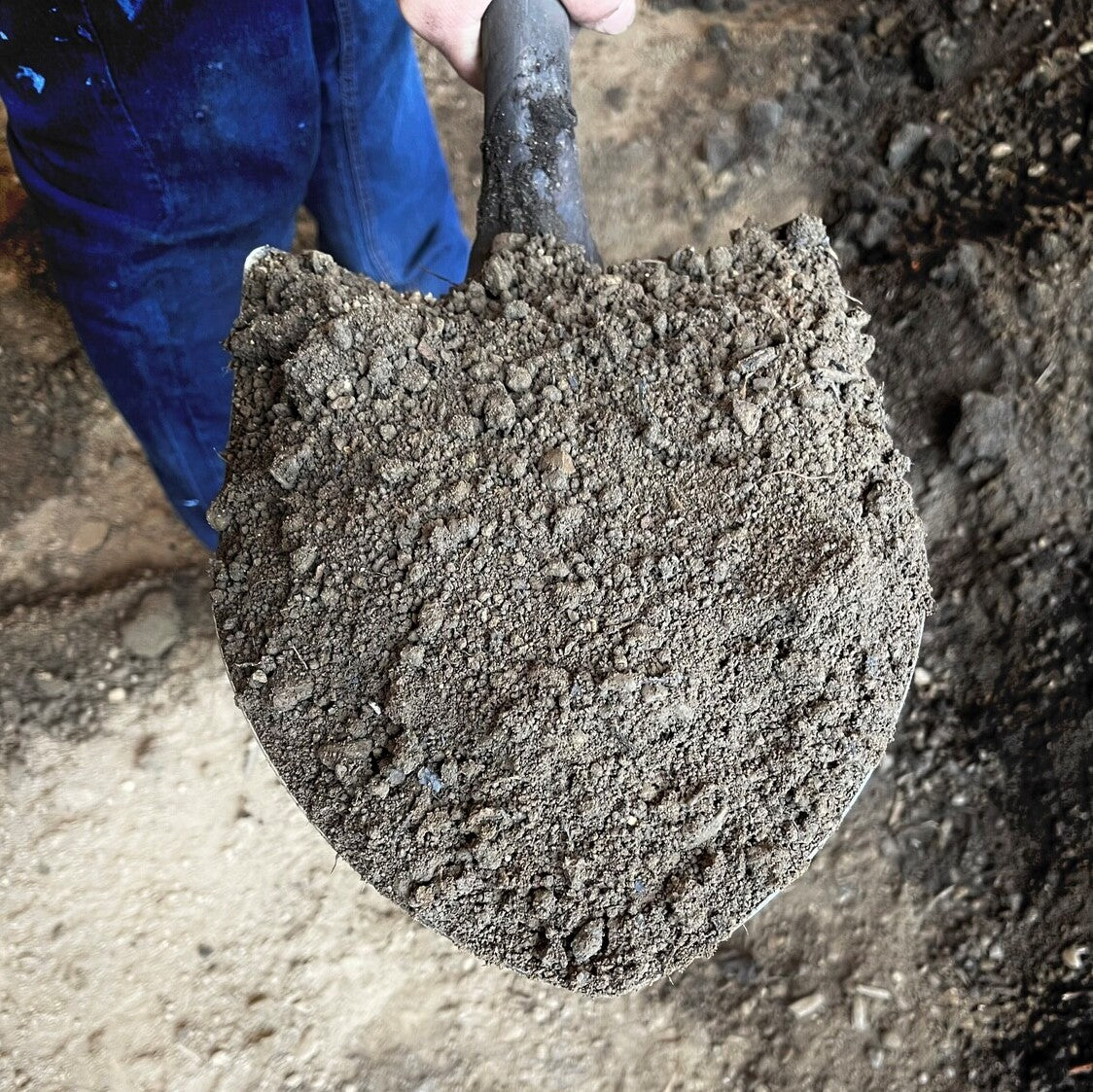
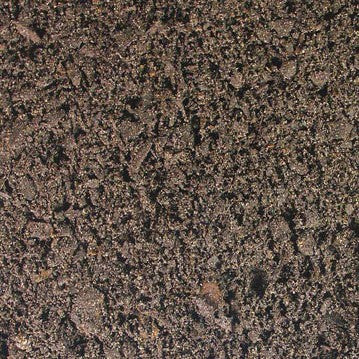
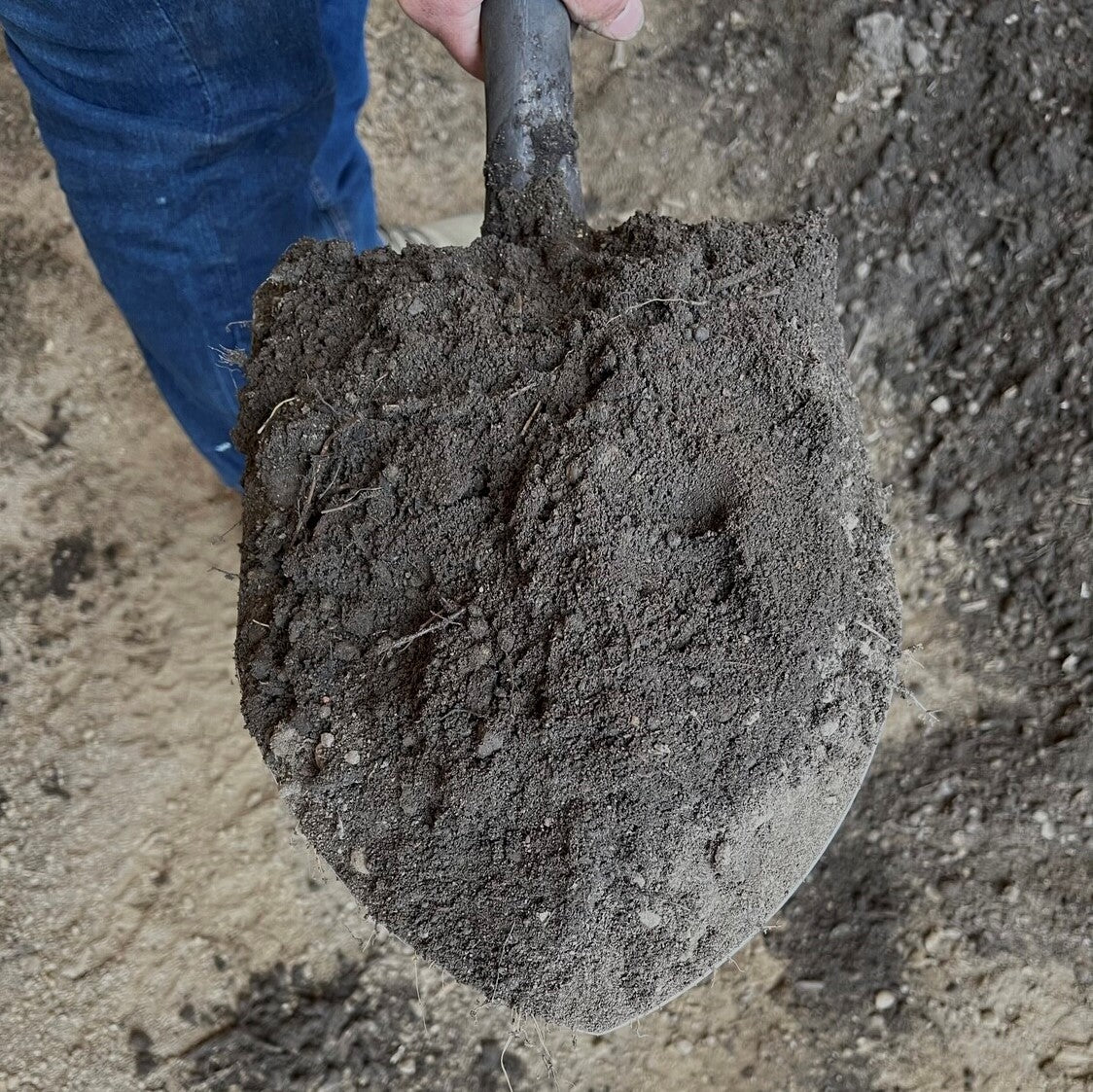
My experience with Mulch Mound was great and super easy. I ordered two yards of screened topsoil and was able to get it delivered within 2 days. They came in my requested time frame (afternoon) and dropped it off where I asked on my driveway. The topsoil was exactly what was a...
Tell us what you're looking for
Thanks! We received your request.
Something went wrong. Please try again.
How Much Material Do I Need?
Most lawn top-dressing projects in Wilmington need about a quarter to half inch of soil spread evenly across the area, while new planting beds and raised gardens typically require 6 to 12 inches of quality soil to give roots proper depth. Order based on your finished grade target and factor in a 10 to 15 percent settling allowance for any bed that will be filled with organic-rich blends.
Use our free soil calculator
What is a Yard?
A yard is approximately 27 cubic feet. As a general guideline, one yard of material can cover an area of about 100-160 square feet at a 2-3 inch depth.
My experience with Mulch Mound was great and super easy. I ordered two yards of screened topsoil and was able to get it delivered within 2 days. They came in my requested time frame (afternoon) and dropped it off where I asked on my driveway. The topsoil was exactly what was a...
How Much Material Do I Need?
Most lawn top-dressing projects in Wilmington need about a quarter to half inch of soil spread evenly across the area, while new planting beds and raised gardens typically require 6 to 12 inches of quality soil to give roots proper depth. Order based on your finished grade target and factor in a 10 to 15 percent settling allowance for any bed that will be filled with organic-rich blends.
Use our free soil calculator
What is a Yard?
A yard is approximately 27 cubic feet. As a general guideline, one yard of material can cover an area of about 100-160 square feet at a 2-3 inch depth.
My experience with Mulch Mound was great and super easy. I ordered two yards of screened topsoil and was able to get it delivered within 2 days. Th...
Read full review
My experience with Mulch Mound was great and super easy. I ordered two yards of screened topsoil and was able to get it delivered within 2 days. They came in my requested time frame (afternoon) and dropped it off where I asked on my driveway. The topsoil was exactly what was advertised, clean with no rocks or other debris. The price was reasonable. I plan to use them again in a couple weeks to order compost for my garden beds.
Measure the length, width, and desired depth of your project area in feet, then multiply all three numbers together and divide by 27 to get cubic yards. For raised beds, measure the inside dimensions of the frame to get an accurate fill volume. Always round up slightly when ordering bulk soil because settling after the first few rain events is common and having a little extra on hand prevents a return trip.
Complete Your Outdoor Soil Project
Fresh topsoil pairs naturally with a mulch layer on top to protect the soil surface from Wilmington's heavy spring rains and summer heat. Adding a stone border around your new beds keeps soil in place and gives the finished project a clean, defined edge.
Can I just amend my existing Wilmington yard soil instead of bringing in new topsoil for my garden?
You can improve native silt loam with compost and organic matter, but for raised beds or areas where the existing soil is heavily compacted, bringing in quality topsoil gives you a much faster and more reliable result. Amending in place works well for established lawn areas but when you are starting a new vegetable garden or planting bed from scratch in Wilmington, starting with a good topsoil blend saves you multiple seasons of slow improvement.
Answer
How deep should I add topsoil before seeding a new lawn area in Wilmington?
For a new lawn seeding in Wilmington, a minimum of 4 inches of quality topsoil over the existing grade gives grass roots enough loose, oxygenated material to establish before they hit compacted native silt loam. If the area has poor drainage or was previously compacted by construction equipment, 6 inches is a better target. Bluegrass and fescue mixes that do well in Zone 6a need that depth to develop the root systems that survive Wilmington's summer dry stretches.
Answer
What is the difference between topsoil and garden soil and which one should I order for my raised vegetable beds?
Topsoil is the natural upper layer of earth used for grading, lawn establishment, and general filling. Garden soil or a blended mix typically includes compost and other organic amendments that improve fertility and drainage specifically for growing food and ornamentals. For raised vegetable beds in Wilmington, a quality blended garden mix gives you a ready-to-plant medium without the extra step of amending plain topsoil yourself.
Answer
My yard has a low spot that floods after heavy rain. Will adding topsoil fix the problem?
Adding topsoil to raise a low spot can help redirect surface water away from the area, but only if the surrounding grade allows the water somewhere to go. In Wilmington's heavier rainfall seasons, low spots often reflect a combination of grade issues and silt loam compaction below the surface. Grading with topsoil addresses the surface problem, but if the subsoil is severely compacted you may also need to aerate or till the area first so added soil integrates properly rather than just sitting on top.
Answer
How soon after the last frost in Wilmington can I start working with and adding soil to my garden beds?
Wilmington's last frost falls around April 22, but the more important factor for working with soil is moisture. Silt loam that is still saturated from spring rains will compact badly if you try to till or work it too early. Wait until a handful of soil crumbles rather than smearing when you squeeze it, which in Wilmington typically happens sometime in late April to early May depending on how wet the spring has been.
Answer
How much topsoil do I need to fill a typical raised bed garden in a Wilmington backyard?
A standard 4 by 8 foot raised bed that is 12 inches tall holds roughly 1.2 cubic yards of material. Most Wilmington gardeners build two or three beds at a time, so ordering 3 to 4 cubic yards covers that scope comfortably and gives you a little extra for topping off after the soil settles. Raised beds do tend to settle 10 to 15 percent over the first season as organic matter compresses, so having surplus material on hand is always worth it.
Answer
Is the native soil in Wilmington good enough for planting trees and shrubs or do I need to bring in topsoil?
Wilmington's native silt loam actually supports trees and shrubs reasonably well when it is not compacted. The bigger issue is drainage in low spots and the slow establishment that happens when the existing soil is heavily compressed. For most tree and shrub plantings, loosening the native soil well and backfilling the planting hole with a mix of native soil and quality compost-enriched topsoil gives roots the best transition environment as they spread beyond the planting zone.
Mulch Mound Pro Tip
Wilmington gets enough spring rainfall that newly placed topsoil in open beds can erode or wash before plants are established. After placing your soil and before planting, lightly rake the surface into a slight crown so water sheds toward the edges of the bed rather than pooling in the center. This is especially important in low-lying Wilmington yards where the surrounding grade already encourages water to collect.
Mulch Mound Pro Tip
If you are topping off an existing lawn with bulk soil to smooth out uneven areas, apply it in layers no deeper than a half inch at a time. Wilmington's silt loam-based turf does not recover well when buried too deeply all at once. A thin application in spring, followed by overseeding and another light topdress in early fall, produces a much more even surface over two seasons than one heavy application that smothers existing grass.
Mulch Mound Pro Tip
Soil temperature in Wilmington at elevation 1,027 feet takes longer to warm in spring than in the lower-lying towns of southwestern Ohio. Before seeding or transplanting into freshly placed topsoil in April, use a simple soil thermometer to check that temperatures are consistently above 50 degrees Fahrenheit at a 2 inch depth. Cool soil slows germination dramatically and can cause transplant shock, so a few extra days of patience in April pays off in much stronger establishment through May and June.
The Unique Landscape of Wilmington
Wilmington's native silt loam is reasonably fertile but it comes with real limitations that affect everything from vegetable yields to the establishment of new sod. Silt loam compacts under foot traffic and lawn equipment, and once compacted it drains slowly enough to drown roots during the wet springs that are common in Clinton County. The 43 inches of annual rainfall that Wilmington receives sounds like plenty of water for a healthy landscape, but poorly structured soil means much of that moisture runs off or sits at the surface instead of soaking down to where roots actually feed. Raised beds and amended planting areas built with quality topsoil give homeowners direct control over the growing environment in a way that working with native soil alone simply cannot match. At an elevation of 1,027 feet, Wilmington also experiences slightly more variable temperatures than lower-lying Ohio communities, which means soil temperature fluctuates more between seasons and good soil structure becomes even more important for root insulation. Investing in the right soil blend for your project sets the foundation for everything else you plant, seed, or build on top of it.