About this stone

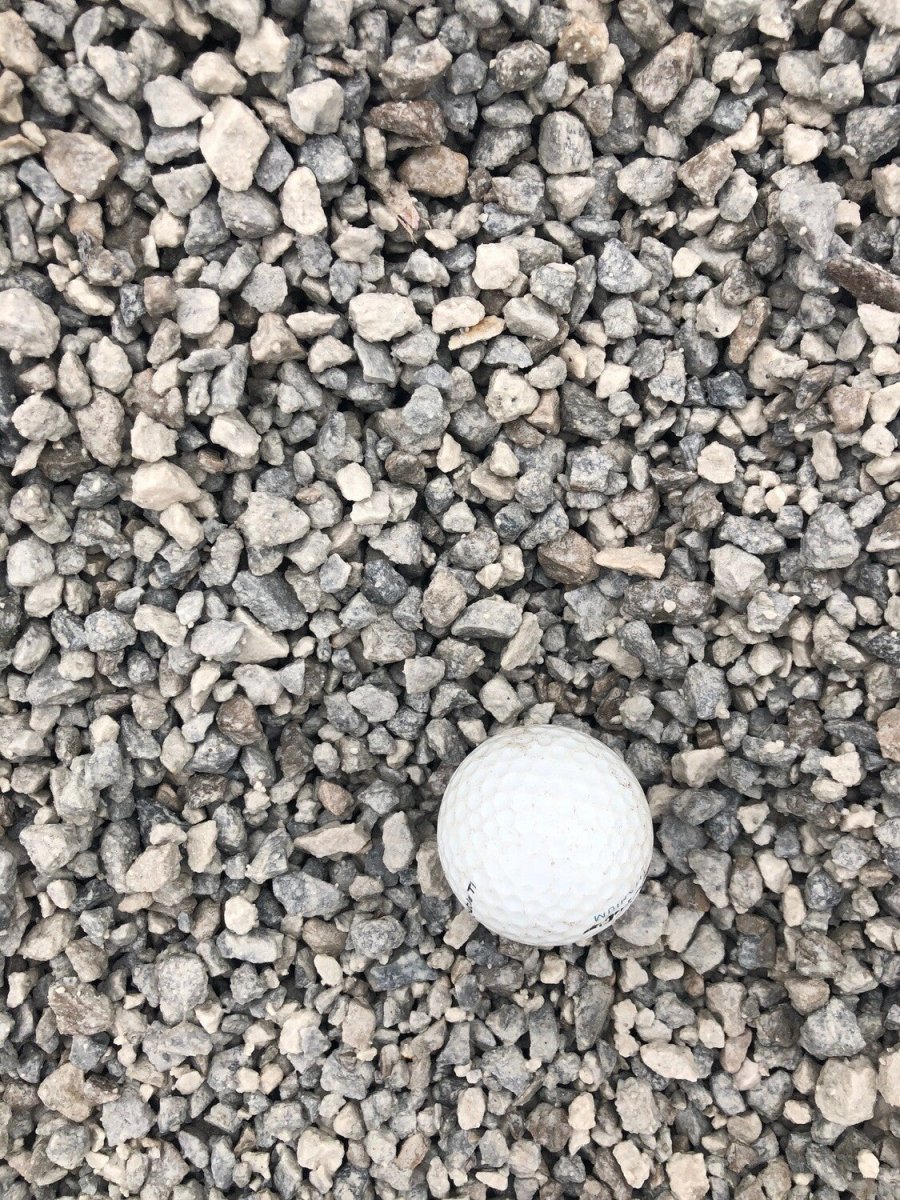
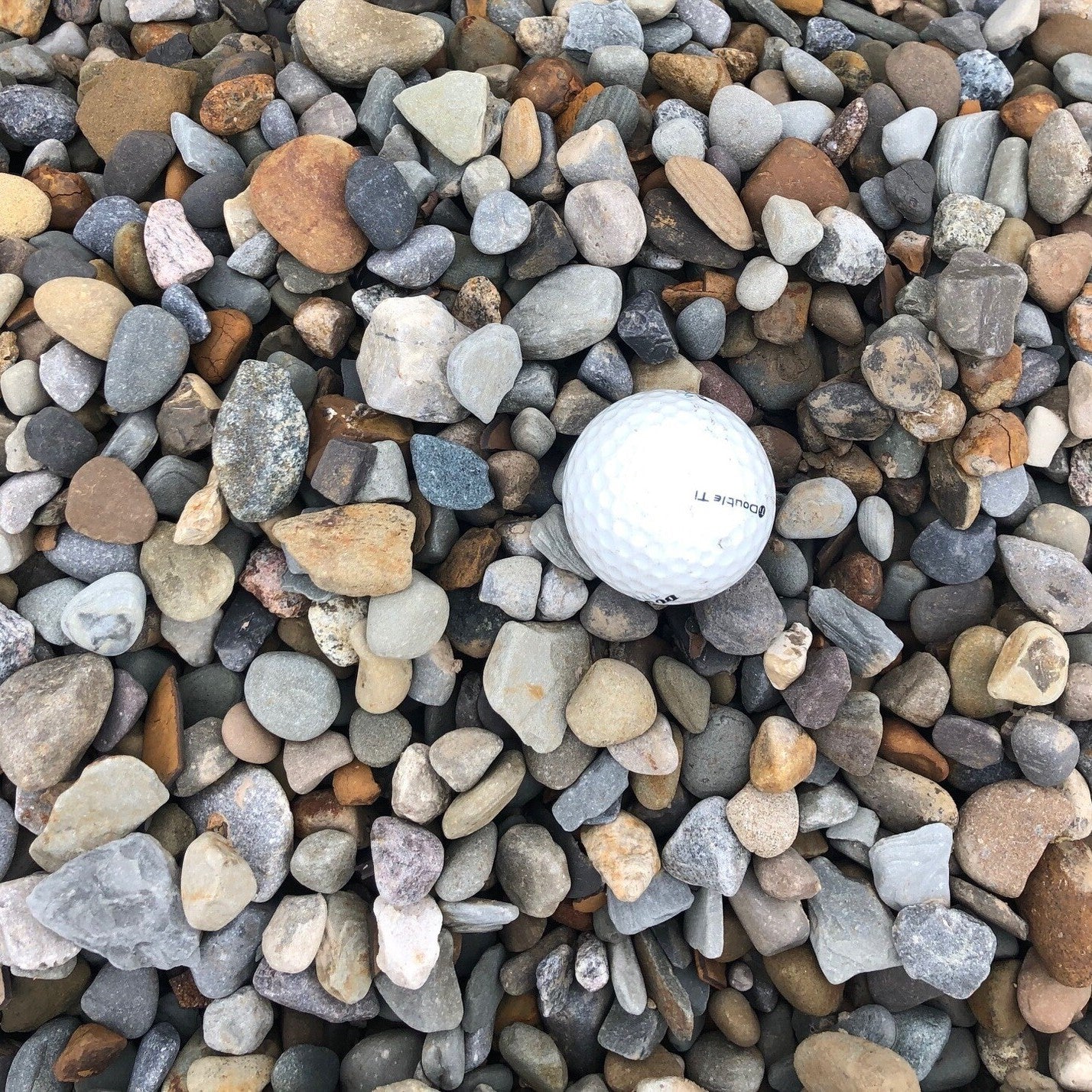
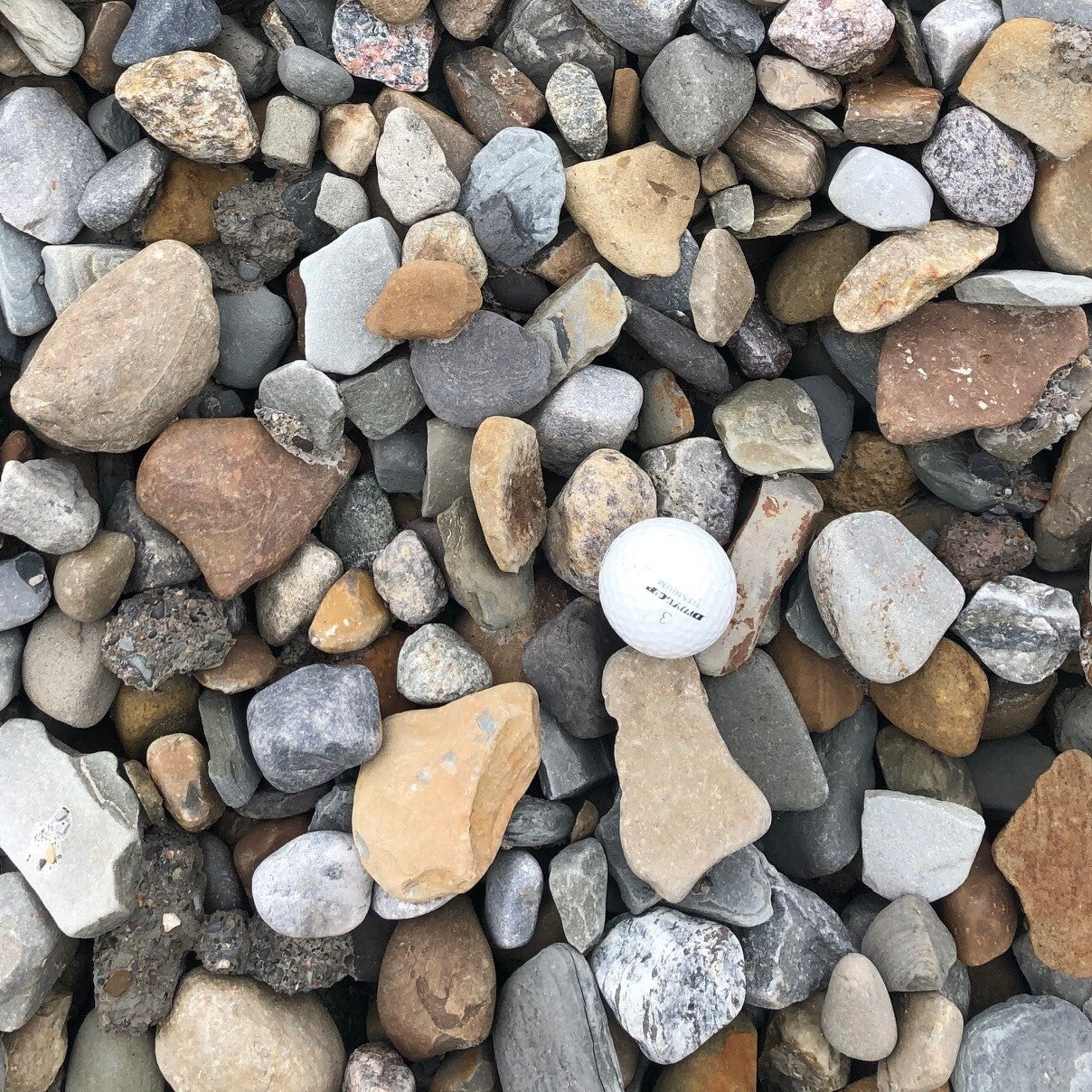
#8 washed gravel: small angular crushed stone perfect for drainage, French drains, and concrete bases.

I used Mulch Mound to have 3 cubic yards of garden soil delivered. The process was easy and I love that I didn't have to call anyone. I placed my order online, picked my delivery date, laid out my tarp and the dirt was delivered. My delivery had to be pushed back, but I was ke...

Most decorative stone applications in Wilmington look and perform best at a 2 to 3 inch depth, which provides adequate coverage without creating an unstable walking surface. Functional drainage applications like swales and French drain trenches typically call for 4 to 6 inches of stone to handle the water volume that Wilmington's spring rainfall produces.
Use our free stone calculator

A yard is approximately 27 cubic feet. As a general guideline, one yard of material can cover an area of about 100-160 square feet at a 2-3 inch depth.

Wilmington Stone Delivery

Wilmington Stone Delivery

4.7
137 reviews
Regular price $87.00 per Yard
Regular price Sale price $87.00
Sale Sold out
Shipping calculated at checkout.
Type
Size
Hand-picked local yards
4,000+ regional deliveries
Dedicated support
Why order through Mulch Mound

The best local , without the guesswork.

We hand-pick and partner with the best yards in your region, keep only the ones our buyers rate well, and back each load with our guarantee.

Mulch Mound Guarantee

If your isn't the quantity or quality you ordered, we'll make it right.

About this stone

#8 washed gravel: small angular crushed stone perfect for drainage, French drains, and concrete bases.

I used Mulch Mound to have 3 cubic yards of garden soil delivered. The process was easy and I love that I didn't have to call anyone. I placed my order online, picked my delivery date, laid out my tarp and the dirt was delivered. My delivery had to be pushed back, but I was ke...

Most decorative stone applications in Wilmington look and perform best at a 2 to 3 inch depth, which provides adequate coverage without creating an unstable walking surface. Functional drainage applications like swales and French drain trenches typically call for 4 to 6 inches of stone to handle the water volume that Wilmington's spring rainfall produces.
Use our free stone calculator

A yard is approximately 27 cubic feet. As a general guideline, one yard of material can cover an area of about 100-160 square feet at a 2-3 inch depth.

View full details

How It Works

Getting started is easy — just follow these simple steps

1

Choose your stone

Make sure you adjust the quantity to your home's needs. You can use our calculator to estimate how much you'll need.

2

Select your delivery date

Select a delivery date you'd like for the product to be dropped off at your home

3

Sit back and wait

Sit back, wait, and let us work our magic to make sure the highest quality product is delivered to your driveway.

From The Mouths of Wilmington Folks

4.7
out of 5 based on 137 reviews
Google Reviews

Need Help Calculating How Much Stone & Gravel You Need?

Use our NEW Trace from Satellite tool to get an estimate for your project based on an aerial view of your property

Try Our Calculator
📍

To estimate your stone order, measure the length and width of your coverage area in feet and multiply them together to get square footage. Divide that number by the coverage rate for your chosen depth, roughly 100 square feet per cubic yard at 3 inches deep, to get your cubic yard total. For irregular shapes like curved pathways or circular fire pit areas, break the space into smaller rectangular sections and add the totals together.

Complete Your Outdoor Stone Project

Stone borders and pathways look their best when combined with well-defined planting beds filled with fresh mulch or quality soil. Pairing bulk stone with a topsoil order lets you complete both the structural and growing elements of your Wilmington landscape project in a single delivery coordination.

Map of the stone delivery area around Wilmington, Ohio

Service area

Areas we deliver stone and gravel in Wilmington, Ohio

Mulch Mound Pro Tip

Wilmington's silt loam soil has a tendency to work its way up into gravel and stone installations over time, especially in high-rainfall years. Installing a layer of quality non-woven landscape fabric beneath any decorative stone bed before you spread material keeps that migration from happening and extends the clean look of your installation by several years. Avoid the thin woven fabrics that tear easily. A heavier non-woven product holds up through multiple freeze-thaw seasons without breaking down.

Mulch Mound Pro Tip

If you are using crushed stone to build a pathway through a lawn area in Wilmington, edge the path firmly on both sides before you spread any stone. The repeated wet and dry cycles the area experiences each year will cause loose edging to shift and allow stone to migrate into the surrounding turf. Steel or aluminum edging staked firmly every 18 inches holds its line through even the most active spring frost cycles and keeps your pathway looking intentional rather than scattered.

Mulch Mound Pro Tip

Decorative stone around Wilmington foundations and downspout splash zones does double duty when you pair it with a buried perforated pipe beneath. The stone handles surface flow from the roof and the pipe channels subsurface water away from the foundation before it can saturate the silt loam soil against the wall. This combination is one of the most effective foundation drainage solutions available for Wilmington homes that sit on flat lots where grading alone cannot move water far enough away from the structure.

The Unique Landscape of Wilmington

Decorative and functional stone is one of the most durable landscaping investments a Wilmington homeowner can make precisely because it does not break down the way organic materials do under the region's 43 inches of annual rainfall. Silt loam soil in Clinton County can erode along slopes and bed edges during heavy spring downpours, and a well-placed stone border or pathway eliminates that problem entirely while adding structure to the landscape. At an elevation of 1,027 feet, Wilmington experiences freeze-thaw cycles that are hard on softer materials, but properly installed stone holds up season after season without heaving, cracking, or losing its appearance. River rock, pea gravel, and crushed limestone each serve different functions in Wilmington landscapes, from decorative ground cover under trees to functional drainage swales that channel water away from foundations during wet spring months. The growing season that runs from late April through mid-October gives Wilmington homeowners a long window to enjoy outdoor spaces, and stone pathways, patios, and borders look good throughout that entire period without the maintenance demands of organic mulch or lawn areas. Whether you are solving a drainage problem, defining a space, or simply reducing the amount of turf you have to maintain, bulk stone is one of the most practical materials available for Wilmington landscapes.

Frequently Asked Questions

Click a question to see the answer

Answer

What type of stone works best for a drainage swale in a Wilmington yard that gets soggy every spring?

For a functional drainage swale in Wilmington, river rock in the 2 to 3 inch range is the most popular choice because it allows water to flow freely through and around the stones while staying in place during heavy rain events. The 43 inches of annual rainfall this area receives means your swale needs to handle real volume, so avoid pea gravel for swale bottoms since it migrates easily under fast-moving water. A layer of landscape fabric under the river rock prevents the silt loam below from working up into the stone over time.

Answer

Will pea gravel shift or wash away in my Wilmington yard during heavy rainstorms?

Pea gravel can migrate on slopes and along edges during significant rainfall events, which is something to think about given Wilmington's spring storm patterns. On flat areas and contained pathways with solid edging on both sides, pea gravel stays in place well and compacts slightly underfoot over time. If your installation area has any slope to it, stepping up to a slightly larger crushed stone gives you more stability without sacrificing the finished look.

Answer

Can I use decorative stone instead of mulch under my trees and shrubs to reduce maintenance?

Stone can be used under trees and shrubs but it comes with some tradeoffs that matter specifically in Wilmington's climate. Stone retains heat and can raise soil temperatures around root zones during summer, which stresses some ornamentals. It also does not add any organic matter to Wilmington's already-compacted silt loam the way mulch does as it breaks down. Stone works best under foundation plantings and in beds with mature, established shrubs rather than newly planted or heat-sensitive specimens.

Answer

How deep should I lay crushed limestone for a gravel driveway or parking pad that handles Ohio winters?

For a stable gravel driveway or parking area in Wilmington, a compacted base of 4 to 6 inches of crushed limestone is the standard starting point. Wilmington's freeze-thaw cycles over winter can shift a poorly prepared base, so compacting the limestone in two separate lifts rather than all at once gives you a much more stable surface. A topped layer of finer crushed stone locks the surface together and reduces tire rutting over time.

Answer

How much stone do I need to cover my Wilmington backyard fire pit area and what size looks best?

For a fire pit surround area, most Wilmington homeowners choose a 10 to 12 foot diameter circle, which works out to roughly 0.75 to 1 cubic yard of stone at a 2 inch depth. River rock in the 1 to 2 inch range or pea gravel both look great in this application and stay cool enough underfoot for barefoot use in the evening. Mark your circle with a garden hose before you order so you can measure accurately and avoid over-ordering.

Answer

Does stone mulch help or hurt drainage around a Wilmington home foundation?

Stone installed in a properly graded foundation bed actually improves drainage compared to bare soil by keeping the soil surface from crusting over. The key in Wilmington is making sure the grade beneath the stone slopes away from the foundation at a minimum of 1 inch drop per foot for the first 6 feet. If the grade is flat or pitches toward the house, stone alone will not fix the drainage problem and water will still find its way to the foundation wall during heavy spring rains.

Answer

Is there a particular stone that handles Wilmington's freeze-thaw winters without cracking or shifting badly?

Rounded river rock and natural fieldstone handle freeze-thaw cycles better than angular crushed limestone in decorative applications because they do not absorb as much water into surface pores. For functional uses like pathways and patios, a compacted crushed limestone base with a capstone layer of flagstone or larger flat river rock gives you the stability needed to withstand Wilmington's winter ground movement. Whatever material you choose, proper base preparation below the frost line is the single biggest factor in how well your installation holds up over multiple winters.