




From the time I placed the order to the delivery it was quick and professional. I will highly recommend and will use them from now on.
About this landscape rock
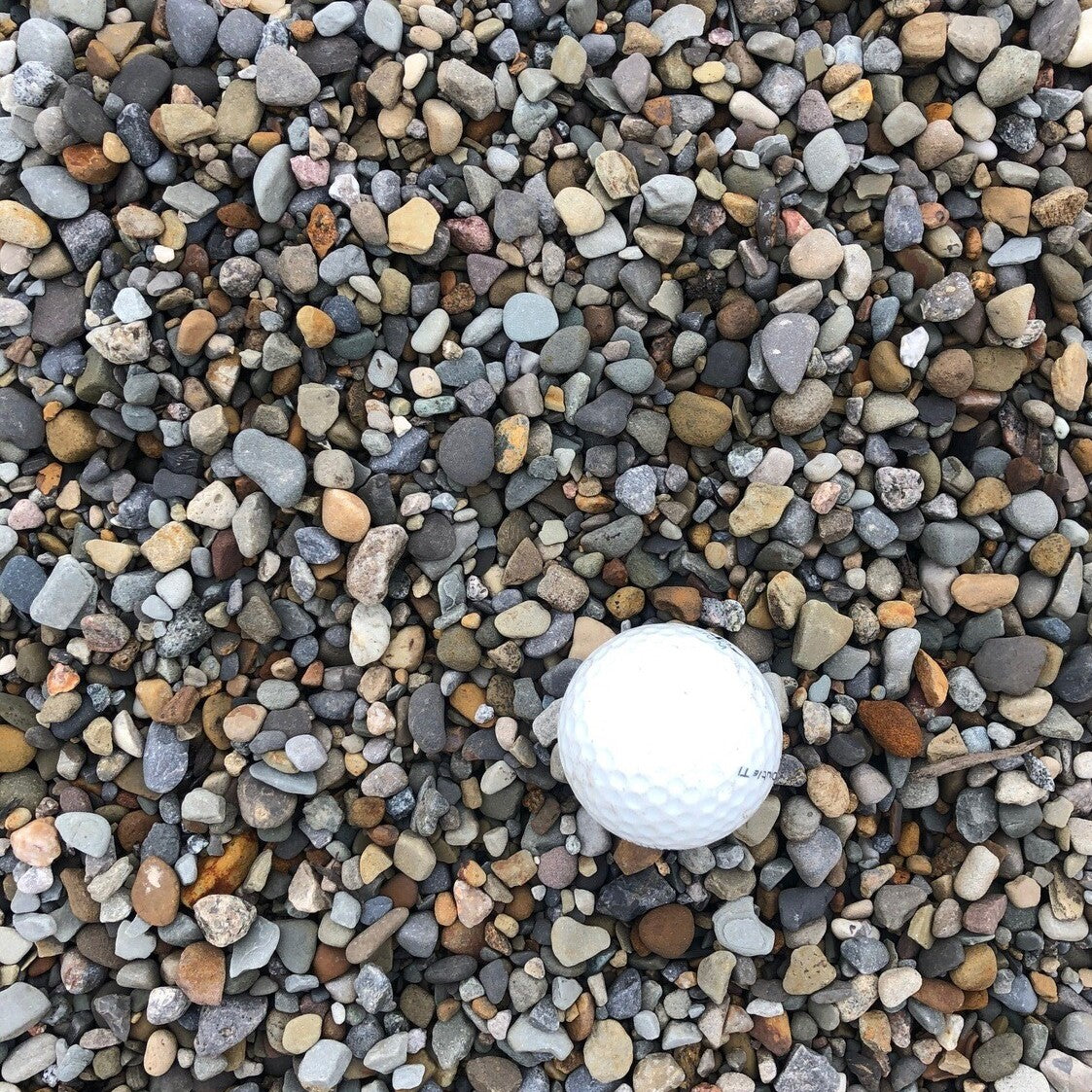
Weathered granite in a fines and chip blend that compacts into a firm natural path surface.
From the time I placed the order to the delivery it was quick and professional. I will highly recommend and will use them from now on.
Tell us what you're looking for
Thanks! We received your request.
Something went wrong. Please try again.
How Much Landscape Rock Do I Need?
How Much Landscape Rock Do I Need?
At the standard 2 to 3 inch install depth, one cubic yard of rock covers roughly 162 square feet at the shallow end of that range. Measure your bed's length and width, decide if you want 2 or 3 inches deep, and order in full cubic yard amounts since this material is delivered loose, not bagged. Most foundation borders and small front beds in this city run between 2 and 5 cubic yards.
Use our free stone calculator
What is a Yard?
What is a Yard?
FAQs
FAQs
Wisconsin Rapids Landscape Rock Delivery
Wisconsin Rapids Landscape Rock Delivery
Regular price
$101.00
per
Yard
Regular price
Sale price
$101.00
Unit price
per
Shipping calculated at checkout.
Minimum of 3 Yard
Couldn't load pickup availability
Not currently available
We can't take orders for this right now. Tell us what you need and we'll get back to you.
Hand-picked local yards
4,000+ regional deliveries
Dedicated support
Why order through Mulch Mound
The best local landscape rock, without the guesswork.
We hand-pick and partner with the best yards in your region, keep only the ones our buyers rate well, and back each load with our guarantee.
Mulch Mound Guarantee
If your landscape rock isn't the quantity or quality you ordered, we'll make it right.
About this landscape rock
Weathered granite in a fines and chip blend that compacts into a firm natural path surface.
From the time I placed the order to the delivery it was quick and professional. I will highly recommend and will use them from now on.
How Much Landscape Rock Do I Need?
How Much Landscape Rock Do I Need?
At the standard 2 to 3 inch install depth, one cubic yard of rock covers roughly 162 square feet at the shallow end of that range. Measure your bed's length and width, decide if you want 2 or 3 inches deep, and order in full cubic yard amounts since this material is delivered loose, not bagged. Most foundation borders and small front beds in this city run between 2 and 5 cubic yards.
Use our free stone calculator
What is a Yard?
What is a Yard?
FAQs
FAQs
Tell us what you're looking for
Thanks! We received your request.
Something went wrong. Please try again.
How It Works
Getting started is easy — just follow these simple steps
1
Choose your quantity
Adjust the quantity to match your project. One cubic yard covers about 100 to 160 square feet at a 2 to 3 inch depth.
2
Select your delivery date
Select a delivery date you'd like for the product to be dropped off at your home
3
Sit back and wait
Sit back, wait, and let us work our magic to make sure the highest quality product is delivered to your driveway.

Great experience with mulch mound. Their online calculator made it easy to estimate how many yards of mulch I needed and delivery was quick. I woul...
Read full review
Great experience with mulch mound. Their online calculator made it easy to estimate how many yards of mulch I needed and delivery was quick. I would definitely recommend them for your future projects.

We needed mulch for our HOA common areas. Local providers were all holding high prices even for 40 yards of mulch. Mulch mound was easy to wowith...
Read full review
We needed mulch for our HOA common areas. Local providers were all holding high prices even for 40 yards of mulch. Mulch mound was easy to wowith & has great price for natural mulch + delivery schedule options. They called before delivery to ensure Delivery was exactly where we wanted it.
Complete Your Outdoor Project
Landscape fabric underneath is worth doing right the first time, since pulling rock back up to relay fabric later is real work. Steel or aluminum edging keeps the stone from migrating into the lawn, especially useful along driveways near downtown Wisconsin Rapids where snow plows push against the edge all winter. Some customers pair a rock border with mulch in the planting beds further from the house, using rock only where they want a permanent, no maintenance strip.



Mulch Mound Pro Tip
In sandy loam soils like the ones common around Wisconsin Rapids, skip landscape fabric if you are planting anything nearby, since fabric blocks water and nutrients from reaching roots even though it stops weeds well under pure rock beds. For foundation strips with no plantings, fabric is worth it and will hold up for a decade or more without breaking down.
Mulch Mound Pro Tip
The most common mistake we see locally is installing rock right up against wood siding or fence posts. Rock holds moisture against wood longer than mulch does once it rains, and freeze thaw cycles here make that worse. Leave a few inches of bare soil or gravel buffer between rock and any wood contact point to avoid rot over a few winters.
Mulch Mound Pro Tip
Rock is a one time cost compared to mulch, which most people refresh every year or two. If you are budgeting long term for a Wisconsin Rapids property, a rock bed installed correctly this year can outlast five separate mulch deliveries, which matters more once you factor in the labor of spreading it each spring.
Decorative Stone in Wisconsin Rapids
Sandy loam around Wisconsin Rapids drains well already, so rock beds here rarely turn into mud pits the way they do in heavier clay soils. The tradeoff is that this soil dries out fast in summer, which is exactly why rock over fabric works well against foundations and in front yards that get full sun. With winters dropping hard toward zone 5a lows and a frost season running October to mid May, you want a material that will not heave or wash out during freeze thaw cycles, and screened rock handles that better than bark mulch does. It is a common choice for the ranch and split level homes near the river where owners want a permanent, low fuss front bed.
What Landscape Rock Is
Landscape rock is stone chosen for how it looks as much as what it does. River rock is smooth and rounded, decomposed granite is fine and packs firm underfoot. Both are sold by the cubic yard for beds, borders, paths, and dry creek beds.
River Rock vs Decomposed Granite
River rock stays loose and rolls, so it suits beds, borders, and drainage runs where it can sit in place. Decomposed granite compacts into a firm surface, so it suits paths, patios, and anywhere you will walk or roll a wheelbarrow.
Depth and Coverage
Spread river rock 2 to 3 inches deep over landscape fabric so it stays put and weeds stay down. Lay decomposed granite 3 to 4 inches deep, wet it, and compact it in lifts for a surface that sheds water instead of rutting.