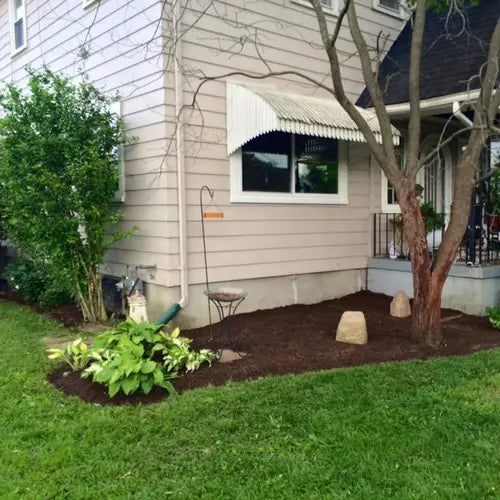
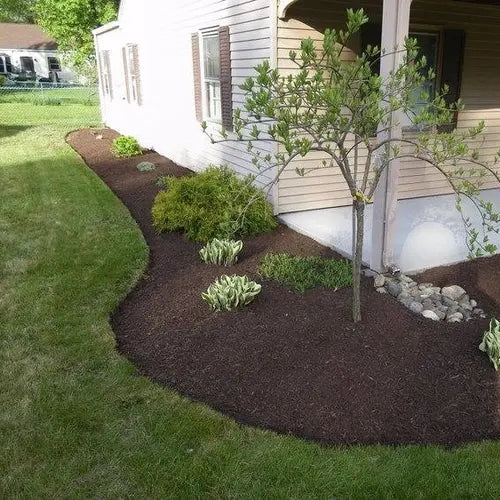
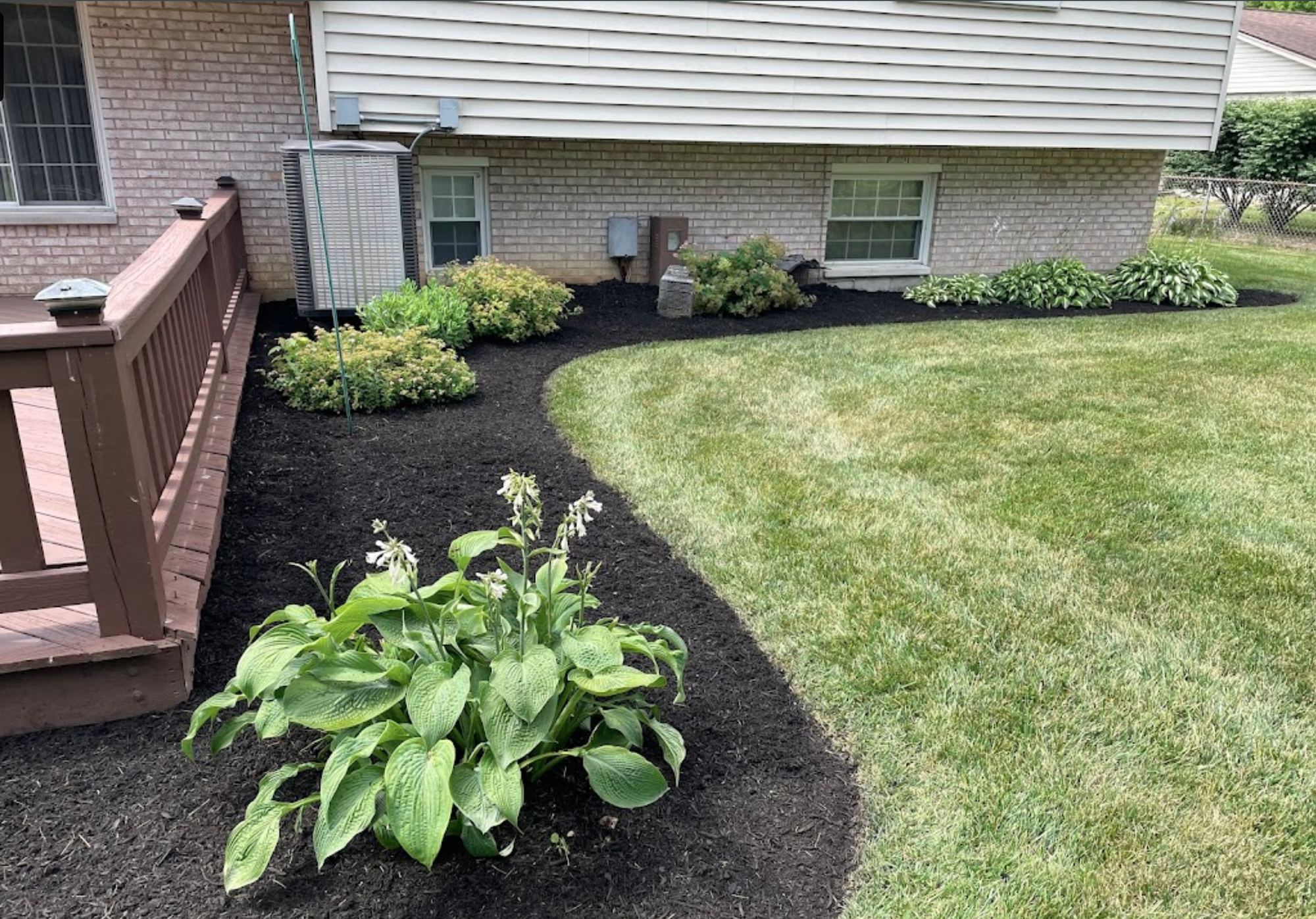
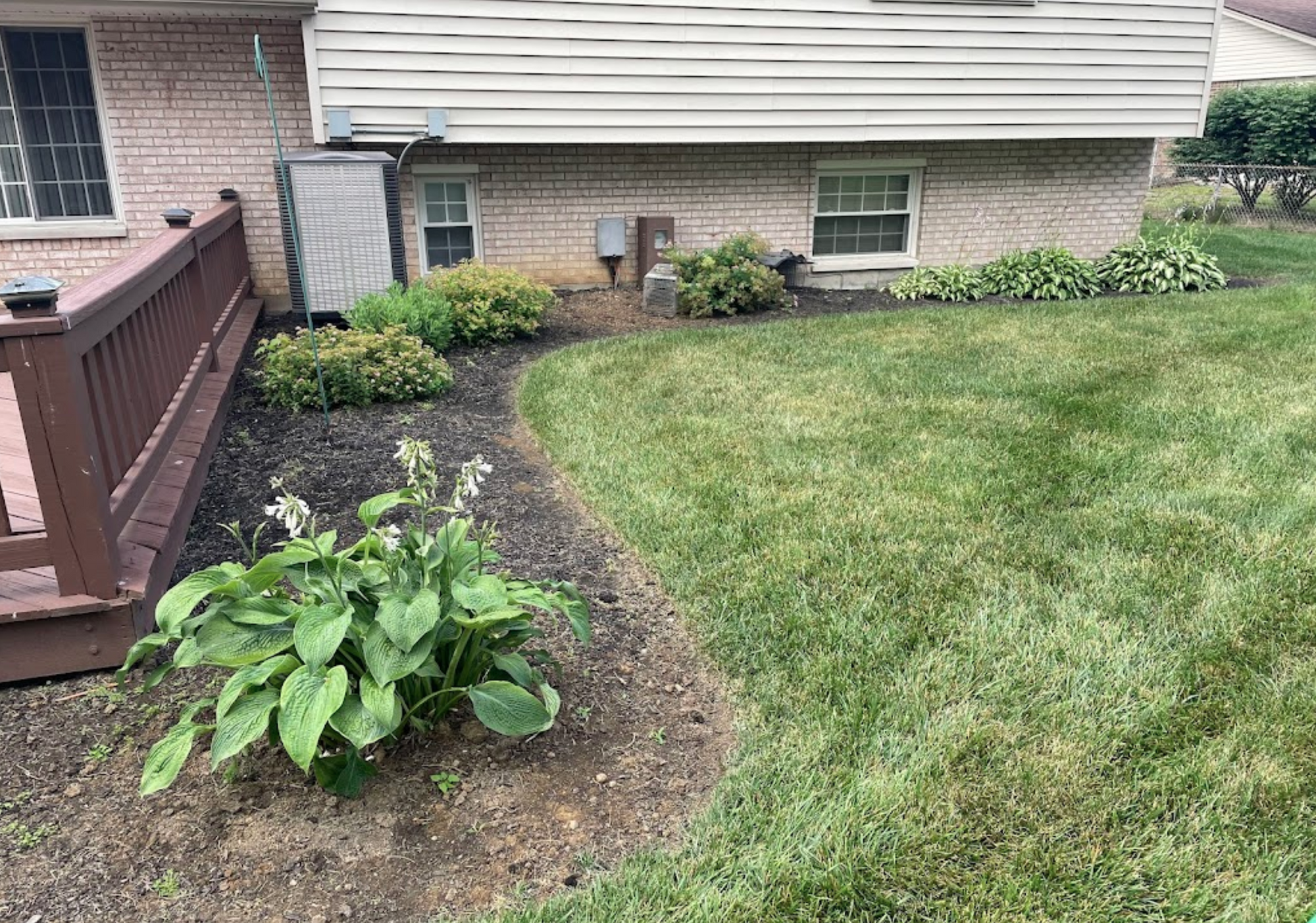
Delivery was on time and great quality Mulch. Got it done in a reasonable time and yard looks great. Couldn’t be happier!!! Thank you and will use again!!
Tell us what you're looking for
Thanks! We received your request.
Something went wrong. Please try again.
How Much Material Do I Need?
Plan for 3 inches of mulch across most planting areas in Yonkers, dropping to 2 inches around shallow-rooted perennials and groundcovers. Order a little extra if your beds slope, since material settles and shifts downhill over a Yonkers winter.
Use our free mulch calculator
What is a yard?
A yard is approximately 27 cubic feet. As a general guideline, one yard of material can cover an area of about 100-160 square feet at a 2-3 inch depth.
Delivery was on time and great quality Mulch. Got it done in a reasonable time and yard looks great. Couldn’t be happier!!! Thank you and will use again!!
How Much Material Do I Need?
Plan for 3 inches of mulch across most planting areas in Yonkers, dropping to 2 inches around shallow-rooted perennials and groundcovers. Order a little extra if your beds slope, since material settles and shifts downhill over a Yonkers winter.
Use our free mulch calculator
What is a yard?
A yard is approximately 27 cubic feet. As a general guideline, one yard of material can cover an area of about 100-160 square feet at a 2-3 inch depth.
Delivery was on time and great quality Mulch. Got it done in a reasonable time and yard looks great. Couldn’t be happier!!! Thank you and will us...
Read full review
Delivery was on time and great quality Mulch. Got it done in a reasonable time and yard looks great. Couldn’t be happier!!! Thank you and will use again!!
Mulch Mound delivered a yard of pea gravel to us. Delivery was on time, driver was friendly and hit a bullseye on the “tarp target”. We used the ...
Read full review
Mulch Mound delivered a yard of pea gravel to us. Delivery was on time, driver was friendly and hit a bullseye on the “tarp target”. We used the pea gravel (which was diameter as specified) to fill several muskrat holes around our pond. I would definitely recommend Mulch Mound to a friend!
I can’t say enough good things about Mulch Mound! If you read my review below you will see I had a problem with my order. Mulch Mou...
Read full review
UPDATE!
I can’t say enough good things about Mulch Mound! If you read my review below you will see I had a problem with my order. Mulch Mound was quick to respond and solved the issue with my delivery. Will definitely be a customer next year.
First time purchase from Mulch Mound!! First what I liked! Easy to order online and straight forward pricing and delivery. The driver was on time and courteous and delivered my Mulch exactly where I requested! The product is of good quality and comparable to others I have purchased from before. Now what I DID’NT LIKE! I have been mulching the same house and yard for almost 20 years. I always order the same amount and don’t have any issues with covering the same area but this year I fell about a yard short. I was home when the mulch was delivered and when the driver dumped it I noticed that it seemed a bit less than I was used to. I didn’t apply it any thicker than usual and probably a bit thinner than usual because I was worried about running out.
Measure the length and width of each planting bed in feet, then multiply those two numbers together to get the square footage. Divide the total square footage by 108 to find how many cubic yards you need at a 3-inch depth, which is the right starting point for most Yonkers beds. Add together the square footage of all your separate beds before dividing so you place a single efficient order.
Mulch vs. No Mulch: The Difference
Yonkers's combination of warm humid summers and cold winters with freeze-thaw cycles from November through March creates conditions where organic mulch breaks down at a moderate but consistent pace. That breakdown is actually beneficial in this climate because it continually feeds the loam soil beneath, but it also means bare beds without mulch lose their structure and moisture-holding capacity faster than homeowners expect. Choosing the right mulch type for Yonkers means balancing how quickly you want organic input against how often you are willing to refresh the top layer.
Before
After
Best Mulch Choice for Yonkers Lawns
Most yards in the Yonkers area sit on type of soil. Yonkers loam soil holds nutrients well but it can compact gradually under the pressure of 50 inches of annual rainfall hitting unprotected surfaces in planting beds. A consistent mulch layer acts as a cushion that absorbs raindrop energy and keeps the loam beneath from sealing over, which maintains the loose structure that plant roots depend on.
Hardwood Mulch
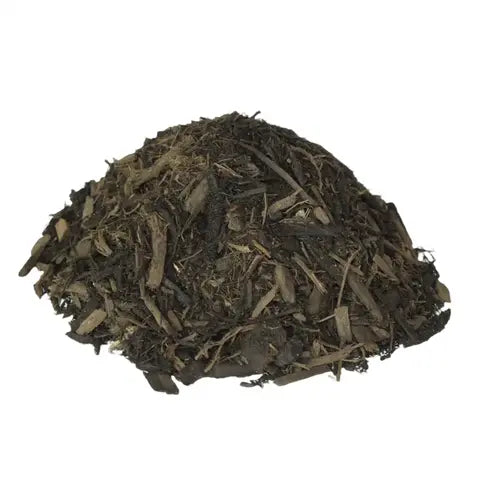
Hardwood mulch is a strong fit for Yonkers loam because its slower decomposition rate releases carbon and organic acids gradually, which supports the microbial communities that make loam soil so productive. As hardwood mulch breaks down through a Yonkers summer it improves the loam's ability to hold moisture between rain events without becoming waterlogged, striking the balance that Zone 7b plants need.
Complete Your Outdoor Mulch Project
Pairing bulk mulch with a quality garden soil or compost blend lets you refresh your bed depth before spreading the top layer. Browse our soil options to find a mix that works well with Yonkers loam.
Yonkers homeowners often underestimate how much mulch settles in the first month after delivery. Fresh mulch can compress by half an inch or more as it absorbs rain and foot traffic, especially during the wet spring weeks following the April 5 last frost. Order about 10 percent more than your calculator estimate and keep the excess for touching up thin spots before summer heat arrives. A consistent depth all season is what gives you the best moisture and temperature results.
Mulch Mound Pro Tip
If you have mature trees in your Yonkers yard, extend your mulch rings as far out as the drip line rather than stopping at a narrow circle near the trunk. Yonkers trees growing in loam soil develop wide lateral root systems that sit just below the surface, and those roots benefit from mulch protection all the way out to the canopy edge. This is especially valuable heading into the freeze-thaw cycles that begin in November, when unprotected surface roots can heave and dry out.
Mulch Mound Pro Tip
With 50 inches of annual rainfall, Yonkers gardens can develop a phenomenon called mulch matting, where the top surface of older mulch compacts into a crust that actually sheds water instead of absorbing it. Before adding a fresh layer each spring, take a rake and break up the existing surface so the new material integrates with the old layer and rainfall can move freely down to your loam soil. This simple step takes 20 minutes and makes a measurable difference in how your beds hold moisture through July and August.
Frequently Asked Questions
Click a question to see the answer
Answer
How thick should I apply mulch around my plant beds given how much rain Yonkers gets each year?
With 50 inches of annual rainfall, Yonkers gardens benefit from a mulch layer of 3 inches in most planting beds. That depth is enough to slow evaporation during summer dry spells without creating a soggy mat that traps too much moisture against plant crowns during the wetter months of April and October. Avoid piling mulch directly against tree trunks or shrub stems, which can cause rot.
Answer
When is the best time of year to mulch in Yonkers?
The two most effective windows in Yonkers are mid-April, shortly after the last average frost date of April 5, and late October before the first frost typically arrives on November 5. Applying in mid-April gives your soil a head start on moisture retention as the growing season opens. The fall application insulates root systems through winter and breaks down slowly, enriching your loam soil by the time spring planting begins.
Answer
Will mulch help with the drainage issues in my Yonkers backyard?
Mulch helps slow surface runoff, which can make a real difference during the heavy rain events that Yonkers receives, but it is not a substitute for addressing underlying drainage problems. If water is pooling for more than an hour or two after rain, you may have compaction deeper in the soil profile. In that case, pairing a fresh mulch application with amendments to the loam below will produce better long-term results.
Answer
How quickly does mulch break down in a Zone 7b climate like Yonkers?
In Yonkers's Zone 7b conditions, hardwood mulch typically takes 12 to 18 months to break down noticeably, depending on how wet and warm the season runs. A longer humid summer accelerates decomposition, which means you will usually want to top off beds with a fresh inch each spring. Cedar and dyed mulches break down more slowly, which is useful if you want longer color retention through the growing season.
Answer
Does the color of mulch matter for plants in my Yonkers garden?
Color itself does not affect plant health, but darker mulches absorb more solar radiation and can raise soil temperature slightly, which is helpful in early April when Yonkers soils are still cool. Black mulch used in full-sun beds may contribute to faster evaporation on hot July days, so lighter shades like brown or natural hardwood can be a practical choice for beds that get six or more hours of direct sun.
Answer
How many cubic yards of mulch do I need for a typical Yonkers row-house side yard?
A narrow side yard that runs roughly 4 feet wide by 40 feet long needs about 1.5 to 2 cubic yards of mulch at a 3-inch depth. If you also have foundation planting beds wrapping the front of the home, another 1 to 2 yards is usually enough to cover those areas properly. Our online calculator can give you a precise figure once you enter your actual measurements.
Answer
Is there a mulch type that works best with the loam soil that is common in Yonkers?
Hardwood bark mulch is an excellent match for Yonkers loam because as it decomposes it adds organic material that keeps loam from becoming too dense over time. Loam is already a balanced soil but it benefits from the slow feed of organic mulch, especially in older Yonkers yards where decades of foot traffic and seasonal freeze-thaw cycles have reduced the soil structure. Avoid rubber mulch in beds where you want long-term soil improvement.
The Unique Landscape of Yonkers
Yonkers sits in USDA Growing Zone 7b, which means your landscape endures genuine seasonal swings, from cold November frosts arriving around the fifth of the month to a last frost in early April that keeps spring planting on a tight schedule. With roughly 50 inches of rainfall spread across the year, moisture management is one of the most important factors in keeping your plant beds healthy and your soil from washing away during heavy downpours. The native loam soil in Yonkers is a good foundation, but without a protective mulch layer it loses moisture quickly during the dry stretches of July and August and compacts under repeated rain events. A consistent mulch layer acts as a buffer between your plants and Yonkers's weather extremes, regulating soil temperature as late cold snaps push into early May and heat builds through summer. Mulching also feeds Yonkers's loam over time, adding organic matter that keeps the structure loose and nutrient-rich through the growing season. Getting the right mulch in the right quantity makes the difference between a landscape that simply survives and one that thrives through a full Yonkers calendar year.