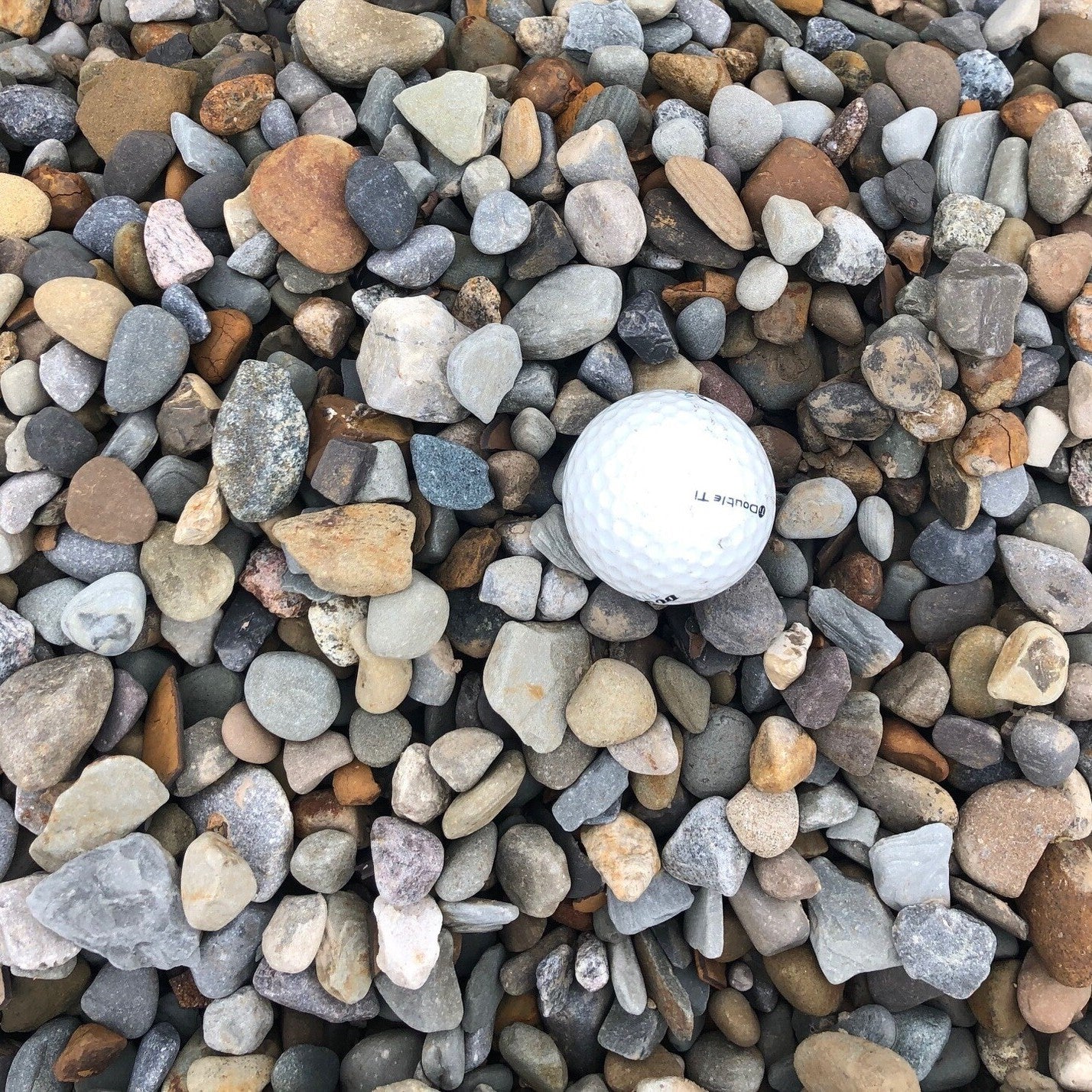
Number 57 crushed stone, angular limestone graded to about three quarters of an inch. The standard driveway, base and drainage gravel, it locks together under traffic and drains fast.
My experience with Mulch Mound was great and super easy. I ordered two yards of screened topsoil and was able to get it delivered within 2 days. They came in my requested time frame (afternoon) and dropped it off where I asked on my driveway. The topsoil was exactly what was a...
Tell us what you're looking for
Thanks! We received your request.
Something went wrong. Please try again.
How Much Material Do I Need?
Most decorative stone projects in Yonkers work well at a 2 to 3 inch depth, while drainage and erosion control applications call for 4 to 6 inches to handle the volume of water the city receives annually. Order slightly more than your estimate if your area has any slope, since material shifts downhill over time and you will want extra to top off thin spots.
Use our free gravel calculator
What is a Yard?
A yard is approximately 27 cubic feet. As a general guideline, one yard of material can cover an area of about 100-160 square feet at a 2-3 inch depth.
We can't take orders for this right now. Tell us what you need and we'll get back to you.
What do you need?
Thanks! We received your request.
Something went wrong. Please try again.
Hand-picked local yards
4,000+ regional deliveries
Dedicated support
Why order through Mulch Mound
The best local , without the guesswork.
We hand-pick and partner with the best yards in your region, keep only the ones our buyers rate well, and back each load with our guarantee.
Mulch Mound Guarantee
If your isn't the quantity or quality you ordered, we'll make it right.
About this stone
Number 57 crushed stone, angular limestone graded to about three quarters of an inch. The standard driveway, base and drainage gravel, it locks together under traffic and drains fast.
My experience with Mulch Mound was great and super easy. I ordered two yards of screened topsoil and was able to get it delivered within 2 days. They came in my requested time frame (afternoon) and dropped it off where I asked on my driveway. The topsoil was exactly what was a...
How Much Material Do I Need?
Most decorative stone projects in Yonkers work well at a 2 to 3 inch depth, while drainage and erosion control applications call for 4 to 6 inches to handle the volume of water the city receives annually. Order slightly more than your estimate if your area has any slope, since material shifts downhill over time and you will want extra to top off thin spots.
Use our free gravel calculator
What is a Yard?
A yard is approximately 27 cubic feet. As a general guideline, one yard of material can cover an area of about 100-160 square feet at a 2-3 inch depth.
My experience with Mulch Mound was great and super easy. I ordered two yards of screened topsoil and was able to get it delivered within 2 days. Th...
Read full review
My experience with Mulch Mound was great and super easy. I ordered two yards of screened topsoil and was able to get it delivered within 2 days. They came in my requested time frame (afternoon) and dropped it off where I asked on my driveway. The topsoil was exactly what was advertised, clean with no rocks or other debris. The price was reasonable. I plan to use them again in a couple weeks to order compost for my garden beds.
Really appreciate the care and follow thru that this company had with our order. A hiccup came up but they were quick to respond and address all co...
Read full review
Really appreciate the care and follow thru that this company had with our order. A hiccup came up but they were quick to respond and address all concerns, which made our garden day a success! Thank you for your prompt care.
Measure the length and width of your project area in feet and multiply them together for square footage. Then decide on the depth in inches, which is typically 2 to 3 inches for decorative stone and 4 to 6 inches for drainage applications. Multiply the square footage by the depth in inches, then divide by 324 to get the cubic yards you need.
Complete Your Outdoor Stone Project
Many Yonkers stone projects pair well with a layer of landscape fabric underneath to suppress weeds without blocking drainage. Check our soil products if you are also building up planting areas adjacent to your new stone installation.
In Yonkers yards with mature tree roots near the surface, laying landscape stone without a proper sand or gravel base can lead to an uneven surface within a season or two as roots grow and shift. Before spreading any decorative stone, install a 2-inch layer of compacted coarse sand or fine gravel as a leveling base. This gives the stone a stable platform that can be re-leveled easily in spring if tree roots do cause minor heaving through the freeze-thaw period from November into March.
Mulch Mound Pro Tip
Yonkers homeowners using stone for driveway edging or along sidewalks should choose a harder stone type like granite chip or quartzite rather than softer limestone. Salt applied to walks and driveways during winter snow events can degrade softer stone over several seasons, leaving a chalky or pitted surface. Harder stone holds its appearance through years of Yonkers winters and is easier to clean in spring. The initial cost difference is modest but the long-term durability is significantly better in a climate with real winter.
Mulch Mound Pro Tip
If you are installing a large stone area in your Yonkers yard, think about how the material will interact with the 50 inches of annual rainfall before you finalize the layout. Impermeable stone surfaces like tightly packed flagstone can redirect significant amounts of water toward your foundation or neighboring properties. Leaving small gaps between stones and using a permeable base layer of crushed stone allows rainfall to move through the installation and into the soil below rather than running off in a concentrated flow. This approach also keeps the surface from becoming slippery during the wet seasons.
The Unique Landscape of Yonkers
Yonkers receives about 50 inches of rainfall each year, and managing where that water goes once it hits your property is one of the most practical challenges a homeowner faces in this city. Landscape stone is one of the most durable and effective tools for directing runoff, stabilizing slopes, and creating surfaces that hold up through decades of seasonal change without the maintenance demands of organic materials. Growing in Zone 7b means your landscape endures genuine temperature swings, from summer highs that heat paved and mulched surfaces significantly to winter freeze-thaw cycles that begin around November 5 and last through early April. Natural stone handles those temperature extremes without breaking down the way organic materials do, making it a long-term investment rather than an annual replacement. The loam soil common throughout Yonkers provides a stable base for stone installations when properly prepared, and the combination of good native soil and quality stone creates paths, borders, and drainage features that last for years. Whether you are building a dry creek bed to handle roof runoff, setting a flagstone path, or edging beds along the front of your home, bulk stone delivery is the most practical way to get the volume you need.
Frequently Asked Questions
Click a question to see the answer
Answer
What type of stone works best for a dry creek bed to handle runoff in my Yonkers yard?
A dry creek bed in Yonkers should use a combination of river rock in the 2 to 3 inch range for the main channel and smaller pea gravel or washed stone along the edges to create a natural look while still moving water effectively. With 50 inches of annual rainfall, Yonkers yards can move a significant volume of water during heavy storms, so size matters. Stones that are too small will wash out of the channel during strong rain events. River rock is rounded, which allows water to move through the channel quickly without creating blockage points.
Answer
Will landscape stone hold up through a Yonkers winter without cracking or shifting?
Natural stone is one of the most winter-resilient materials you can use in a Yonkers landscape. The freeze-thaw cycles that run from November through March can shift mortar-set stone if moisture gets behind it, but dry-laid stone and loose-fill applications move slightly with the freeze-thaw and settle back without damage. The key is proper base preparation. A compacted gravel base beneath any dry-laid stone installation gives the material room to move slightly without heaving in a way that disrupts the layout.
Answer
How do I use stone to stop erosion on the sloped sections of my Yonkers property?
Slopes in Yonkers are a genuine erosion risk given the combination of terrain and rainfall volume. A riprap installation, which uses angular stone in the 4 to 6 inch range placed directly on the slope, is one of the most effective approaches for moderate grades. The irregular shape of riprap locks together and resists displacement better than rounded stone on a slope. For steeper grades, a dry-stacked stone retaining wall combined with riprap at the base handles both the structural and erosion concerns.
Answer
How much stone do I need for a gravel pathway through my backyard garden in Yonkers?
A backyard path that runs 3 feet wide by 30 feet long at a 3-inch depth needs about 1 cubic yard of stone. That depth is important in Yonkers because it is deep enough to stay in place through rainfall and freeze-thaw events without requiring a thick concrete base. Pea gravel and crushed stone are both practical choices for garden paths, with crushed stone compacting more firmly underfoot and pea gravel offering a softer, more decorative finish.
Answer
Can I use decorative stone instead of mulch in my Yonkers planting beds?
You can, but it is worth thinking through the tradeoffs for a Zone 7b climate like Yonkers. Stone mulch does not break down or need annual replacement, which is an advantage, but it also does not contribute organic matter to your loam soil the way wood mulch does. Dark stone can absorb significant heat in Yonkers's summer sun and raise the soil temperature around plant roots. Light-colored river rock or pea gravel is a better fit for beds with heat-sensitive plants. Stone works very well as a permanent ground cover in low-traffic areas where you want a clean look with no seasonal maintenance.
Answer
Is crushed stone or river rock better for drainage around my Yonkers home foundation?
Crushed stone is the better choice for foundation drainage in Yonkers. Its angular edges create more void space than rounded river rock, which allows water to move through the stone layer quickly and away from the foundation. A 6-inch layer of crushed stone along the foundation perimeter, graded to slope slightly away from the house, handles a significant portion of the water that Yonkers's 50 inches of annual rainfall can send toward your foundation. River rock is better suited for visible decorative applications where drainage is secondary.
Answer
How do I keep my stone pathway or patio looking clean through a Yonkers winter?
The main challenge with stone surfaces through a Yonkers winter is the moss and algae that can develop in shaded areas during the wet months from November through March. A light rinse with a diluted outdoor cleaner in early spring handles most discoloration. For loose gravel paths, raking the surface level in spring restores evenness after freeze-thaw cycles have pushed material around. Edging your stone paths with a solid border material keeps gravel from migrating into lawn areas during snow removal.