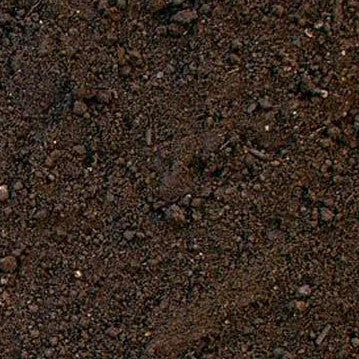
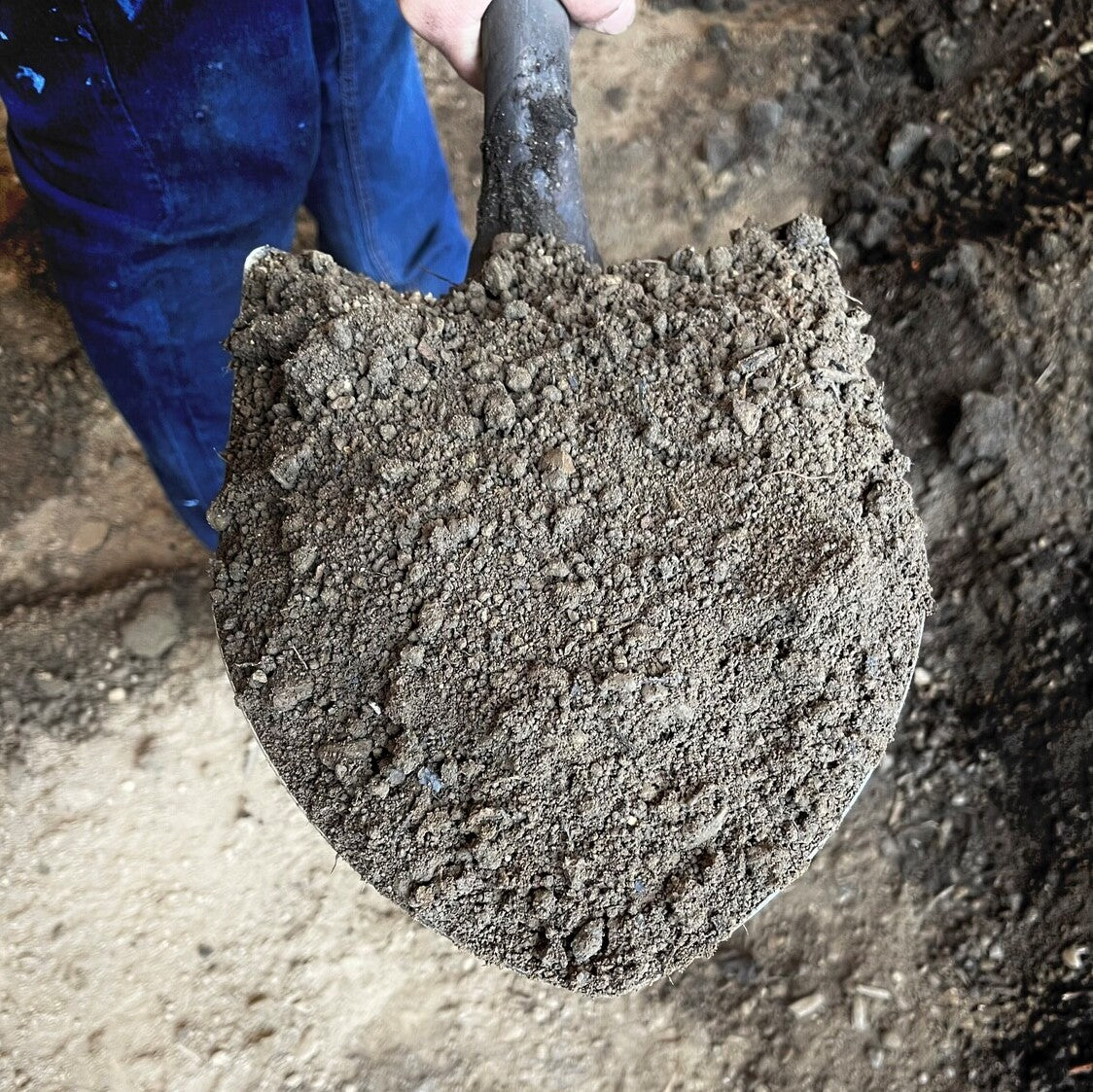
The website was intuitive and easy to navigate. The material was delivered the date and time it was scheduled, it was dropped off in the area i had specified on top of my tarp with no issues.
I ordered soil, the Gardening Blend that I received had too many plastic and m...
Tell us what you're looking for
Thanks! We received your request.
Something went wrong. Please try again.
How Much Material Do I Need?
New planting beds in Yonkers generally need 6 to 8 inches of quality topsoil to support healthy root development through the Zone 7b growing season. Raised beds should be filled to at least 12 inches deep to give vegetables and perennials enough room to establish before summer heat peaks.
Use our free soil calculator
What is a Yard?
A yard is approximately 27 cubic feet. As a general guideline, one yard of material can cover an area of about 100-160 square feet at a 2-3 inch depth.
The website was intuitive and easy to navigate. The material was delivered the date and time it was scheduled, it was dropped off in the area i had specified on top of my tarp with no issues.
I ordered soil, the Gardening Blend that I received had too many plastic and m...
How Much Material Do I Need?
New planting beds in Yonkers generally need 6 to 8 inches of quality topsoil to support healthy root development through the Zone 7b growing season. Raised beds should be filled to at least 12 inches deep to give vegetables and perennials enough room to establish before summer heat peaks.
Use our free soil calculator
What is a Yard?
A yard is approximately 27 cubic feet. As a general guideline, one yard of material can cover an area of about 100-160 square feet at a 2-3 inch depth.
The website was intuitive and easy to navigate. The material was delivered the date and time it was scheduled, it was dropped off in the area i had...
Read full review
The website was intuitive and easy to navigate. The material was delivered the date and time it was scheduled, it was dropped off in the area i had specified on top of my tarp with no issues.
I ordered soil, the Gardening Blend that I received had too many plastic and metal pieces for my liking thus lowering the score from a perfect 5/5 to a 4/5
Really appreciate the care and follow thru that this company had with our order. A hiccup came up but they were quick to respond and address all co...
Read full review
Really appreciate the care and follow thru that this company had with our order. A hiccup came up but they were quick to respond and address all concerns, which made our garden day a success! Thank you for your prompt care.
For planting beds, measure the length and width in feet and multiply them to get square footage, then decide on your target depth in inches. Divide the square footage by 12 and multiply by your depth to get cubic feet, then divide by 27 to convert to cubic yards. For lawn topdressing, a depth of half an inch is typical, which means 1 cubic yard covers about 650 square feet.
Complete Your Outdoor Soil Project
Finishing your soil project with a layer of mulch locks in moisture and protects your fresh topsoil from compacting under Yonkers rainfall. Check our mulch options to find the right top layer for your beds.
The previous owner of my Yonkers home paved over part of the backyard and I want to turn it into a garden. What kind of soil do I need to bring in?
This is a common situation in Yonkers where older properties have been modified over decades. After breaking up and removing the paving material, you will likely find very little viable soil beneath. You will need to bring in at least 8 to 12 inches of quality topsoil to give plant roots enough depth to establish. A blended topsoil mixed with compost works well here because it gives you immediate structure and the organic content to jumpstart biological activity in an area that has had none for years.
Answer
How do I know if my Yonkers yard soil needs replacement or just amendment?
A simple squeeze test can give you a starting point. Take a handful of moist soil from your yard and squeeze it, then open your hand. Yonkers loam should crumble apart gently after a few seconds. If it stays in a hard clump or falls apart immediately into dry powder, the structure is off. Yards near construction or renovation projects often have subsoil or fill mixed in with the original loam, and in those cases adding organic amendments alone is rarely enough. Bringing in fresh topsoil gives you a reliable base to work from.
Answer
Can I use bulk soil to level out the uneven areas of my Yonkers lawn?
Yes, and this is one of the most practical uses for bulk soil delivery in Yonkers. Low spots collect water after heavy rain, and with 50 inches of annual precipitation you will notice them every wet season. Use a screened topsoil or a topsoil and sand blend to fill and grade low areas, adding no more than half an inch at a time over existing grass so the turf can grow through. For larger low spots where the grade drops more than 2 inches, you may need to cut and lift the sod, fill with soil, and re-lay.
Answer
When is the best time to add fresh topsoil to my Yonkers planting beds?
Early spring, in the two to three weeks after the last frost date of April 5, is the ideal window for adding soil to beds in Yonkers. The soil has had time to thaw and drain from the winter, and you can work the fresh material in before planting begins. A fall application after the last harvest but before the November 5 frost date also works well for building up beds that will sit over winter and be ready for spring planting.
Answer
I have a slope in my Yonkers yard that washes out every spring. Will adding more soil help?
Adding soil alone to a steep Yonkers slope will likely wash away just like the existing material does. You need to stabilize the slope first with a groundcover planting, erosion control fabric, or a retaining structure before soil additions will hold. Once the slope is stabilized, building up the soil level with a quality topsoil mixed with compost encourages the dense root growth that holds everything in place through Yonkers's wet spring season. Pairing new soil with a heavy mulch layer also slows surface runoff dramatically.
Answer
How much topsoil do I need to start a raised vegetable bed in my Yonkers yard?
A standard raised bed that is 4 feet wide by 8 feet long and 12 inches deep requires just under 1.2 cubic yards of soil. Most Yonkers gardeners find that a blend of topsoil and compost works better than straight topsoil in raised beds because the added organic matter improves drainage and feeds plants through the growing season without heavy fertilization. If you are building multiple beds, ordering 3 to 4 cubic yards in a single delivery is usually more economical than separate smaller orders.
Answer
The soil in my older Yonkers neighborhood seems really compacted. Why does that happen and what can I do about it?
Compaction in established Yonkers neighborhoods builds up over decades from foot traffic, vehicle weight near driveways, and the repeated freeze-thaw cycles that run from roughly November through March each year. Compacted loam loses the pore space that roots and water need to move through it. Aerating the lawn each fall and topdressing with a thin layer of quality screened topsoil or compost works well over time. For severely compacted areas, tilling to a depth of 6 inches and incorporating new soil and organic matter gives faster results.
Mulch Mound Pro Tip
Yonkers homeowners who spread fresh topsoil in spring often make the mistake of planting immediately into it without giving the material a week or two to settle. Freshly delivered bulk soil contains air pockets that collapse after the first few rainstorms, and plants set before settling can end up sitting lower than intended or with their root crowns buried. Spread your soil, water it lightly, and let it settle for 7 to 10 days before setting transplants or seeding.
Mulch Mound Pro Tip
If you are refreshing soil in beds that have been planted for several years in Yonkers, test the pH before you order your bulk soil. The high rainfall in this area, about 50 inches annually, gradually leaches calcium and magnesium from loam soil and can push the pH lower than what most vegetables and ornamentals prefer. Knowing your starting pH lets you choose a soil blend or amendment that brings the beds back into the ideal range for Zone 7b plants before the growing season begins.
Mulch Mound Pro Tip
When ordering bulk soil for a large Yonkers project, consider timing your delivery for a day when rain is not forecast for at least 48 hours afterward. Fresh topsoil that sits in heavy April or October rain before being spread can develop surface crusting and become harder to work with. A two-day dry window after delivery gives you time to move and spread the material properly so it integrates well with the existing soil profile and is ready for planting on schedule.
The Unique Landscape of Yonkers
Yonkers sits at about 190 feet above sea level with a native loam soil that is a reasonable starting point for most landscapes, but years of urban development, construction grading, and heavy foot traffic have left many residential lots with compacted or depleted topsoil that no longer supports vigorous plant growth. The city receives around 50 inches of rainfall each year, which is enough to wash away thin or unprotected soil layers from sloped yards, a common feature in the hillier sections of Yonkers. Growing Zone 7b gives Yonkers gardeners a season that runs from a last frost around April 5 through a first frost near November 5, meaning plants have a full calendar of demand on whatever soil they are growing in. Replenishing or improving your soil with a quality bulk product is often the single most impactful investment you can make before planting. Whether you are filling raised beds, re-establishing a lawn, or preparing new planting areas, the right soil gives roots the structure and nutrients they need to establish before summer heat arrives. Getting fresh soil delivered in bulk is the most practical way to tackle Yonkers yard projects of any meaningful scale.