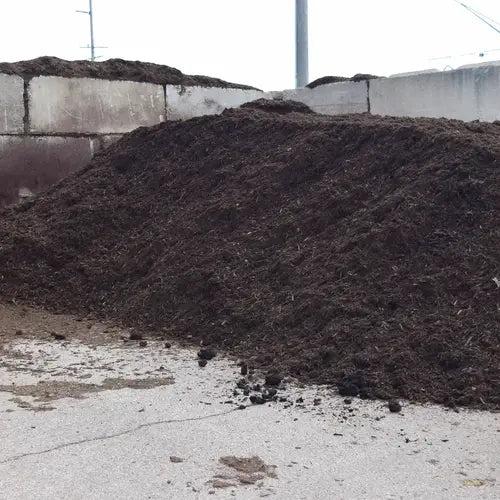
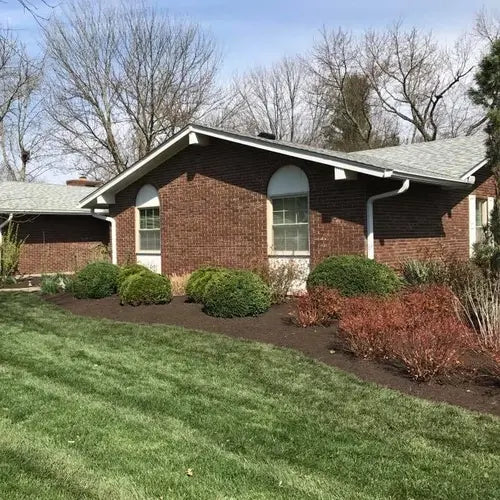
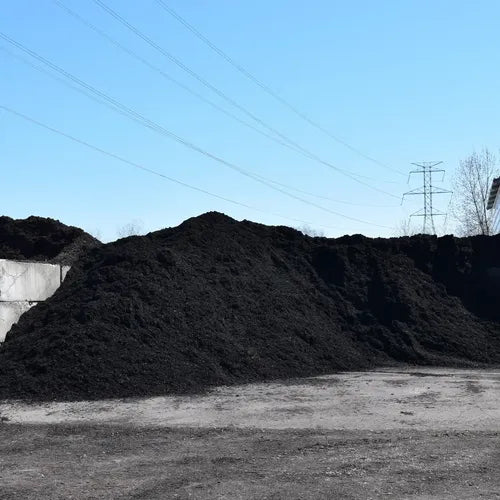
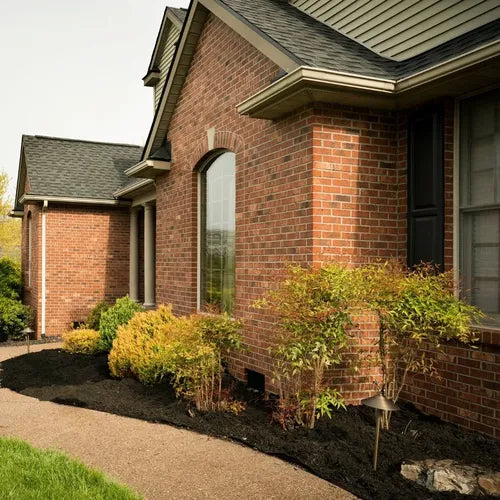
We needed mulch for our HOA common areas. Local providers were all holding high prices even for 40 yards of mulch. Mulch mound was easy to wowith & has great price for natural mulch + delivery schedule options. They called before delivery to ensure Delivery was exactly wher...
Tell us what you're looking for
Thanks! We received your request.
Something went wrong. Please try again.
How Much Material Do I Need?
For most Arlington landscape beds, a three-inch application depth provides the best balance of weed suppression, moisture retention, and airflow in our clay-heavy soil. Tree rings benefit from a slightly deeper four-inch application, but always leave a mulch-free gap of several inches around the trunk base to prevent rot.
Use our free mulch calculator
What is a yard?
A yard is approximately 27 cubic feet. As a general guideline, one yard of material can cover an area of about 100-160 square feet at a 2-3 inch depth.
We needed mulch for our HOA common areas. Local providers were all holding high prices even for 40 yards of mulch. Mulch mound was easy to wowith & has great price for natural mulch + delivery schedule options. They called before delivery to ensure Delivery was exactly wher...
How Much Material Do I Need?
For most Arlington landscape beds, a three-inch application depth provides the best balance of weed suppression, moisture retention, and airflow in our clay-heavy soil. Tree rings benefit from a slightly deeper four-inch application, but always leave a mulch-free gap of several inches around the trunk base to prevent rot.
Use our free mulch calculator
What is a yard?
A yard is approximately 27 cubic feet. As a general guideline, one yard of material can cover an area of about 100-160 square feet at a 2-3 inch depth.
We needed mulch for our HOA common areas. Local providers were all holding high prices even for 40 yards of mulch. Mulch mound was easy to wowith...
Read full review
We needed mulch for our HOA common areas. Local providers were all holding high prices even for 40 yards of mulch. Mulch mound was easy to wowith & has great price for natural mulch + delivery schedule options. They called before delivery to ensure Delivery was exactly where we wanted it.
Delivery was on time and great quality Mulch. Got it done in a reasonable time and yard looks great. Couldn’t be happier!!! Thank you and will us...
Read full review
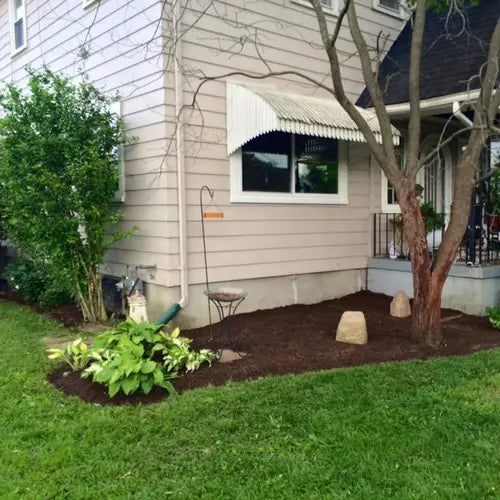
Delivery was on time and great quality Mulch. Got it done in a reasonable time and yard looks great. Couldn’t be happier!!! Thank you and will use again!!
Mulch Mound delivered a yard of pea gravel to us. Delivery was on time, driver was friendly and hit a bullseye on the “tarp target”. We used the ...
Read full review
Mulch Mound delivered a yard of pea gravel to us. Delivery was on time, driver was friendly and hit a bullseye on the “tarp target”. We used the pea gravel (which was diameter as specified) to fill several muskrat holes around our pond. I would definitely recommend Mulch Mound to a friend!
Walk your Arlington beds with a tape measure and note the length and width of each planting area separately before plugging numbers into the calculator. Irregular beds with curves are easiest to estimate by breaking them into rough rectangles and adding the sections together. Entering accurate dimensions saves you from ordering too little and making a second delivery trip, which is especially frustrating during peak spring planting weekends when delivery slots fill up quickly across the Arlington area.
Mulch vs. No Mulch: The Difference
Arlington's combination of high heat, occasional flooding rains, and heavy clay soil creates conditions that break down organic mulch faster than gardeners in cooler regions might expect. During the long stretch from May through September, temperatures stay consistently high enough to accelerate microbial activity in the mulch layer, meaning organic material decomposes into the soil more quickly than the packaged rate charts suggest. That faster breakdown is actually a benefit for Arlington landscapes because it adds organic matter to clay soil that desperately needs it, but it does mean you should plan to refresh your mulch beds at least once a year rather than every two or three years.
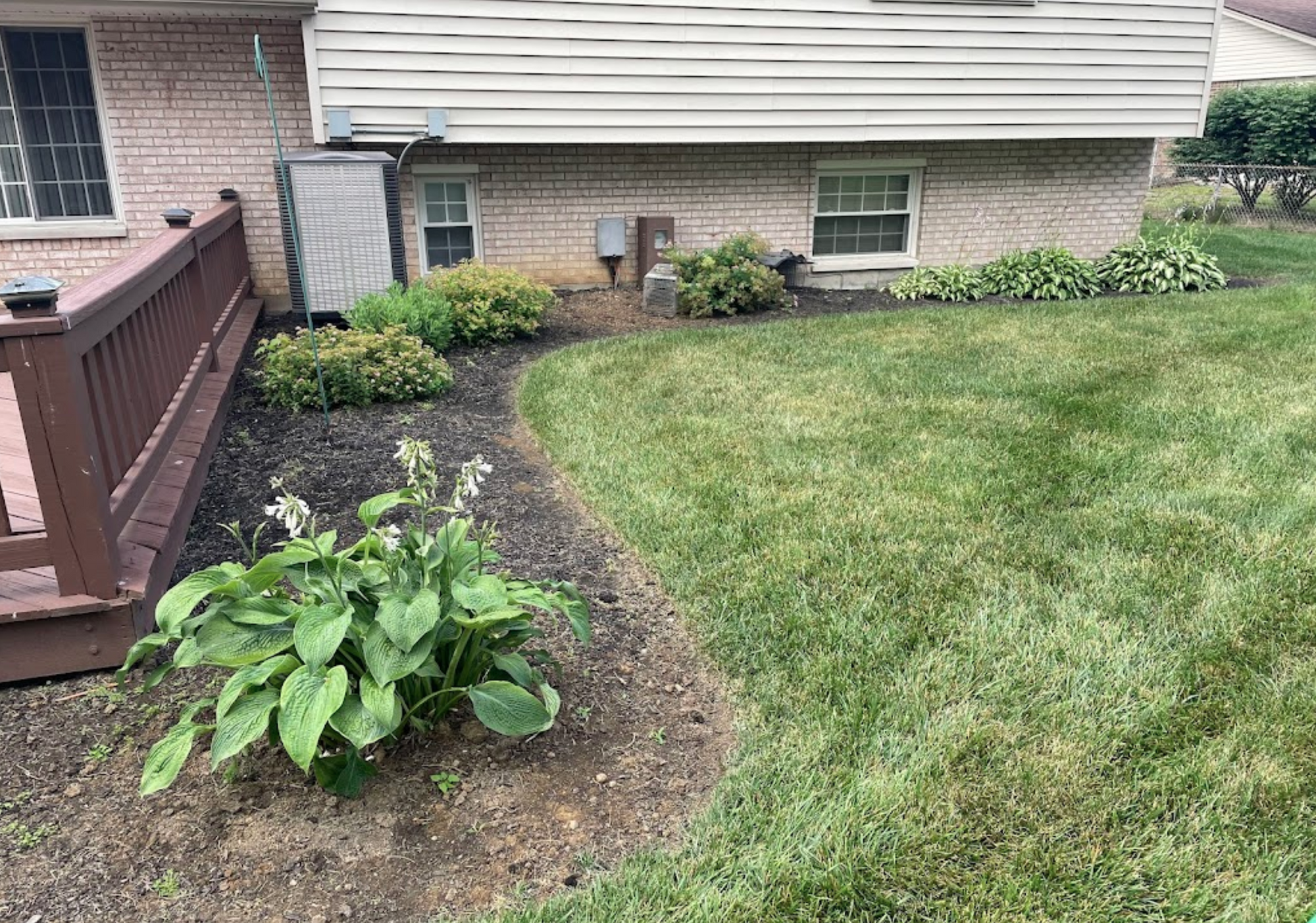
Before
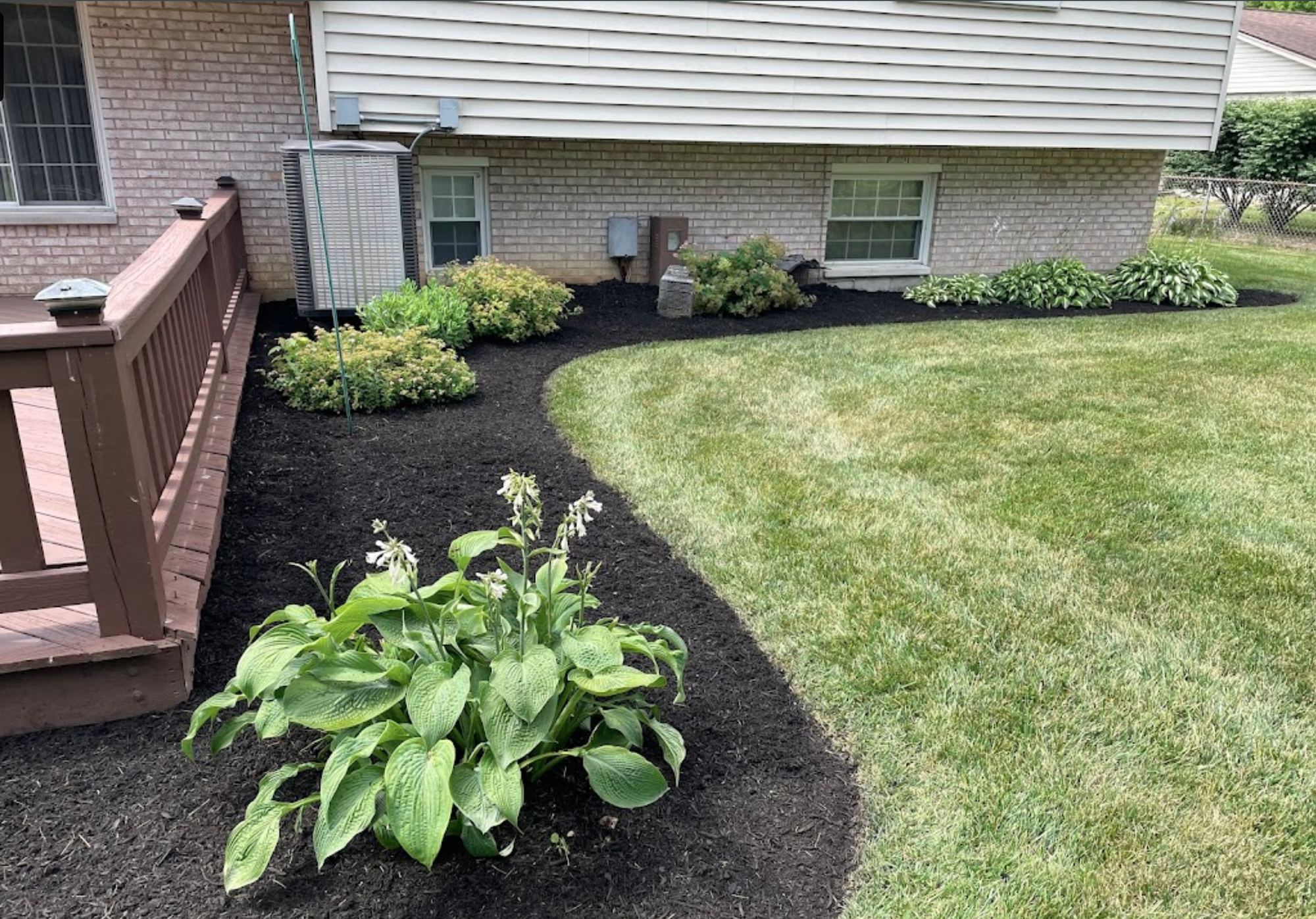
After
Best Mulch Choice for Arlington Lawns
Most yards in the Arlington area sit on type of soil. Arlington's heavy clay soil compacts easily under foot traffic and rain impact, and bare soil in plant beds becomes nearly impenetrable over a single summer season. A consistent mulch layer cushions the surface and prevents the raindrop compaction that seals clay pores and blocks the air exchange that roots depend on.
Hardwood Mulch
Hardwood mulch is especially valuable in Arlington because as it breaks down it releases humic acids that gradually loosen clay particles and improve the overall texture of the soil beneath. Over two or three seasons of consistent hardwood mulch application, many Arlington gardeners notice that their beds drain noticeably faster after heavy spring rains and hold usable moisture longer during summer dry spells.
Complete Your Outdoor Mulch Project
If you are refreshing beds, consider pairing your mulch order with a delivery of amended garden soil to top-dress areas where clay compaction has built up over previous seasons. Adding a thin layer of improved soil before spreading mulch gives new plantings a much better start in Arlington's challenging clay.
Before spreading fresh mulch in Arlington's spring season, use a hard rake to break up the surface crust that formed on your clay beds over winter. Arlington's freeze-thaw cycles between November and March cause the clay to heave and then compress, creating a dense layer that even water struggles to penetrate. Loosening that top inch of soil before you mulch gives moisture and air a path into the root zone from the very first spring rain, and it gives beneficial earthworms and microbes room to move upward and begin improving your soil structure from below.
Mulch Mound Pro Tip
If you are mulching around foundation plantings, take a few minutes to check your downspout extensions and redirect any that dump water directly into your beds. Arlington receives about 34 inches of rain per year but it often arrives in heavy bursts rather than gentle soaks, and a concentrated downspout discharge can displace mulch and waterlog clay beds within minutes. Extending downspouts at least four feet away from the foundation before you lay fresh mulch means your material stays in place and your beds drain properly after the next North Texas thunderstorm rolls through.
Mulch Mound Pro Tip
When ordering bulk mulch for large Arlington properties, consider ordering five to ten percent more than your calculator estimate to account for settling. Fresh mulch compresses by roughly fifteen to twenty percent within the first month as it begins to break down in our heat and as foot traffic from watering and maintenance compresses the surface. Having a small reserve pile covered with a tarp lets you top off thin spots in midsummer without placing a second delivery order, which saves both money and scheduling hassle during the busy summer maintenance season.
Frequently Asked Questions
Click a question to see the answer
Answer
How deep should I put mulch down in Arlington given our heat and clay soil?
For most Arlington landscape beds, three inches is the practical sweet spot. That depth is thick enough to suppress the crabgrass and bermuda that push up aggressively in North Texas summers, and it insulates roots without creating the anaerobic conditions that clay soil is already prone to. In tree rings around established live oaks or cedar elms, you can go to four inches but keep the mulch pulled back a few inches from the trunk itself to prevent collar rot in our humid spring months.
Answer
Will mulch make my already soggy clay soil hold even more water after heavy rain?
This is a common concern for Arlington homeowners because our clay already drains slowly, but a properly applied mulch layer actually helps rather than hurts drainage over time. Fresh mulch does absorb and hold some surface moisture, but it also prevents the clay surface crust from forming. That crust is what causes most standing water problems because it stops infiltration almost completely. As organic mulch breaks down into the clay, it opens up pore space and gradually improves drainage season by season.
Answer
How often do I need to replace mulch with Arlington summers being so intense?
Plan on refreshing your Arlington beds every twelve to eighteen months rather than the two to three year cycle you might read about in national gardening guides. The combination of intense UV exposure from our 220-plus sunny days per year and soil temperatures that stay above 85 degrees for months at a time accelerates decomposition significantly. The good news is that decomposed mulch is turning into organic matter that improves your clay soil, so you are not wasting material, you are building soil health with every cycle.
Answer
Is cedar mulch worth the extra cost for beds around my house foundation?
Cedar is a reasonable choice for foundation beds in Arlington specifically because of the termite pressure that exists throughout Tarrant County. Cedar's natural oils are not a guaranteed termite barrier, but they do deter surface insects and create a less hospitable environment near your foundation than plain wood mulch would. Keep any mulch, including cedar, at least four to six inches away from your actual foundation and siding, and avoid piling it against weep holes in brick veneer, which is a common mistake that traps moisture against the structure.
Answer
My St. Augustine grass areas thin out every summer. Can mulch help?
Mulch is not appropriate over St. Augustine turf itself, but it can protect the trees and shrubs that compete with your grass for water during Arlington's brutal July and August stretch. By mulching properly around your trees, you reduce the area of clay soil that is baking and cracking, and you allow those trees to stop stressing out your irrigation system with their own deep root water demands. Healthier, less stressed trees mean less competition underground and a better environment for surrounding turf.
Answer
What is the best time of year to order and spread mulch in Arlington?
Late February through mid-March is the ideal window for Arlington landscapes. You want to get mulch down after the last hard freeze risk passes around March 21 but before soil temperatures climb into the range that makes working outside miserable. Applying mulch in that early spring window traps the mild soil temperatures heading into growing season, gives you a full summer of weed suppression starting from the moment bermuda and crabgrass try to germinate, and lets the material begin breaking down at a moderate pace before the heat accelerates the process.
Answer
How many cubic yards do I need for a typical Arlington front yard bed refresh?
A typical Arlington home with moderate foundation beds along the front of the house, maybe 200 to 300 square feet total, will need roughly two to three cubic yards to lay down a fresh three-inch layer. If you have island beds in the lawn, tree rings, or beds wrapping around to the sides of the house, budget for four to six cubic yards to cover everything comfortably. The MulchMound calculator on this page can give you a precise number once you enter your actual bed dimensions, which takes the guesswork out of ordering.
The Unique Landscape of Arlington
Arlington sits in the middle of one of the most demanding gardening climates in Texas, where summer soil temperatures can push past 100 degrees and bake the life out of unprotected plant roots. The city's heavy clay soil holds moisture unevenly, staying waterlogged after spring rains and then cracking into hard plates during July and August droughts. A proper layer of mulch acts as a buffer between these extreme swings, keeping root zones cooler in summer and slightly warmer during the occasional hard freeze between November and March. Without mulch coverage, Arlington's clay surface develops a crust that repels rainfall instead of absorbing it, sending runoff across yards and into streets before plants can benefit. Bulk mulch delivery from MulchMound.com lets you cover large beds, tree rings, and pathways at a fraction of the cost of bagged material, so protecting your landscape becomes practical rather than expensive.