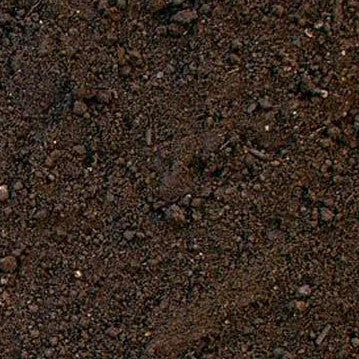
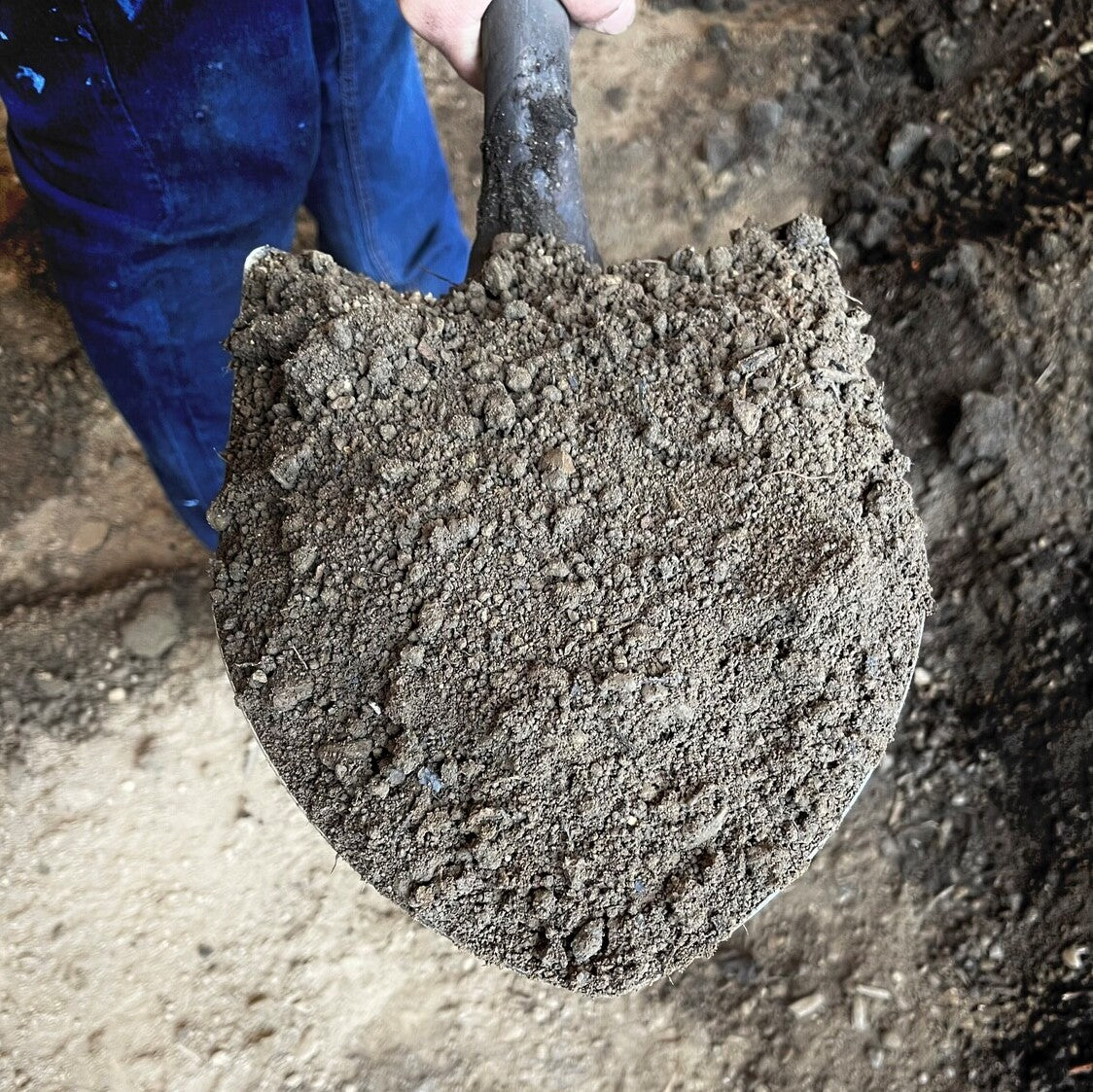
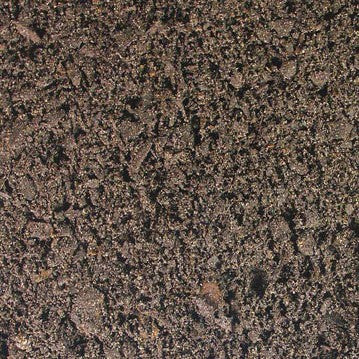
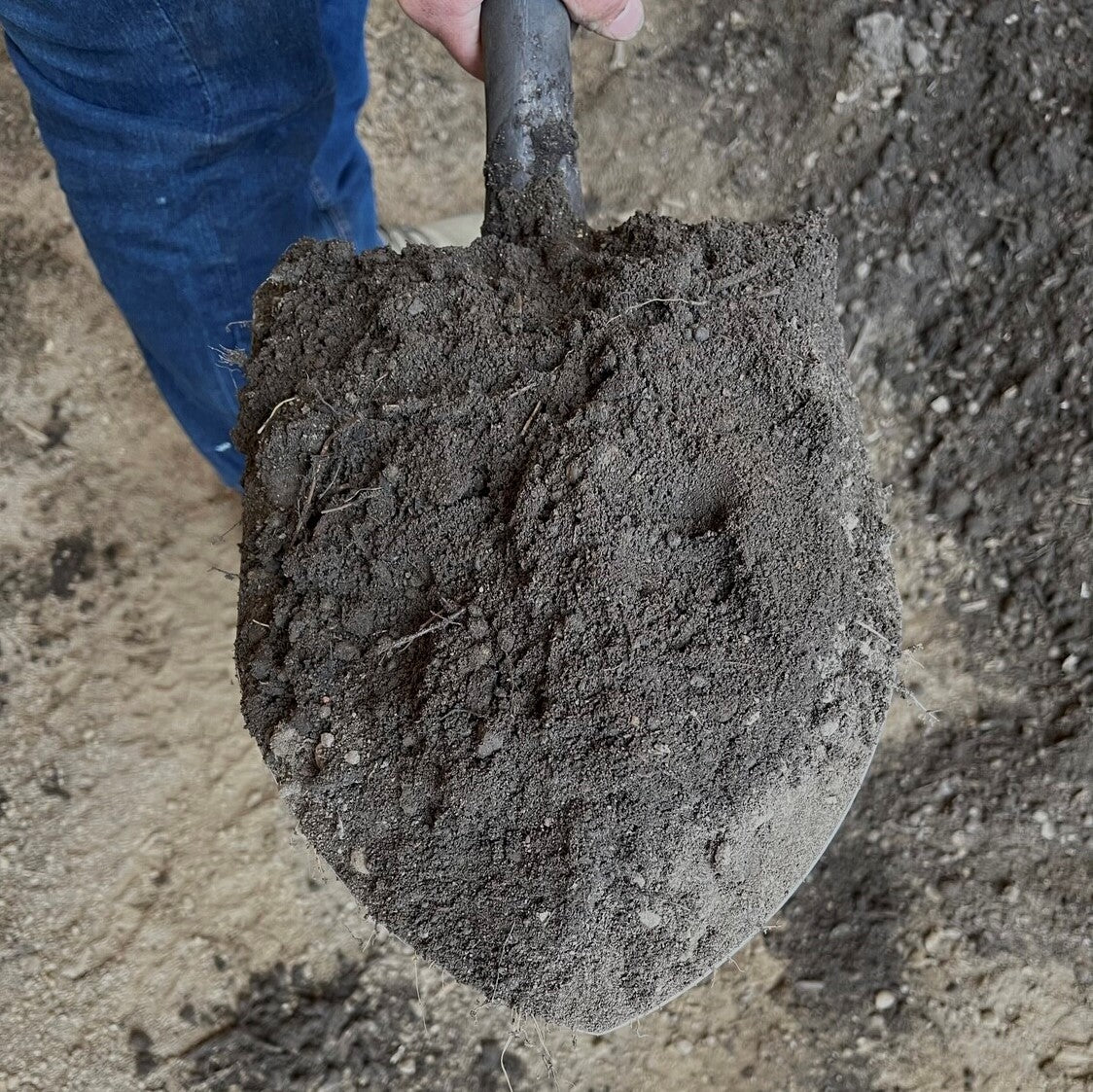
My experience with Mulch Mound was great and super easy. I ordered two yards of screened topsoil and was able to get it delivered within 2 days. They came in my requested time frame (afternoon) and dropped it off where I asked on my driveway. The topsoil was exactly what was a...
Tell us what you're looking for
Thanks! We received your request.
Something went wrong. Please try again.
How Much Material Do I Need?
Most Arlington landscape bed top-dressing projects need two to four inches of added topsoil to make a meaningful improvement over native clay, while raised beds and new garden installations require eight to eighteen inches of quality soil for healthy root development. Grading projects for low spots typically need the volume calculated to the finished grade plus about fifteen percent to account for natural compaction over time.
Use our free soil calculator
What is a Yard?
A yard is approximately 27 cubic feet. As a general guideline, one yard of material can cover an area of about 100-160 square feet at a 2-3 inch depth.
My experience with Mulch Mound was great and super easy. I ordered two yards of screened topsoil and was able to get it delivered within 2 days. They came in my requested time frame (afternoon) and dropped it off where I asked on my driveway. The topsoil was exactly what was a...
How Much Material Do I Need?
Most Arlington landscape bed top-dressing projects need two to four inches of added topsoil to make a meaningful improvement over native clay, while raised beds and new garden installations require eight to eighteen inches of quality soil for healthy root development. Grading projects for low spots typically need the volume calculated to the finished grade plus about fifteen percent to account for natural compaction over time.
Use our free soil calculator
What is a Yard?
A yard is approximately 27 cubic feet. As a general guideline, one yard of material can cover an area of about 100-160 square feet at a 2-3 inch depth.
My experience with Mulch Mound was great and super easy. I ordered two yards of screened topsoil and was able to get it delivered within 2 days. Th...
Read full review
My experience with Mulch Mound was great and super easy. I ordered two yards of screened topsoil and was able to get it delivered within 2 days. They came in my requested time frame (afternoon) and dropped it off where I asked on my driveway. The topsoil was exactly what was advertised, clean with no rocks or other debris. The price was reasonable. I plan to use them again in a couple weeks to order compost for my garden beds.
Measure the length and width of each bed or area you plan to fill in Arlington and decide on your target depth before opening the calculator. Remember that native Blackland clay does not compress the way sandy soils do, so the soil you add is mostly additive rather than mixing in, which means your depth estimates are very literal. For grading projects in low areas, add ten to fifteen percent to your estimate to account for settling over the first few growing seasons.
Complete Your Outdoor Soil Project
Pair your soil delivery with a bulk mulch order to immediately cover and protect your new beds from Arlington's intense sun and summer rain impact. A layer of hardwood mulch spread right after your soil is placed slows evaporation, prevents surface crust formation, and gives your new plantings the stable environment they need to establish roots through their first Arlington summer.
Can I just till compost into my Arlington clay instead of buying new soil?
Tilling amendments into Arlington's Blackland clay can help over many seasons, but it has real limitations. Our clay is so dense that shallow tilling often just creates a compacted layer at the bottom of the tilled zone, sometimes called a hardpan, that actually worsens drainage. Importing quality topsoil to build up bed depth above the native clay is often more effective for establishing new plantings quickly, especially if you are working with perennials or vegetables that need loose, well-drained root zones from day one. Using both approaches together, tilling some compost into the top few inches of clay and then adding several inches of blended topsoil on top, gives you the best results.
Answer
How much soil do I need to fill raised vegetable beds for a North Texas garden?
For raised vegetable beds in Arlington, you want a minimum of twelve inches of good soil depth and ideally closer to eighteen inches for crops like tomatoes, peppers, and squash that put down deep roots. A standard four-by-eight raised bed at twelve inches deep requires about 1.2 cubic yards of soil to fill. Most Arlington vegetable gardeners find that three or four raised beds fill one to two cubic yards each, so a three-yard delivery covers a solid starter garden. Planning for that depth matters here because shallow beds over Arlington clay can still get waterlogged from below during a wet April or May.
Answer
My yard has low spots that flood after rain. What kind of soil should I use to fix them?
Low spots in Arlington yards flood partly because of clay's poor infiltration and partly because of the flat to gently rolling terrain throughout much of the city. To fill and grade low areas properly, you want a fill soil that compacts enough to stay in place but does not create a new impermeable layer. A sandy loam or a blended fill soil works well for this application. Avoid using straight compost or lightweight topsoil for grading because it will settle unevenly. After grading, top the area with a thinner layer of quality topsoil or overseed it with bermuda or zoysia, which are the turf types that establish most reliably in Arlington's Zone 8b growing conditions.
Answer
When is the best time to add soil to my Arlington landscape beds?
The two best windows for soil work in Arlington are early March through mid-April and mid-September through early November. In spring, you are working ahead of the planting season and the soil is at a manageable moisture level after winter rains. In fall, you can build up beds and let them settle before the mild Arlington winters allow you to plant cool-season annuals or perennials that establish roots before spring. Avoid doing major soil work in summer because the heat stress on newly disturbed areas is extreme, and avoid mid-winter because frozen or waterlogged clay makes grading and spreading physically difficult.
Answer
Will adding topsoil on top of my clay actually help or will the plants still struggle at the clay boundary?
This is one of the most important questions Arlington gardeners can ask. There is a real phenomenon called a perched water table that can form when a loose soil layer sits directly over dense clay. Water moves down through the added topsoil and then stalls at the clay boundary, creating a saturated zone right in the root area. To minimize this, till or scarify the top two to three inches of your existing clay before adding new soil, which roughens the interface and encourages water to continue moving downward. Choosing soil blends that are not extremely sandy also helps because extreme texture differences between layers worsen the perching effect.
Answer
Is Arlington city water quality a concern when I am watering newly delivered soil?
Arlington's municipal water is moderately alkaline, which is consistent with the water chemistry across most of the DFW region. When you water newly placed soil beds, that alkalinity accumulates gradually and can raise the pH of your soil over time, which affects nutrient availability for acid-loving plants like azaleas or blueberries. If you are building specialty beds for those types of plants, choose a soil blend that is formulated for acidic conditions and consider testing your soil pH every season or two. For standard vegetable gardens and mixed perennial beds, Arlington's water quality is not a significant problem.
Answer
How do I keep my new topsoil from washing away during Arlington's heavy spring storms?
Arlington's spring thunderstorms can drop an inch or more of rain in under an hour, which is enough to erode freshly placed topsoil on any slope greater than a few percent. The fastest way to stabilize new soil is to cover it with mulch immediately after spreading, which breaks the raindrop impact that starts erosion. If you are seeding over new soil, apply a straw erosion blanket or hydromulch over the seed until germination creates root stabilization. On steeper slopes near creek drainages in the Arlington area, consider mixing some native grass seed into the soil surface before any rain events arrive.
Mulch Mound Pro Tip
Before any bulk soil is delivered for an Arlington grading or bed-building project, call 811 to have your underground utilities marked. Arlington's older neighborhoods in particular have irrigation lines, gas lines, and cable conduit that are shallower than you might expect, and a heavy delivery vehicle or aggressive shoveling can cause damage that is expensive to repair. The 811 service is free and typically takes a few business days to complete, so factor that into your project timeline when scheduling your MulchMound delivery.
Mulch Mound Pro Tip
When building new planting beds in Arlington's clay-dominant soil, consider installing a simple French drain or gravel drainage channel at the lowest edge of the bed before filling with topsoil. Arlington's rainfall arrives in concentrated bursts and even well-blended topsoil over clay can become temporarily saturated in a heavy storm. A simple perforated pipe surrounded by gravel at the base of a raised bed or along the downhill edge of an in-ground bed gives excess water a path out and protects plant roots from the oxygen deprivation that waterlogged clay causes.
Mulch Mound Pro Tip
After spreading new topsoil in Arlington, resist the urge to till it deeply into the existing clay layer during dry summer months. When Blackland clay is dry it becomes extremely hard and tilling creates jagged clods that are difficult to break down and can damage plant roots when they re-consolidate. Work new soil in when the clay has some moisture from recent rain, usually in early spring or fall, and use a garden fork rather than a rototiller to create a rough transition zone between your new soil and the clay beneath. That gentler approach preserves soil structure and avoids the powdery, over-worked texture that dries out quickly in Arlington's heat.
The Unique Landscape of Arlington
Arlington's native soil is a heavy Blackland Prairie clay that has some of the highest shrink-swell potential of any residential soil type in North Texas. When dry, this clay becomes nearly as hard as concrete and develops wide cracks that can damage plant roots and create drainage nightmares. When saturated after one of Arlington's heavy spring rain events, the same soil holds water like a sponge and excludes the oxygen that roots need to function. Adding quality bulk soil to Arlington landscapes is not just about filling low spots or building raised beds, it is about giving plants a root environment that the native ground simply cannot provide on its own. The elevation of Arlington at 571 feet places the city squarely in a terrain where runoff moves fast and topsoil loss during storms is a real concern, making soil replenishment an ongoing part of responsible landscape maintenance.