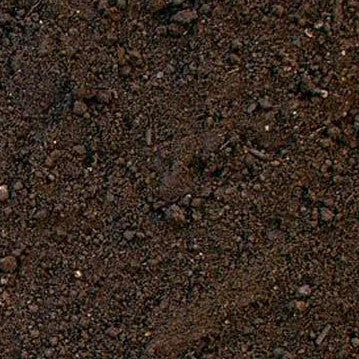
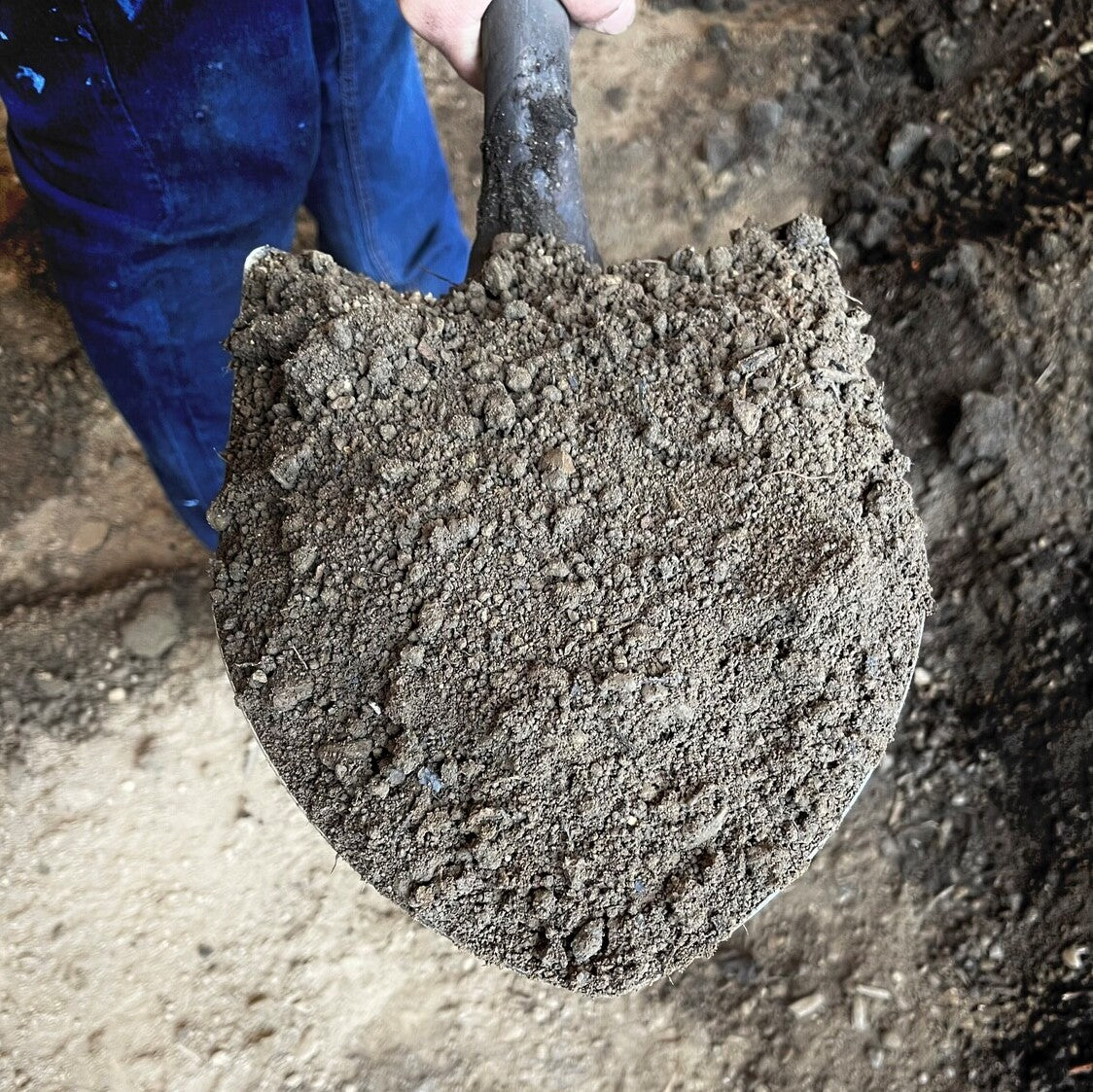
We got 3 yards of the gardening top soil. It was great quality, not many chunks and seems good for growing, just waiting for all my plants to love it.
We had more than enough soil to fill a raised bed we made and landscaped around a patio. I do wish we could do less tha...
Tell us what you're looking for
Thanks! We received your request.
Something went wrong. Please try again.
How Much Material Do I Need?
A cubic yard covers about 100 square feet at 3 inches deep or roughly 55 square feet at 6 inches. For new raised beds, fill to within 2 inches of the top rail and expect the level to drop after the first few waterings.
Use our free soil calculator
What is a Yard?
A yard is approximately 27 cubic feet. As a general guideline, one yard of material can cover an area of about 100-160 square feet at a 2-3 inch depth.
We got 3 yards of the gardening top soil. It was great quality, not many chunks and seems good for growing, just waiting for all my plants to love it.
We had more than enough soil to fill a raised bed we made and landscaped around a patio. I do wish we could do less tha...
How Much Material Do I Need?
A cubic yard covers about 100 square feet at 3 inches deep or roughly 55 square feet at 6 inches. For new raised beds, fill to within 2 inches of the top rail and expect the level to drop after the first few waterings.
Use our free soil calculator
What is a Yard?
A yard is approximately 27 cubic feet. As a general guideline, one yard of material can cover an area of about 100-160 square feet at a 2-3 inch depth.
We got 3 yards of the gardening top soil. It was great quality, not many chunks and seems good for growing, just waiting for all my plants to love ...
Read full review
We got 3 yards of the gardening top soil. It was great quality, not many chunks and seems good for growing, just waiting for all my plants to love it.
We had more than enough soil to fill a raised bed we made and landscaped around a patio. I do wish we could do less than 3 yds delivered but I understand the limitations.
My only concern was we requested it on the top left of our driveway since we had mulch on the other side, they ended up pouring it on top of the mulch (it was covered with a tarp so not ruined) making it difficult to complete our landscaping in a timely fashion.
Measure the length and width of each bed and decide how deep you want the finished soil, then account for settling of roughly ten to fifteen percent. For raised beds, use the interior dimensions rather than the outside frame measurements. Add all beds together before converting to cubic yards.
Complete Your Outdoor Soil Project
Top your finished soil with 2 to 3 inches of mulch to stop the sandy loam from drying and crusting between waterings. Decorative stone works well for pathways between raised beds where you do not want mud after winter rain.
Service area
Areas we deliver soil in Arroyo Grande, California
Do I really need to import soil if Arroyo Grande already has good sandy loam?
The valley floor farmland soil is excellent, but most home lots have had the topsoil scraped and the subsoil compacted by heavy equipment. What is left drains fast and holds almost no nutrients. Adding 3 to 6 inches of quality topsoil or compost restores the organic matter and water holding capacity that make our climate workable for gardens.
Answer
How do I keep my raised beds from drying out every single day in summer?
Use a garden blend with real compost content rather than pure sandy loam, and go at least 12 inches deep so roots can chase moisture downward. Cap the surface with 2 inches of mulch. In an Arroyo Grande July, that combination takes most beds from daily watering to every second or third day.
Answer
When should I amend my beds given our winter rains?
Fall, roughly October through early November, is ideal. Work compost in before the first real storms so the rains carry organic matter down into the profile and the microbes have all winter to integrate it. Late February also works, right after the last frost around January 25, when soil is moist and easy to turn.
Answer
Is our soil around here alkaline, and will that affect what I plant?
Most Central Coast soils, including Arroyo Grande's, trend neutral to mildly alkaline, and irrigation water adds more alkalinity over time. That is fine for Mediterranean plants, olives, and most vegetables, but it can lock up iron for blueberries, camellias, and azaleas. A compost rich acidic blend and sulfur amendments help in those specific beds.
Answer
How much soil do I need to start a new lawn?
Plan on 3 to 4 inches of quality topsoil tilled into the top few inches of your existing ground. That gives roots enough of a moisture reservoir to survive our rain free summer without daily watering. Skimping to an inch is the most common reason new Arroyo Grande lawns thin out by their second August.
Answer
Can I plant year round here or should I wait for a season?
Zone 10a with a first frost around December 20 and a last frost near January 25 gives you a very long window. Fall planting is best for shrubs and trees, since winter rains establish roots for free. Save frost tender vegetables for after late January and hold off on major bed work during peak summer heat.
Answer
Will imported soil bring weed seeds into my yard?
Any soil containing organic matter carries some seed load, though properly composted material has been heated enough to kill most of it. Expect a flush of seedlings after your first good rains in November or December. Hoe them off young or cap the soil with 2 to 3 inches of mulch, which suppresses most germination entirely.
Mulch Mound Pro Tip
Do not simply pile new soil on top of compacted ground. In our sandy loam, a hard equipment compacted layer underneath creates an interface where roots stall and water perches. Break up the top 4 to 6 inches of existing soil with a fork or tiller, then blend your imported soil into that loosened layer. The transition zone is what lets roots move down into native ground.
Mulch Mound Pro Tip
Time your big soil work to the rain calendar. Working soil during the dry June through October stretch means fighting dust and a hardpan crust, and every drop you add drains away. Instead, plan amendments for late October or early November so winter rain does the mixing and settling for you. By February the bed is settled, biologically active, and ready to plant.
Mulch Mound Pro Tip
Get a simple soil test before you spend money on amendments. Arroyo Grande properties vary widely, from old farm ground rich in nutrients to construction fill with almost nothing. A basic pH and nutrient panel from a local lab or extension office costs very little and tells you whether you need compost, sulfur, or just nitrogen. Guessing usually means buying the wrong thing.
The Unique Landscape of Arroyo Grande
The sandy loam under most Arroyo Grande properties is the same soil that made this valley famous for vegetables, but the residential version is often scraped, compacted, and stripped of organic matter during construction. That leaves homeowners with ground that drains beautifully and holds almost nothing, a real problem when the rain stops in April and does not return until November. Bringing in quality topsoil or a compost rich blend rebuilds the water holding capacity and nutrient reserves that a 20 inch rainfall year cannot replenish on its own. In Zone 10a you can plant nearly year round, so soil quality is working for you twelve months instead of five or six. Raised beds and new lawns especially need imported soil, because native sandy loam alone will drain a raised bed in minutes. Good soil is the foundation everything else in your landscape depends on.