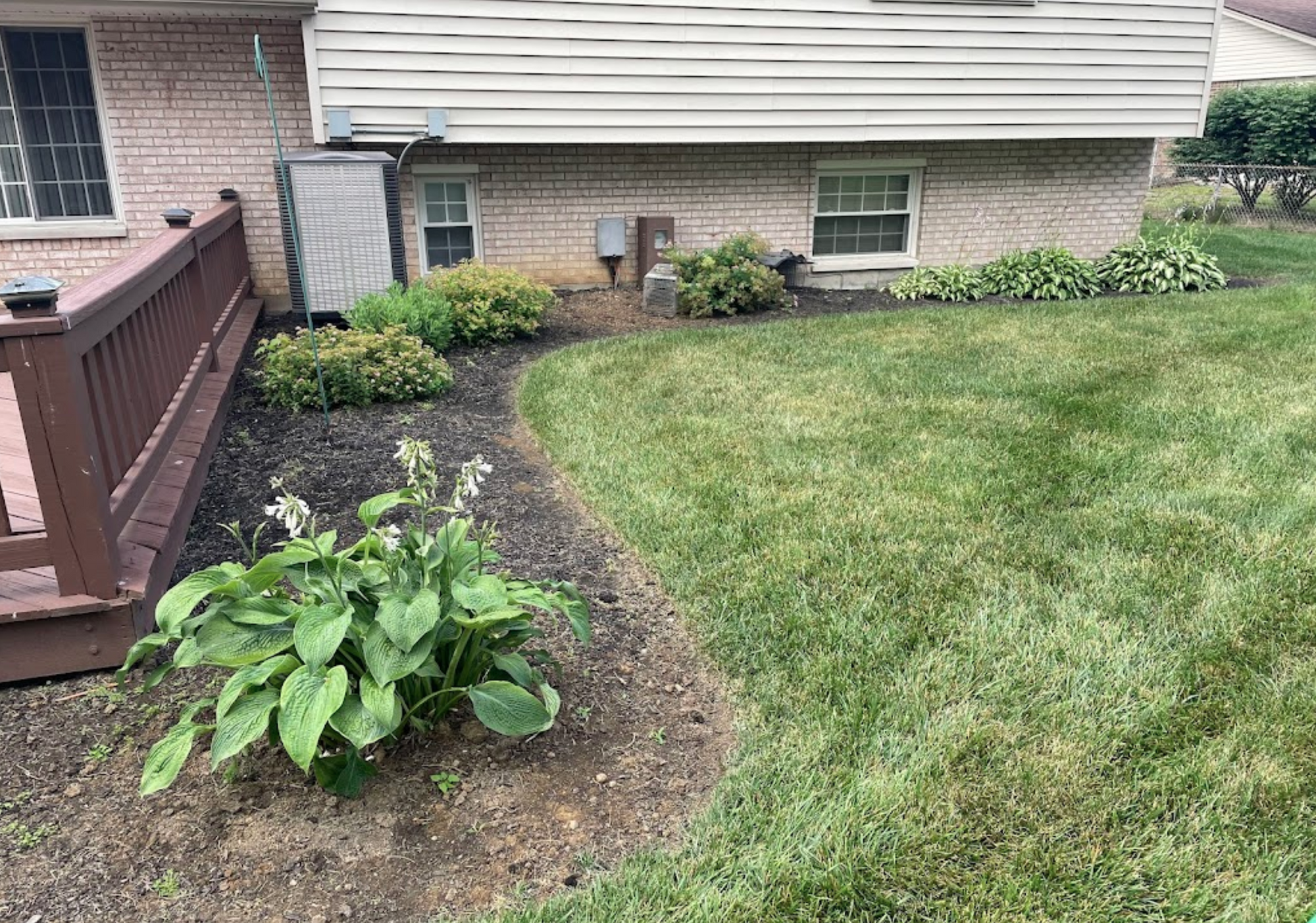
Mulch Mound made it so easy! So happy with the pricing, turn around time, delivery and product. I submitted my online order on a Thursday. The mulch was delivered to the designated location by a local landscape company at 8:30 a.m. the following Saturday morning. We had the...
Tell us what you're looking for
Thanks! We received your request.
Something went wrong. Please try again.
How Much Material Do I Need?
Aim for 2 to 3 inches over established beds and no more than 3 inches around shallow rooted azaleas and camellias, which are common in Bayou Cane yards. Order about 10 percent extra to account for settling and the quick breakdown our humidity causes.
Use our free mulch calculator
What is a yard?
A yard is approximately 27 cubic feet. As a general guideline, one yard of material can cover an area of about 100-160 square feet at a 2-3 inch depth.
Mulch Mound made it so easy! So happy with the pricing, turn around time, delivery and product. I submitted my online order on a Thursday. The mulch was delivered to the designated location by a local landscape company at 8:30 a.m. the following Saturday morning. We had the...
How Much Material Do I Need?
Aim for 2 to 3 inches over established beds and no more than 3 inches around shallow rooted azaleas and camellias, which are common in Bayou Cane yards. Order about 10 percent extra to account for settling and the quick breakdown our humidity causes.
Use our free mulch calculator
What is a yard?
A yard is approximately 27 cubic feet. As a general guideline, one yard of material can cover an area of about 100-160 square feet at a 2-3 inch depth.
Mulch Mound made it so easy! So happy with the pricing, turn around time, delivery and product. I submitted my online order on a Thursday. The mu...
Read full review
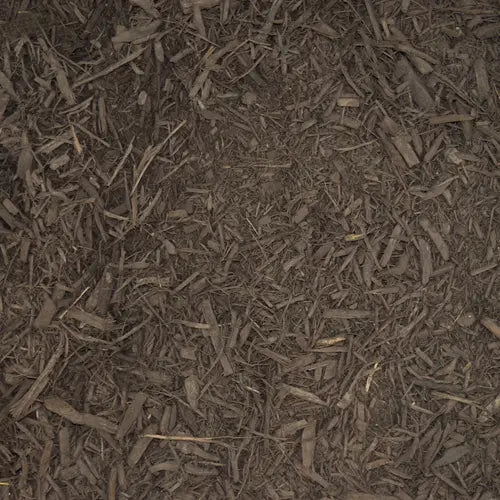
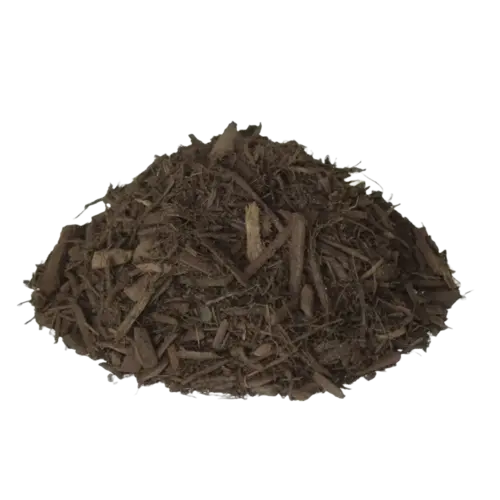
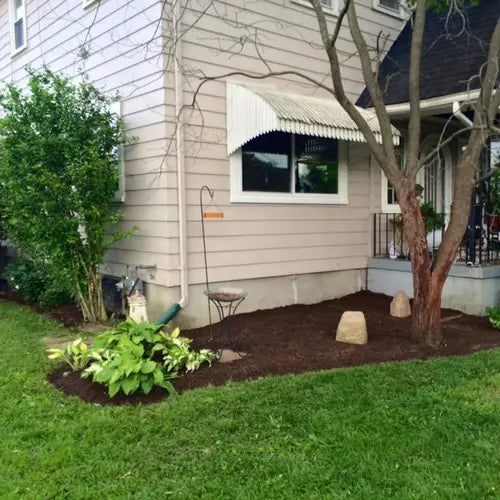
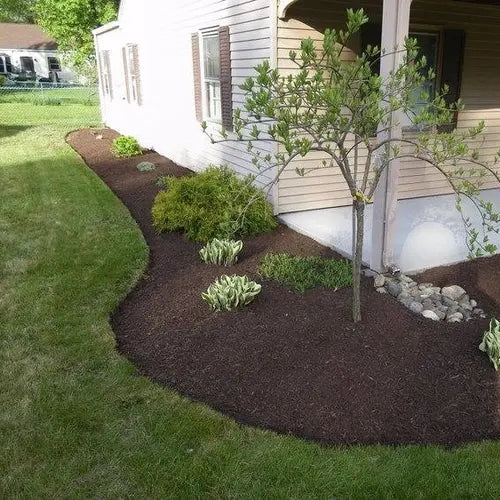
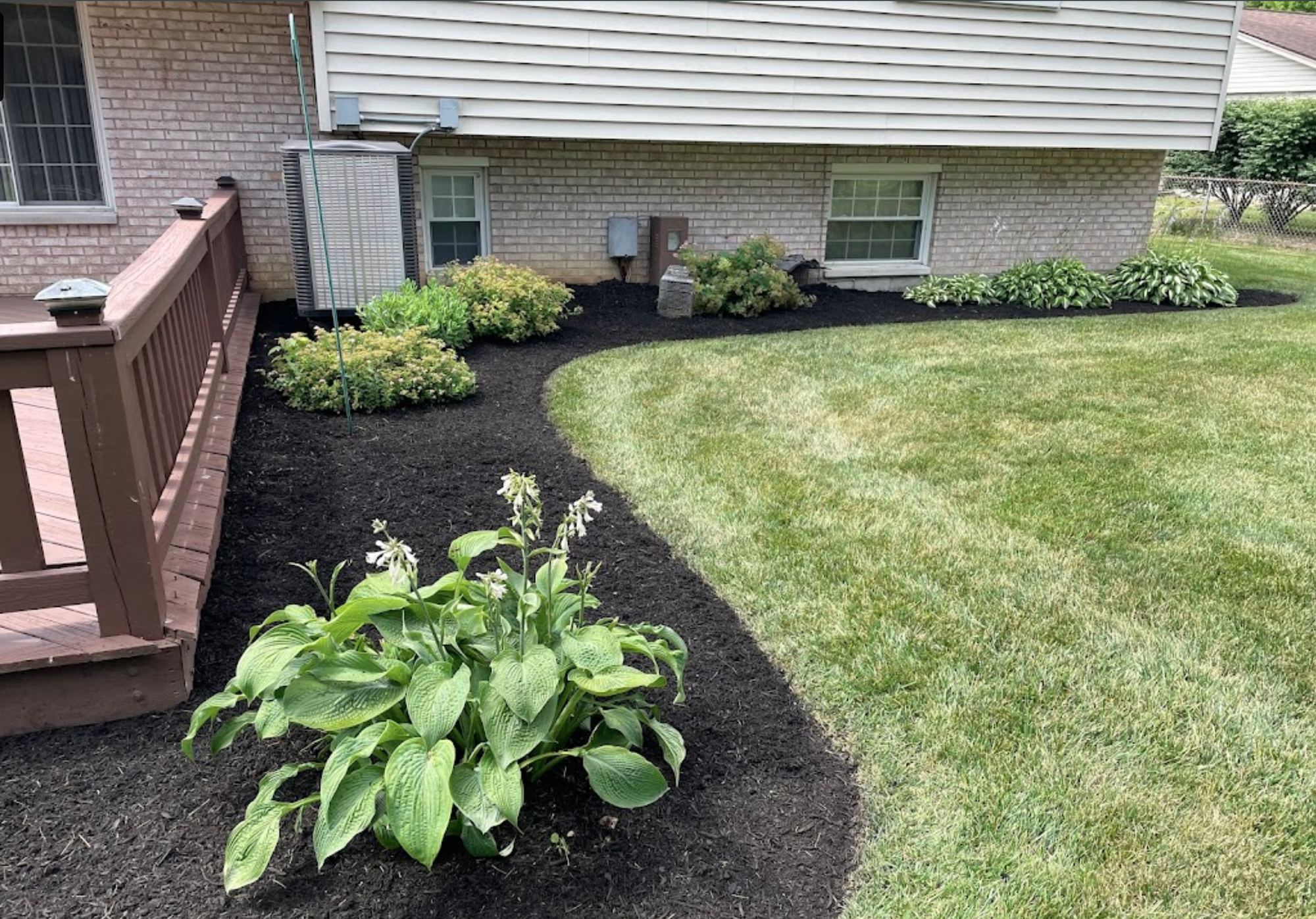
Mulch Mound made it so easy! So happy with the pricing, turn around time, delivery and product. I submitted my online order on a Thursday. The mulch was delivered to the designated location by a local landscape company at 8:30 a.m. the following Saturday morning. We had the job completed by that afternoon. We chose the natural brown mulch, and the plant beds are beautiful.
Good quality, great price, fast delivery. All online - no submitting forms and waiting for days for quotes. Getting mulch should be this easy fr...
Read full review
Good quality, great price, fast delivery. All online - no submitting forms and waiting for days for quotes. Getting mulch should be this easy from everyone. Only Mulch Mound is ACTUALLY this simple.
I highly recommend Mulch Mound. The quality of the mulch is very good. The ordering system on their website makes it very easy. The delivery driver...
Read full review
I highly recommend Mulch Mound. The quality of the mulch is very good. The ordering system on their website makes it very easy. The delivery driver did a great job placing the mulch on the driveway. To finish off, the pricing was very reasonable as well.
Measure each bed separately since curved South Louisiana borders rarely form neat rectangles. Break odd shapes into rough rectangles and circles, add the square footages together, then plug that total into the calculator with your target depth. One cubic yard covers about 108 square feet at 3 inches deep.
Mulch vs. No Mulch: The Difference
Bayou Cane's Zone 9b warmth, 66 inches of annual rain, and near constant humidity make it one of the fastest mulch decomposition environments in the country. Organic mulches like hardwood, cypress, and pine bark feed the soil as they break down, which is exactly what our compacted silty clay needs, but they need topping off more often than in drier regions. Non organic options like river rock and lava rock never decompose, making them a smart pick for drainage swales and foundation strips where washout and termite pressure are the bigger worry.
Before
After
Best Mulch Choice for Bayou Cane Lawns
Most yards in the Bayou Cane area sit on type of soil. Silty clay in Bayou Cane packs tight, drains slowly, and turns to concrete at the surface once the sun finally comes out after a wet stretch. That combination starves roots of oxygen in the wet season and blocks water infiltration in the dry one.
Hardwood Mulch
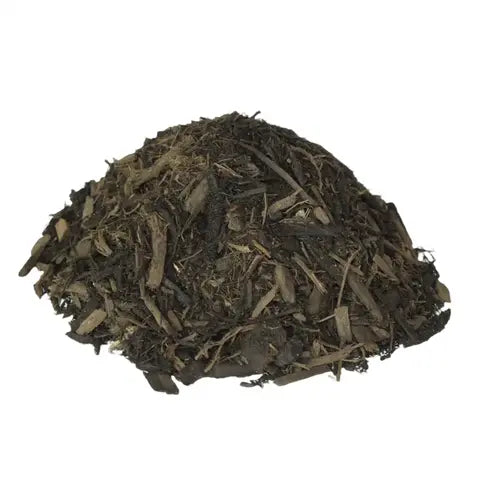
Shredded hardwood mulch is a strong match for Bayou Cane silty clay because as it breaks down it feeds earthworms and microbes that create channels through the compacted profile. Over two or three seasons that steady organic input measurably improves drainage and root penetration in beds that used to stay soggy.
Complete Your Outdoor Mulch Project
Pair your mulch with a garden soil blend to raise beds above our high water table, and add a band of crushed stone along the foundation as a termite conscious buffer. Steel or composite edging keeps mulch from washing into the lawn during heavy rain.
Fluff before you spread. Mulch that sits in a pile through a couple of humid Bayou Cane nights will compact and start heating up. Turn the pile with a fork before loading your wheelbarrow so the material spreads loose and airy. Loose mulch lets rain percolate into the clay instead of sheeting off, and it dries faster on top, which discourages the slime molds and artillery fungus that love our summer moisture.
Mulch Mound Pro Tip
Build a moat, not a mountain. Volcano mulching against crape myrtle and live oak trunks is common around town and it invites rot in a climate this wet. Keep mulch 3 to 4 inches away from the bark and extend the ring outward toward the drip line instead. Wide and shallow beats deep and piled, especially where trunk flare stays damp for weeks after a tropical system.
Mulch Mound Pro Tip
Anchor your beds for storm season. Flat, low lying Bayou Cane yards can lose a whole bed of light mulch to a single tropical downpour. Use a coarser shredded hardwood or cypress that mats together, install edging at least 4 inches tall on any bed that borders a slope or driveway, and consider stone in the spots where water consistently channels through. Refresh those washout zones after each big rain.
Frequently Asked Questions
Click a question to see the answer
Answer
How fast does mulch break down in Bayou Cane's heat and rain?
Faster than most of the country. With 66 inches of rain, year round warmth, and almost no true dormant season, a fine grade hardwood mulch can lose half its volume in a single year. Most Bayou Cane homeowners top dress lightly every spring and do a full refresh every 18 to 24 months. Coarser cypress and pine bark hold their shape noticeably longer than shredded fines.
Answer
Will mulch make my termite problem worse?
Mulch does not attract termites on its own, but Formosan termites are a real concern across Terrebonne Parish and they will tunnel through any moist organic layer that touches your slab. Keep mulch pulled back 6 to 12 inches from the foundation, hold the depth to 2 or 3 inches, and use a stone or bare soil strip right against the house. Inspect that gap a couple of times a year.
Answer
Is cypress mulch still a good choice down here?
Cypress performs beautifully in our climate because it resists decay and knits together enough to stay put in heavy rain. Many local buyers now prefer cypress sourced as a sawmill byproduct rather than from harvested wetland stands. We are happy to tell you the source of what we stock so you can decide.
Answer
My beds hold water after a storm. Should I still mulch?
Yes, but fix the drainage first. On silty clay at 7 feet elevation, water sits because it has nowhere to go, and piling mulch on a soggy bed just creates a sour, anaerobic layer that smells like vinegar. Raise the bed 4 to 6 inches with a soil blend, shape a gentle crown, then mulch at 2 to 3 inches over the top.
Answer
Does mulch help with the weeds that take over my beds every summer?
It helps a lot with seed germinating weeds. A consistent 3 inch layer blocks light and cuts down on chamberbitter, spurge, and doveweed. Nutsedge and dollarweed will punch straight through any mulch depth, so hand pull those or treat them before you spread. Refreshing thin spots in midsummer keeps the barrier intact through our long growing season.
Answer
When is the best time to mulch here?
Late February through March is ideal, right after the last frost around February 20 and before the summer weed flush begins. A second light touch up in September helps beds look fresh through fall and protects soil during the tail end of hurricane season. Avoid heavy mulching in the dead of summer when beds are already holding moisture.
Answer
Should I remove old mulch before adding new?
Usually not. In Bayou Cane, old mulch decomposes so quickly that it becomes valuable organic matter, which our compacted silty clay badly needs. Just rake the surface to break up any matted crust, pull weeds, then top dress. The only time to remove is when a bed has built up past 4 inches or has developed a hard, water shedding fungal mat.
The Unique Landscape of Bayou Cane
Bayou Cane sits at about 7 feet above sea level in Zone 9b, where 66 inches of rain a year lands on dense silty clay that holds water long after the storm passes. Mulch is what keeps that clay from crusting hard in the August sun and from turning into a splash zone of mud during a Gulf downpour. A steady 2 to 3 inch layer buffers root zones from the swings between saturated soil and the brief dry stretches that follow a front. It also suppresses the nutsedge, dollarweed, and chamberbitter that thrive in Terrebonne Parish humidity. Because our winters rarely bite, with first frost around December 5 and last frost near February 20, mulch here works less as freeze insulation and more as a moisture regulator and weed barrier. Choosing the right mulch and the right depth is the single cheapest way to keep a Bayou Cane bed looking sharp between refreshes.