Good quality, great price, fast delivery. All online - no submitting forms and waiting for days for quotes. Getting mulch should be this easy from everyone. Only Mulch Mound is ACTUALLY this simple.
Tell us what you're looking for
Thanks! We received your request.
Something went wrong. Please try again.
How Much Material Do I Need?
Three inches is the sweet spot for Bellingham beds, deep enough to suppress winter weeds and hold summer moisture without waterlogging roots during our long wet season. Around shallow rooted rhododendrons and blueberries, keep it closer to two inches.
Use our free mulch calculator
What is a yard?
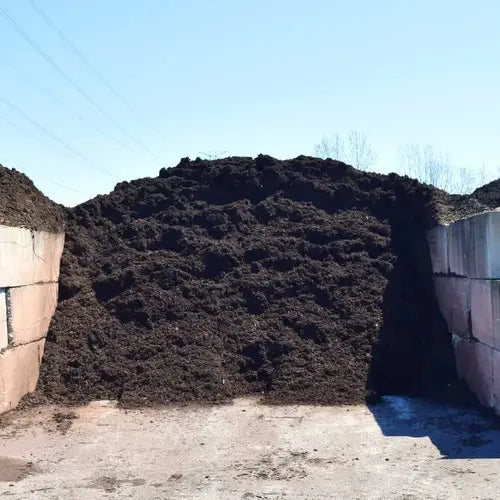
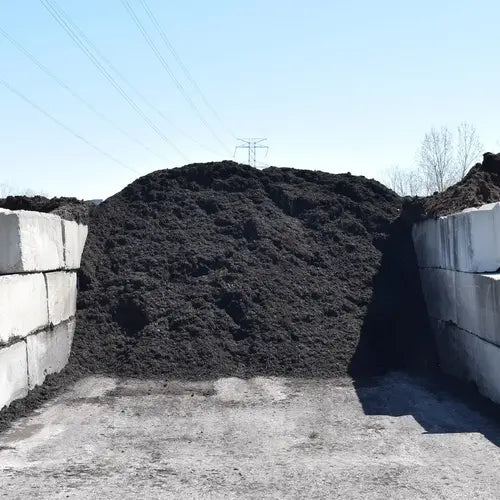
A yard is approximately 27 cubic feet. As a general guideline, one yard of material can cover an area of about 100-160 square feet at a 2-3 inch depth.
Good quality, great price, fast delivery. All online - no submitting forms and waiting for days for quotes. Getting mulch should be this easy from everyone. Only Mulch Mound is ACTUALLY this simple.
How Much Material Do I Need?
Three inches is the sweet spot for Bellingham beds, deep enough to suppress winter weeds and hold summer moisture without waterlogging roots during our long wet season. Around shallow rooted rhododendrons and blueberries, keep it closer to two inches.
Use our free mulch calculator
What is a yard?
A yard is approximately 27 cubic feet. As a general guideline, one yard of material can cover an area of about 100-160 square feet at a 2-3 inch depth.
Good quality, great price, fast delivery. All online - no submitting forms and waiting for days for quotes. Getting mulch should be this easy fr...
Read full review
Good quality, great price, fast delivery. All online - no submitting forms and waiting for days for quotes. Getting mulch should be this easy from everyone. Only Mulch Mound is ACTUALLY this simple.
I highly recommend Mulch Mound. The quality of the mulch is very good. The ordering system on their website makes it very easy. The delivery driver...
Read full review
I highly recommend Mulch Mound. The quality of the mulch is very good. The ordering system on their website makes it very easy. The delivery driver did a great job placing the mulch on the driveway. To finish off, the pricing was very reasonable as well.
They offered a quick turnaround and delivered high quality mulch at a reasonable price. They also dropped it off exactly where I told them to put i...
Read full review
They offered a quick turnaround and delivered high quality mulch at a reasonable price. They also dropped it off exactly where I told them to put it. Good service!
Measure each bed as a rectangle even if it curves, using the average width and the total length, then add the areas together. For odd kidney shaped beds, pace the longest dimension and the widest point and multiply. Bellingham lots often have narrow parking strips and side yards that people forget to include, so walk the whole property before you order.
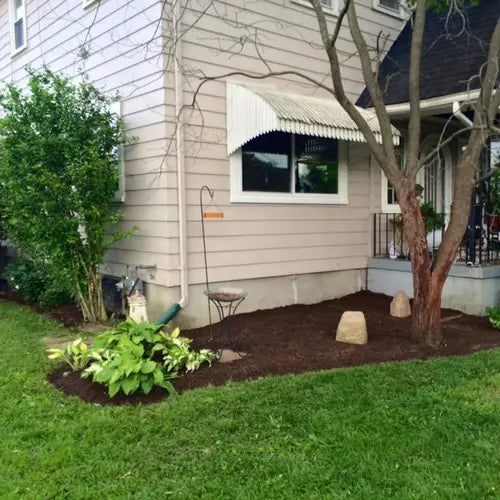
Mulch vs. No Mulch: The Difference
Bellingham gives mulch almost no rest. Mild wet winters mean soil microbes keep working through December and January instead of shutting down under frost, so organic mulch here decomposes noticeably faster than it would east of the Cascades. That is good news for your silt loam and slightly annoying for your budget, since you will be topping off more often than a homeowner in a drier climate.
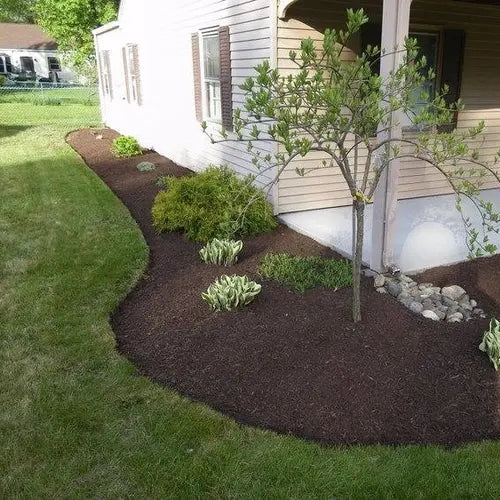
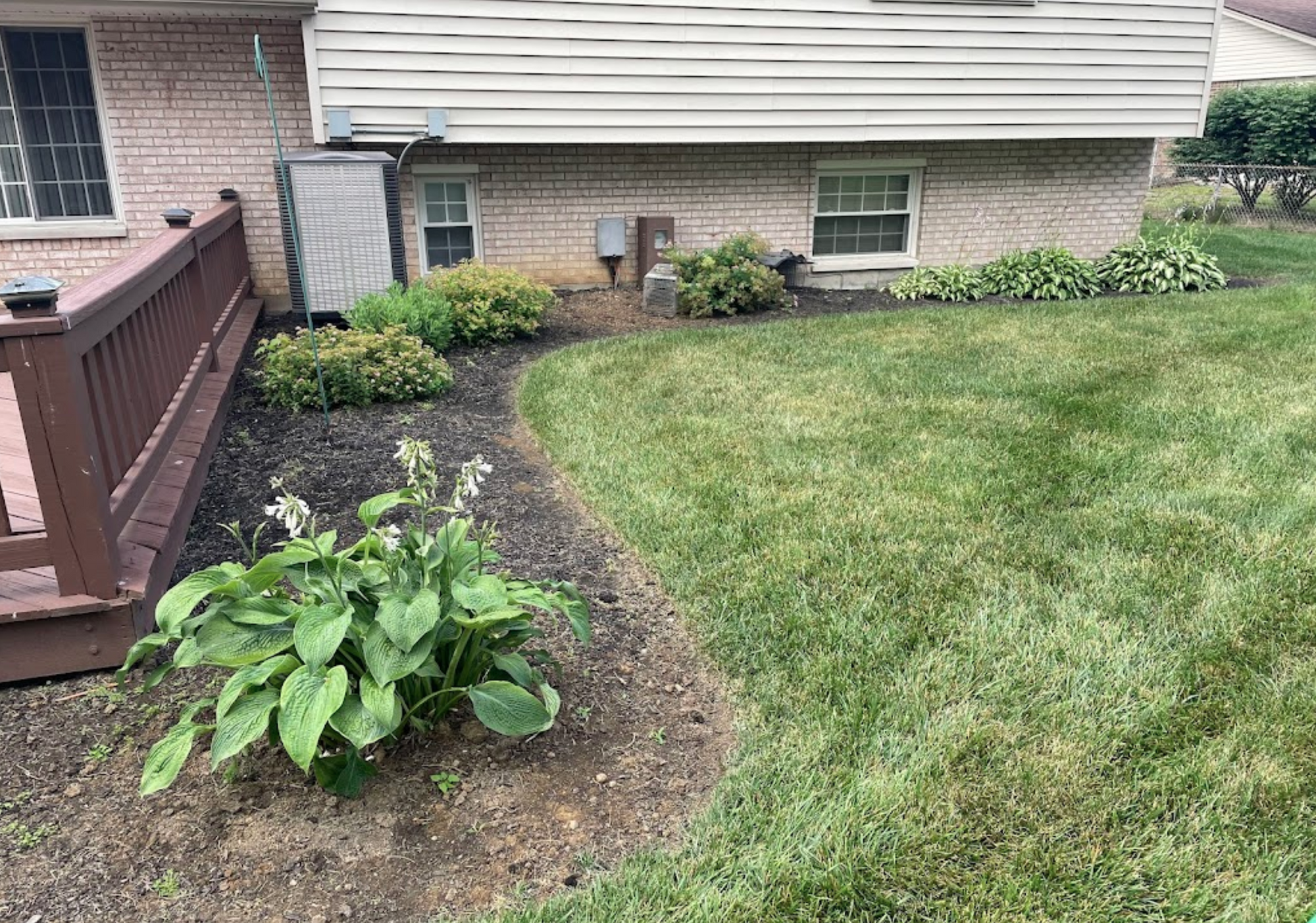
Before
After
Best Mulch Choice for Bellingham Lawns
Most yards in the Bellingham area sit on type of soil. Bellingham silt loam holds nutrients beautifully but has a habit of compacting and sealing under 38 inches of annual rain, leaving plant beds with a hard surface crust that water runs off instead of soaking into. Roots end up shallow and starved for air right when spring growth demands the most.
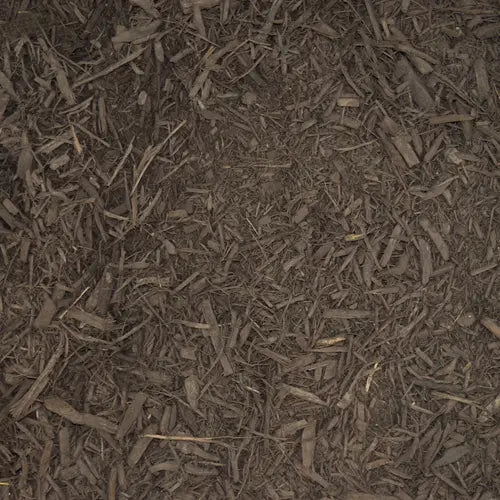
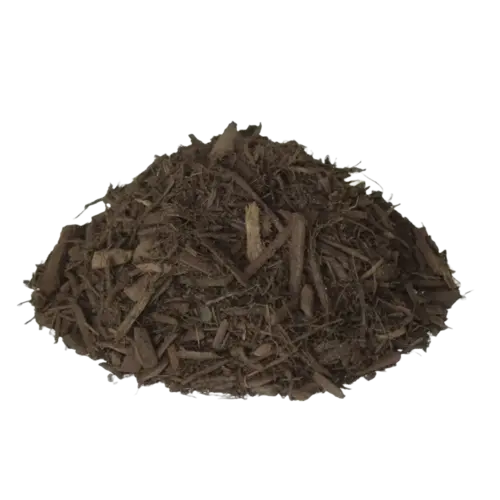
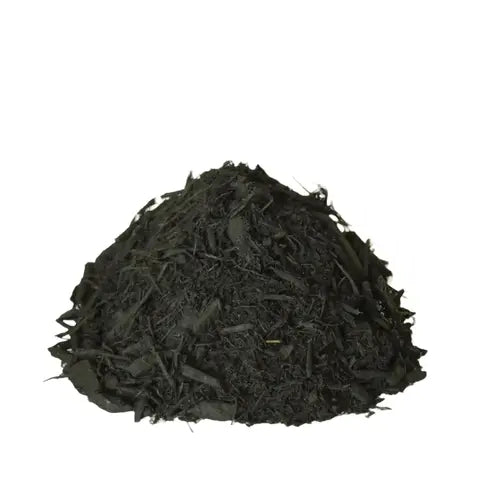
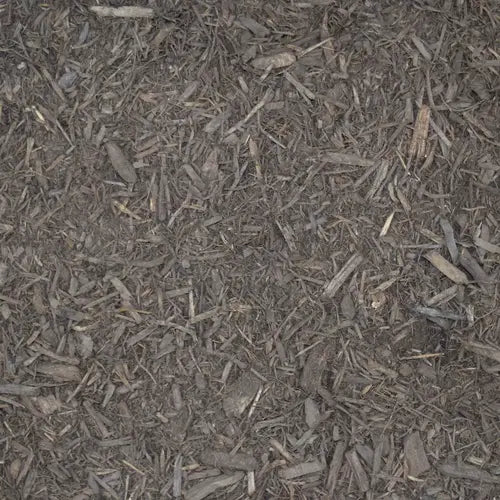
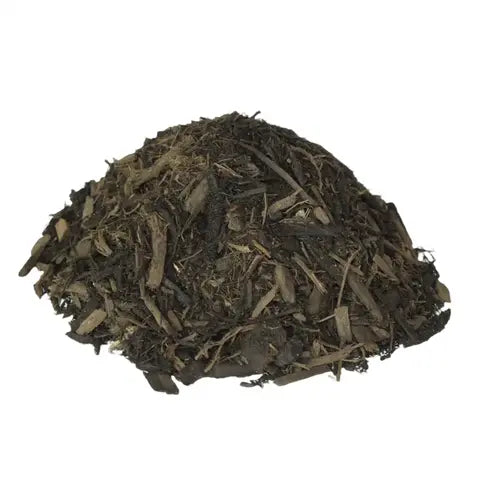
Hardwood Mulch
Hardwood mulch is the practical fix, because as it breaks down it feeds earthworms and fungi that tunnel through silt loam and rebuild the crumb structure our rain keeps destroying. The layer also absorbs raindrop impact, so the surface never seals in the first place, and the slow release of organic matter steadily lightens heavy Bellingham beds year over year.
Complete Your Outdoor Mulch Project
Pair your mulch with a few yards of compost worked into the top layer of silt loam before you spread, and add steel or stone edging to keep material off wet sidewalks. Drip line or soaker hose under the mulch makes the August dry stretch effortless.
Do not mulch a soggy bed. Bellingham silt loam holds water long after the rain stops, and piling three inches of bark on saturated ground keeps it anaerobic well into June. Push a trowel in first. If it comes out slick and smeared rather than crumbly, wait a week. Late April usually gives you a window where beds have drained but summer heat has not arrived, and that is the moment to spread.
Mulch Mound Pro Tip
Skip the plastic sheeting under mulch. It is a common shortcut on new Bellingham construction and it fails badly here, trapping water above the plastic in our rainy months and starving the silt loam of the organic matter it desperately needs. If you want a weed barrier, lay down overlapping sheets of plain cardboard, wet it, and mulch on top. It smothers weeds for a season and then feeds the soil as it disappears.
Mulch Mound Pro Tip
Refresh the surface with a rake rather than adding a new load every year. After a Bellingham winter, mulch mats down into a water shedding crust, especially fine hardwood under the drip line of conifers. A stiff rake in early spring fluffs it back up, breaks the fungal mat, and often restores enough loft that you only need an inch of fresh material instead of two or three.
Frequently Asked Questions
Click a question to see the answer
Answer
Will mulch make the moss and liverwort problem in my Bellingham beds worse?
Liverwort loves bare, compacted, constantly damp silt loam, which is exactly what most Bellingham beds are by February. A three inch layer of coarse mulch actually suppresses it, because liverwort spores need contact with fine soil to establish and the chunky surface dries between rains. Fine, dusty mulch applied thin is what tends to grow a green crust, so ask for a medium or coarse grind if liverwort has been an issue.
Answer
How often do I need to top off mulch with all the rain we get here?
Bellingham breaks mulch down faster than most of the country because our soil stays biologically active in mild, wet winters instead of freezing solid. Expect to lose an inch to an inch and a half per year from fine hardwood mulch and about half that from coarse chips. Most local homeowners top off every spring with an inch or two rather than reapplying the full depth.
Answer
When is the best time to mulch in Bellingham?
Mid April through May is ideal, once soil has warmed past the April 5 last frost date and the worst of the spring rain has passed. Mulching too early in March traps cold, waterlogged soil and slows perennials down. A second lighter application in October before the heavy rains arrive helps protect beds through winter without smothering anything.
Answer
Can I mulch around my rhododendrons and blueberries without hurting them?
Yes, and they will thank you for it. Rhododendrons and blueberries are shallow rooted acid lovers that thrive in Bellingham conditions, and mulch protects those surface roots from the July and August dry spell. Keep the layer at two to three inches, pull it back a few inches from the crown, and avoid fresh grass clippings or anything heavily limed.
Answer
Does mulch help with the slugs, or does it just give them a place to hide?
Slugs are a fact of life in Whatcom County regardless of what you do, but mulch type matters. Coarse bark and arborist chips dry out on the surface and are less inviting than damp, matted leaf litter or fine compost mulch. Keep mulch a couple inches off the stems of hostas and dahlias so slugs do not have a moist bridge straight to the plant.
Answer
My yard slopes toward the street. Will the mulch just wash away?
On the steeper grades common around Alabama Hill and the South Hill, fine mulch will absolutely float off during a heavy November storm. Use a coarse, stringy grind or shredded bark that knits together, apply it slightly thinner at three inches, and consider a shallow berm or edging at the downhill side. Coarse material locks in place after a few rains.
Answer
How much mulch do I need for a typical Bellingham city lot bed?
One cubic yard covers about 108 square feet at three inches deep. A typical foundation bed on a Bellingham lot running 40 feet by 4 feet is around 160 square feet, so figure roughly a yard and a half. Measure each bed separately, add the numbers together, and round up, since partial yards are not practical to deliver.
The Unique Landscape of Bellingham
Bellingham beds spend roughly seven months a year under a slow, soaking drizzle, and that constant moisture is the single biggest factor in how mulch behaves here. With 38 inches of rain falling mostly between October and May, bare silt loam crusts over, sheds water toward the driveway, and grows a green film of moss and liverwort before spring even arrives. A proper mulch layer intercepts that rainfall, keeps the silt particles from sealing shut, and feeds the fungal life that Zone 8b evergreens, rhododendrons, and hydrangeas depend on. It also buys you a real summer benefit, because Bellingham goes surprisingly dry from mid July into September and unmulched silt loam dries into a hard pan that repels the hose. Between the wet season and that short drought window, mulch is doing two completely different jobs in the same yard.