We needed mulch for our HOA common areas. Local providers were all holding high prices even for 40 yards of mulch. Mulch mound was easy to wowith & has great price for natural mulch + delivery schedule options. They called before delivery to ensure Delivery was exactly wher...
Tell us what you're looking for
Thanks! We received your request.
Something went wrong. Please try again.
How Much Material Do I Need?
For most Buckeye landscape beds, 3 to 4 inches of mulch is the sweet spot that provides real heat and moisture protection without smothering plant crowns. Larger trees and shrubs with wide drip zones benefit from the full 4 inches, while tight planting beds closer to the house may be fine at 3 inches.
Use our free mulch calculator
What is a yard?
A yard is approximately 27 cubic feet. As a general guideline, one yard of material can cover an area of about 100-160 square feet at a 2-3 inch depth.
We needed mulch for our HOA common areas. Local providers were all holding high prices even for 40 yards of mulch. Mulch mound was easy to wowith & has great price for natural mulch + delivery schedule options. They called before delivery to ensure Delivery was exactly wher...
How Much Material Do I Need?
For most Buckeye landscape beds, 3 to 4 inches of mulch is the sweet spot that provides real heat and moisture protection without smothering plant crowns. Larger trees and shrubs with wide drip zones benefit from the full 4 inches, while tight planting beds closer to the house may be fine at 3 inches.
Use our free mulch calculator
What is a yard?
A yard is approximately 27 cubic feet. As a general guideline, one yard of material can cover an area of about 100-160 square feet at a 2-3 inch depth.
We needed mulch for our HOA common areas. Local providers were all holding high prices even for 40 yards of mulch. Mulch mound was easy to wowith...
Read full review
We needed mulch for our HOA common areas. Local providers were all holding high prices even for 40 yards of mulch. Mulch mound was easy to wowith & has great price for natural mulch + delivery schedule options. They called before delivery to ensure Delivery was exactly where we wanted it.
Delivery was on time and great quality Mulch. Got it done in a reasonable time and yard looks great. Couldn’t be happier!!! Thank you and will us...
Read full review
Delivery was on time and great quality Mulch. Got it done in a reasonable time and yard looks great. Couldn’t be happier!!! Thank you and will use again!!
Mulch Mound delivered a yard of pea gravel to us. Delivery was on time, driver was friendly and hit a bullseye on the “tarp target”. We used the ...
Read full review
Mulch Mound delivered a yard of pea gravel to us. Delivery was on time, driver was friendly and hit a bullseye on the “tarp target”. We used the pea gravel (which was diameter as specified) to fill several muskrat holes around our pond. I would definitely recommend Mulch Mound to a friend!
Walk each bed with a measuring tape and record the length and width in feet, then sketch a rough outline so you do not double-count overlapping areas. Buckeye beds are often irregularly shaped around boulders and desert plants, so breaking the space into smaller rectangles or triangles and adding them together gives you a more accurate square footage. Once you have total square footage, our online calculator converts that to cubic yards at your chosen depth.
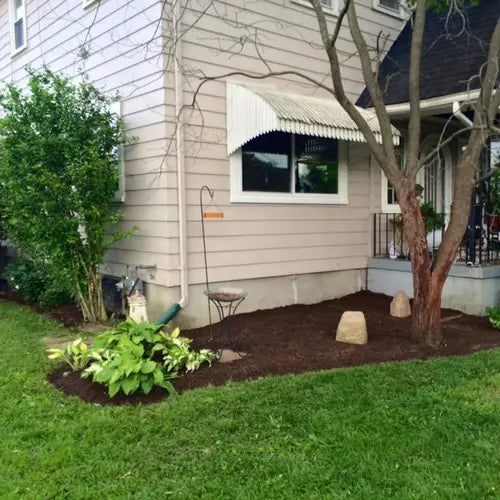
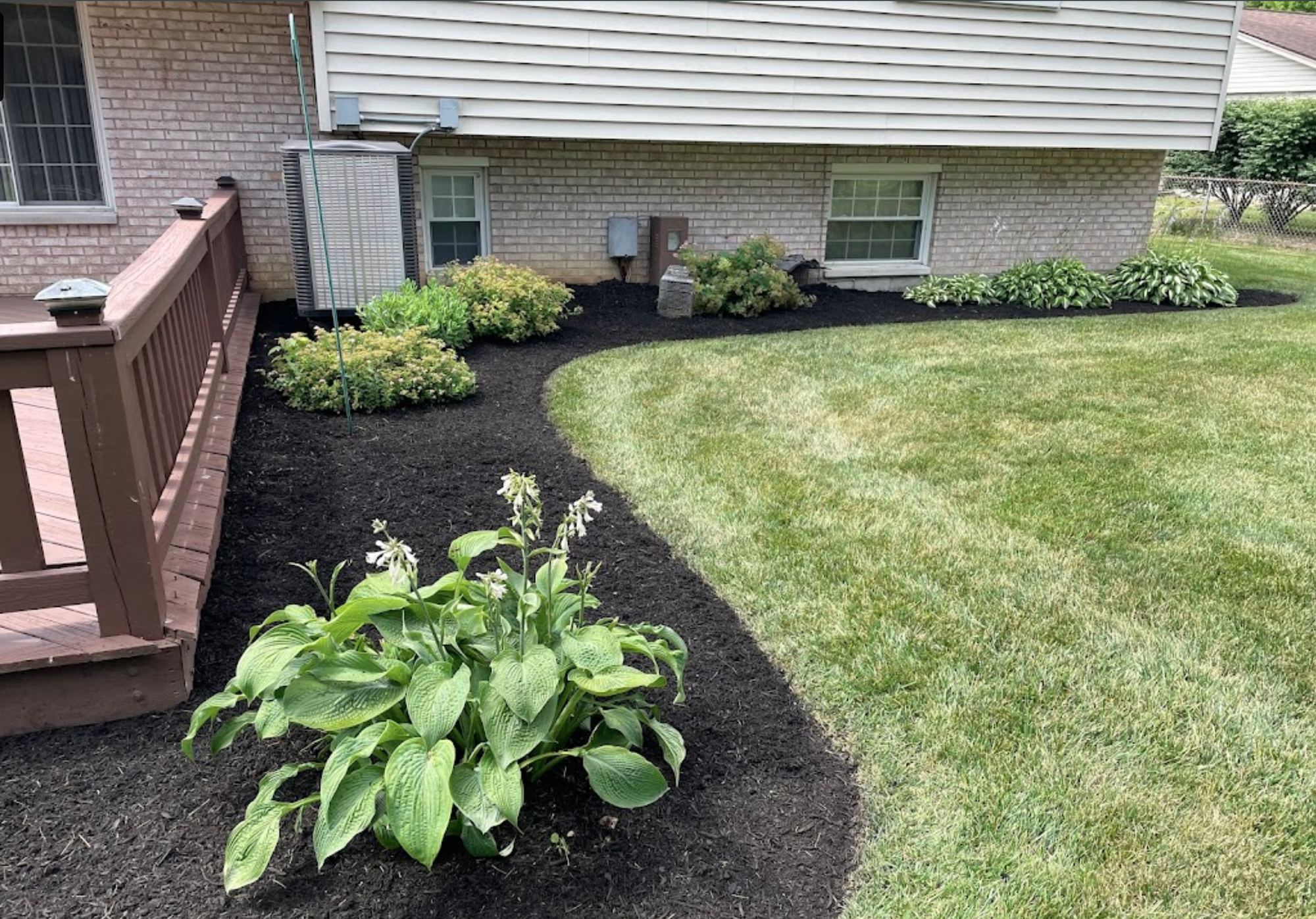
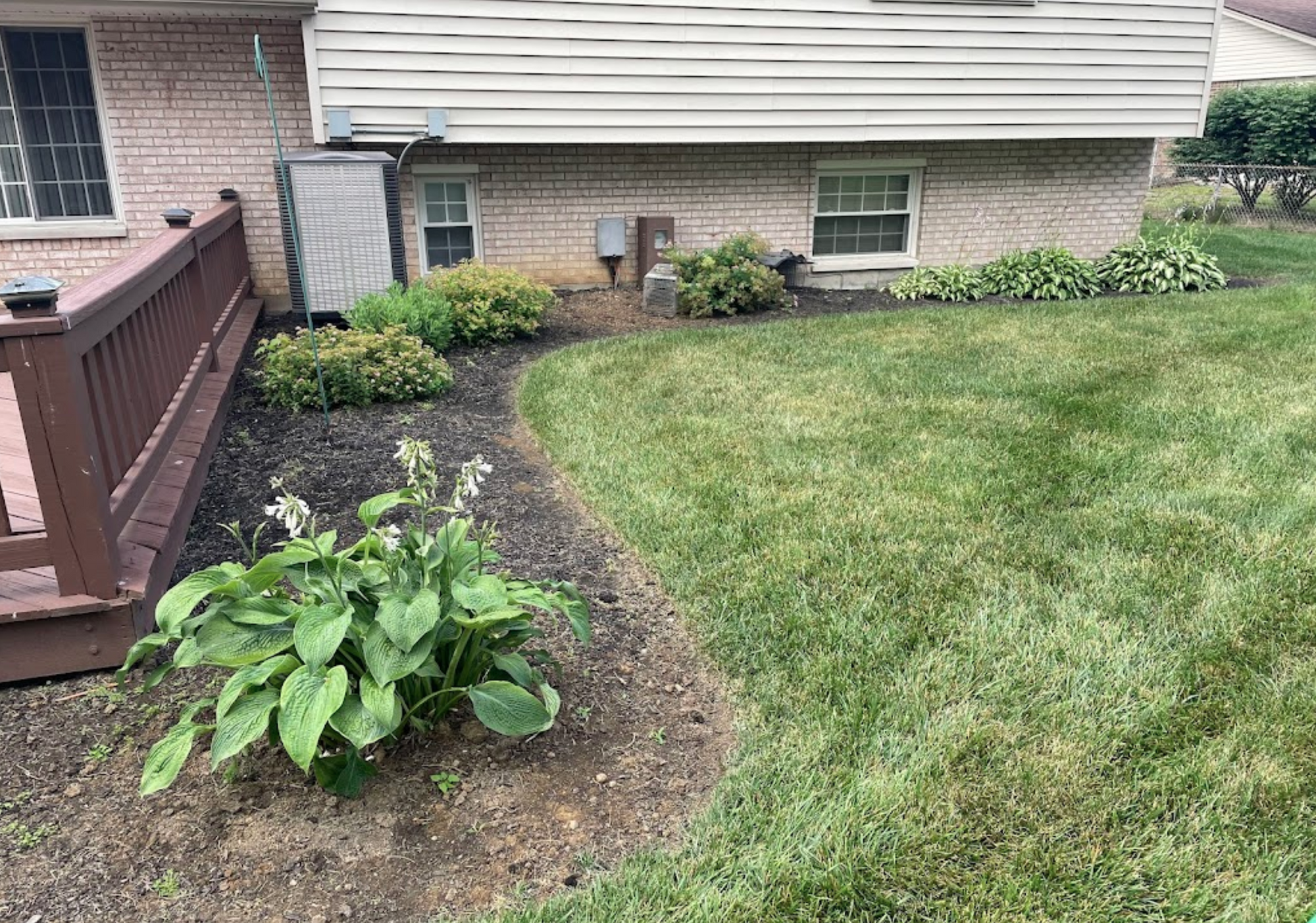
Mulch vs. No Mulch: The Difference
In Buckeye's growing zone 9b, the near-constant sun and low humidity cause organic mulch to break down and dehydrate faster than in most other parts of the country. The trade-off is that decomposed mulch feeds your sandy loam soil with organic matter it would otherwise never receive naturally. Choosing between organic and inorganic mulch here comes down to whether you want a living, evolving soil amendment or a permanent decorative and weed-suppressing layer.
Before
After
Best Mulch Choice for Buckeye Lawns
Most yards in the Buckeye area sit on type of soil. Buckeye's sandy loam soil has a naturally low organic matter content, which means plant beds drain so fast that roots struggle to access moisture between waterings. Organic mulch applied on top begins breaking down into the soil over time, gradually improving water retention and feeding the microbial life that makes nutrients available to plants.
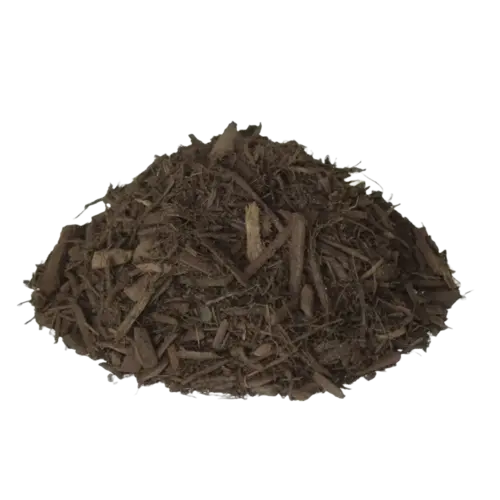
Hardwood Mulch
Hardwood mulch is particularly well-suited to improving Buckeye's sandy loam soil because it breaks down slowly and densely, adding compact organic matter rather than fluffy material that blows away in West Valley winds. As hardwood decomposes in contact with sandy loam, it bonds with soil particles and begins creating the kind of rich, moisture-retentive structure that plants from the nursery expect but rarely find in raw desert ground.
Complete Your Outdoor Mulch Project
Pairing mulch with a quality amended soil blend in new planting areas gives your plants the best possible foundation before you mulch over the top. If you are designing a mixed landscape, our decomposed granite and flagstone options complement wood mulch beautifully in Buckeye's desert aesthetic.
Before laying fresh mulch in Buckeye, water your planting beds deeply the day before. Sandy loam drains fast and if the underlying soil is completely dry when you apply mulch on top, it can actually slow moisture penetration during your next irrigation cycle. Starting with a moist soil base means the mulch layer immediately begins working as a moisture trap rather than sitting on top of powder-dry ground that repels water. This one step makes a measurable difference in how well your plants respond after mulching.
Mulch Mound Pro Tip
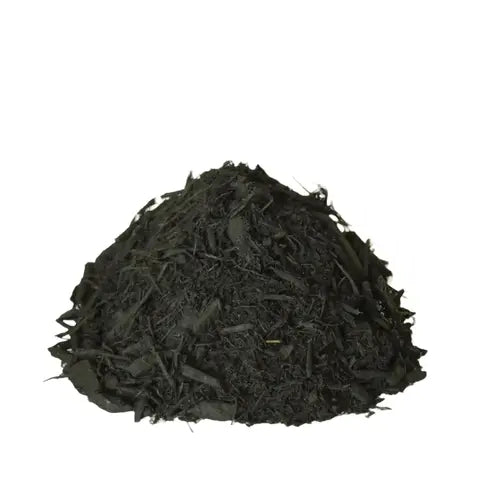
In Buckeye's intense sun, mulch color fades quickly, but dark-dyed mulches tend to show UV bleaching even faster than natural wood tones. If appearance matters as much as function, consider a natural hardwood or cedar mulch that weathers to a silvery gray gradually rather than fading in blotchy patches. Re-mulching every spring gives you a fresh look at the start of the growing season and lets you add organic matter back to your sandy loam before peak heat arrives.
Mulch Mound Pro Tip
Keep a small dedicated pile of mulch in a shaded corner of your property after your main install. Buckeye winds, especially from February through April, can blow lighter mulch out of beds and pile it against walls or fences. Having a small reserve on hand means you can quickly top off thin spots without waiting for a full delivery. Even a half cubic yard stored under a tarp is enough to maintain coverage in a typical front yard through one windy season.
Frequently Asked Questions
Click a question to see the answer
Answer
How thick should I apply mulch in Buckeye to actually make a difference in the summer heat?
In Buckeye's climate, a 3 to 4 inch layer is the minimum that delivers real temperature and moisture benefits. Going thinner than 2 inches in our summer heat leaves soil exposed enough that it heats rapidly and dries out between waterings. For large established trees and shrubs, a 4 inch layer pulled a few inches away from the trunk base is ideal. The goal is insulation, not just aesthetics.
Answer
Will wood mulch attract termites to my house here in Buckeye?
This is a very common concern for West Valley homeowners and a fair one. The key is keeping mulch at least 6 inches away from your foundation and any wood structural elements. Subterranean termites are present in the Buckeye area, but they are attracted to moist wood in direct contact with soil, not dry mulch sitting several feet from your house. Proper placement and avoiding direct contact with stucco or wood trim reduces your risk significantly.
Answer
Does mulch break down faster in Buckeye than it would in a cooler climate?
Yes, the intense UV exposure and heat in Buckeye accelerates the breakdown of organic mulches compared to what you would see in a climate with more shade, rain, and cooler temperatures. Most wood mulches will fade in color within one season and will partially decompose within two to three years. That decomposition is actually beneficial because it adds organic matter back into your sandy loam soil, but it does mean you will want to top off or refresh your mulch every year or two to maintain full coverage and effectiveness.
Answer
I have desert plants like palo verde and brittlebush. Do they actually need mulch or is bare gravel fine?
Gravel is a very common ground cover in Buckeye and it does help with erosion control and a clean look, but it absorbs and radiates heat in ways that can stress even heat-adapted desert plants. Organic mulch around the drip line of native and desert-adapted plants helps moderate soil temperature and encourages the shallow roots these plants rely on. Many West Valley landscapers use a combination approach with gravel in open areas and a ring of wood mulch directly around plant bases.
Answer
How many cubic yards of mulch do I need for my backyard beds?
Measure the length and width of each bed in feet, multiply them together to get square footage, then multiply that by 0.25 if you want a 3 inch layer, or by 0.33 for a 4 inch layer, and divide by 27 to convert to cubic yards. For example, a 200 square foot bed at 3 inches deep needs roughly 1.85 cubic yards. It is always smart to round up slightly because uneven soil surfaces and around-plant placement tends to use a bit more than the math suggests.
Answer
What is the best time of year to spread mulch in Buckeye?
Late February through April is the prime window for mulching in Buckeye. By then the last frost risk has passed on or around February 1, soil is beginning to warm, and you have the chance to lock in moisture before the brutal heat of May and June arrives. A second good opportunity is October and November when you can protect root systems heading into the mild winter and give the mulch time to settle before spring growth kicks back in.
Answer
Will mulch help with the weed pressure I get in my front yard beds?
Absolutely, and in Buckeye the most common culprits are Bermuda grass creeping in from neighboring turf areas, tumbleweeds, and puncturevine. A 3 to 4 inch layer of mulch blocks enough light to prevent most weed seeds from germinating successfully. It will not stop every weed, especially aggressive grasses that spread by runner, but it dramatically cuts down on the weeding time compared to bare soil or thin gravel coverage.
The Unique Landscape of Buckeye
Buckeye sits in one of the hottest and driest corridors of the Sonoran Desert, where summer soil temperatures can push past 140 degrees Fahrenheit at the surface and evaporation strips moisture away faster than most plants can absorb it. With only 8 inches of annual rainfall and a sandy loam base that drains quickly, plant beds in Buckeye lose water at a rate that makes unprotected soil almost inhospitable to roots during July and August. A properly applied layer of mulch acts as a thermal blanket and moisture barrier, keeping root zones cooler and dramatically reducing how often you need to run your drip irrigation. Buckeye homeowners who mulch their landscape beds consistently report healthier plants and noticeably lower water bills through the peak cooling months. The long frost-free window stretching from February 1 to December 15 means your plants are actively growing and drinking water for nearly ten months of the year, making consistent moisture retention a year-round priority. Mulch is not a cosmetic choice here, it is a functional tool for surviving and thriving in the West Valley desert.