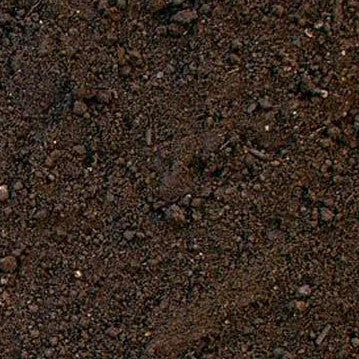
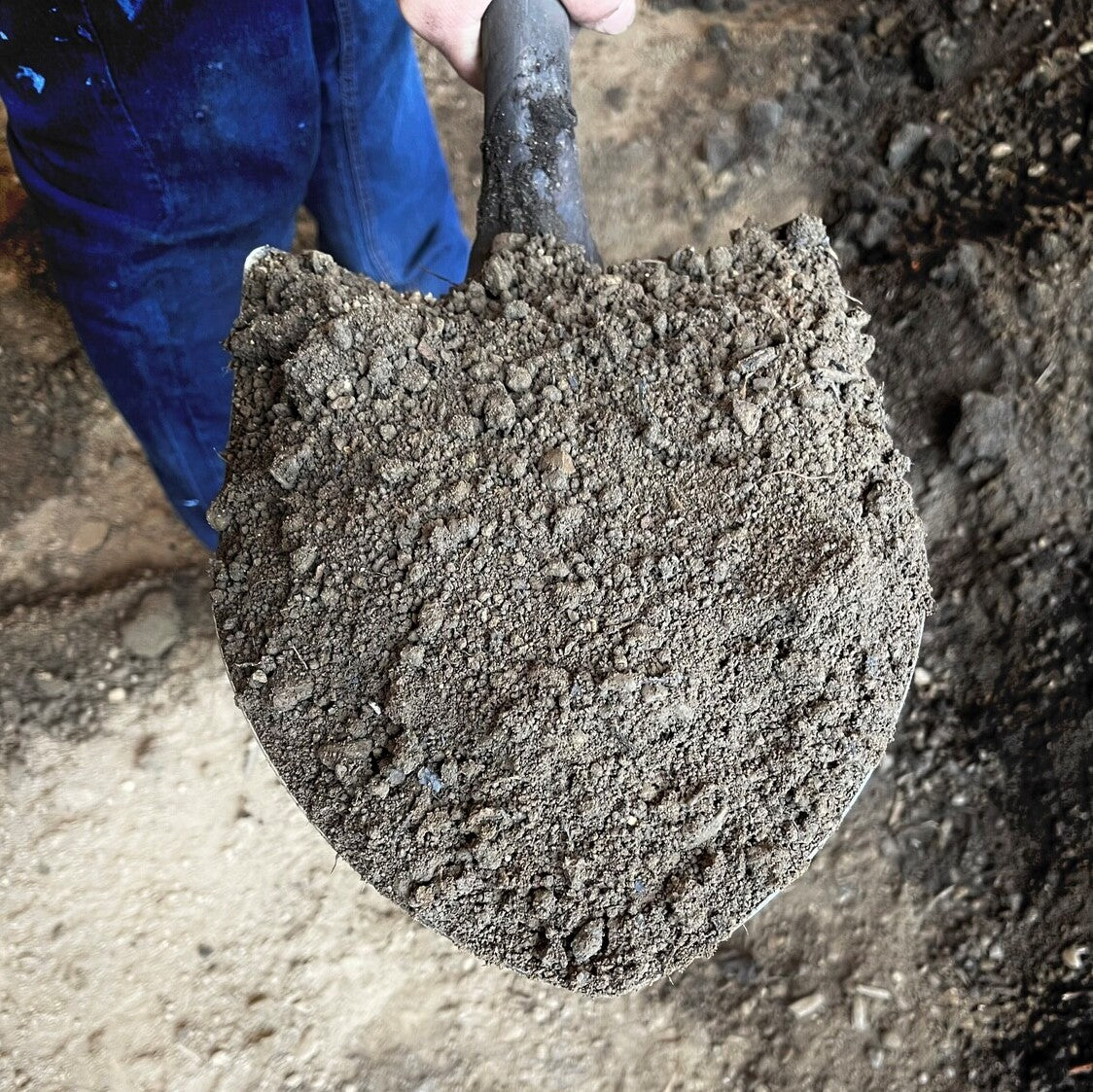
We ordered 3 yards of the garden soil, delivered mext day. We used in raised beds 6x3x2. It was more than needed for both but the soil looked good! I added some perlite to add some drainage since this is a little dense.
Tell us what you're looking for
Thanks! We received your request.
Something went wrong. Please try again.
How Much Material Do I Need?
New planting beds in Chula Vista typically need a minimum of 6 inches of quality soil to support healthy root development, while raised vegetable beds perform best at 12 inches of depth. Lawn topdressing and leveling applications usually call for half an inch to 1 inch spread evenly across the target area.
Use our free soil calculator
What is a Yard?
A yard is approximately 27 cubic feet. As a general guideline, one yard of material can cover an area of about 100-160 square feet at a 2-3 inch depth.
We ordered 3 yards of the garden soil, delivered mext day. We used in raised beds 6x3x2. It was more than needed for both but the soil looked good! I added some perlite to add some drainage since this is a little dense.
How Much Material Do I Need?
New planting beds in Chula Vista typically need a minimum of 6 inches of quality soil to support healthy root development, while raised vegetable beds perform best at 12 inches of depth. Lawn topdressing and leveling applications usually call for half an inch to 1 inch spread evenly across the target area.
Use our free soil calculator
What is a Yard?
A yard is approximately 27 cubic feet. As a general guideline, one yard of material can cover an area of about 100-160 square feet at a 2-3 inch depth.
We ordered 3 yards of the garden soil, delivered mext day. We used in raised beds 6x3x2. It was more than needed for both but the soil looked good!...
Read full review
We ordered 3 yards of the garden soil, delivered mext day. We used in raised beds 6x3x2. It was more than needed for both but the soil looked good! I added some perlite to add some drainage since this is a little dense.
For planting beds or raised garden areas, measure the length, width, and desired depth all in feet, then multiply the three numbers together to get cubic feet. Divide that result by 27 to convert to cubic yards, which is the unit bulk soil is sold in. If you have multiple areas or irregularly shaped spaces, calculate each one separately and add them together for your total order.
Complete Your Outdoor Soil Project
Top your fresh soil installation with a layer of quality mulch to lock in moisture and protect your soil investment through Chula Vista's dry summers. Decorative stone edging along bed borders is a popular finishing touch that keeps soil contained and gives your landscape a clean, polished look.
My Chula Vista backyard soil gets rock hard in summer. What kind of soil should I bring in?
The compaction you are seeing is very common with the alluvial clay-influenced soils found in many parts of Chula Vista. Bringing in an amended topsoil or garden blend that includes compost will help break up that dense texture, improve drainage, and give roots a more hospitable environment to grow through. Till the new material into the existing soil rather than just layering it on top for the best long-term results.
Answer
Can I grow vegetables year-round in Chula Vista and will better soil actually make a difference?
Yes, Zone 10a in Chula Vista supports vegetable gardening in every season, which is one of the real privileges of living in this climate. Quality amended garden soil makes a significant difference because year-round cultivation depletes nutrients quickly and the native soil alone often cannot keep pace with continuous plant demand. Refreshing your raised beds or in-ground plots with nutrient-rich garden soil each season keeps your vegetable garden productive without depending entirely on fertilizers.
Answer
How much topsoil do I need to level out a bumpy lawn area in my Chula Vista yard?
For topdressing and light leveling of an existing lawn, a layer of about half an inch to 1 inch of screened topsoil spread evenly is usually sufficient. For low spots that are more than 2 inches deep, filling in stages over two growing seasons is better than applying a thick layer all at once, which can smother grass. Measure your total square footage and use our calculator to determine cubic yards at your chosen depth.
Answer
Is the soil near the Chula Vista bayfront different from soil in the eastern hillside neighborhoods?
Yes, there is noticeable variation. Areas closer to San Diego Bay and lower elevation zones in western Chula Vista often have soils with more clay and silt content that can drain slowly and compact under foot traffic. The hillside communities farther east tend to have lighter, sandier soils that drain faster but retain less moisture and organic matter. Knowing your general soil type helps you choose the right soil amendment or blend when placing your order.
Answer
I am building raised veggie beds. What soil depth do I need and how much should I order?
For productive raised vegetable beds in Chula Vista, filling to a depth of 12 inches gives roots plenty of room and keeps the bed warm enough for year-round growing. For a standard 4 by 8 foot bed at 12 inches deep, you need just under 1.2 cubic yards of soil per bed. If you are building multiple beds, add up the total cubic footage for all of them and divide by 27 to get your total cubic yard order.
Answer
Will bulk soil delivery work for my sloped yard in Eastlake or Otay Ranch?
Bulk delivery works well for sloped properties as long as there is a flat or accessible spot near the street or driveway where the material can be safely placed. From there, you or a landscaper can move the soil to the slope in smaller loads using a wheelbarrow. Many Chula Vista homeowners in hillside communities use this method successfully for both erosion control projects and new planting installations on terraced slopes.
Answer
What is the difference between topsoil and garden soil and which one does my Chula Vista yard need?
Topsoil is a general-purpose material good for grading, filling low spots, and establishing lawns because it provides volume and a stable surface layer. Garden soil or amended blends include added compost, organic matter, and sometimes sand or perlite to create a richer growing medium ideal for flowers, vegetables, and shrubs. In Chula Vista where the growing season is essentially continuous, garden soil pays off in planting beds because plants are always actively drawing from it, while topsoil is the better choice for structural and lawn applications.
Mulch Mound Pro Tip
Chula Vista's year-round growing climate means your soil never truly gets a winter rest the way it would in colder regions. Continuous planting and harvesting cycles, especially in vegetable gardens, deplete organic matter faster than most homeowners realize. Adding a 2 inch layer of fresh garden soil or compost at the start of each new planting season replenishes nutrients and keeps soil texture loose and workable without relying solely on synthetic fertilizers.
Mulch Mound Pro Tip
When installing new plants or sod in Chula Vista, taking the extra step of tilling imported topsoil or garden blend into the existing native soil creates a blended transition zone that roots can move through easily. If you simply place new soil on top of compacted native alluvial soil without any mixing, roots sometimes hit that boundary layer and circle rather than penetrating deeper. A few passes with a tiller at 6 to 8 inches depth makes a meaningful difference in how quickly new plants establish.
Mulch Mound Pro Tip
Water management is the central challenge for Chula Vista gardeners, and soil quality is directly tied to irrigation efficiency. Dense or depleted soil sheds water at the surface rather than pulling it down to root depth, which wastes water and forces you to irrigate more frequently. Investing in quality amended soil that holds moisture effectively can reduce your overall irrigation needs by a meaningful margin, which matters both for your water bill and for staying mindful of regional water conservation goals.
The Unique Landscape of Chula Vista
Chula Vista's native alluvial soils were deposited over centuries by water movement and tend to be relatively fertile and well-draining in many neighborhoods, but they vary considerably in texture and organic content across the city. Areas closer to the bay and low-lying sections can have soils with higher clay content that compacts readily, while drier hillside neighborhoods may have sandier profiles that drain too quickly to support water-hungry plants through the long dry season. With only 9 inches of average annual rainfall and a growing season that effectively runs year-round in Zone 10a, the quality of your planting soil directly determines how well your plants perform through months of relying almost entirely on irrigation. Amended garden soil and quality topsoil blends help homeowners in Chula Vista build productive planting environments that work with irrigation systems rather than fighting against poor native soil conditions. Whether you are filling raised beds, establishing new lawn areas, or improving existing planting zones, bringing in quality bulk soil gives you a consistent foundation that native soil alone often cannot provide. The mild climate here means any soil investment pays off across all four seasons, since Chula Vista gardens are actively growing and producing throughout the entire year.