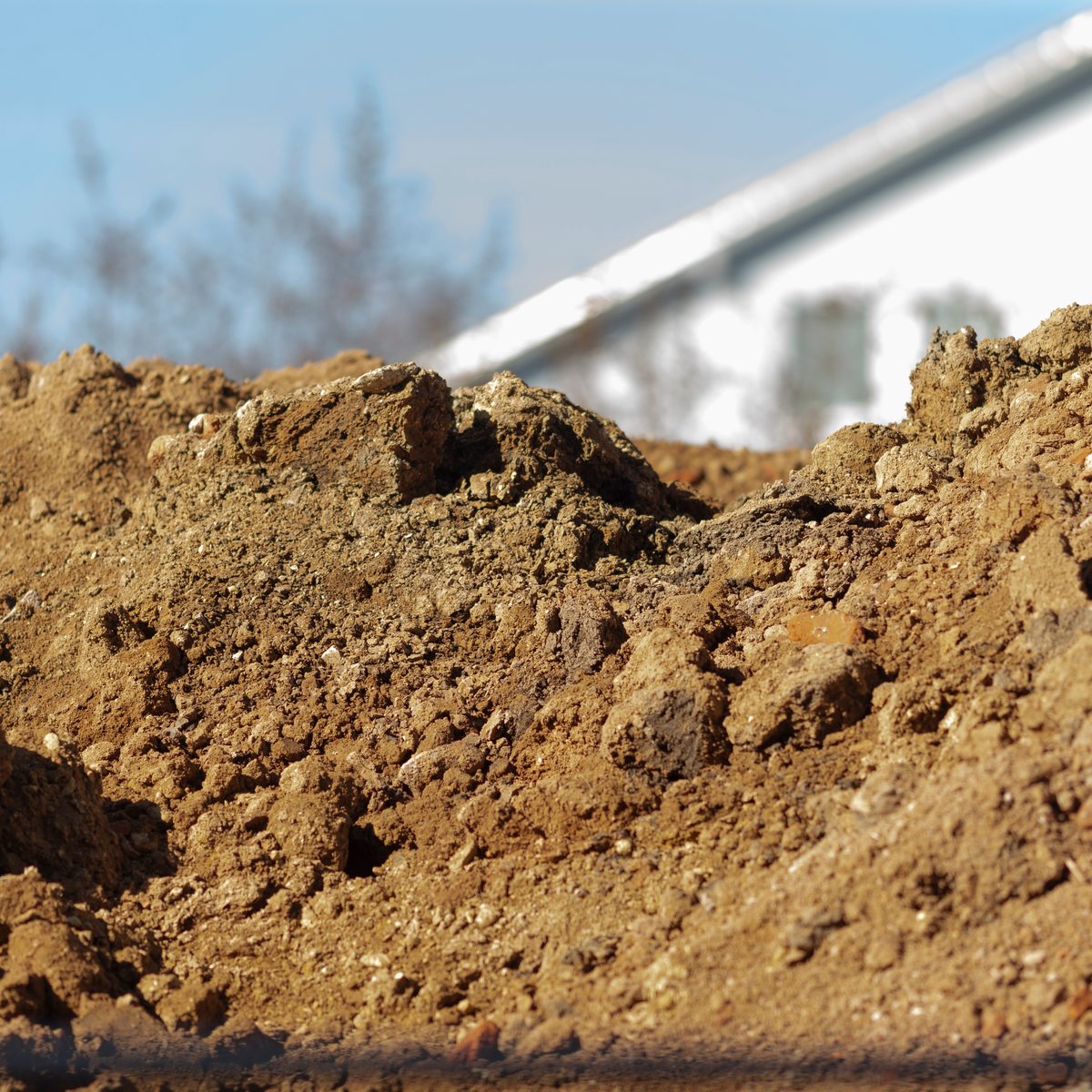
About this fill dirt

Inorganic subsoil for filling holes, raising low ground, and backfill. Small rocks and bits of stick or root are normal in the mix, this is structural material and not a growing medium. Do not use it to level a lawn surface or fill flower beds, put topsoil over it for anything you want to plant. Place it in lifts and compact as you go.

We have always spread our own mulch for the past 24 years. This was our first time with the Mulch Mound - things I liked: they have online ordering and provide a digital receipt which means you can remember how much you ordered (I always forget for the next year!), they were o...

One cubic yard of this fill dirt covers about 54 square feet at a 6 inch depth, and most structural jobs call for 6 to 12 inches depending on how much grade you're raising. Measure your low area or backfill zone in square feet, decide your target depth, and order in cubic yards from there rather than guessing by bag count. For pool backfill or foundation work, it's worth measuring the actual void rather than the surface footprint, since those spaces are often deeper than they look.

A yard is approximately 27 cubic feet. As a general guideline, one yard of material can cover an area of about 100-160 square feet at a 2-3 inch depth.

Chula Vista Fill Dirt Delivery

Chula Vista Fill Dirt Delivery

4.7
137 reviews
Regular price $38.00 per Yard
Regular price Sale price $38.00
Sale Sold out
Shipping calculated at checkout.
Type
Size
Minimum of 3 Yard
Hand-picked local yards
4,000+ regional deliveries
Dedicated support
Why order through Mulch Mound

The best local fill dirt, without the guesswork.

We hand-pick and partner with the best yards in your region, keep only the ones our buyers rate well, and back each load with our guarantee.

Mulch Mound Guarantee

If your fill dirt isn't the quantity or quality you ordered, we'll make it right.

About this fill dirt

Inorganic subsoil for filling holes, raising low ground, and backfill. Small rocks and bits of stick or root are normal in the mix, this is structural material and not a growing medium. Do not use it to level a lawn surface or fill flower beds, put topsoil over it for anything you want to plant. Place it in lifts and compact as you go.

We have always spread our own mulch for the past 24 years. This was our first time with the Mulch Mound - things I liked: they have online ordering and provide a digital receipt which means you can remember how much you ordered (I always forget for the next year!), they were o...

One cubic yard of this fill dirt covers about 54 square feet at a 6 inch depth, and most structural jobs call for 6 to 12 inches depending on how much grade you're raising. Measure your low area or backfill zone in square feet, decide your target depth, and order in cubic yards from there rather than guessing by bag count. For pool backfill or foundation work, it's worth measuring the actual void rather than the surface footprint, since those spaces are often deeper than they look.

A yard is approximately 27 cubic feet. As a general guideline, one yard of material can cover an area of about 100-160 square feet at a 2-3 inch depth.

View full details

How It Works

Getting started is easy — just follow these simple steps

1

Choose your quantity

Adjust the quantity to match your project. One cubic yard covers about 100 to 160 square feet at a 2 to 3 inch depth.

2

Select your delivery date

Select a delivery date you'd like for the product to be dropped off at your home

3

Sit back and wait

Sit back, wait, and let us work our magic to make sure the highest quality product is delivered to your driveway.

From The Mouths of Chula Vista Folks

4.7
out of 5 based on 137 reviews
Google Reviews

Complete Your Outdoor Project

Most jobs that need fill dirt also need a layer of topsoil on top before anything grows, since fill is a structural base and not a growing medium. If you're building up a planting area or lawn section, ordering both in the same delivery window keeps the project moving instead of waiting on a second load. Some Chula Vista customers also pair fill with a gravel base under pavers or sheds where drainage matters more than depth.

Mulch Mound Pro Tip

Do not dump fill dirt in one deep pour and walk away. Spread it in 6 to 8 inch lifts and compact each one with a plate compactor or hand tamper before adding the next layer. In Chula Vista's alluvial soil, skipping this step means the fill keeps settling for months or years, which shows up later as a sunken patio slab or a low spot reappearing right where you just fixed it.

Mulch Mound Pro Tip

A common mistake here is treating fill dirt like topsoil and planting straight into it. It has no nutrient value and often compacts too hard for roots to push through. Cap finished fill with 4 to 6 inches of real topsoil anywhere you want lawn, shrubs, or citrus, and keep the fill itself for the structural work underneath decks, patios, and backfilled walls.

Mulch Mound Pro Tip

If you're raising a large low area, order fill and topsoil together instead of scheduling separate deliveries, since a single trip covers both layers of the job and you're not paying for two setups. It also means the fill has time to be compacted and settled before the topsoil goes on, instead of scrambling to coordinate two trucks on two different days.

Grading and Filling in Chula Vista

Chula Vista sits low, around 66 feet in elevation, with alluvial soil that tends to settle and hold water rather than drain fast. That combination is exactly why fill dirt gets used here, to raise low spots in the yard, build pad height before a patio or shed, or backfill around pool shells and foundation walls. Because the native soil already compacts unevenly, skipping proper lift compaction on new fill just adds to the settling problem instead of fixing it. This material is meant to be a structural base, so plan on capping it with topsoil wherever grass, shrubs, or the citrus trees this area is known for will go back in.

What Fill Dirt Is

Fill dirt is inorganic subsoil sold for volume and grade, not for growing. Small rocks and bits of stick or root are normal in the mix. It compacts predictably, which is exactly what you want under slabs, in trenches, and behind walls.

Fill Dirt vs Topsoil

Fill dirt builds the shape of the ground, topsoil grows things on top of it. Bring the grade up with fill, then cap it with 4 to 6 inches of topsoil anywhere grass or plants are going in.

Compact in Lifts

Place fill in layers of 4 to 6 inches and compact each one before adding the next. Dumping the full depth at once leaves voids that settle later, and settling is the one problem fill is supposed to solve.

Frequently Asked Questions

Click a question to see the answer

Answer

Can I use fill dirt to level my whole backyard in Chula Vista?

Yes, fill dirt is the right material for raising a low yard, but it needs to go down in compacted 6 to 8 inch lifts rather than one thick pour, especially given how the alluvial soil here tends to settle unevenly. Once the fill is compacted to your target height, cap it with topsoil if you plan to plant grass or shrubs.

Answer

How many cubic yards do I need to raise a 300 square foot low spot by 8 inches?

At 6 inches, one cubic yard covers about 54 square feet, so for 8 inches you'd need roughly 8 cubic yards to cover 300 square feet, accounting for the deeper fill. Add a bit extra for compaction settling, since the material loses volume as each lift gets tamped down.

Answer

When is the best time to bring in fill dirt around here?

Fill dirt is project driven rather than seasonal, so timing depends on your build schedule more than the calendar. That said, working before the wetter months around the Dec 10 first frost window means drier soil conditions for compaction, which makes each lift easier to tamp solid.

Answer

Where will the truck put the fill dirt when it arrives?

The load gets dumped in a single accessible spot, typically a driveway or curbside area, since the truck cannot drive across lawns or tight side yards. Make sure there's clear access wide enough for a delivery truck and a spot ready to receive the pile before it arrives.

Answer

Should I get fill dirt or topsoil for backfilling around my pool?

Fill dirt is the right call for pool backfill, since it's a structural material meant to be compacted in lifts around the shell rather than a growing medium. Topsoil is too loose and organic for that job and will settle unevenly. Save topsoil for the surface layer if you're planting grass around the pool deck afterward.

More delivery around Chula Vista, California

All Chula Vista, California landscape supply
