




Very happy with the ease of ordering. Delivery went exactly as planned. Garden soil looks great and couldn’t be happier.
About this soil
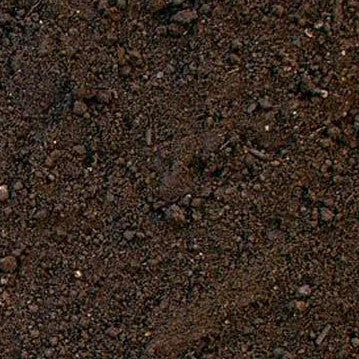
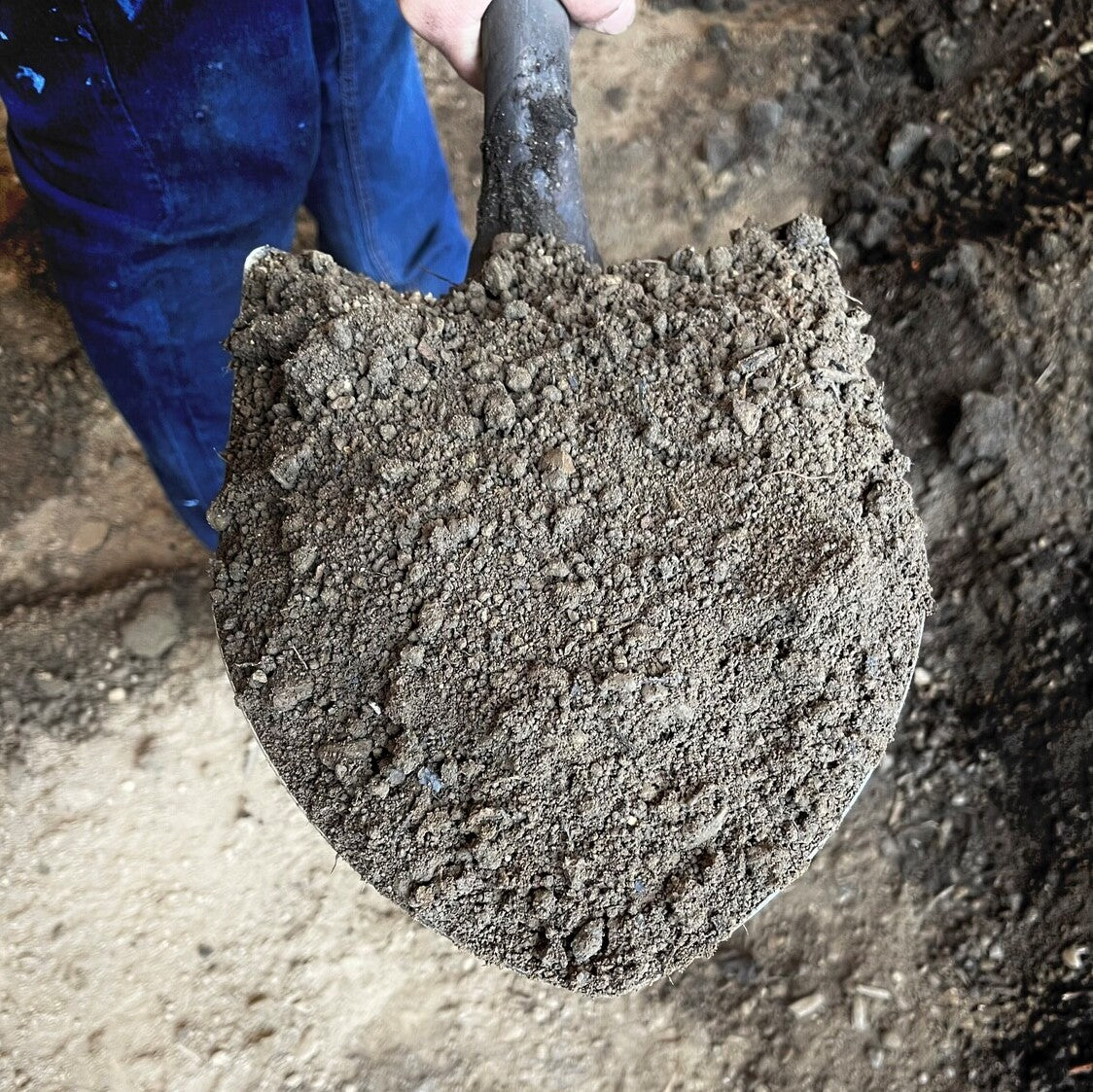
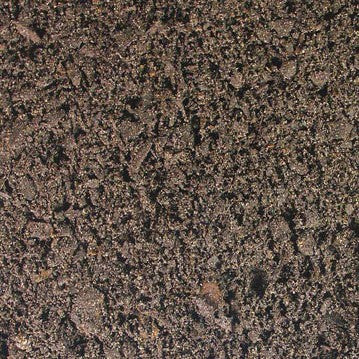
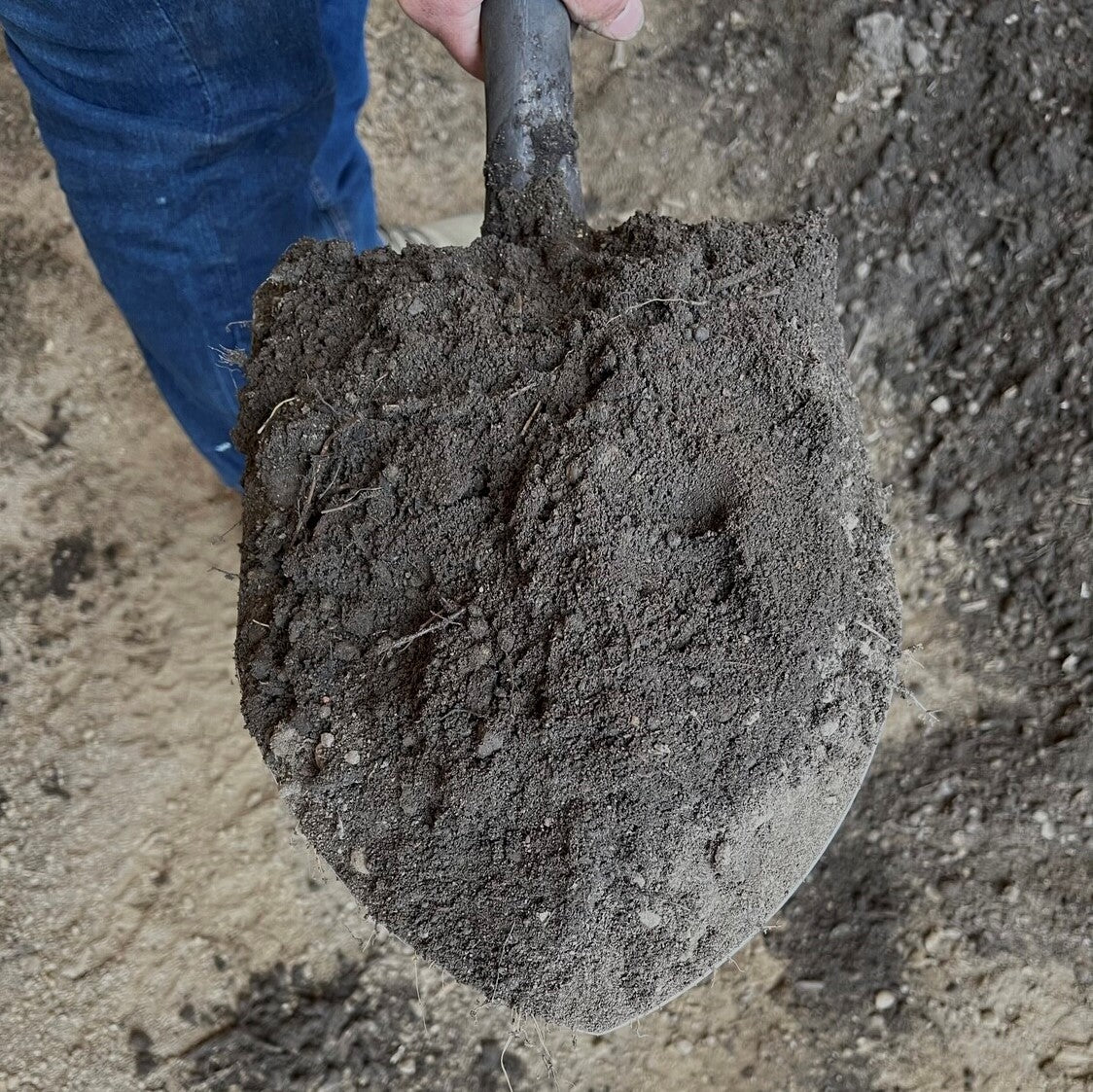
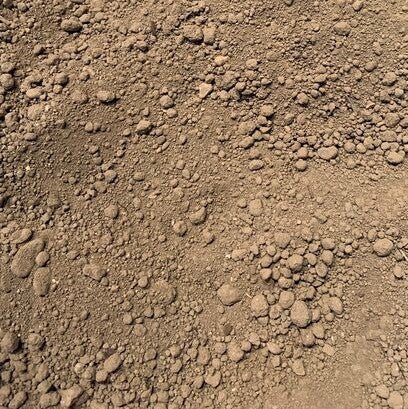
Screened topsoil with a fine, even texture. Ideal for new lawns, sod prep, and raised garden beds.
Very happy with the ease of ordering. Delivery went exactly as planned. Garden soil looks great and couldn’t be happier.
Tell us what you're looking for
Thanks! We received your request.
Something went wrong. Please try again.
How Much Material Do I Need?
How Much Material Do I Need?
For new planting beds over Culpeper clay, plan on a minimum of six inches of topsoil depth, which works out to roughly two cubic yards per 100 square feet. Raised vegetable beds built on top of existing clay need at least ten to twelve inches of depth to give most crops the root room they need through the full growing season.
Use our free soil calculator
What is a Yard?
What is a Yard?
FAQs
FAQs
Culpeper Soil Delivery
Culpeper Soil Delivery
Regular price
$64.00
per
Yard
Regular price
Sale price
$64.00
Unit price
per
Shipping calculated at checkout.
Minimum of 3 Yard
Couldn't load pickup availability
Not currently available
We can't take orders for this right now. Tell us what you need and we'll get back to you.
Hand-picked local yards
4,000+ regional deliveries
Dedicated support
Why order through Mulch Mound
The best local , without the guesswork.
We hand-pick and partner with the best yards in your region, keep only the ones our buyers rate well, and back each load with our guarantee.
Mulch Mound Guarantee
If your isn't the quantity or quality you ordered, we'll make it right.
About this soil
Screened topsoil with a fine, even texture. Ideal for new lawns, sod prep, and raised garden beds.
Very happy with the ease of ordering. Delivery went exactly as planned. Garden soil looks great and couldn’t be happier.
How Much Material Do I Need?
How Much Material Do I Need?
For new planting beds over Culpeper clay, plan on a minimum of six inches of topsoil depth, which works out to roughly two cubic yards per 100 square feet. Raised vegetable beds built on top of existing clay need at least ten to twelve inches of depth to give most crops the root room they need through the full growing season.
Use our free soil calculator
What is a Yard?
What is a Yard?
FAQs
FAQs
Tell us what you're looking for
Thanks! We received your request.
Something went wrong. Please try again.
How It Works
Getting started is easy — just follow these simple steps
1
Choose your soil
Make sure you adjust the quantity to your home's needs. You can use our calculator to estimate how much you'll need.
2
Select your delivery date
Select a delivery date you'd like for the product to be dropped off at your home
3
Sit back and wait
Sit back, wait, and let us work our magic to make sure the highest quality product is delivered to your driveway.

Really appreciate the care and follow thru that this company had with our order. A hiccup came up but they were quick to respond and address all co...
Read full review
Really appreciate the care and follow thru that this company had with our order. A hiccup came up but they were quick to respond and address all concerns, which made our garden day a success! Thank you for your prompt care.

Highest compliments. Great driver.
Website is easy to navigate. Just a seamless process. 5 stars!!
Need Help Calculating How Much Soil You Need?
Use our NEW Trace from Satellite tool to get an estimate for your project based on an aerial view of your property
Try Our CalculatorFor raised beds, multiply the interior length by the width by the depth in feet and divide by 27 to get cubic yards. For topdressing lawns or grading projects, multiply the area in square feet by the depth in feet and divide by 27. Culpeper clay tends to settle more than most soils after a few good rains, so ordering ten percent more than your calculated volume is a good practice for beds you want to stay full through the growing season.
Complete Your Outdoor Soil Project
Most Culpeper soil projects finish stronger with a layer of hardwood mulch placed over the new soil to protect it from surface compaction and moisture loss through the summer. If you are building beds in a high-traffic or high-visibility area, consider adding a border of decorative stone to define the edges and keep soil from washing onto your lawn or hardscape.
Service area
Areas we deliver soil in Culpeper, Virginia
Mulch Mound Pro Tip
Before your bulk soil delivery arrives, walk your bed areas and remove as much of the existing sod and surface vegetation as you can. Culpeper's red clay holds grass and weed roots tenaciously, and burying live material under new topsoil means you will be fighting regrowth through the bottom of your beds all season. A square-edge spade, a rented sod cutter for larger areas, or a layer of cardboard as a weed barrier under new soil are all effective approaches depending on the scale of your project.
Mulch Mound Pro Tip
Culpeper's growing season runs from mid-April through late October, giving you a long productive window, but your soil needs to be ready before it opens. Consider scheduling a fall soil delivery to build or amend your beds in September or October. The soil will settle naturally over winter, earthworm activity will begin working organic matter downward, and you will be ready to plant the moment your last frost date passes in mid-April without spending the best planting weeks moving dirt instead of putting plants in the ground.
Mulch Mound Pro Tip
When ordering topsoil for clay amendment projects in Culpeper, ask specifically for screened topsoil rather than fill-grade material. Fill grade is appropriate for grading and leveling projects where drainage and fertility are not the priority, but it often contains too much subsoil clay to meaningfully improve your existing red clay beds. Screened topsoil has larger organic particle content and better immediate structure, which makes a real difference in how quickly new plantings establish through their first growing season.
The Unique Landscape of Culpeper
Culpeper sits on a foundation of heavy red clay that presents real challenges for anyone trying to establish lawns, gardens, or new planting beds from scratch. That clay is dense, poorly drained, and tends to crack in the dry heat of a Virginia summer while becoming sticky and unworkable after spring rains. Bringing in quality amended topsoil or garden soil gives your plants a root environment that actually supports growth rather than fighting it. With a frost-free growing window running from mid-April to late October, Culpeper gardeners need soil that gets plants established quickly and sustains them through hot, humid summers. Bulk soil delivery allows you to make a meaningful improvement to your growing conditions without the expense and effort of hauling dozens of small bags from a store.