I can’t say enough good things about Mulch Mound! If you read my review below you will see I had a problem with my order. Mulch Mound was quick to respond and solved the issue with my delivery. Will definitely be a customer next year.
First time purchase...
Tell us what you're looking for
Thanks! We received your request.
Something went wrong. Please try again.
How Much Material Do I Need?
For Fontana's intense summer heat and low annual rainfall, we recommend a minimum of 3 inches of mulch in all planting beds, with 4 inches in exposed full-sun areas or around young trees. Going below 2 inches in Fontana's climate leaves too little insulation to meaningfully reduce soil temperatures or slow evaporation.
Use our free mulch calculator
What is a yard?
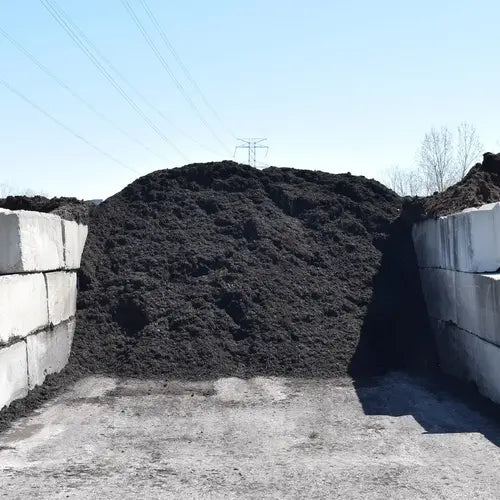
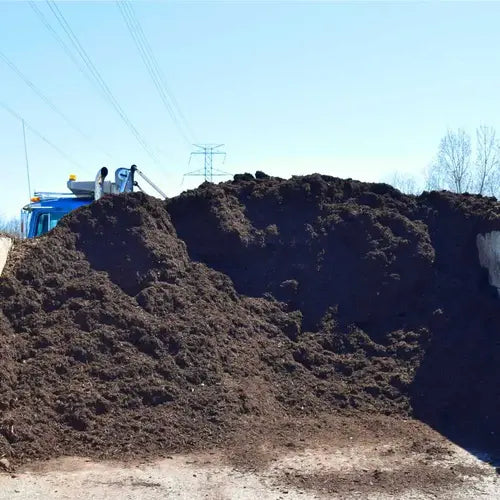
A yard is approximately 27 cubic feet. As a general guideline, one yard of material can cover an area of about 100-160 square feet at a 2-3 inch depth.
I can’t say enough good things about Mulch Mound! If you read my review below you will see I had a problem with my order. Mulch Mound was quick to respond and solved the issue with my delivery. Will definitely be a customer next year.
First time purchase...
How Much Material Do I Need?
For Fontana's intense summer heat and low annual rainfall, we recommend a minimum of 3 inches of mulch in all planting beds, with 4 inches in exposed full-sun areas or around young trees. Going below 2 inches in Fontana's climate leaves too little insulation to meaningfully reduce soil temperatures or slow evaporation.
Use our free mulch calculator
What is a yard?
A yard is approximately 27 cubic feet. As a general guideline, one yard of material can cover an area of about 100-160 square feet at a 2-3 inch depth.
I can’t say enough good things about Mulch Mound! If you read my review below you will see I had a problem with my order. Mulch Mou...
Read full review
UPDATE!
I can’t say enough good things about Mulch Mound! If you read my review below you will see I had a problem with my order. Mulch Mound was quick to respond and solved the issue with my delivery. Will definitely be a customer next year.
First time purchase from Mulch Mound!! First what I liked! Easy to order online and straight forward pricing and delivery. The driver was on time and courteous and delivered my Mulch exactly where I requested! The product is of good quality and comparable to others I have purchased from before. Now what I DID’NT LIKE! I have been mulching the same house and yard for almost 20 years. I always order the same amount and don’t have any issues with covering the same area but this year I fell about a yard short. I was home when the mulch was delivered and when the driver dumped it I noticed that it seemed a bit less than I was used to. I didn’t apply it any thicker than usual and probably a bit thinner than usual because I was worried about running out.
Mulch Mound made it so easy! So happy with the pricing, turn around time, delivery and product. I submitted my online order on a Thursday. The mu...
Read full review
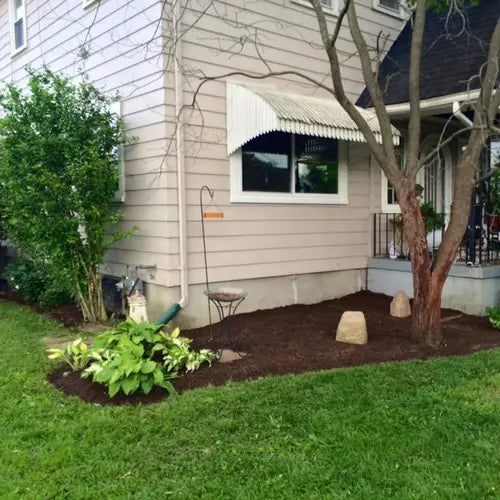
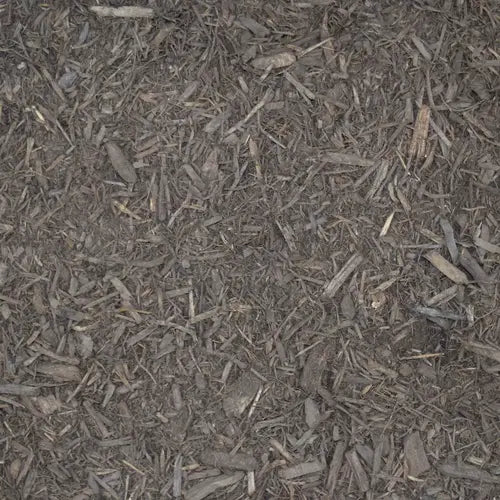
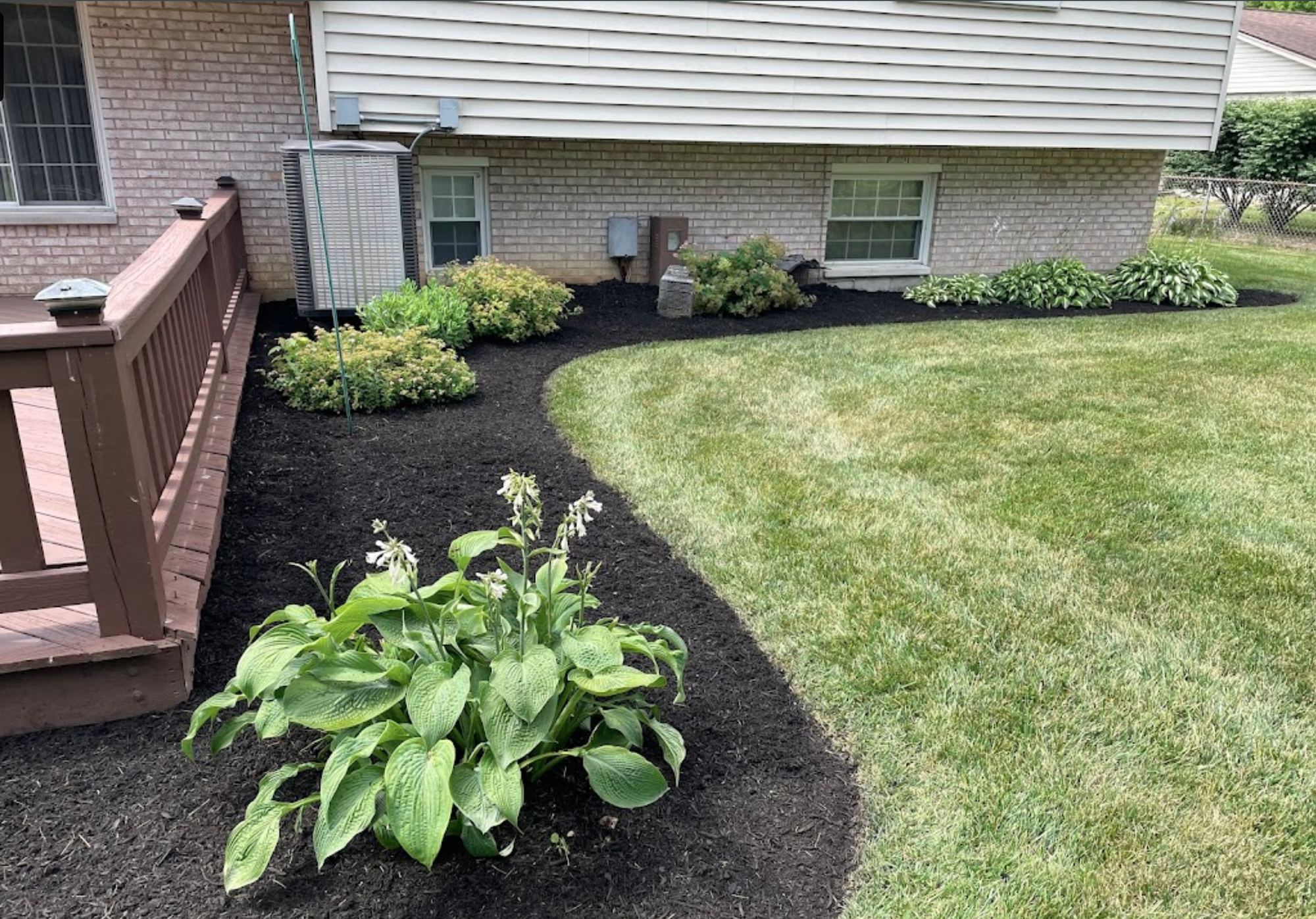
Mulch Mound made it so easy! So happy with the pricing, turn around time, delivery and product. I submitted my online order on a Thursday. The mulch was delivered to the designated location by a local landscape company at 8:30 a.m. the following Saturday morning. We had the job completed by that afternoon. We chose the natural brown mulch, and the plant beds are beautiful.
Measure the length and width of each bed in feet, then multiply those two numbers together to get square footage. Divide that number by 100 and multiply by the depth in inches you want to apply, then divide by 3 to convert to cubic yards. Fontana beds often have irregular shapes around boulders or desert plants, so breaking the space into smaller rectangles and adding them up gives you the most accurate estimate.
Mulch vs. No Mulch: The Difference
Fontana's combination of Zone 10a heat, low humidity, and intense sun means organic mulches break down faster here than in most California cities. That accelerated decomposition is actually a benefit for clay soil improvement over time, but it does mean you will need to replenish coverage more frequently than a homeowner in a cooler coastal city. Non-organic mulches like decomposed granite or rubber chips hold their volume longer but do not offer the same soil-building benefits that Fontana's nutrient-poor clay soil needs.
Before
After
Best Mulch Choice for Fontana Lawns
Most yards in the Fontana area sit on type of soil. Clay soil in Fontana compacts under foot traffic and irrigation pressure, forming a dense layer that roots struggle to penetrate and water struggles to enter. Organic mulch on top of clay acts as a buffer, reducing surface compaction while the slow decomposition of mulch material feeds the biology that gradually opens up clay structure.
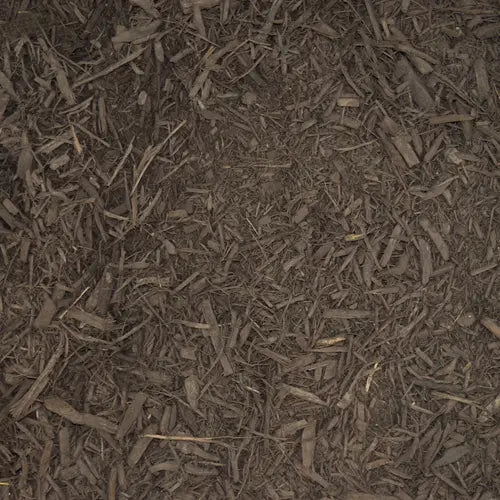
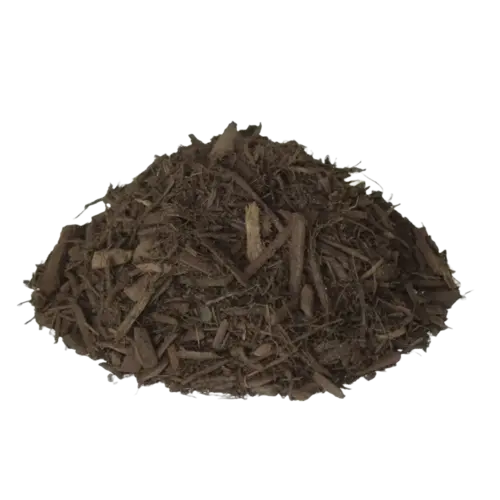
Hardwood Mulch
Hardwood mulch is especially effective over Fontana's clay soil because its denser fiber structure breaks down more slowly, feeding soil microbes and earthworms over a longer period. Those organisms are the primary drivers of clay improvement, and hardwood mulch gives them a sustained food source that lighter mulches like straw or grass clippings cannot match.
Complete Your Outdoor Mulch Project
Pair your mulch order with a delivery of amended planting soil to fill new beds before you mulch over them. Adding a base of quality soil under your mulch layer gives roots something nutrient-rich to grow into as they push past Fontana's dense native clay.
Before you spread any mulch, water your beds deeply first. Fontana's clay soil can become so dry and compacted during summer that moisture has trouble moving through it. A thorough soaking the day before mulching means the soil underneath starts out hydrated, and the mulch you apply on top will trap that moisture right where plant roots need it most. Dry clay under mulch just stays dry.
Mulch Mound Pro Tip
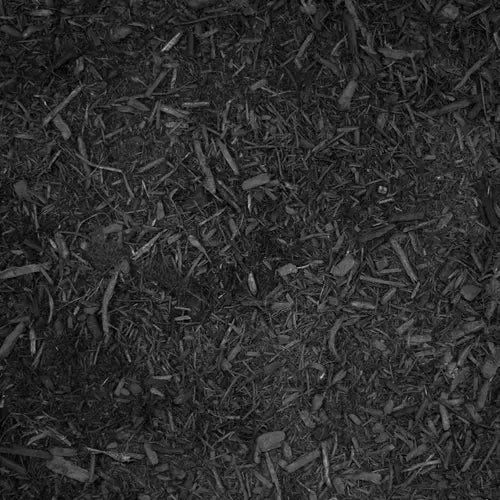
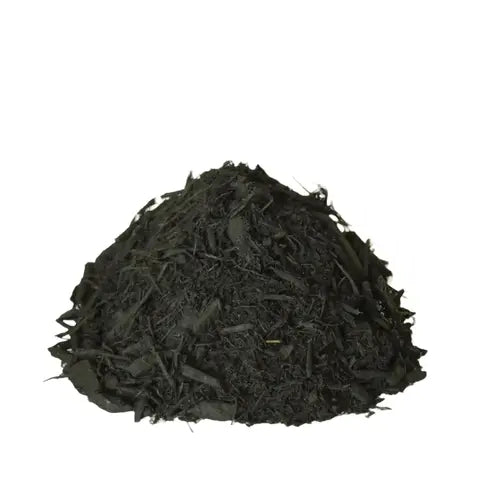
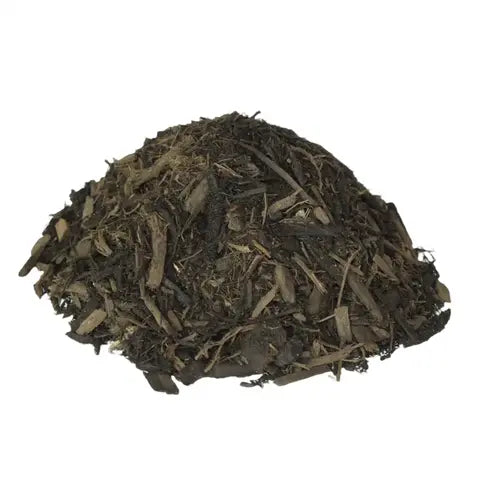
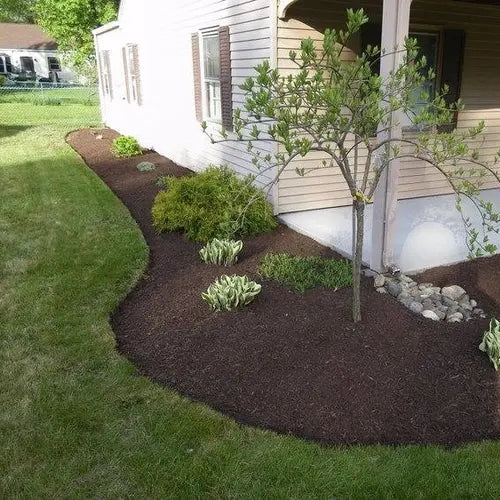
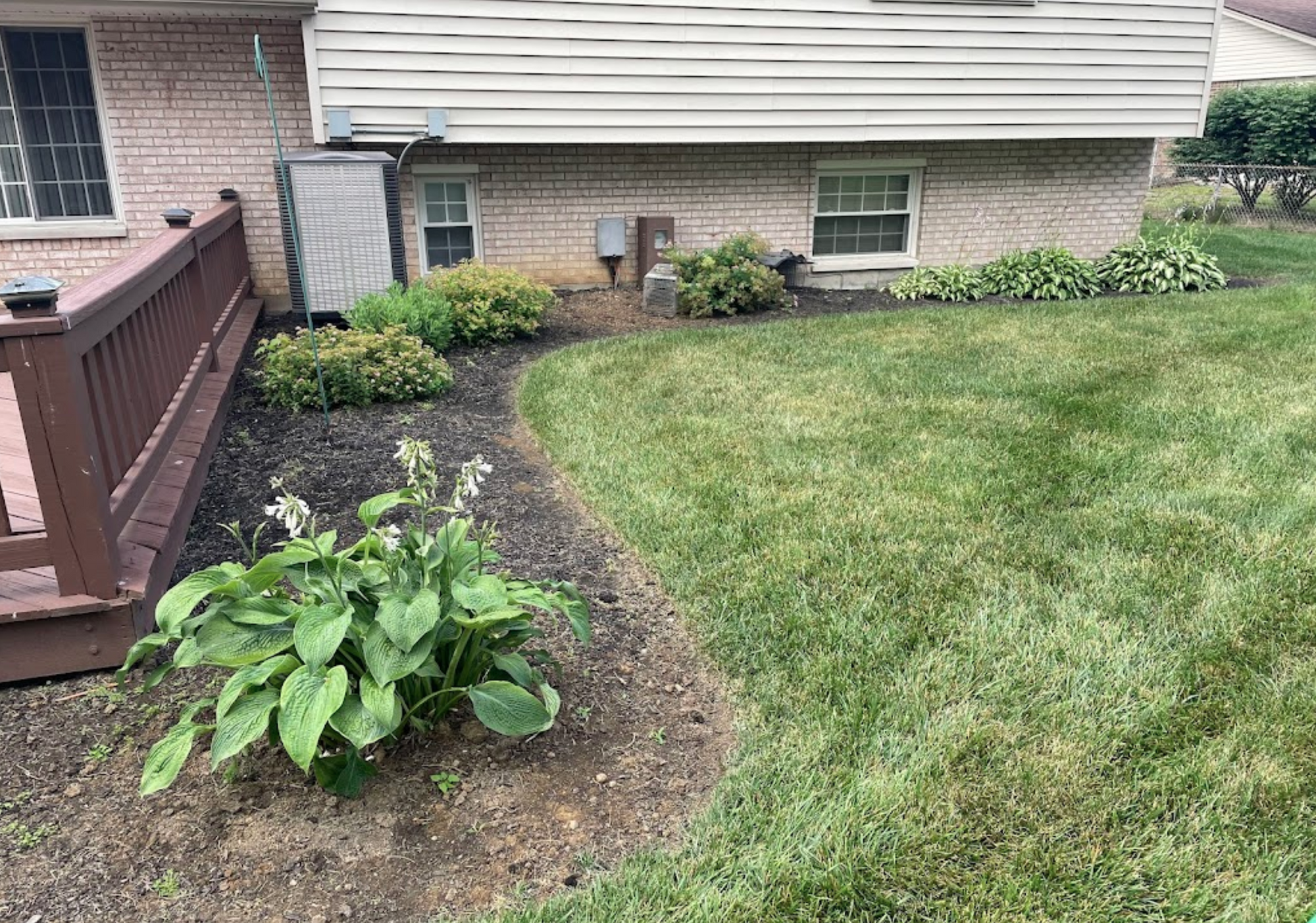
Choose a mulch color that reflects your home's exterior. Fontana's bright sun and warm tones in many Inland Empire neighborhoods pair naturally with red or brown bark mulches that enhance curb appeal while doing real horticultural work. Darker black mulch absorbs more heat, which can be a drawback in Fontana's climate for sensitive plants, but works well in shaded beds where extra warmth is not a concern.
Mulch Mound Pro Tip
Time your mulch delivery for late February or early March, right after Fontana's last average frost date of January 26. Applying fresh mulch at the start of the growing season means your beds are protected before temperatures start their spring climb. You will get the most value from your mulch investment by putting it down before the heat arrives rather than trying to play catch-up in June when the Inland Empire heat is already in full swing.
Frequently Asked Questions
Click a question to see the answer
Answer
How often do I need to reapply mulch in Fontana's heat?
In Fontana's Zone 10a climate, organic mulches like wood chips and shredded bark break down faster than they would in cooler regions because the heat accelerates microbial activity. Most homeowners find they need to top off beds once a year, usually in early spring before temperatures climb. If you applied a full 3-inch layer the previous year, a 1-inch refresh is often enough to restore coverage and color.
Answer
Will mulch actually make a difference during a Fontana summer heatwave?
Yes, and the difference is measurable. Studies on hot inland climates show that a 3-inch mulch layer can keep soil temperatures 10 to 15 degrees cooler than bare ground on days when air temps hit triple digits. For plants growing in Fontana's clay soil, that cooler root zone can be the difference between a stressed plant and a thriving one through July and August.
Answer
My soil in Fontana is really heavy clay. Will mulch help or make it worse?
Mulch is one of the best tools you have for managing Fontana's clay soil. As organic mulch slowly decomposes, it feeds earthworms and microbes that break up clay structure over time. It also prevents the surface crusting that clay is notorious for, which means your irrigation water will soak in rather than run off across your driveway.
Answer
Is there a mulch type that holds up better against Fontana's Santa Ana wind events?
Heavier mulches like shredded hardwood or chunky bark nuggets resist wind displacement better than fine or lightweight materials. In areas of your yard that are more exposed to strong Santa Ana gusts, stick with a coarser texture and press the mulch firmly around plant bases. Fine shredded mulch works great in sheltered beds but may scatter in open, windy areas.
Answer
Can I use mulch around my citrus trees here in Fontana?
Absolutely, but keep the mulch a few inches away from the actual trunk to prevent collar rot, which can be a problem when mulch traps moisture directly against bark. Citrus trees in Fontana benefit enormously from a 3 to 4 inch mulch ring extending out to the drip line because it reduces the watering frequency needed to keep roots cool during the long, dry summers.
Answer
How much mulch do I need for a typical Fontana front yard planting bed?
A standard front yard bed in Fontana, roughly 10 feet by 20 feet, needs about 2 cubic yards of mulch to achieve a 3-inch depth, which is the minimum we recommend given the heat and low rainfall. Use the MulchMound calculator to enter your exact dimensions and it will give you a precise cubic yard number so you do not over-order or come up short.
Answer
Does mulch help during Fontana's brief winter frost period?
It does, though Fontana's frost window from around December 15 to January 26 is relatively short. A 3 to 4 inch layer of mulch over root zones provides insulation that helps tender perennials and tropicals survive those occasional cold snaps without losing their root systems. Think of it as a light blanket rather than heavy winter protection, since Fontana winters are mild compared to most of the country.
The Unique Landscape of Fontana
Fontana sits at 1,237 feet in the Inland Empire where summer temperatures regularly push past 100 degrees and annual rainfall barely reaches 15 inches. That combination means exposed soil dries out fast, and plant roots in unprotected beds face serious heat stress from June through September. A thick layer of mulch acts as a thermal blanket, keeping soil temperatures cooler and dramatically slowing the evaporation that would otherwise force you to water every day. Fontana's native clay soil also tends to crack and crust when it dries, making it even harder for water to penetrate during those rare but intense rain events. Mulch keeps that clay surface from sealing over, giving rainfall and irrigation a fighting chance to reach roots. With a frost window running only from mid-December to late January, Fontana gardeners have a long growing season to protect, and mulch makes that protection affordable and consistent.