




I needed 3 yards of top soil and that's what I got! Right on time and right where I asked it to be placed (Order# 2041).
About this soil
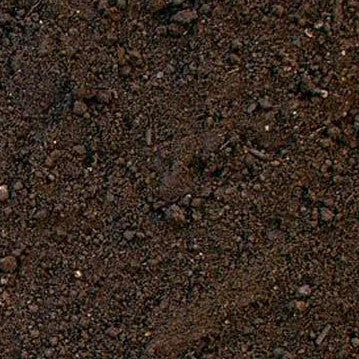
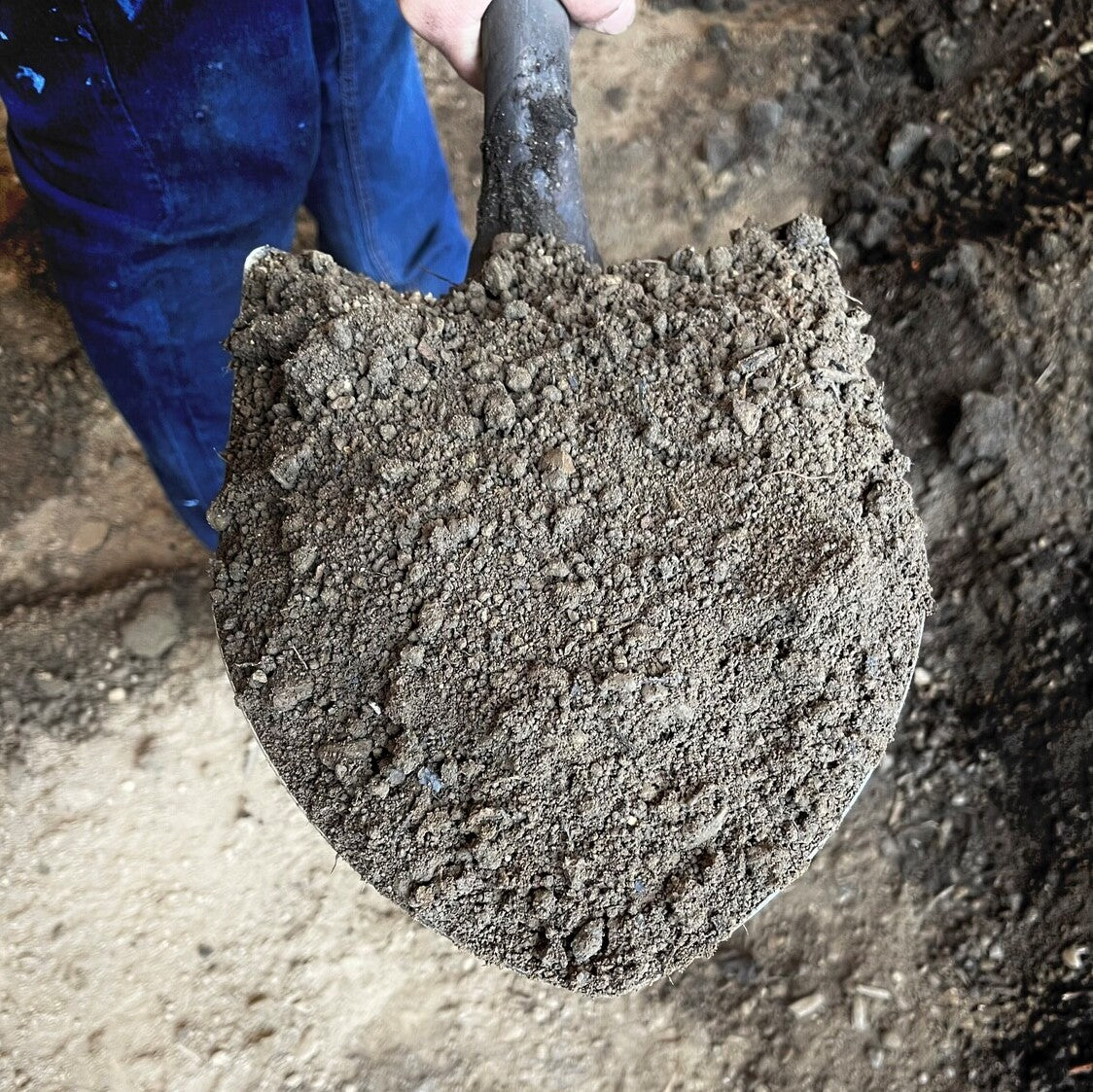
Screened topsoil with a fine, even texture. Ideal for new lawns, sod prep, and raised garden beds.
I needed 3 yards of top soil and that's what I got! Right on time and right where I asked it to be placed (Order# 2041).
Tell us what you're looking for
Thanks! We received your request.
Something went wrong. Please try again.
How Much Material Do I Need?
How Much Material Do I Need?
For standard planting beds over Fontana's clay, plan on at least 6 inches of imported soil to give roots a workable growing layer above the compacted native ground. For vegetable gardens and raised beds, 12 inches is the practical minimum for productive yields in Fontana's long growing season.
Use our free soil calculator
What is a Yard?
What is a Yard?
FAQs
FAQs
Fontana Soil Delivery
Fontana Soil Delivery
Regular price
$83.00
per
Yard
Regular price
Sale price
$83.00
Unit price
per
Shipping calculated at checkout.
Minimum of 3 Yard
Couldn't load pickup availability
Not currently available
We can't take orders for this right now. Tell us what you need and we'll get back to you.
Hand-picked local yards
4,000+ regional deliveries
Dedicated support
Why order through Mulch Mound
The best local , without the guesswork.
We hand-pick and partner with the best yards in your region, keep only the ones our buyers rate well, and back each load with our guarantee.
Mulch Mound Guarantee
If your isn't the quantity or quality you ordered, we'll make it right.
About this soil
Screened topsoil with a fine, even texture. Ideal for new lawns, sod prep, and raised garden beds.
I needed 3 yards of top soil and that's what I got! Right on time and right where I asked it to be placed (Order# 2041).
How Much Material Do I Need?
How Much Material Do I Need?
For standard planting beds over Fontana's clay, plan on at least 6 inches of imported soil to give roots a workable growing layer above the compacted native ground. For vegetable gardens and raised beds, 12 inches is the practical minimum for productive yields in Fontana's long growing season.
Use our free soil calculator
What is a Yard?
What is a Yard?
FAQs
FAQs
Tell us what you're looking for
Thanks! We received your request.
Something went wrong. Please try again.

How It Works
Getting started is easy — just follow these simple steps
1
Choose your soil
Make sure you adjust the quantity to your home's needs. You can use our calculator to estimate how much you'll need.
2
Select your delivery date
Select a delivery date you'd like for the product to be dropped off at your home
3
Sit back and wait
Sit back, wait, and let us work our magic to make sure the highest quality product is delivered to your driveway.

Highest compliments. Great driver.
Website is easy to navigate. Just a seamless process. 5 stars!!

Need Help Calculating How Much Soil You Need?
Use our NEW Trace from Satellite tool to get an estimate for your project based on an aerial view of your property
Try Our CalculatorStart by measuring each planting area or raised box in feet, writing down length, width, and the depth you plan to fill. Multiply length times width times depth, then divide by 27 to get cubic yards. For projects that combine raised beds of different sizes, calculate each one separately and add the totals together before placing your order.
Complete Your Outdoor Soil Project
Top your freshly placed soil with a layer of organic mulch to lock in moisture and prevent surface crusting, which is especially important over Fontana's clay subsoil. If you are building out a patio or pathway alongside your new beds, adding decomposed granite or flagstone helps define edges and keeps foot traffic off your planted areas.
Service area
Areas we deliver soil in Fontana, California
- Calimesa, California
- Charter Oak, California
- Cherry Valley, California
- Citrus, California
- Crestline, California
- Good Hope, California
- Grand Terrace, California
- Hesperia, California
- Highgrove, California
- Home Gardens, California
- La Habra Heights, California
- Lake Arrowhead, California
Mulch Mound Pro Tip
Water your new soil delivery thoroughly within 24 hours of placement, especially during Fontana's warmer months. Fresh soil can dry out quickly at the surface in Inland Empire heat, and that dry crust can actually repel water during your first few irrigation cycles. A deep initial soak helps the soil settle evenly and makes sure your plants have consistent moisture access from the very first day you put them in the ground.
Mulch Mound Pro Tip
When installing soil over Fontana's native clay, rough up the clay surface with a fork or tiller before placing your new material on top. A smooth clay surface can create an invisible barrier that slows water from moving between your imported soil and the ground below. Breaking that clay surface allows water to pass through more naturally and encourages roots to eventually grow down into the amended native soil underneath.
Mulch Mound Pro Tip
Plan your soil delivery for a cooler part of the year if your project timeline allows. Installing soil in October or November means you can get plants established during Fontana's mild winter months, which run between the last frost around January 26 and the return of consistent warmth. Plants installed in amended soil during fall and winter develop strong root systems before the Zone 10a heat arrives, making them far more drought-tolerant by their first summer.
The Unique Landscape of Fontana
Fontana's native soil is heavy clay, which means it holds water poorly when dry, floods easily when wet, and provides a tough environment for most landscape and garden plants. At 1,237 feet elevation with only 15 inches of rain per year, that clay soil spends most of the year bone dry and compacted, making it nearly impossible for roots to establish without amendment. Importing quality planting soil gives Fontana homeowners the ability to build productive beds without waiting years for native clay to improve on its own. Whether you are installing a vegetable garden, replanting a front yard, or filling raised planters, quality bulk soil delivers the drainage and nutrient content that Fontana's ground simply cannot offer right out of the gate. The city's Zone 10a designation means a long growing season with almost no true winter dormancy, so your soil needs to support plant growth for most of the calendar year. Investing in the right soil upfront pays dividends every month of that long growing season.