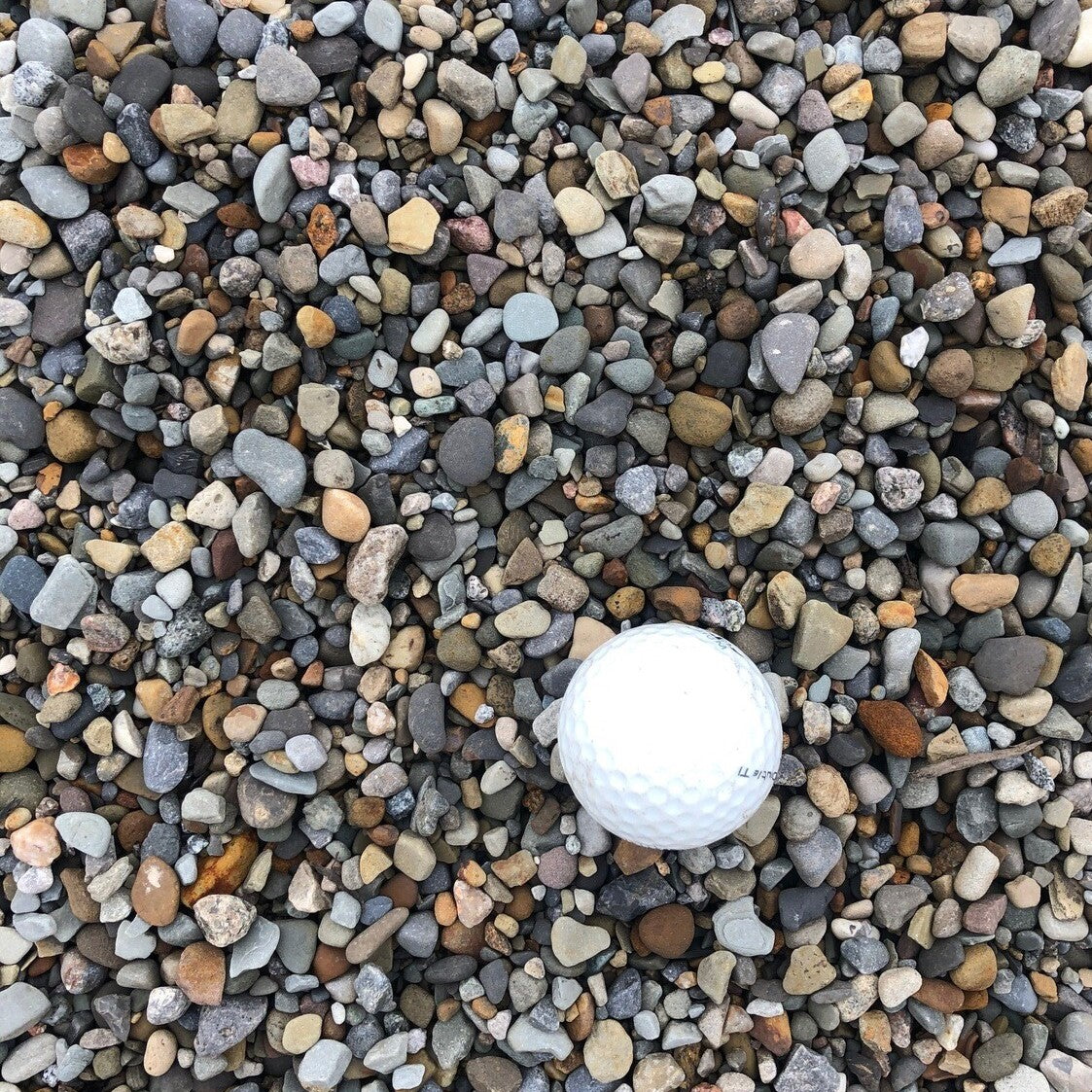
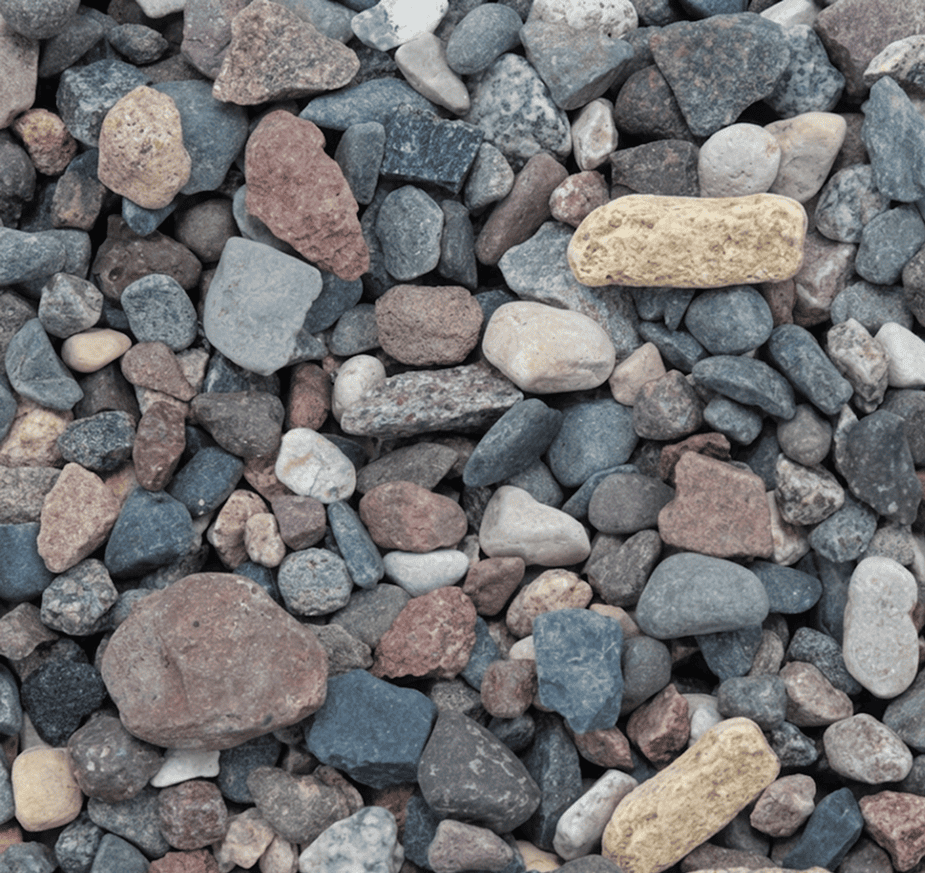
Classic pea gravel with smooth, rounded edges and natural earth tones. A versatile favorite for pathways, patios, drainage, and decorative ground cover.
We had a great experience today. This was our first time using Mulch Mound, and I found the price competitive and the online ordering very easy. We are impressed with the quality of the mulch, too! It is covering well - a great value!
Tell us what you're looking for
Thanks! We received your request.
Something went wrong. Please try again.
How Much Landscape Rock Do I Need?
One cubic yard of landscape rock covers about 162 square feet at a 2 inch depth, or a bit less if you go to 3 inches for better weed suppression. Measure your bed length by width, decide on 2 or 3 inches, then divide the square footage by 162 or 108 to get your yardage. Most Grand Junction front yard beds run 3 to 6 cubic yards, but a full foundation perimeter can run higher. Use our free stone calculator
What is a Yard?
A yard is approximately 27 cubic feet. As a general guideline, one yard of material can cover an area of about 100-160 square feet at a 2-3 inch depth.
What is a ton?
A ton is 2,000 pounds of material. As a general guideline, one ton covers roughly 100 square feet at 2 inches deep, depending on the size and density of the material.
We can't take orders for this right now. Tell us what you need and we'll get back to you.
What do you need?
Thanks! We received your request.
Something went wrong. Please try again.
Hand-picked local yards
4,000+ regional deliveries
Dedicated support
Why order through Mulch Mound
The best local landscape rock, without the guesswork.
We hand-pick and partner with the best yards in your region, keep only the ones our buyers rate well, and back each load with our guarantee.
Mulch Mound Guarantee
If your landscape rock isn't the quantity or quality you ordered, we'll make it right.
About this landscape rock
Classic pea gravel with smooth, rounded edges and natural earth tones. A versatile favorite for pathways, patios, drainage, and decorative ground cover.
We had a great experience today. This was our first time using Mulch Mound, and I found the price competitive and the online ordering very easy. We are impressed with the quality of the mulch, too! It is covering well - a great value!
How Much Landscape Rock Do I Need?
One cubic yard of landscape rock covers about 162 square feet at a 2 inch depth, or a bit less if you go to 3 inches for better weed suppression. Measure your bed length by width, decide on 2 or 3 inches, then divide the square footage by 162 or 108 to get your yardage. Most Grand Junction front yard beds run 3 to 6 cubic yards, but a full foundation perimeter can run higher. Use our free stone calculator
What is a Yard?
A yard is approximately 27 cubic feet. As a general guideline, one yard of material can cover an area of about 100-160 square feet at a 2-3 inch depth.
What is a ton?
A ton is 2,000 pounds of material. As a general guideline, one ton covers roughly 100 square feet at 2 inches deep, depending on the size and density of the material.
We had a great experience today. This was our first time using Mulch Mound, and I found the price competitive and the online ordering very easy. ...
Read full review
We had a great experience today. This was our first time using Mulch Mound, and I found the price competitive and the online ordering very easy. We are impressed with the quality of the mulch, too! It is covering well - a great value!
Landscape fabric underneath is worth doing right the first time, since this is a decade long install and you do not want to pull rock back up in three years to fix a fabric failure. Steel or aluminum edging keeps the rock out of the lawn and out of the clay beds next to it. A lot of customers pair rock beds with a mulched planting bed elsewhere on the property, since rock and organic mulch solve different problems.
Grand Junction's alkaline clay does not drain fast, so grade your bed with a slight slope away from the foundation before you lay fabric. If the bed sits flat or pitches toward the house, rock will just sit on top of standing water after spring runoff instead of shedding it. A 1 to 2 percent slope, barely visible to the eye, is enough to keep the base dry through our wet months.
Mulch Mound Pro Tip
The most common mistake we see locally is skipping fabric because clay seems solid enough on its own. It is not, clay migrates up through rock over a few seasons and you end up with muddy rock instead of clean rock. Woven landscape fabric, not the cheap spun kind, holds up against that clay migration and against the tumbleweeds and windblown seed that come through the valley.
Mulch Mound Pro Tip
If you are covering a large area, consider a two tier approach, larger rock or cobble along the foundation and downspout runs where erosion force is highest, and a smaller decorative rock in the open bed areas. This uses less of the pricier large stone while still solving the drainage problem where it matters most, and it reads as an intentional design choice rather than a cost cut.
Decorative Stone in Grand Junction
Grand Junction sits at 4586 feet with alkaline clay soil that stays heavy and slick when the spring runoff comes down off the Monument, then bakes hard by July. Rock does not care about either extreme, it will not compact, wash out, or need amending like mulch does in that clay. A lot of River City yards use it along foundations and downspouts specifically because clay drains slow and rock keeps water moving away from the house instead of pooling in organic mulch. It also fits the low water look that makes sense at this elevation and with our short, dry summers.
What Landscape Rock Is
Landscape rock is stone chosen for how it looks as much as what it does. River rock is smooth and rounded, decomposed granite is fine and packs firm underfoot. Both are sold by the cubic yard for beds, borders, paths, and dry creek beds.
River Rock vs Decomposed Granite
River rock stays loose and rolls, so it suits beds, borders, and drainage runs where it can sit in place. Decomposed granite compacts into a firm surface, so it suits paths, patios, and anywhere you will walk or roll a wheelbarrow.
Depth and Coverage
Spread river rock 2 to 3 inches deep over landscape fabric so it stays put and weeds stay down. Lay decomposed granite 3 to 4 inches deep, wet it, and compact it in lifts for a surface that sheds water instead of rutting.
Frequently Asked Questions
Click a question to see the answer
Answer
Will landscape rock work over Grand Junction's clay soil without extra prep?
It works well over clay, but skipping fabric is a mistake here specifically because our alkaline clay migrates upward through loose rock over a couple of seasons. Grade the bed for drainage first, then lay woven fabric, then place your rock at 2 to 3 inches. Done that way it is a genuinely one time install.
Answer
How many cubic yards do I need for a 300 square foot bed?
At the standard 2 inch depth, one cubic yard covers about 162 square feet, so 300 square feet needs just under 2 cubic yards. If you want the deeper 3 inch depth for better weed control, plan on closer to 3 cubic yards for that same area.
Answer
Is there a bad time of year to install rock in Grand Junction?
Late fall through early spring is tricky if the ground is frozen or saturated from runoff, since you cannot grade the bed properly. Between last frost around April 22 and first frost around October 15 gives you a full window with workable soil, though rock itself is not frost sensitive once it is down.
Answer
Where will the delivery truck place the rock, and do I need driveway access?
We place the load wherever you specify at booking, typically a driveway or the closest flat spot to your project area. Clear a drop zone with enough overhead clearance beforehand, and let us know if there are gates or narrow access points so we can plan the delivery accordingly.
Answer
Should I choose landscape rock or mulch for a bed near my foundation?
Rock is the better call right against foundations and downspouts because it will not hold moisture against the house the way organic mulch can, and it does not need replacing every year or two. Mulch is better where you actually want it feeding the soil, like around shrubs and perennials that benefit from organic matter breaking down.
Answer
What is decomposed granite, or DG, best used for?
Think of decomposed granite, or DG, as a packed, natural surface for garden walks, side yards, and fire pit seating areas. Rake it level, mist it, and compact it in 2 to 3 inch lifts over fabric. In Grand Junction it can be delivered by the cubic yard, and edging keeps it from creeping into lawn.