



Delivery was smooth and on time!
The triple shredded mulch was great quality and just what we were looking for.
About this landscape rock
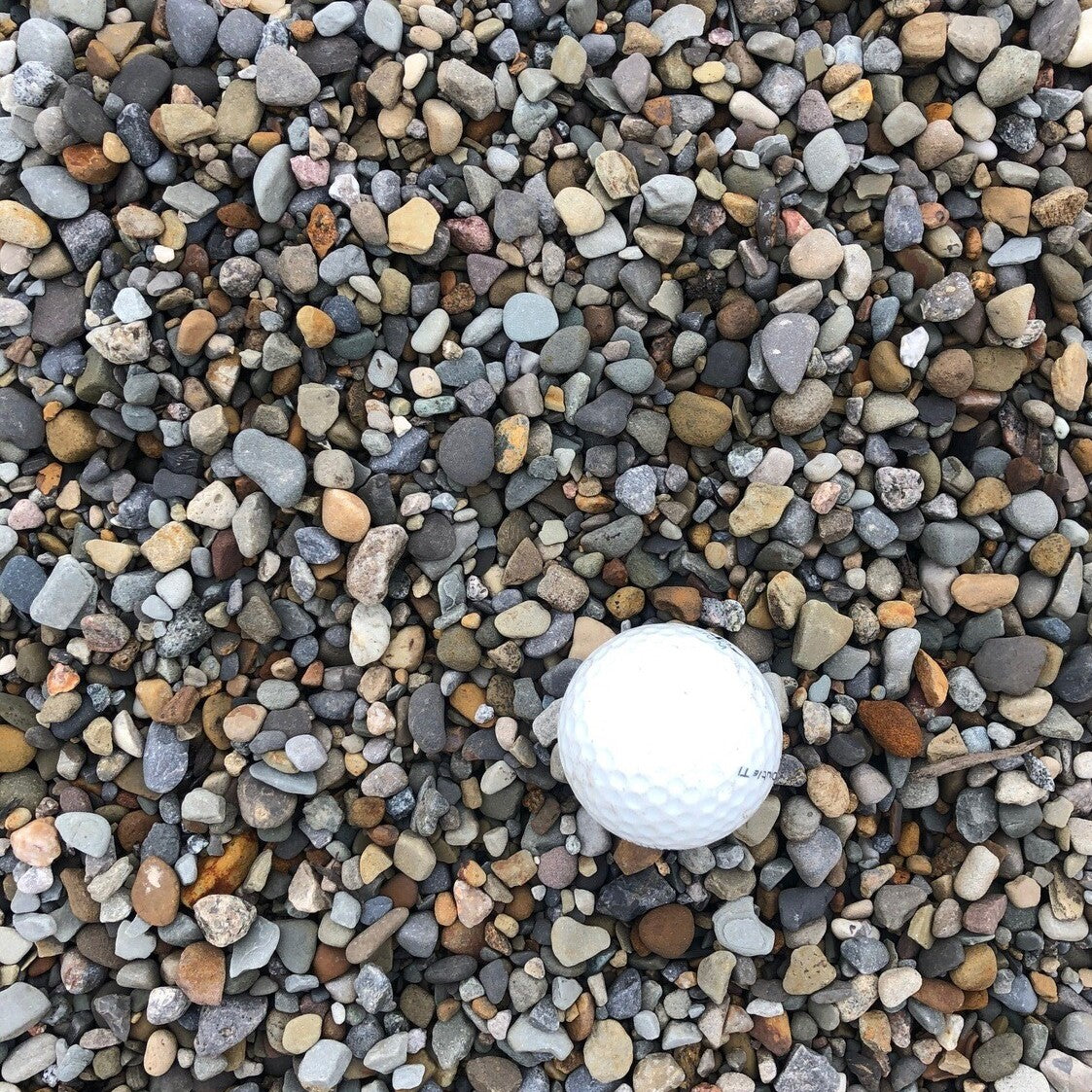
Smooth tumbled river rock, heavy enough to stay put in drainage runs and handsome enough for beds and borders.
Delivery was smooth and on time!
The triple shredded mulch was great quality and just what we were looking for.
Tell us what you're looking for
Thanks! We received your request.
Something went wrong. Please try again.
How Much Landscape Rock Do I Need?
How Much Landscape Rock Do I Need?
One cubic yard of landscape rock covers about 162 square feet at a 2 inch depth, or somewhat less if you go to 3 inches for better weed suppression. Measure your bed's length and width, decide on depth based on how much clay showthrough you want to prevent, and order by the cubic yard rather than by the bag once you're past a small border. Most foundation and downspout runs in Greenwood fall between 1 and 3 yards.
What is a Yard?
What is a Yard?
FAQs
FAQs
Greenwood Landscape Rock Delivery
Greenwood Landscape Rock Delivery
Regular price
$132.00
per
Yard
Regular price
Sale price
$132.00
Unit price
per
Shipping calculated at checkout.
Minimum of 3 Yard
Couldn't load pickup availability
Hand-picked local yards
4,000+ regional deliveries
Dedicated support
Why order through Mulch Mound
The best local landscape rock, without the guesswork.
We hand-pick and partner with the best yards in your region, keep only the ones our buyers rate well, and back each load with our guarantee.
Mulch Mound Guarantee
If your landscape rock isn't the quantity or quality you ordered, we'll make it right.
About this landscape rock
Smooth tumbled river rock, heavy enough to stay put in drainage runs and handsome enough for beds and borders.
Delivery was smooth and on time!
The triple shredded mulch was great quality and just what we were looking for.
How Much Landscape Rock Do I Need?
How Much Landscape Rock Do I Need?
One cubic yard of landscape rock covers about 162 square feet at a 2 inch depth, or somewhat less if you go to 3 inches for better weed suppression. Measure your bed's length and width, decide on depth based on how much clay showthrough you want to prevent, and order by the cubic yard rather than by the bag once you're past a small border. Most foundation and downspout runs in Greenwood fall between 1 and 3 yards.
What is a Yard?
What is a Yard?
FAQs
FAQs
Tell us what you're looking for
Thanks! We received your request.
Something went wrong. Please try again.
How It Works
Getting started is easy — just follow these simple steps
1
Choose your quantity
Adjust the quantity to match your project. One cubic yard covers about 100 to 160 square feet at a 2 to 3 inch depth.
2
Select your delivery date
Select a delivery date you'd like for the product to be dropped off at your home
3
Sit back and wait
Sit back, wait, and let us work our magic to make sure the highest quality product is delivered to your driveway.

Very easy to place order online for our exact needs and very flexible for when we needed

From the time I placed the order to the delivery it was quick and professional. I will highly recommend and will use them from now on.
Complete Your Outdoor Project
Landscape fabric goes down first so the rock stays separated from Greenwood's clay and doesn't sink in over a season. Edging, whether steel or paver, keeps rock from migrating into the lawn when it rains hard. Some customers also order a bit of mulch for planting pockets within the rock bed where they want shrubs to actually get organic matter.



Mulch Mound Pro Tip
Because Greenwood's soil is heavy red clay, grade your bed with a slight slope away from the foundation before laying fabric. Rock alone won't fix a drainage problem, it just sits on top of it. Skipping this step means water can pool under the fabric during summer storms and eventually push rock out of place at the low edges.
Mulch Mound Pro Tip
The most common mistake locally is skipping fabric to save a step, then watching red clay work its way up through the rock within a year or two as worms and rain mix the layers. Fabric is what makes this a one time install instead of a yearly chore, so it's worth doing right the first time.
Mulch Mound Pro Tip
If you're covering a large front bed, order landscape rock for the open groundcover areas and keep a smaller amount of mulch on hand for planting pockets around shrubs or perennials that need organic matter. This mixed approach costs less overall than rocking beds that actually need to feed soil, and it keeps maintenance low where it matters.
Decorative Stone in Greenwood
Greenwood's red clay drains slowly, so a lot of homeowners end up with standing water along foundations and downspouts after summer thunderstorms. Landscape rock set over fabric solves that by shedding water instead of holding it against the house, which clay soil already does too well on its own. In zone 8a, the freeze thaw cycle is mild enough that rock stays put without heaving, so a properly graded rock bed here can look the same in ten years as it did on install day. It's a common choice for the low, foundation-hugging beds you see around the older homes near downtown and out toward Lake Greenwood.
What Landscape Rock Is
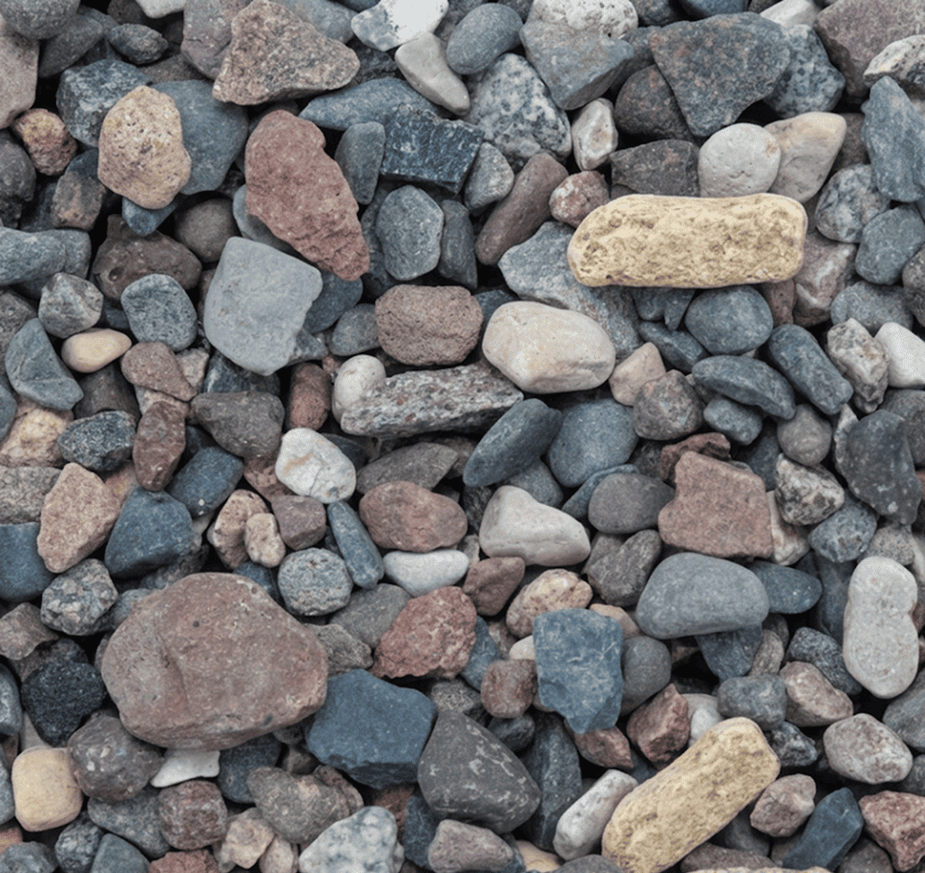
Landscape rock is stone chosen for how it looks as much as what it does. River rock is smooth and rounded, decomposed granite is fine and packs firm underfoot. Both are sold by the cubic yard for beds, borders, paths, and dry creek beds.
River Rock vs Decomposed Granite
River rock stays loose and rolls, so it suits beds, borders, and drainage runs where it can sit in place. Decomposed granite compacts into a firm surface, so it suits paths, patios, and anywhere you will walk or roll a wheelbarrow.
Depth and Coverage
Spread river rock 2 to 3 inches deep over landscape fabric so it stays put and weeds stay down. Lay decomposed granite 3 to 4 inches deep, wet it, and compact it in lifts for a surface that sheds water instead of rutting.