About this landscape rock

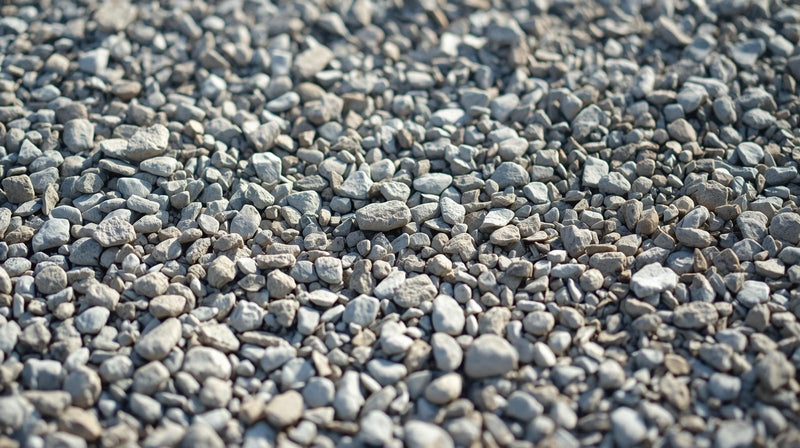
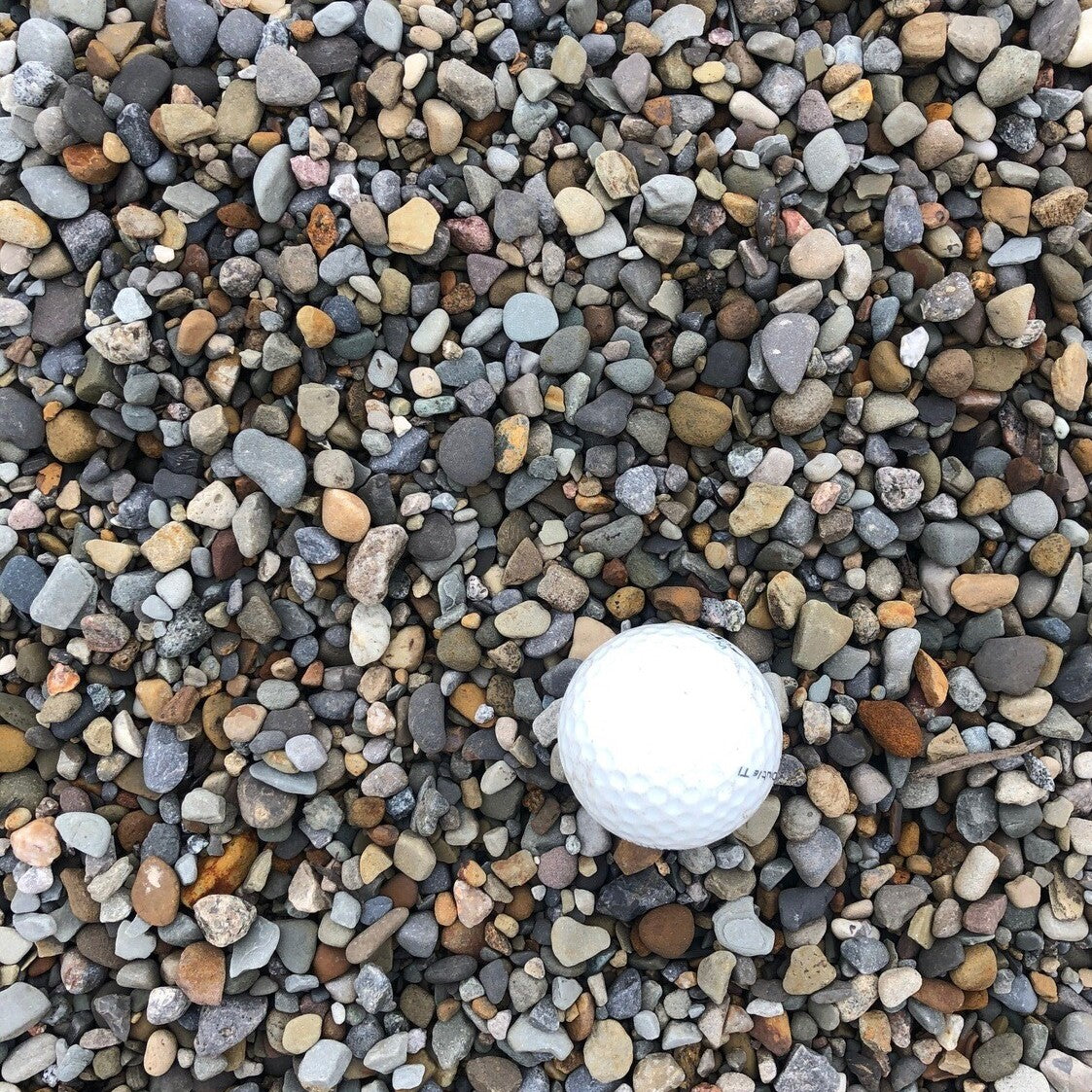
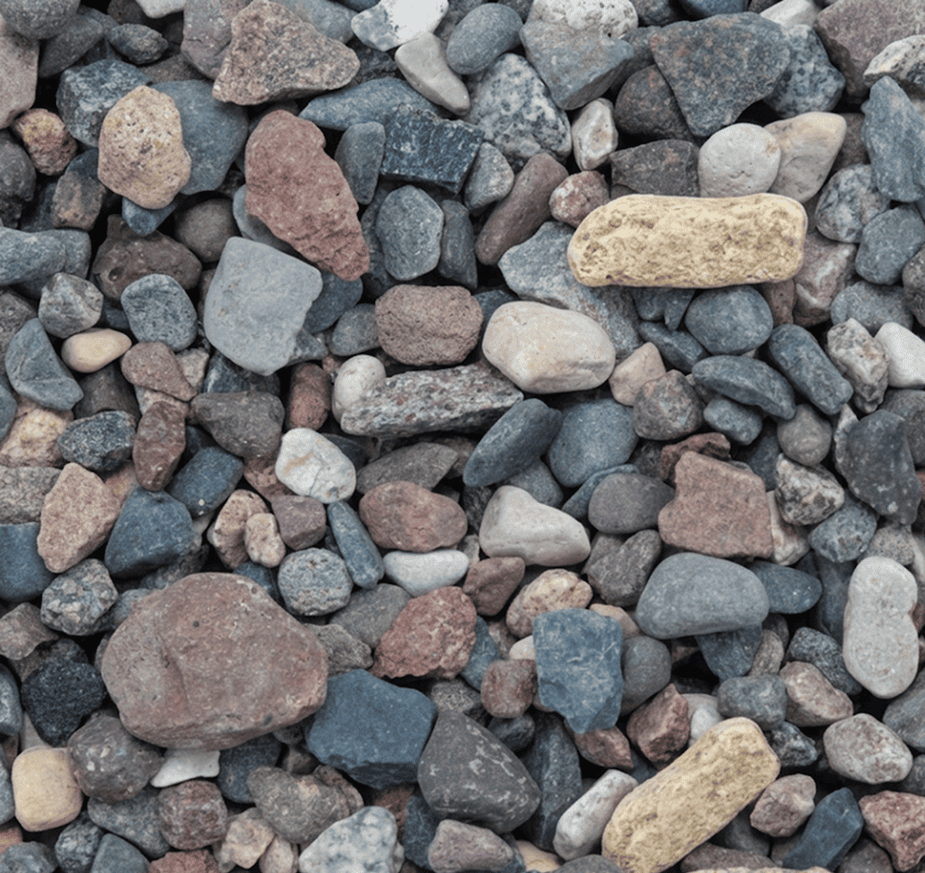
Smooth tumbled river rock, heavy enough to stay put in drainage runs and handsome enough for beds and borders.

I couldn't be happier with the speed and quality of the mulch delivery service of Mulch Mound. Every detail from ordering, to communication with on time delivery, to perfect product placement was amazing. I needed more and I got it within 2 hours! I'm never doing this with ba...

At a 2 to 3 inch install depth, one cubic yard of rock covers roughly 162 square feet at the shallow end of that range. Measure your bed length by width, decide if you want 2 or 3 inches deep, then order by the cubic yard rather than guessing bags. Most Hickory foundation borders and small beds run somewhere between 2 and 5 cubic yards.

A yard is approximately 27 cubic feet. As a general guideline, one yard of material can cover an area of about 100-160 square feet at a 2-3 inch depth.

Hickory Landscape Rock Delivery

Hickory Landscape Rock Delivery

4.7
137 reviews
Regular price $132.00 per Yard
Regular price Sale price $132.00
Sale Sold out
Shipping calculated at checkout.
Type
Size
Minimum of 3 Yard
Hand-picked local yards
4,000+ regional deliveries
Dedicated support
Why order through Mulch Mound

The best local landscape rock, without the guesswork.

We hand-pick and partner with the best yards in your region, keep only the ones our buyers rate well, and back each load with our guarantee.

Mulch Mound Guarantee

If your landscape rock isn't the quantity or quality you ordered, we'll make it right.

About this landscape rock

Smooth tumbled river rock, heavy enough to stay put in drainage runs and handsome enough for beds and borders.

I couldn't be happier with the speed and quality of the mulch delivery service of Mulch Mound. Every detail from ordering, to communication with on time delivery, to perfect product placement was amazing. I needed more and I got it within 2 hours! I'm never doing this with ba...

At a 2 to 3 inch install depth, one cubic yard of rock covers roughly 162 square feet at the shallow end of that range. Measure your bed length by width, decide if you want 2 or 3 inches deep, then order by the cubic yard rather than guessing bags. Most Hickory foundation borders and small beds run somewhere between 2 and 5 cubic yards.

A yard is approximately 27 cubic feet. As a general guideline, one yard of material can cover an area of about 100-160 square feet at a 2-3 inch depth.

View full details

How It Works

Getting started is easy — just follow these simple steps

1

Choose your quantity

Adjust the quantity to match your project. One cubic yard covers about 100 to 160 square feet at a 2 to 3 inch depth.

2

Select your delivery date

Select a delivery date you'd like for the product to be dropped off at your home

3

Sit back and wait

Sit back, wait, and let us work our magic to make sure the highest quality product is delivered to your driveway.

From The Mouths of Hickory Folks

4.7
out of 5 based on 137 reviews
Google Reviews

Complete Your Outdoor Project

Landscape fabric underneath is worth doing right the first time, since rock over bare red clay eventually works itself into the soil and gets hard to clean up. Edging, whether steel or stone, keeps rock from migrating into the lawn during heavy rain. Many customers pair a rock border with mulch in the planting beds further from the foundation, since rock alone starves plants of organic matter.

Mulch Mound Pro Tip

Hickory's clay soil compacts hard when dry and turns greasy when wet, so skip the shortcut of dumping rock straight onto bare ground. Lay landscape fabric first, even on a small foundation bed, because clay works its way up through loose stone within a year or two without a barrier. The extra hour of prep now saves you from raking rock out of mud later.

Mulch Mound Pro Tip

Rock does not need refreshing like mulch, but it does need occasional maintenance. Leaves and pine straw from mature trees around older Hickory neighborhoods settle into rock beds and decompose there, creating a thin layer of soil that lets weeds root. A leaf blower or occasional hand raking in fall keeps rock beds clean without disturbing the stone underneath.

Mulch Mound Pro Tip

Since rock is a one time install rather than an annual purchase, it pays to order slightly more than the calculator suggests rather than run short and order a second small delivery later. Combining a rock order with a mulch order for planting beds on the same delivery is common practice and saves a separate trip for a project split between foundation borders and garden beds.

Decorative Stone in Hickory

Hickory's red clay holds water and drains slowly, which is exactly the kind of ground where loose organic mulch turns to mush by midsummer. Rock stays put over fabric and keeps foundations and downspout areas dry instead of soggy. With zone 7b winters and a first frost around November 5, freeze thaw cycles can heave loose stone if it is not set on a stable base, so a compacted sub grade matters more here than in milder climates. Most Hickory jobs we deliver for are foundation borders, drainage runs, and front yard beds where homeowners are tired of clay mud tracking indoors.

What Landscape Rock Is

Landscape rock is stone chosen for how it looks as much as what it does. River rock is smooth and rounded, decomposed granite is fine and packs firm underfoot. Both are sold by the cubic yard for beds, borders, paths, and dry creek beds.

River Rock vs Decomposed Granite

River rock stays loose and rolls, so it suits beds, borders, and drainage runs where it can sit in place. Decomposed granite compacts into a firm surface, so it suits paths, patios, and anywhere you will walk or roll a wheelbarrow.

Depth and Coverage

Spread river rock 2 to 3 inches deep over landscape fabric so it stays put and weeds stay down. Lay decomposed granite 3 to 4 inches deep, wet it, and compact it in lifts for a surface that sheds water instead of rutting.

Frequently Asked Questions

Click a question to see the answer

Answer

Will landscape rock work over Hickory's red clay soil without extra prep?

It can, but we recommend landscape fabric first. Red clay holds moisture and shifts with freeze thaw cycles through the winter, and rock laid directly on bare clay tends to sink and mix with the soil within a year or two. Fabric keeps the rock on top where it belongs and makes future cleanup much easier.

Answer

How many cubic yards do I need for a foundation border around my house?

At 2 inches deep, one cubic yard covers about 162 square feet, so a typical 3 foot wide border running around a foundation often needs somewhere between 2 and 4 cubic yards depending on house size. Measure your total linear footage times width to get square footage, then divide by 162 and adjust for your chosen depth.

Answer

Is there a bad time of year to install rock in Hickory?

Not really, since rock installs any time the ground is not frozen or waterlogged. That said, doing it before the November 5 first frost or after the April 15 last frost avoids working in muddy, half frozen clay, which makes fabric laying and leveling much harder.

Answer

Can your truck get into a tight residential driveway to drop the load?

Most Hickory driveways work fine, but let us know if yours has tight turns, low branches, or a steep grade so we can plan the drop spot at checkout. We place the material where you specify, typically the driveway or curb, and you move it from there.

Answer

Should I choose rock or mulch for beds around my house?

Rock makes sense for foundations, downspout areas, and spots where you want a one time install with no annual refresh. Mulch feeds the soil and suits planting beds where you want organic matter breaking down around root systems. Many Hickory customers use both, rock near the house and mulch further out in garden beds.

More delivery around Hickory, North Carolina

All Hickory, North Carolina landscape supply