

About this mulch

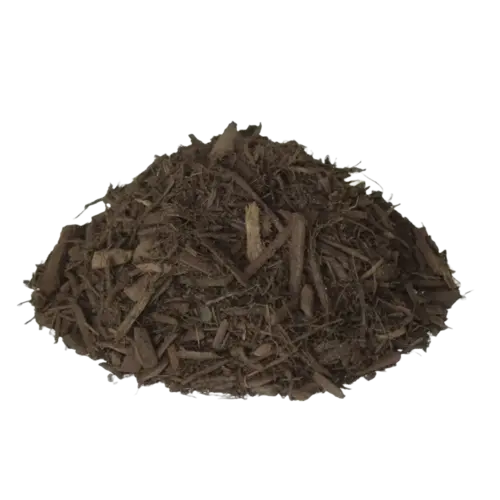
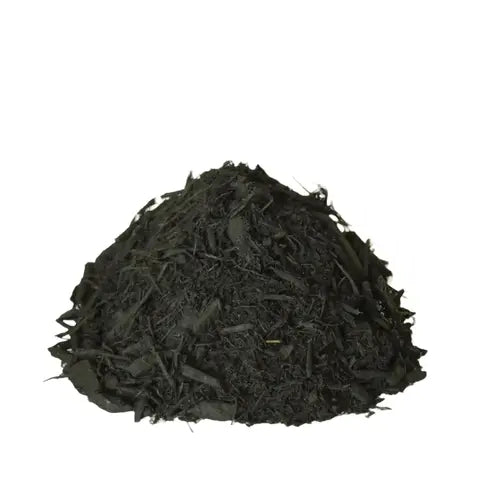
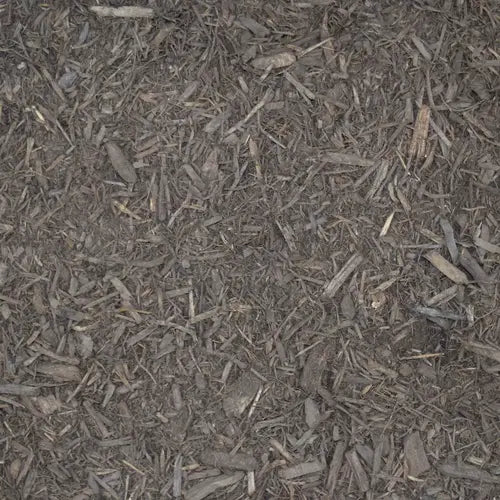
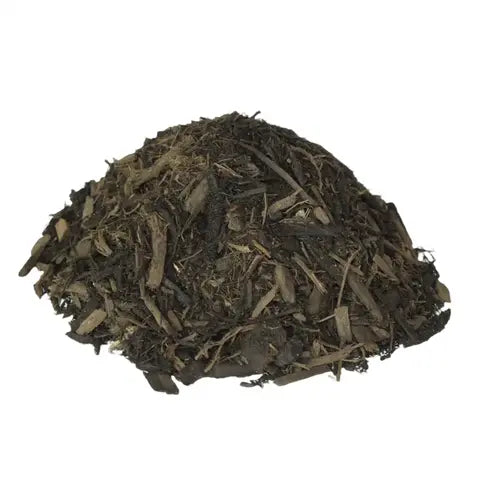
Double-shredded mulch dyed a rich, even brown that holds its color through the season.

UPDATE!

I can’t say enough good things about Mulch Mound! If you read my review below you will see I had a problem with my order. Mulch Mound was quick to respond and solved the issue with my delivery. Will definitely be a customer next year.

First time purchase...

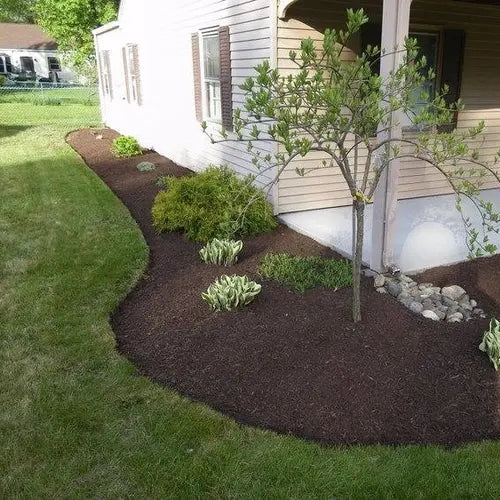
Three inches is the sweet spot for Jamestown beds, deep enough to block weeds and hold moisture through August dry spells but not so deep that it smothers silt loam that already drains slowly. Use 2 inches around shallow rooted perennials and never mound mulch against tree trunks.
Use our free mulch calculator

A yard is approximately 27 cubic feet. As a general guideline, one yard of material can cover an area of about 100-160 square feet at a 2-3 inch depth.

Jamestown Mulch Delivery

Jamestown Mulch Delivery

4.7
137 reviews
Regular price $64.00 per Yard
Regular price Sale price $64.00
Sale Sold out
Shipping calculated at checkout.
Color
Style
Hand-picked local yards
4,000+ regional deliveries
Dedicated support
Why order through Mulch Mound

The best local , without the guesswork.

We hand-pick and partner with the best yards in your region, keep only the ones our buyers rate well, and back each load with our guarantee.

Mulch Mound Guarantee

If your isn't the quantity or quality you ordered, we'll make it right.

About this mulch

Double-shredded mulch dyed a rich, even brown that holds its color through the season.

UPDATE!

I can’t say enough good things about Mulch Mound! If you read my review below you will see I had a problem with my order. Mulch Mound was quick to respond and solved the issue with my delivery. Will definitely be a customer next year.

First time purchase...

Three inches is the sweet spot for Jamestown beds, deep enough to block weeds and hold moisture through August dry spells but not so deep that it smothers silt loam that already drains slowly. Use 2 inches around shallow rooted perennials and never mound mulch against tree trunks.
Use our free mulch calculator

A yard is approximately 27 cubic feet. As a general guideline, one yard of material can cover an area of about 100-160 square feet at a 2-3 inch depth.

View full details

How It Works

Getting started is easy — just follow these simple steps

1

Choose your Mulch

Make sure you adjust the quantity to your home's needs. You can use our calculator to estimate how much you'll need.

2

Select your delivery date

Select a delivery date you'd like for the product to be dropped off at your home

3

Sit back and wait

Sit back, wait, and let us work our magic to make sure the highest quality product is delivered to your driveway.

What Jamestown Customers Are Saying

4.7
out of 5 based on 137 reviews
Google Reviews

Calculate mulch for your Jamestown project

For Jamestown's type of soil, we recommend 2-3 inches for best weed suppression and moisture retention

Try Our Calculator
📍

Measure each bed separately since Jamestown foundation plantings tend to be long and narrow while island beds are irregular. For curved beds, take an average width and multiply by the length, which gets you close enough. One cubic yard covers roughly 100 square feet at 3 inches deep, and it is smart to order about 10 percent extra for settling.

Mulch vs. No Mulch: The Difference

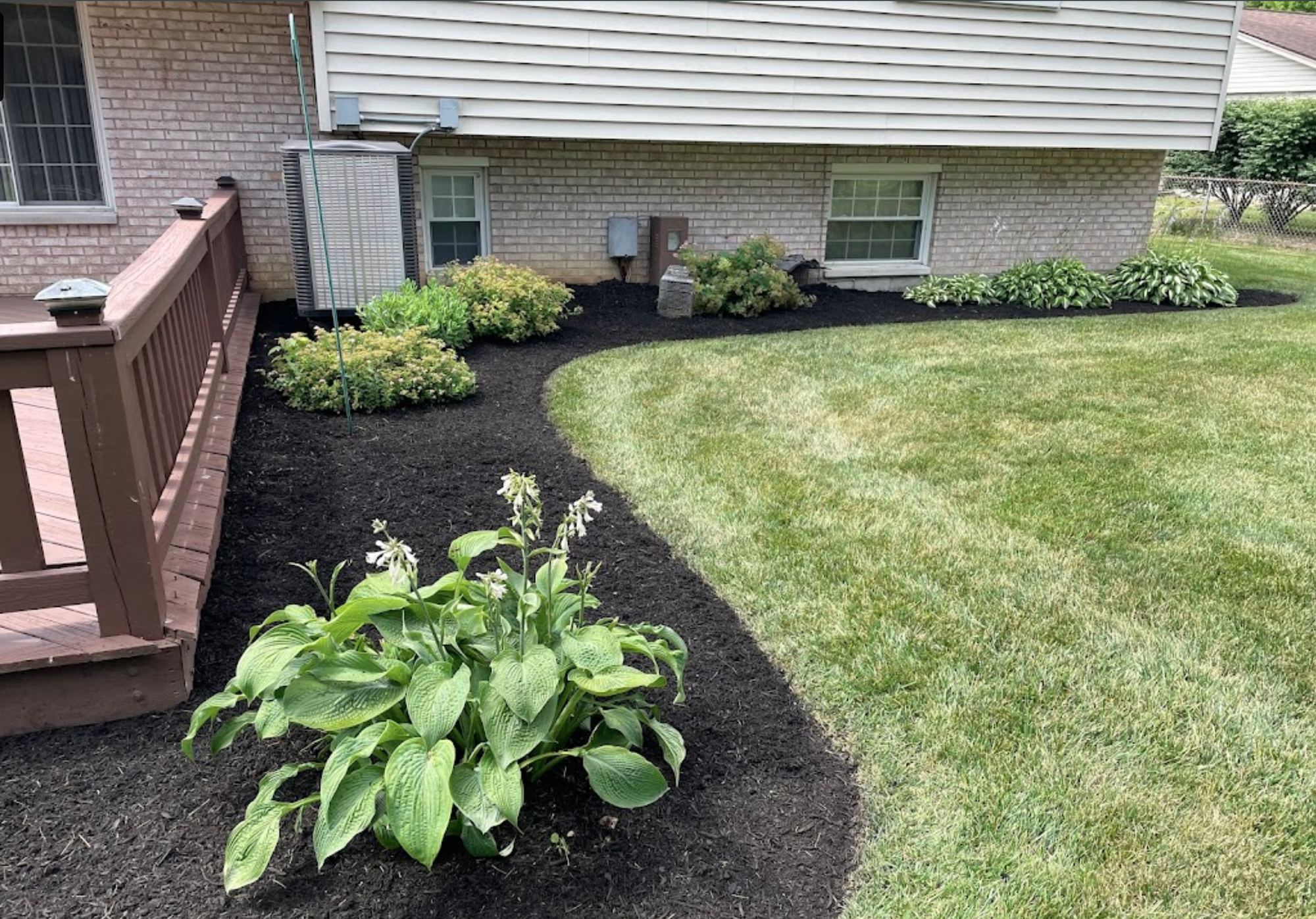
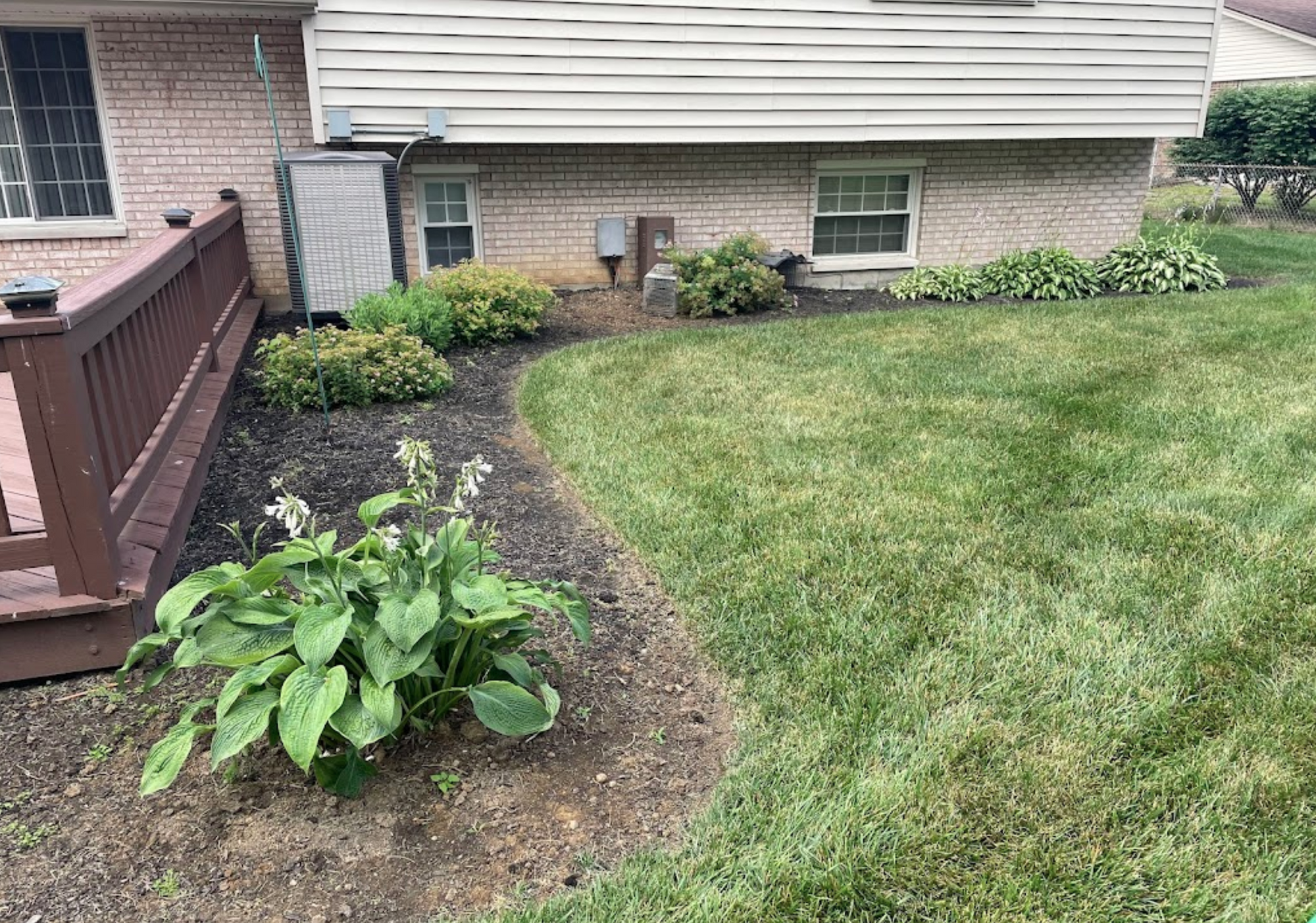
Jamestown gets 52 inches of rain a year plus lake effect moisture rolling off Chautauqua Lake, and that constant dampness accelerates decomposition more than in drier parts of the state. Natural mulch feeds the soil as it breaks down but needs refreshing more often here. Dyed mulches hold color through the season, though the pigment fades faster under repeated heavy rain than it would in a low rainfall climate.

Before image
After image
Slider handle
Before
After

Complete Your Outdoor Mulch Project

Pair your mulch with a few yards of screened topsoil or compost to build up thin spots in beds before spreading, and add edging stone to keep mulch from washing onto the lawn during Jamestown's heavy spring rains.

Mulch Mound Pro Tip

Time your mulching to Jamestown's rain pattern rather than the calendar. Spreading onto soil that is damp but not saturated lets the mulch settle and knit together instead of blowing around or floating. If you spread right before one of our typical two day soakers, the layer locks in beautifully. If you spread onto bone dry silt loam in a July hot stretch, water the beds thoroughly first so the mulch is not wicking moisture up out of the root zone.

Mulch Mound Pro Tip

Watch the slope. A lot of Jamestown properties sit on the hillsides above the Chadakoin valley, and 52 inches of annual rain will carry loose mulch downhill fast. On grades, use shredded hardwood rather than nuggets because the stringy fibers mat together and stay put. Adding a shallow trench edge along the low side of the bed catches anything that does move and keeps it out of the driveway and street.

Mulch Mound Pro Tip

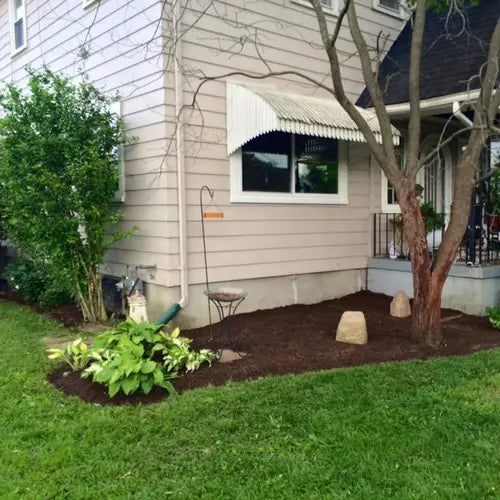
Do not mulch right up to your house foundation. Jamestown's older housing stock often has wood sills close to grade, and a damp mulch layer against siding invites carpenter ants and rot in a climate this wet. Leave a 6 inch gap of bare soil or pea stone between mulch and the foundation wall. It looks intentional, it improves airflow, and it saves you an expensive repair down the road.

Frequently Asked Questions

Click a question to see the answer

Answer

When should I mulch my beds in Jamestown?

Wait until soil has warmed, usually right around the May 10 last frost date or a week or two after. Mulching too early over cold, wet silt loam traps the chill and slows perennials and shrubs from waking up. A second light refresh in late September helps insulate roots before the October 13 first frost.

Answer

How fast does mulch break down here with all our rain?

Fast. Fifty two inches of rain plus lake effect humidity means shredded hardwood in Jamestown typically needs topping off every year and a full refresh every two. Bark nuggets and cedar hold up longer, often 18 to 24 months, because the larger pieces shed water rather than absorb it.

Answer

Will mulch help with the drainage problems in my silt loam yard?

Indirectly, yes. Silt loam has fine particles that compact and crust over after heavy rain, and mulch takes the impact of raindrops so the surface stays porous. Over a few seasons, earthworms pull decomposed mulch down and open up channels that let water move instead of pooling.

Answer

Does mulch cause the slugs I keep finding in my hostas?

Damp Jamestown summers make slugs a reality with or without mulch, but piling mulch too thick or right against plant crowns gives them cover. Keep the layer at 2 to 3 inches, pull it back 2 inches from stems, and use a coarser bark rather than fine shredded material in shady, wet spots.

Answer

How many yards do I need for a typical Jamestown city lot?

Most in town lots here run 4 to 8 cubic yards for foundation beds, a tree ring or two, and a border strip. A yard covers about 100 square feet at 3 inches deep. Measure each bed, add the square footage, and divide by 100.

Answer

Can you deliver to the older streets with narrow driveways?

Yes. Many Jamestown homes near the Northside and around Falconer Street have short, steep, or narrow drives, so we send the right truck for the access you describe. Tell us about low branches, tight turns, or a shared driveway when you book and we will plan the drop accordingly.

Answer

Should I remove last year's mulch before adding more?

Usually not. In Jamestown's wet climate the bottom layer is already decomposing into the silt loam, which is exactly what you want. Just rake the old material to break up any matted crust, then add an inch or two of fresh mulch to bring the total back to 3 inches.

The Unique Landscape of Jamestown

Jamestown sits at 1,380 feet on the Chautauqua Lake watershed, and that elevation means beds stay colder longer than they do down in Buffalo or along the Erie plain. With 52 inches of rain and lake effect moisture soaking into silt loam every year, bare beds crust over, shed water, and lose topsoil down the slope toward the Chadakoin. A 3 inch mulch layer buffers those swings, keeps silt loam from sealing shut after heavy spring rain, and holds soil temperature steady through the long stretch between the May 10 last frost and the October 13 first frost. Zone 6a winters here bring repeated freeze and thaw cycles that heave shallow rooted perennials right out of the ground, and mulch is the cheapest insurance against that. It also suppresses the crabgrass and creeping charlie that thrive in Jamestown's damp, fertile silt loam.