




I needed 3 yards of top soil and that's what I got! Right on time and right where I asked it to be placed (Order# 2041).
About this soil
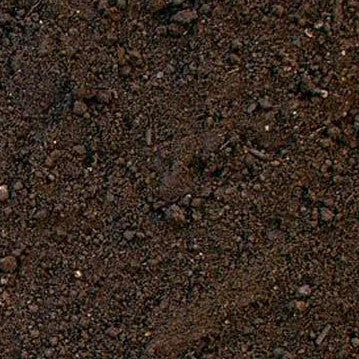
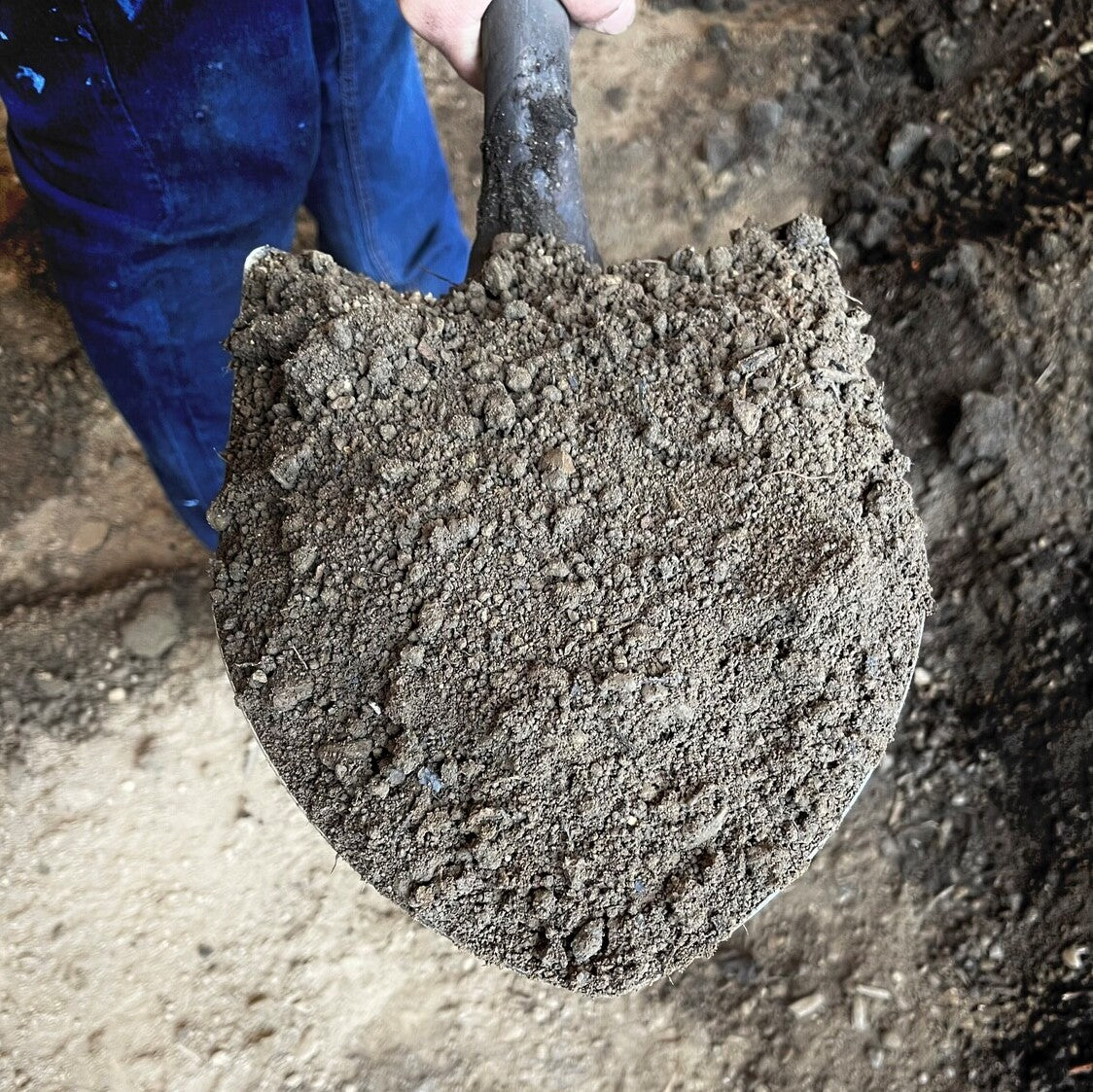
Screened topsoil with a fine, even texture. Ideal for new lawns, sod prep, and raised garden beds.
I needed 3 yards of top soil and that's what I got! Right on time and right where I asked it to be placed (Order# 2041).
Tell us what you're looking for
Thanks! We received your request.
Something went wrong. Please try again.
How Much Material Do I Need?
How Much Material Do I Need?
For lawn topdressing, a quarter to a half inch is plenty, while new lawn areas need 4 to 6 inches of quality topsoil over the subgrade. Raised beds should be filled to within 2 inches of the top rail to allow for settling after the first few Jamestown downpours.
Use our free soil calculator
What is a Yard?
What is a Yard?
FAQs
FAQs
Jamestown Soil Delivery
Jamestown Soil Delivery
Regular price
$64.00
per
Yard
Regular price
Sale price
$64.00
Unit price
per
Shipping calculated at checkout.
Minimum of 3 Yard
Couldn't load pickup availability
Not currently available
We can't take orders for this right now. Tell us what you need and we'll get back to you.
Hand-picked local yards
4,000+ regional deliveries
Dedicated support
Why order through Mulch Mound
The best local , without the guesswork.
We hand-pick and partner with the best yards in your region, keep only the ones our buyers rate well, and back each load with our guarantee.
Mulch Mound Guarantee
If your isn't the quantity or quality you ordered, we'll make it right.
About this soil
Screened topsoil with a fine, even texture. Ideal for new lawns, sod prep, and raised garden beds.
I needed 3 yards of top soil and that's what I got! Right on time and right where I asked it to be placed (Order# 2041).
How Much Material Do I Need?
How Much Material Do I Need?
For lawn topdressing, a quarter to a half inch is plenty, while new lawn areas need 4 to 6 inches of quality topsoil over the subgrade. Raised beds should be filled to within 2 inches of the top rail to allow for settling after the first few Jamestown downpours.
Use our free soil calculator
What is a Yard?
What is a Yard?
FAQs
FAQs
Tell us what you're looking for
Thanks! We received your request.
Something went wrong. Please try again.

How It Works
Getting started is easy — just follow these simple steps
1
Choose your soil
Make sure you adjust the quantity to your home's needs. You can use our calculator to estimate how much you'll need.
2
Select your delivery date
Select a delivery date you'd like for the product to be dropped off at your home
3
Sit back and wait
Sit back, wait, and let us work our magic to make sure the highest quality product is delivered to your driveway.

Highest compliments. Great driver.
Website is easy to navigate. Just a seamless process. 5 stars!!

Need Help Calculating How Much Soil You Need?
Use our NEW Trace from Satellite tool to get an estimate for your project based on an aerial view of your property
Try Our CalculatorMeasure length and width in feet, then decide on depth in inches before you calculate. Multiply length by width by depth in feet and divide by 27 to get cubic yards. Because Jamestown soil settles noticeably under our heavy rainfall, order about 15 percent extra for anything you are grading or filling.
Complete Your Outdoor Soil Project
Finish with a few yards of mulch to cap new beds and hold moisture, and consider drainage stone if your project involves regrading water away from a foundation or driveway.
Service area
Areas we deliver soil in Jamestown, New York
Mulch Mound Pro Tip
Never work Jamestown silt loam when it is wet. Squeeze a handful, and if it forms a slick ribbon rather than crumbling apart, walk away and wait two dry days. Tilling or driving on saturated silt loam destroys the pore structure and creates a hardpan layer that takes years to undo. With 52 inches of rain a year, patience is a real skill here. The dry windows come, they are just shorter than you would like.
Mulch Mound Pro Tip
Grade soil away from your foundation at a minimum of 6 inches of drop over the first 10 feet. Jamestown basements take a beating from spring snowmelt combined with rain, and most wet basement calls in this city trace back to negative grade rather than a foundation crack. Use a compactable soil rather than fluffy garden mix along the house, and tamp it in lifts so it does not settle into a trough by next spring.
Mulch Mound Pro Tip
Build your beds in fall rather than spring. If you spread topsoil and compost in late September, Jamestown's autumn rain and winter freeze and thaw cycles work the material together naturally, and earthworms mix organic matter down into the silt loam over the dormant months. By the time the May 10 frost date passes, you have a settled, biologically active bed ready to plant instead of a loose pile you are fighting to level.
The Unique Landscape of Jamestown
Jamestown's native silt loam is genuinely good soil, rich in nutrients and moisture retentive, but decades of construction, grading, and foot traffic have left most city lots with a compacted, shallow version of it. At 1,380 feet with 52 inches of annual rainfall, the fine silt particles pack down hard and hold water where you do not want it, especially in low spots and along foundations. Adding screened topsoil and compost rebuilds the crumb structure that lets roots breathe and water move through. The short window between the May 10 last frost and the October 13 first frost means Jamestown plants have about five months to establish, so giving them quality root zone soil from day one matters. Whether you are leveling a lawn, filling raised beds, or grading away from the house, the right soil blend is the foundation of everything else you plant.