About this landscape rock

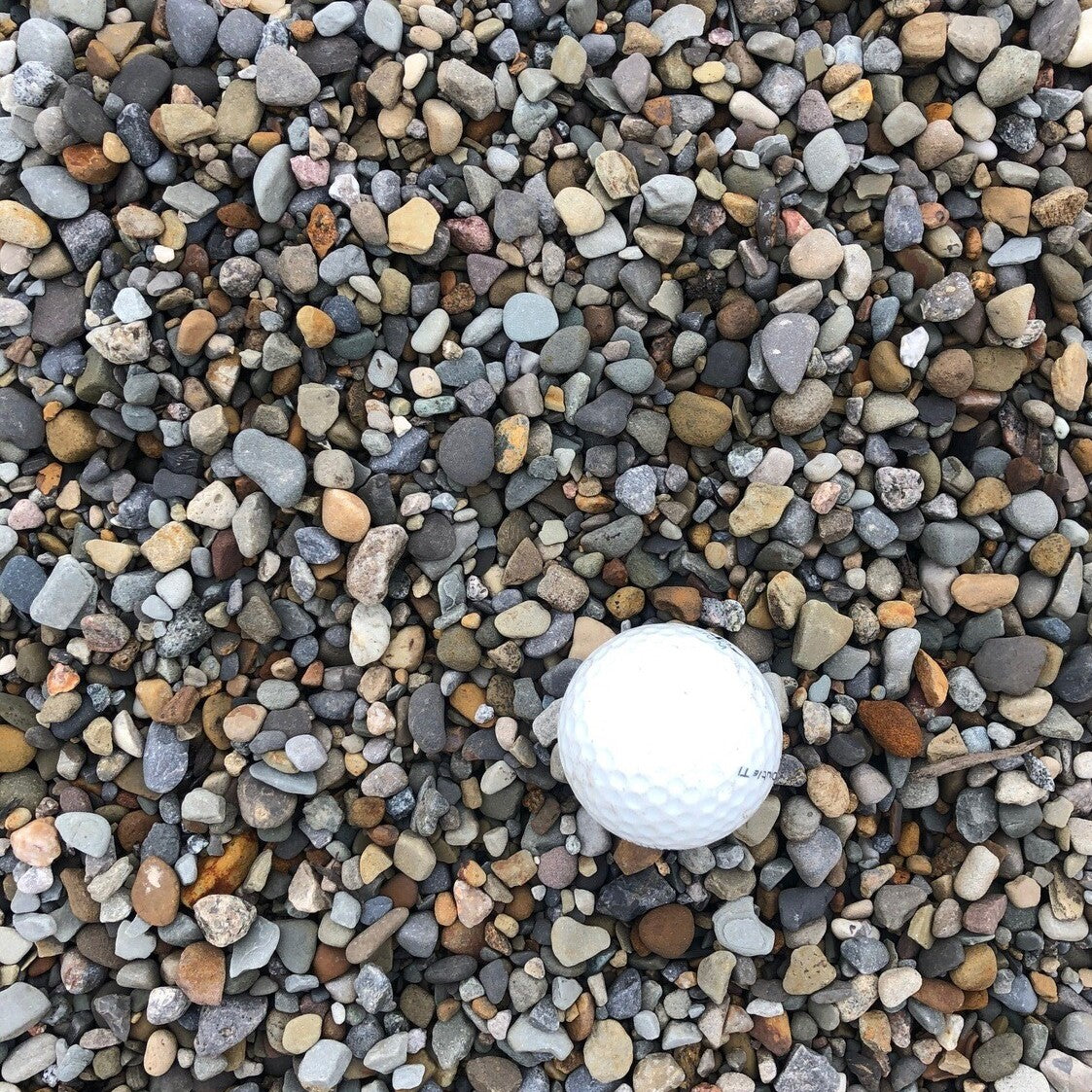
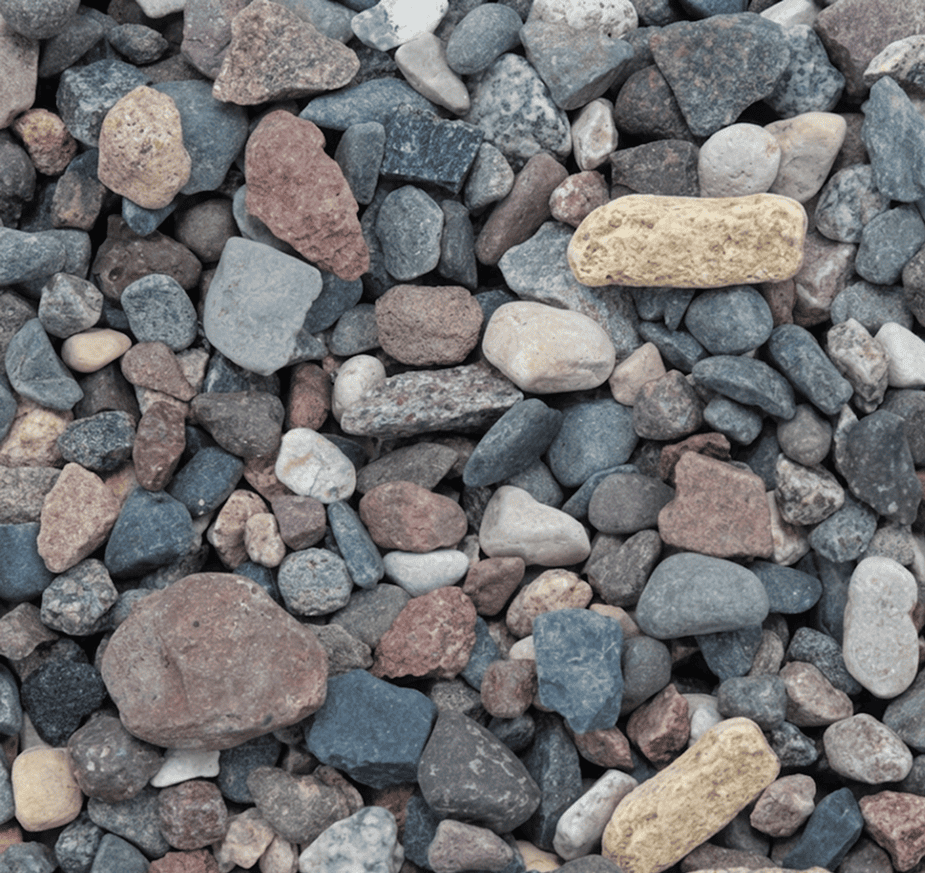
Smooth tumbled river rock, heavy enough to stay put in drainage runs and handsome enough for beds and borders.

I contacted Mulch Mound for #57 river rocks and it was easy and fast to get a delivery right before the holiday weekend. Stone was delivered as promised and place exactly where I asked. Excellent service! I will be ordering mulch next!

One cubic yard of landscape rock covers about 162 square feet at a 2 inch depth, which is the standard install for most front yard beds. For a typical Lancaster front yard bed of 300 to 400 square feet, plan on roughly 2 cubic yards at 2 inches, or closer to 3 yards if you want the fuller 3 inch depth around foundations. Measure the bed first, depth second.

A yard is approximately 27 cubic feet. As a general guideline, one yard of material can cover an area of about 100-160 square feet at a 2-3 inch depth.

Lancaster Landscape Rock Delivery

Lancaster Landscape Rock Delivery

4.7
137 reviews
Regular price $132.00 per Yard
Regular price Sale price $132.00
Sale Sold out
Shipping calculated at checkout.
Type
Size
Minimum of 3 Yard
Hand-picked local yards
4,000+ regional deliveries
Dedicated support
Why order through Mulch Mound

The best local landscape rock, without the guesswork.

We hand-pick and partner with the best yards in your region, keep only the ones our buyers rate well, and back each load with our guarantee.

Mulch Mound Guarantee

If your landscape rock isn't the quantity or quality you ordered, we'll make it right.

About this landscape rock

Smooth tumbled river rock, heavy enough to stay put in drainage runs and handsome enough for beds and borders.

I contacted Mulch Mound for #57 river rocks and it was easy and fast to get a delivery right before the holiday weekend. Stone was delivered as promised and place exactly where I asked. Excellent service! I will be ordering mulch next!

One cubic yard of landscape rock covers about 162 square feet at a 2 inch depth, which is the standard install for most front yard beds. For a typical Lancaster front yard bed of 300 to 400 square feet, plan on roughly 2 cubic yards at 2 inches, or closer to 3 yards if you want the fuller 3 inch depth around foundations. Measure the bed first, depth second.

A yard is approximately 27 cubic feet. As a general guideline, one yard of material can cover an area of about 100-160 square feet at a 2-3 inch depth.

View full details

How It Works

Getting started is easy — just follow these simple steps

1

Choose your quantity

Adjust the quantity to match your project. One cubic yard covers about 100 to 160 square feet at a 2 to 3 inch depth.

2

Select your delivery date

Select a delivery date you'd like for the product to be dropped off at your home

3

Sit back and wait

Sit back, wait, and let us work our magic to make sure the highest quality product is delivered to your driveway.

From The Mouths of Lancaster Folks

4.7
out of 5 based on 137 reviews
Google Reviews

Complete Your Outdoor Project

Landscape fabric underneath is what makes this a decade install instead of a five year one, laying rock straight onto sandy loam invites weeds up through it fast. Steel or aluminum edging keeps the rock from migrating into gravel driveways or adjacent turf, which matters more here given the wind. Some Lancaster customers pair rock beds with a strip of DG or decomposed granite for pathways, since the two materials read as a cohesive high desert palette.

Mulch Mound Pro Tip

In Lancaster's sandy loam, skip skipping the fabric step, rock laid direct onto bare soil will sink and mix with dirt within a couple seasons, especially after the occasional heavy monsoon downpour common in late summer. Use a woven landscape fabric, not the cheap spunbond kind, and overlap seams by at least six inches. Pin every two feet, the wind here will lift unpinned edges before you finish the next section of bed.

Mulch Mound Pro Tip

The most common mistake locally is installing rock right up against irrigation drip lines without a buffer. Rock beds heat up fast under high desert sun, and lines sitting under 2 to 3 inches of dark rock can degrade faster than in soil. Keep drip tubing slightly below grade in a shallow trench and check emitters each spring before growing season starts.

Mulch Mound Pro Tip

Rock is a one time cost that never needs refreshing like bark mulch does, so buying slightly more than the calculator suggests now saves you a second delivery fee later, since leftover rock stores indefinitely in a corner of the yard or garage. If your project includes both beds and a pathway, ordering rock and DG together in one delivery window is more efficient than splitting orders across separate trips.

Decorative Stone in Lancaster

Lancaster's sandy loam drains fast and holds almost no moisture near the surface, which is exactly why rock outperforms bark here, it does not wick water away from roots the way organic mulch competes for it. With Antelope Valley wind kicking up regularly at this elevation, loose bark and lighter mulches migrate across yards, but rock stays put. Zone 8b means winters are mild enough that freeze thaw heaving is not a major concern for a rock bed's base. This is a material suited to the high desert building style, xeric, low input, built once.

What Landscape Rock Is

Landscape rock is stone chosen for how it looks as much as what it does. River rock is smooth and rounded, decomposed granite is fine and packs firm underfoot. Both are sold by the cubic yard for beds, borders, paths, and dry creek beds.

River Rock vs Decomposed Granite

River rock stays loose and rolls, so it suits beds, borders, and drainage runs where it can sit in place. Decomposed granite compacts into a firm surface, so it suits paths, patios, and anywhere you will walk or roll a wheelbarrow.

Depth and Coverage

Spread river rock 2 to 3 inches deep over landscape fabric so it stays put and weeds stay down. Lay decomposed granite 3 to 4 inches deep, wet it, and compact it in lifts for a surface that sheds water instead of rutting.

Frequently Asked Questions

Click a question to see the answer

Answer

How long will landscape rock actually last in Lancaster's climate before I need to redo it?

Properly installed over fabric, landscape rock holds up for a decade or more in Lancaster. Unlike bark mulch, it does not break down under sun or dry out and blow off in high desert wind. The only maintenance is occasional leaf removal, since rock traps organic debris on top rather than absorbing it.

Answer

How many cubic yards do I need for a 350 square foot front bed?

At the standard 2 inch depth, one cubic yard covers about 162 square feet, so a 350 square foot bed needs a little over 2 cubic yards. Round up to 2.5 to account for uneven ground or a slightly deeper edge along the foundation.

Answer

Is there a bad time of year to install rock in Lancaster?

Not really, since rock installation is not weather dependent the way planting is. That said, avoid installing right before a windy spring stretch if you have not pinned your fabric yet, loose fabric edges will lift before rock covers them. Late fall through winter, before the Mar 26 last frost push of spring growth, is a comfortable window.

Answer

Where will the truck place the rock, and do I need a paved driveway?

Delivery is scheduled at checkout, and the driver places the load at a spot you flag ahead of time, usually a driveway or curbside area with enough clearance for the truck. A paved surface is not required, but the ground should be firm and accessible, gravel or compacted dirt driveways work fine.

Answer

Should I get landscape rock or decomposed granite for my yard?

It depends on the use, landscape rock works better as a static groundcover in beds and around foundations, while DG compacts into a walkable surface for paths and patio areas. Many Lancaster yards use both, rock in planting beds and DG for the connecting walkways, since they share a similar high desert look.

More delivery around Lancaster, California

All Lancaster, California landscape supply
