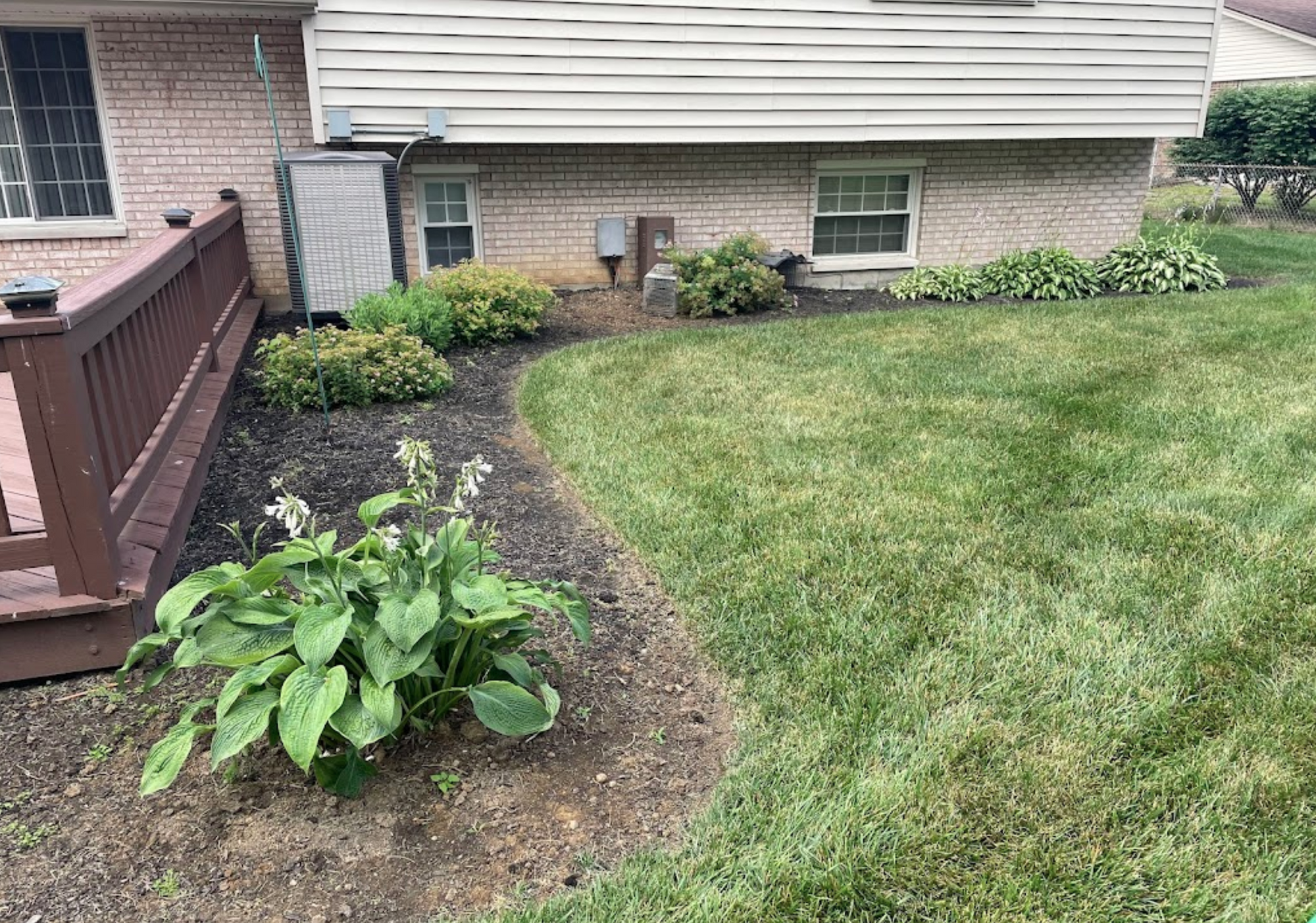
I highly recommend Mulch Mound. The quality of the mulch is very good. The ordering system on their website makes it very easy. The delivery driver did a great job placing the mulch on the driveway. To finish off, the pricing was very reasonable as well.
Tell us what you're looking for
Thanks! We received your request.
Something went wrong. Please try again.
How Much Material Do I Need?
For most Los Angeles planting beds, a 3 to 4 inch depth of mulch provides meaningful moisture retention and weed suppression through the dry season. Tree rings benefit from a full 4 inches applied out to the drip line, keeping it a few inches away from the trunk itself.
Use our free mulch calculator
What is a yard?
A yard is approximately 27 cubic feet. As a general guideline, one yard of material can cover an area of about 100-160 square feet at a 2-3 inch depth.
I highly recommend Mulch Mound. The quality of the mulch is very good. The ordering system on their website makes it very easy. The delivery driver did a great job placing the mulch on the driveway. To finish off, the pricing was very reasonable as well.
How Much Material Do I Need?
For most Los Angeles planting beds, a 3 to 4 inch depth of mulch provides meaningful moisture retention and weed suppression through the dry season. Tree rings benefit from a full 4 inches applied out to the drip line, keeping it a few inches away from the trunk itself.
Use our free mulch calculator
What is a yard?
A yard is approximately 27 cubic feet. As a general guideline, one yard of material can cover an area of about 100-160 square feet at a 2-3 inch depth.
I highly recommend Mulch Mound. The quality of the mulch is very good. The ordering system on their website makes it very easy. The delivery driver...
Read full review
I highly recommend Mulch Mound. The quality of the mulch is very good. The ordering system on their website makes it very easy. The delivery driver did a great job placing the mulch on the driveway. To finish off, the pricing was very reasonable as well.
They offered a quick turnaround and delivered high quality mulch at a reasonable price. They also dropped it off exactly where I told them to put i...
Read full review
They offered a quick turnaround and delivered high quality mulch at a reasonable price. They also dropped it off exactly where I told them to put it. Good service!
To estimate your mulch order for a Los Angeles property, measure the length and width of each planting bed in feet, multiply them together to get square footage, and add all bed areas up. Divide your total square footage by 81 to get the cubic yards needed for a 4 inch depth, which is the recommended application for water retention in our dry climate. Irregular shapes like curved borders around trees are easiest to estimate by breaking them into rough rectangles or circles and adding a 10 percent buffer for settling.
Mulch vs. No Mulch: The Difference
Before
After
Best Mulch Choice for Los Angeles Lawns
Most yards in the Los Angeles area sit on type of soil.
Hardwood Mulch
Complete Your Outdoor Mulch Project
Pair your mulch order with a delivery of amended garden soil or compost to work into your beds before mulching, giving your plants a healthy root environment below and a protective layer above. If you are edging beds against a lawn or pathway, adding decomposed granite as a border material is a popular finishing touch in Los Angeles landscapes.
Time your mulch application to arrive just before the first significant rain of the season, which in Los Angeles typically falls between late October and December. Spreading mulch over soil that is about to receive natural rainfall lets the water push the mulch's beneficial compounds down into the root zone immediately. This timing also means your plants enter the dry spring with a fully settled, moisture-retaining layer already in place, giving them a head start before irrigation season kicks in.
Mulch Mound Pro Tip
In Los Angeles neighborhoods near the coast, morning marine layer can keep soil surfaces damp for hours each day, which changes how quickly mulch breaks down on the westside compared to the San Fernando Valley or Pasadena foothills. If your garden is in a consistently foggy microclimate like Westwood, Culver City, or Pacific Palisades, check for mold or matting in your mulch layer each spring and fluff it lightly with a rake to keep air circulating. Proper airflow prevents anaerobic decomposition, which can produce acids harmful to shallow-rooted plants.
Mulch Mound Pro Tip
Los Angeles fire safety guidelines increasingly recommend caution with combustible materials close to structures, especially for properties in or near Very High Fire Hazard Severity Zones covering much of the hills and foothill communities. For the zone within 5 feet of your home, consider replacing organic mulch with decomposed granite or river rock, and then using wood chip or shredded bark mulch from 5 feet outward through your garden beds. This layered approach satisfies fire-wise landscaping recommendations while still giving your plants the moisture and soil benefits of organic mulch.
Frequently Asked Questions
Click a question to see the answer
Answer
How thick should I apply mulch in Los Angeles given how little rain we get?
In Los Angeles, aim for a 3 to 4 inch layer of mulch across planting beds. That depth is thick enough to meaningfully slow evaporation from the soil surface during the long dry season, which can run from April through October or longer in drought years. Going thinner than 2 inches gives you little moisture retention benefit, while piling mulch 6 inches deep against plant stems can trap excess humidity and encourage crown rot, especially on the drought-tolerant natives and succulents so common in LA gardens.
Answer
Will mulch help my clay loam soil, or do I need to amend the soil first?
Mulch and soil amendment work together but do different jobs. LA's clay loam holds moisture reasonably well but compacts easily and drains slowly, which can suffocate roots after a heavy winter rain. Applying a quality compost-based soil amendment and then topping it with mulch gives you the best result. The amendment improves drainage and root penetration right away, while the mulch layer above breaks down slowly over one to two years, continuously feeding organic material into that clay layer from the top down.
Answer
I have a lot of eucalyptus trees dropping leaves. Can I use that as mulch instead of buying it?
Eucalyptus leaves and bark contain natural oils that are mildly allelopathic, meaning they can inhibit the germination and growth of other plants if used heavily. A thin scattering of eucalyptus debris as a surface layer is generally fine and common in Los Angeles yards, but relying on it as your primary mulch is not ideal for established planting beds. For vegetable gardens or new plantings of native flowers and shrubs, a clean wood chip or shredded bark mulch gives you reliable results without the risk of suppressing the plants you are trying to encourage.
Answer
Does mulch attract termites in Los Angeles, and should I be worried?
Termite pressure is real in Los Angeles and it is a fair concern. The key practice is keeping mulch pulled back 6 to 12 inches from your home's foundation and from any wood structures like fences, pergolas, and raised planter frames. Mulch itself does not introduce termites, but a thick layer pressed against wood creates the dark, moist condition that foraging termites favor. Cedar mulch has some natural repellent properties and is worth considering if your property has a history of termite activity.
Answer
How often do I need to reapply mulch in a climate like Los Angeles?
In Los Angeles, organic mulches break down more slowly than in humid climates because our long dry summers essentially pause the decomposition process. Most homeowners find that a fresh top-dress once a year, typically in late October before the winter rains begin, keeps beds looking sharp and functioning well. If you applied a thick 4 inch layer initially, you may only need to add an inch or so each fall to restore depth. Check your beds in September and use that as your annual reminder.
Answer
What mulch works best for a hillside garden in the Hollywood Hills or similar sloped LA neighborhoods?
Shredded bark or gorilla hair mulch, which is a finely shredded redwood or cedar product, is the top choice for sloped gardens in Los Angeles. Its fibrous texture interlocks and stays put on grades where wood chips or nuggets would wash downhill during our occasional intense winter rain events. For very steep slopes, pairing shredded bark with a biodegradable erosion control mat gives you added security during the first season while your plant root systems establish and anchor the soil.
Answer
I am planting California natives. Does the type of mulch matter for a native garden?
It matters quite a bit. California native plants evolved with decomposed granite, sandy loam, and native leaf litter, not with rich, heavily nitrogen-loaded mulches. For a native garden in Los Angeles, a coarse wood chip mulch made from local tree trimmings, sometimes called ramial wood chips, is an excellent choice because it mimics the natural mulch layer in oak woodlands and chaparral. Avoid fine compost-heavy mulches directly around the root crowns of natives like toyon, ceanothus, and salvia, as the extra fertility and moisture retention can actually push them toward overly lush, disease-prone growth.
The Unique Landscape of Los Angeles
Los Angeles sits in a Mediterranean climate zone where long, dry summers stretch six months or more, putting enormous stress on ornamental beds, tree rings, and vegetable gardens alike. With only about 16 inches of rain falling each year, mostly between November and March, the bare soil in your landscape spends most of its life exposed to intense sun and warm, drying winds. A thick layer of mulch acts as an insulating blanket that holds moisture in the root zone, reducing how often you need to run your irrigation system. Los Angeles clay loam soils are naturally dense and slow-draining, and without organic matter worked into them over time, they can bake into a nearly impenetrable crust during the dry season. Mulch breaks down gradually and feeds organic material into that clay loam layer, improving its texture and helping water penetrate rather than sheet off the surface. Because Los Angeles never sees a killing frost, mulch here is a year-round tool rather than a seasonal one, earning its cost many times over in water savings and healthier plants.