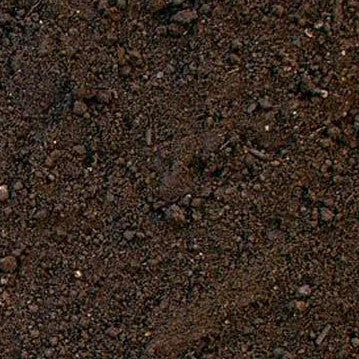
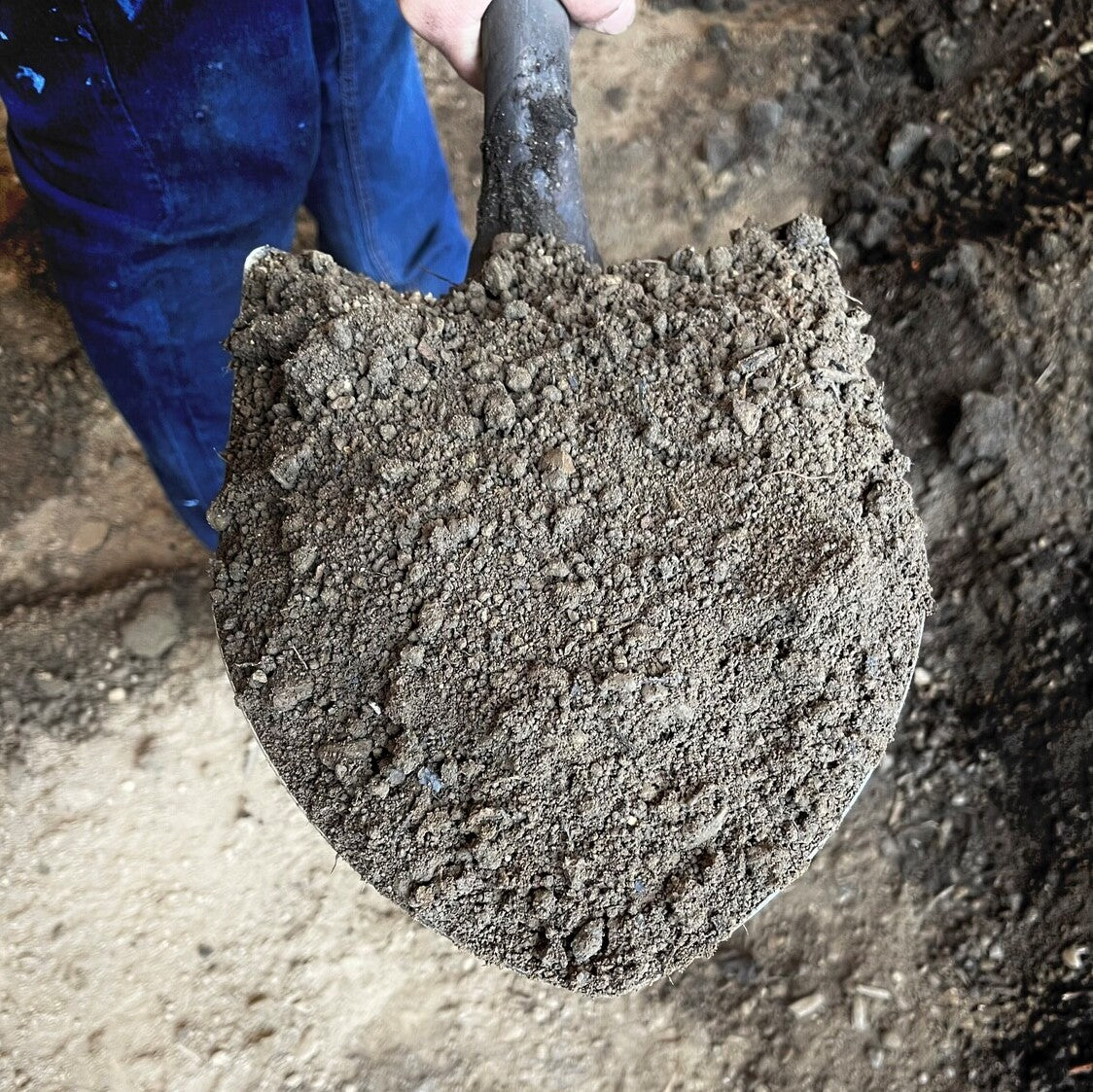
We ordered 3 yards of the garden soil, delivered mext day. We used in raised beds 6x3x2. It was more than needed for both but the soil looked good! I added some perlite to add some drainage since this is a little dense.
Tell us what you're looking for
Thanks! We received your request.
Something went wrong. Please try again.
How Much Material Do I Need?
Raised beds in Los Angeles should be filled to at least 10 to 12 inches of quality soil to give vegetable and flower roots room to spread without hitting the compacted clay loam below. For top-dressing and amendment of existing in-ground beds, a 2 to 3 inch layer worked into the top 8 inches of soil makes a meaningful improvement.
Use our free soil calculator
What is a Yard?
A yard is approximately 27 cubic feet. As a general guideline, one yard of material can cover an area of about 100-160 square feet at a 2-3 inch depth.
We ordered 3 yards of the garden soil, delivered mext day. We used in raised beds 6x3x2. It was more than needed for both but the soil looked good! I added some perlite to add some drainage since this is a little dense.
How Much Material Do I Need?
Raised beds in Los Angeles should be filled to at least 10 to 12 inches of quality soil to give vegetable and flower roots room to spread without hitting the compacted clay loam below. For top-dressing and amendment of existing in-ground beds, a 2 to 3 inch layer worked into the top 8 inches of soil makes a meaningful improvement.
Use our free soil calculator
What is a Yard?
A yard is approximately 27 cubic feet. As a general guideline, one yard of material can cover an area of about 100-160 square feet at a 2-3 inch depth.
We ordered 3 yards of the garden soil, delivered mext day. We used in raised beds 6x3x2. It was more than needed for both but the soil looked good!...
Read full review
We ordered 3 yards of the garden soil, delivered mext day. We used in raised beds 6x3x2. It was more than needed for both but the soil looked good! I added some perlite to add some drainage since this is a little dense.
To calculate bulk soil for raised beds, multiply length by width by depth in feet and divide by 27 to convert cubic feet to cubic yards. For top-dressing existing beds in a Los Angeles garden, a 2 inch layer over your square footage divided by 162 gives you cubic yards needed. Always round up by at least 10 percent because soil settles after the first watering and you will likely want extra on hand for patching low spots.
Complete Your Outdoor Soil Project
After placing your soil order, consider adding a bulk mulch delivery to top-dress your finished beds and protect the new soil from drying out under the Los Angeles sun. A load of decomposed granite can also complement new planting areas by creating clean, water-permeable pathways between your garden beds.
My Los Angeles backyard has really compacted clay that turns into puddles after it rains. What kind of soil should I add?
Compacted clay loam is the most common soil complaint in Los Angeles and the solution involves both breaking up the existing layer and adding the right material on top. For garden beds, a blend of quality topsoil and compost worked 8 to 12 inches deep will significantly improve drainage and aeration. For lawn areas with compaction, core aeration followed by a topdress of sandy loam or a compost-sand blend helps without the labor of a full dig. If you have spots that genuinely pond for more than 24 hours after rain, that usually signals a grade issue rather than a soil issue, and no amount of amended soil will fix it without regrading.
Answer
Can I use bulk soil to build raised vegetable beds that will work in the Los Angeles heat?
Raised beds are one of the smartest choices for Los Angeles vegetable gardeners because they let you bypass the clay loam entirely and create the well-draining, loose, nutrient-rich environment that most vegetables prefer. Fill your beds with a high-quality blend of topsoil, compost, and either perlite or coarse sand to keep the mix from compacting over a season or two of irrigation. In Los Angeles, raised beds also warm up faster in late winter, letting you start cool-season crops like lettuce, kale, and peas in January or even December, and they drain quickly enough to avoid the root rot that LA's wet winters can cause in ground-level beds.
Answer
I want to plant a California native garden. Do I need to add soil, or will natives do fine in my existing clay loam?
Many California natives are surprisingly tolerant of clay loam and will establish without soil amendment, but the approach depends on which natives you are planting. Species like toyon, coffeeberry, and native bunch grasses often thrive in unamended clay loam once established, and adding rich soil can actually overstimulate them. However, if your soil has severe compaction or drainage problems, a light amendment with coarse sand worked into the top 6 inches can help young plants get their roots established in the first critical summer. Avoid adding compost or rich topsoil around natives, as excess fertility encourages soft, disease-prone growth.
Answer
How much soil do I need to order to fill a typical raised bed in an LA backyard?
A standard 4 foot by 8 foot raised bed that is 12 inches deep needs roughly 0.4 cubic yards of soil mix. If you are building several beds, calculating and ordering together makes sense because bulk delivery costs are most efficient at larger quantities. A 4 foot by 12 foot bed at the same depth needs about 0.6 cubic yards. Order a little extra beyond your calculation, because soil settles as it absorbs water from your first few irrigations, and topping off is much easier when you have material on hand.
Answer
Is there a best time of year to add new soil or amend beds in Los Angeles?
Because Los Angeles has no frost and a year-round growing season, you can technically add soil any time, but the most strategic windows are fall and early spring. Adding soil in October and November lets you prepare beds just before the winter rains, which naturally settle and moisten the new material without any irrigation from you. Early spring, from February through March, is ideal before the summer heat arrives and before vegetable planting ramps up. Avoid doing major soil work during a Santa Ana wind event in fall, as dry winds can dry out freshly placed soil quickly before you can plant into it.
Answer
I keep hearing about soil salinity being a problem in LA. Is that something I should be worried about?
Soil salinity is a legitimate concern in Los Angeles, particularly in neighborhoods that have been using recycled water for irrigation, which tends to have higher mineral content than potable water. Salt accumulation in clay loam soil is especially problematic because clay particles bind salt ions tightly and resist flushing. If you notice white crusty deposits on the soil surface, stunted growth, or leaf tip burn on plants that should be healthy, a soil test for electrical conductivity is worth doing. Bringing in fresh, high-quality bulk topsoil and blending it into salt-affected beds can dilute the problem while you work on long-term irrigation management.
Answer
What is the difference between topsoil and garden mix, and which one should I order for an LA garden?
Topsoil is the natural upper layer of soil, typically screened to remove rocks and debris but not heavily amended, making it best suited for filling large volumes, grading, or blending into existing beds. Garden mix or planting mix is topsoil that has been blended with compost and sometimes other organic material, creating a richer, more structured product ready for planting. In Los Angeles, garden mix is the better choice for vegetable beds, flower borders, and new plantings because it gives plants immediate access to nutrients and a looser texture than raw topsoil. Use topsoil for base fill under raised beds or for leveling a lawn area before overseeding.
Mulch Mound Pro Tip
Los Angeles clay loam has a tendency to form a hard surface crust after irrigation cycles, which reduces water infiltration and can make it difficult for seedlings to emerge. When you bring in new bulk soil, mix it at least 50 percent into your existing clay layer rather than simply laying it on top, because a distinct interface between two different soil textures can actually trap water and create drainage problems. Thorough blending produces a gradual transition that roots can move through naturally.
Mulch Mound Pro Tip
If you are gardening in the San Fernando Valley, Inland Empire edge cities, or the eastern Los Angeles basin, your summer temperatures regularly exceed 95 to 100 degrees Fahrenheit, which accelerates organic matter decomposition in your soil significantly. Plan to refresh your beds with compost or enriched garden mix every fall to replenish what the heat has broken down over the summer. Gardeners in these hotter microclimates often find their soil needs annual amendment to maintain the structure and fertility that cooler westside gardens hold longer.
Mulch Mound Pro Tip
Water deeply and infrequently after installing new bulk soil in your Los Angeles garden, even when temperatures are high. It is tempting to water daily when it is warm, but shallow frequent watering keeps moisture near the surface and encourages shallow root systems that are vulnerable to heat stress. Deep watering once or twice a week pushes moisture down 12 to 18 inches, training roots to follow it downward into the cooler, more stable soil zone where they will be far more resilient through the dry season.
The Unique Landscape of Los Angeles
Los Angeles gardeners work with a clay loam base soil that has real strengths and real limitations depending on what you are trying to grow. Clay loam holds nutrients and moisture better than sandy soils, which sounds like an advantage, but in practice it means water can pool around roots after heavy winter rains and the surface can bake into a hard crust during the dry months. Growing Zone 10b means Los Angeles supports an extraordinarily wide range of plants, from tropical fruiting trees to Mediterranean herbs to cool-season vegetables that overwinter outdoors, but each of those plant types has specific soil needs that the native clay loam may not meet without amendment. Adding quality bulk soil allows you to build raised beds, correct drainage issues, and create a root-friendly environment that the raw clay loam simply cannot provide on its own. The lack of any frost in Los Angeles means you can plant and transplant year-round, which also means your soil is being asked to perform continuously rather than getting a winter rest, making consistent soil quality more important here than in colder climates. Investing in good soil is the single highest-return improvement a Los Angeles gardener can make before planting anything.