




Very happy with the ease of ordering. Delivery went exactly as planned. Garden soil looks great and couldn’t be happier.
About this soil
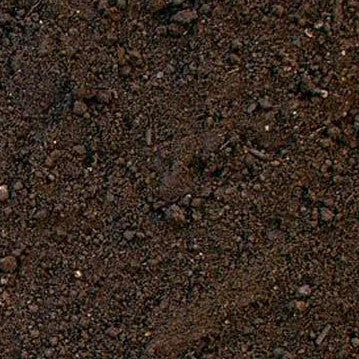
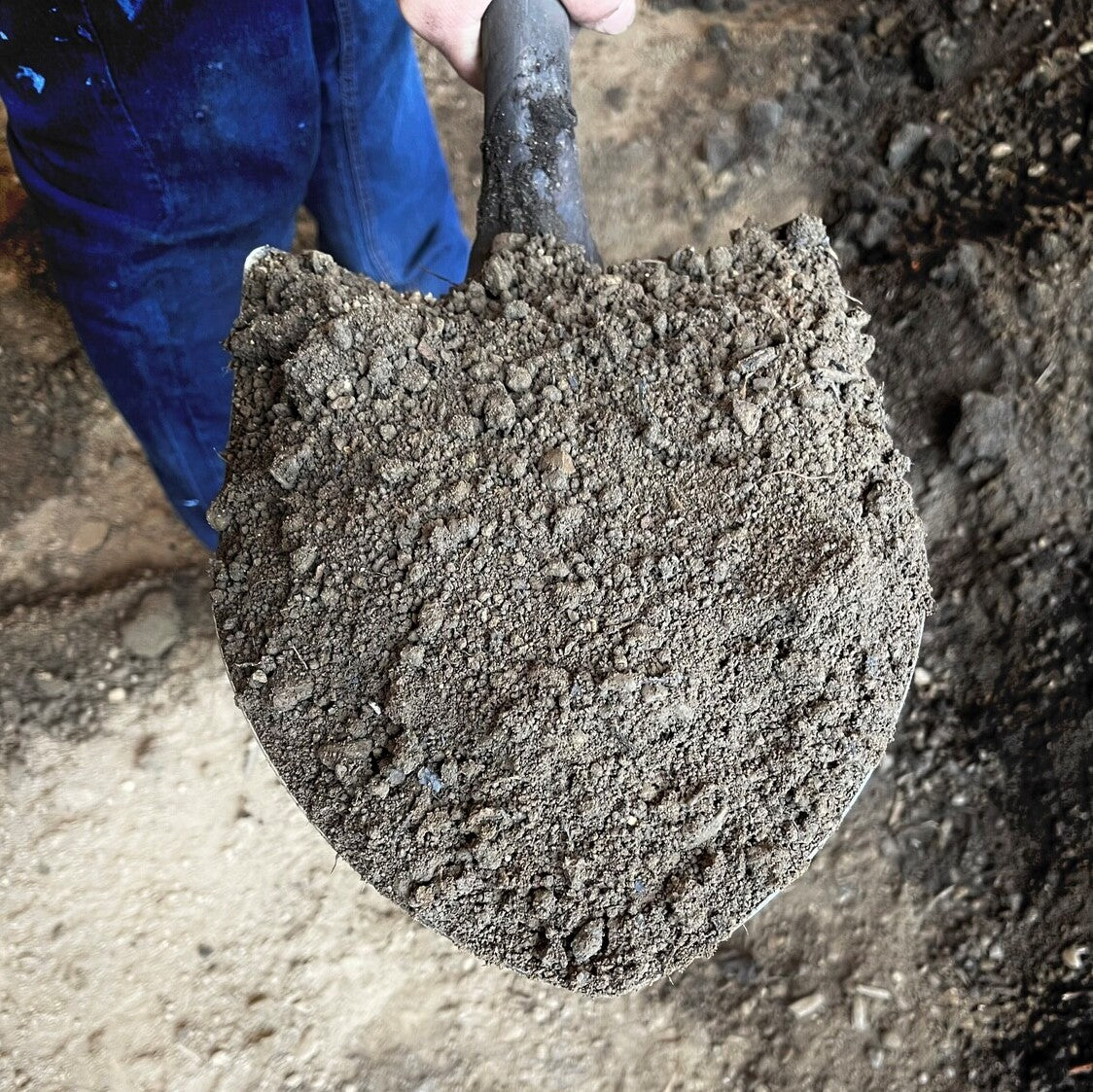
Screened topsoil with a fine, even texture. Ideal for new lawns, sod prep, and raised garden beds.
Very happy with the ease of ordering. Delivery went exactly as planned. Garden soil looks great and couldn’t be happier.
Tell us what you're looking for
Thanks! We received your request.
Something went wrong. Please try again.
How Much Material Do I Need?
How Much Material Do I Need?
For vegetable beds and new planting areas in Montrose, a minimum depth of 8 to 12 inches of quality soil is recommended to give roots room to establish before hitting native clay. Lawn topdressing and leveling projects typically need 2 to 4 inches, while raised beds benefit from a full 12 to 18 inches of fresh soil to maximize the short Zone 6a growing season.
Use our free soil calculator
What is a Yard?
What is a Yard?
FAQs
FAQs
Montrose Soil Delivery
Montrose Soil Delivery
Regular price
$64.00
per
Yard
Regular price
Sale price
$64.00
Unit price
per
Shipping calculated at checkout.
Minimum of 3 Yard
Couldn't load pickup availability
Not currently available
We can't take orders for this right now. Tell us what you need and we'll get back to you.
Hand-picked local yards
4,000+ regional deliveries
Dedicated support
Why order through Mulch Mound
The best local , without the guesswork.
We hand-pick and partner with the best yards in your region, keep only the ones our buyers rate well, and back each load with our guarantee.
Mulch Mound Guarantee
If your isn't the quantity or quality you ordered, we'll make it right.
About this soil
Screened topsoil with a fine, even texture. Ideal for new lawns, sod prep, and raised garden beds.
Very happy with the ease of ordering. Delivery went exactly as planned. Garden soil looks great and couldn’t be happier.
How Much Material Do I Need?
How Much Material Do I Need?
For vegetable beds and new planting areas in Montrose, a minimum depth of 8 to 12 inches of quality soil is recommended to give roots room to establish before hitting native clay. Lawn topdressing and leveling projects typically need 2 to 4 inches, while raised beds benefit from a full 12 to 18 inches of fresh soil to maximize the short Zone 6a growing season.
Use our free soil calculator
What is a Yard?
What is a Yard?
FAQs
FAQs
Tell us what you're looking for
Thanks! We received your request.
Something went wrong. Please try again.
How It Works
Getting started is easy — just follow these simple steps
1
Choose your soil
Make sure you adjust the quantity to your home's needs. You can use our calculator to estimate how much you'll need.
2
Select your delivery date
Select a delivery date you'd like for the product to be dropped off at your home
3
Sit back and wait
Sit back, wait, and let us work our magic to make sure the highest quality product is delivered to your driveway.

Really appreciate the care and follow thru that this company had with our order. A hiccup came up but they were quick to respond and address all co...
Read full review
Really appreciate the care and follow thru that this company had with our order. A hiccup came up but they were quick to respond and address all concerns, which made our garden day a success! Thank you for your prompt care.

Highest compliments. Great driver.
Website is easy to navigate. Just a seamless process. 5 stars!!
Need Help Calculating How Much Soil You Need?
Use our NEW Trace from Satellite tool to get an estimate for your project based on an aerial view of your property
Try Our CalculatorMeasure your project area in feet and multiply length by width to get square footage, then decide on your target depth in inches. Divide your depth in inches by 12 to convert to feet, then multiply by the square footage to get cubic feet, and divide that number by 27 to convert to cubic yards. For a lawn or bed repair project in Montrose, it helps to walk the area once with a tape measure rather than estimating, since clay soil surfaces are often uneven and actual areas are larger than they look.
Complete Your Outdoor Soil Project
A bulk mulch delivery paired with your new soil creates a complete planting system, with the soil providing a healthy root environment and the mulch protecting that soil from Montrose's drying sun and wind. For raised bed projects, a stone border material can frame beds cleanly and help retain soil during the heavy summer storm runoff that can wash exposed edges.
Mulch Mound Pro Tip
Montrose's elevation of nearly 5,800 feet means soil warms more slowly in spring than the calendar date might suggest. Even after the May 7 last frost date passes, soil temperatures in a clay-heavy yard can stay too cold for warm-season vegetable transplants for another two weeks. Spreading a dark-colored amended topsoil in your beds and covering with plastic sheeting for a week before planting can warm the soil significantly faster, giving heat-loving crops like tomatoes and peppers a better start in the short growing season.
Mulch Mound Pro Tip
When you receive a bulk soil delivery for a Montrose project, resist the urge to till it aggressively into your existing clay right away. Instead, spread the new soil over the area and let one or two irrigation cycles or a rain event allow it to settle and begin blending naturally with the surface. Tilling while the clay layer beneath is dry creates large clods that are hard to break up and can leave air pockets that dry out roots. Working the soil when it is slightly moist gives you a much smoother, more workable result.
Mulch Mound Pro Tip
For Montrose homeowners dealing with hard clay that sheds water during the brief summer thunderstorms, creating gentle berms and swales with your new soil can make a significant difference in how much of that rain your landscape actually captures. By shaping soil so that low areas around trees and planting beds collect runoff rather than channeling it to the street, you turn a 20-minute thunderstorm into meaningful deep watering. This water harvesting approach is especially practical in a climate where every inch of annual precipitation counts.
The Unique Landscape of Montrose
The native clay soil in Montrose creates real challenges for homeowners trying to establish lawns, gardens, and landscaping that can survive the short 150-day growing season between the May 7 last frost and October 4 first frost. Clay holds water near the surface after rain or irrigation, then bakes into a dense layer that roots struggle to penetrate once it dries out, which is a common cycle at this elevation with only 11 inches of annual precipitation. Bringing in quality amended topsoil or garden soil gives plants a better starting environment where roots can establish quickly and access nutrients without fighting compaction. At 5,807 feet in Zone 6a, plants already face cold temperatures, UV stress, and dry air, so giving them a healthy soil foundation is one of the most effective investments a Montrose gardener can make. Whether you are building new raised beds, leveling a lawn area, or creating a productive vegetable garden, the right bulk soil delivery can transform what is possible on a Montrose property.