I can’t say enough good things about Mulch Mound! If you read my review below you will see I had a problem with my order. Mulch Mound was quick to respond and solved the issue with my delivery. Will definitely be a customer next year.
First time purchase...
Tell us what you're looking for
Thanks! We received your request.
Something went wrong. Please try again.
How Much Material Do I Need?
For most Oakland planting beds and tree rings, a finished depth of 3 inches delivers the best balance of moisture retention and weed suppression through the long dry season. Apply 4 inches in areas with poor clay soil that tends to compact quickly, keeping mulch pulled back a few inches from plant stems.
Use our free mulch calculator
What is a yard?
A yard is approximately 27 cubic feet. As a general guideline, one yard of material can cover an area of about 100-160 square feet at a 2-3 inch depth.
I can’t say enough good things about Mulch Mound! If you read my review below you will see I had a problem with my order. Mulch Mound was quick to respond and solved the issue with my delivery. Will definitely be a customer next year.
First time purchase...
How Much Material Do I Need?
For most Oakland planting beds and tree rings, a finished depth of 3 inches delivers the best balance of moisture retention and weed suppression through the long dry season. Apply 4 inches in areas with poor clay soil that tends to compact quickly, keeping mulch pulled back a few inches from plant stems.
Use our free mulch calculator
What is a yard?
A yard is approximately 27 cubic feet. As a general guideline, one yard of material can cover an area of about 100-160 square feet at a 2-3 inch depth.
I can’t say enough good things about Mulch Mound! If you read my review below you will see I had a problem with my order. Mulch Mou...
Read full review
UPDATE!
I can’t say enough good things about Mulch Mound! If you read my review below you will see I had a problem with my order. Mulch Mound was quick to respond and solved the issue with my delivery. Will definitely be a customer next year.
First time purchase from Mulch Mound!! First what I liked! Easy to order online and straight forward pricing and delivery. The driver was on time and courteous and delivered my Mulch exactly where I requested! The product is of good quality and comparable to others I have purchased from before. Now what I DID’NT LIKE! I have been mulching the same house and yard for almost 20 years. I always order the same amount and don’t have any issues with covering the same area but this year I fell about a yard short. I was home when the mulch was delivered and when the driver dumped it I noticed that it seemed a bit less than I was used to. I didn’t apply it any thicker than usual and probably a bit thinner than usual because I was worried about running out.
Mulch Mound made it so easy! So happy with the pricing, turn around time, delivery and product. I submitted my online order on a Thursday. The mu...
Read full review
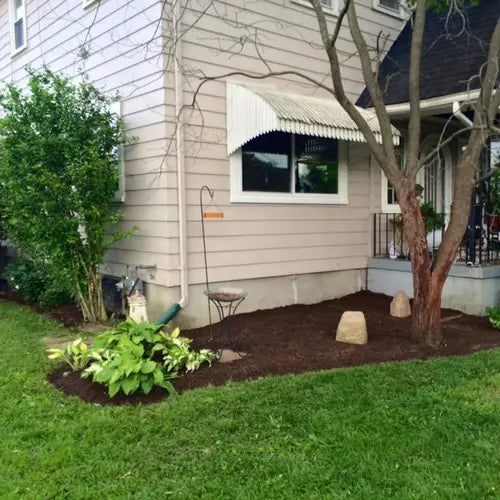
Mulch Mound made it so easy! So happy with the pricing, turn around time, delivery and product. I submitted my online order on a Thursday. The mulch was delivered to the designated location by a local landscape company at 8:30 a.m. the following Saturday morning. We had the job completed by that afternoon. We chose the natural brown mulch, and the plant beds are beautiful.
Before ordering, measure the length and width of each bed in feet and multiply those numbers together to get square footage. Add up all your bed areas, then use our calculator to find out how many cubic yards you need based on your desired depth. A small overlap in your estimate is better than running short mid-project.
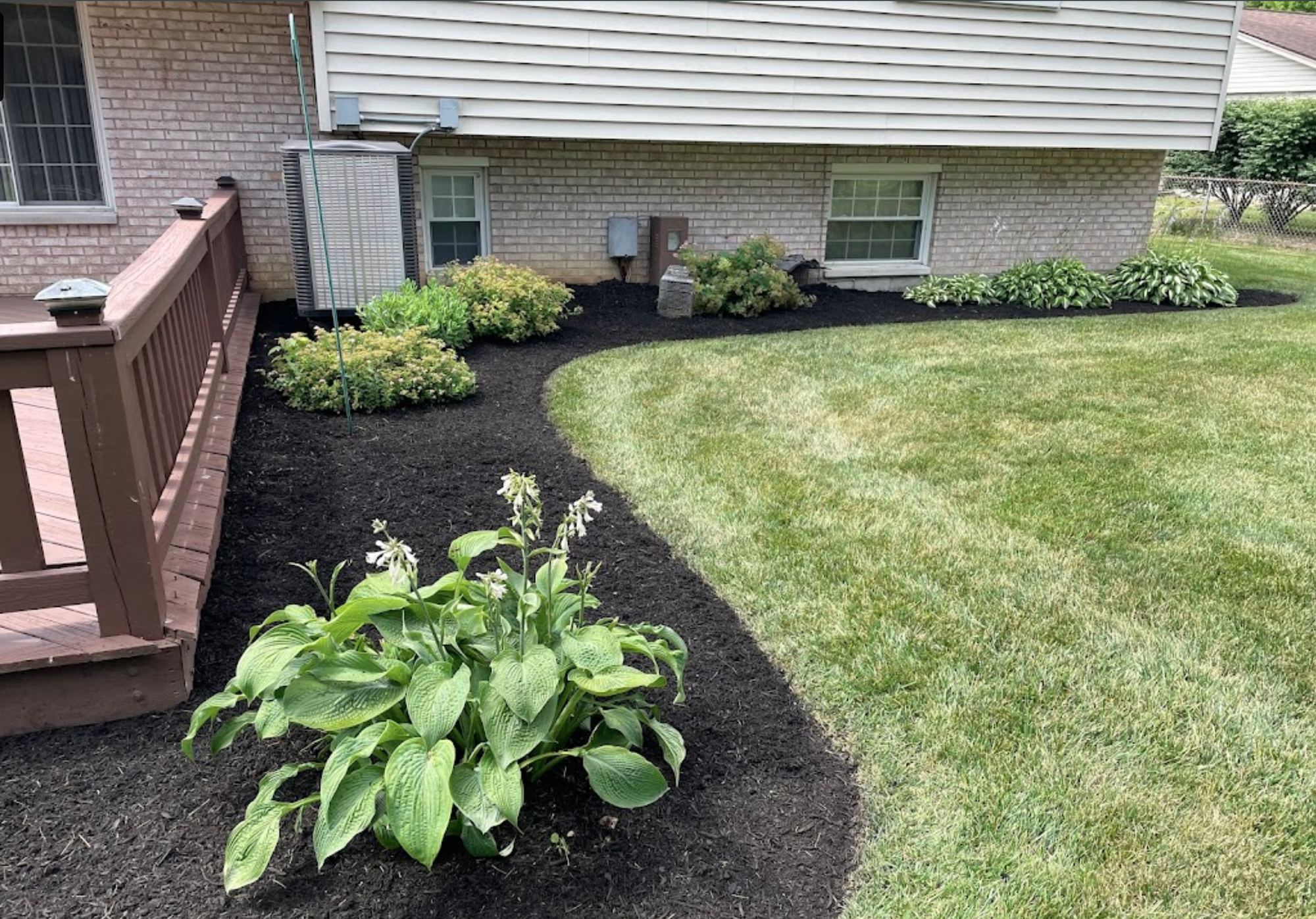
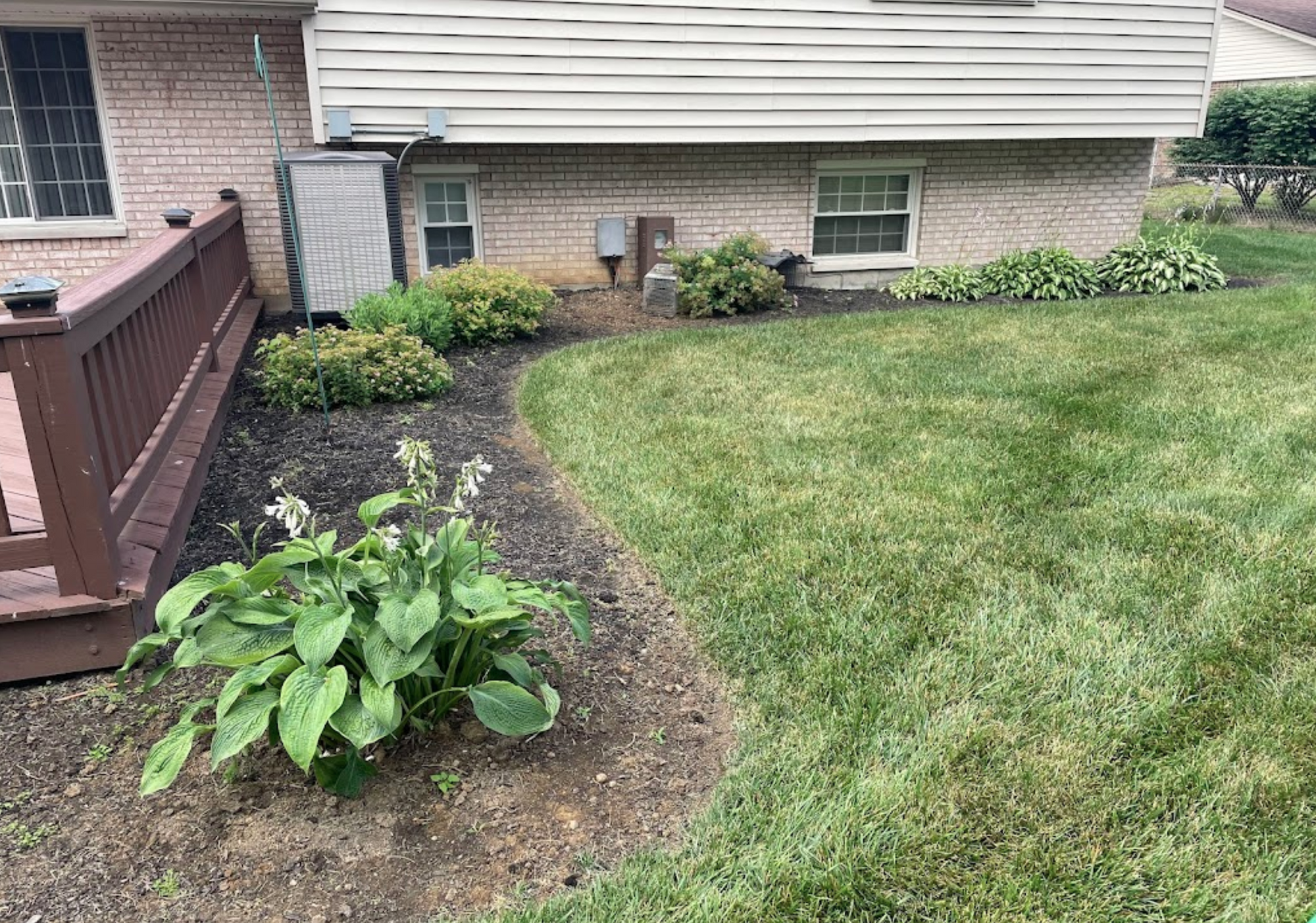
Mulch vs. No Mulch: The Difference
Oakland's nearly frost-free winters, with only a brief window between December 15 and February 1 where light frost is possible, mean organic mulch never fully stops breaking down the way it would in colder climates. This is good news for soil health but means you need to replenish organic mulch more regularly than gardeners in northern cities do. The long warm season from Zone 10a accelerates microbial activity, turning wood chips and bark into humus faster than you might expect.
Before
After
Best Mulch Choice for Oakland Lawns
Most yards in the Oakland area sit on type of soil. Oakland's clay loam soil tends to seal at the surface during dry spells, forming a layer that resists water penetration right when your plants need it most. Placing organic mulch over that surface keeps it from hardening, preserving the porous texture that roots and rain both depend on.
Hardwood Mulch
Hardwood mulch breaks down into a fine, humus-rich material that works into clay loam over successive seasons, gradually improving its structure from the top down. The added organic matter opens micro-pores in the clay, making it both better draining and better at holding nutrients that Oakland's naturally lean clay loam soils often lack.
Complete Your Outdoor Mulch Project
Pair your mulch order with a quality compost-amended garden soil to give new plantings a nutrient-rich base before you mulch over the top. A load of decomposed granite or pathway gravel also complements mulched beds by defining clean edges between planting zones and hardscape.
Oakland's clay loam holds water longer than sandy soils, which means roots can suffocate if mulch is piled too thickly. Resist the temptation to go deeper than 4 inches in beds with poor drainage. Instead, loosen the top few inches of soil with a fork before spreading mulch, which opens small channels that let air and water move more freely. This simple step dramatically improves results in heavy Oakland clay.
Mulch Mound Pro Tip
Many Oakland gardeners mulch only in spring, but a fall application before the rainy season is actually more impactful. When heavy rains arrive in November and December, bare clay soil becomes compacted from the force of raindrops and erodes along slopes. Getting mulch down in October means your soil enters the wet season protected, and the rains help press the mulch into a stable, cohesive layer that stays put.
Mulch Mound Pro Tip
If you grow California native plants, which thrive all over Oakland in Zone 10a, choose a coarser wood chip mulch rather than fine shredded bark. Natives like ceanothus, toyon, and coffeeberry evolved with minimal organic matter accumulation and can develop root rot if fine, moisture-retaining mulch sits heavily around their crowns. A chunkier chip allows more airflow and dries more quickly between rain events, matching the conditions those plants prefer.
Frequently Asked Questions
Click a question to see the answer
Answer
How much mulch do I need to protect my plants through an Oakland summer?
For Oakland's dry season, which can run five to six months without meaningful rain, aim for a 3-inch layer over your planting beds. That depth keeps soil moisture from evaporating too quickly during the hottest stretches of July and August, when temperatures in the Oakland hills can climb well above coastal readings. Refill any areas that have settled below 2 inches before summer arrives.
Answer
My soil in Oakland is really dense and clay-heavy. Will mulch actually help that?
Yes, and it is one of the best tools you have for improving clay loam over time. As organic mulch breaks down on the surface, it feeds earthworms and soil microbes that physically loosen compacted clay. Oakland's mild, moist winters accelerate this decomposition, so within a season or two you will notice water penetrating more easily instead of pooling on the surface.
Answer
Does mulch affect drainage during Oakland's rainy season?
A properly applied mulch layer actually improves drainage in clay loam by softening the impact of heavy rain and letting water filter in gradually rather than running off. Oakland receives most of its 20 inches of annual rain in short, intense storms between November and March, and bare clay soil becomes nearly impermeable during those events. Mulch acts as a buffer, slowing the flow and giving the soil time to absorb moisture.
Answer
When is the best time of year to refresh mulch in Oakland?
The most strategic time is late October or early November, just before the rains begin. This lets the mulch settle into place before the wet season starts, protecting your soil from erosion and giving plants a moisture reserve heading into winter. A second light top-up in late April, after the rains taper off, helps lock in any remaining soil moisture before the long dry stretch begins.
Answer
I have a lot of redwood trees near my Oakland property. Should I avoid using wood mulch because of them?
Redwood and eucalyptus are common in Oakland and their leaf litter can make soil more acidic over time, but using standard wood chip or hardwood mulch nearby is perfectly fine. You are adding mulch on top of the soil, not mixing it in, so it will not dramatically shift your soil chemistry. If you are growing acid-sensitive plants under or near those trees, a soil test from your local cooperative extension can tell you whether any pH adjustment is needed.
Answer
Will mulch attract termites or pests near my Oakland home's foundation?
This is a reasonable concern in Oakland, where termites are active. Keep any mulch at least 6 inches away from your foundation and wood siding, and never pile it directly against the structure. As long as you maintain that gap, mulch does not meaningfully increase termite risk. Inorganic materials like gravel are an alternative for the strip immediately bordering your foundation if you want extra peace of mind.
Answer
How quickly does mulch break down in Oakland's climate?
In Oakland's climate, with its combination of warm temperatures and moist winters, a 3-inch layer of wood chip mulch typically breaks down to about 1.5 to 2 inches within 12 months. Finer mulches like shredded bark decompose faster. Because decomposition runs nearly year-round in Zone 10a with only a short mild frost window, you should plan to replenish mulch annually to maintain the depth your plants depend on.
The Unique Landscape of Oakland
Oakland's Mediterranean climate creates a demanding cycle for landscape beds, with long dry summers stretching from May through October and concentrated winter rains that can overwhelm clay loam soil. Without a protective mulch layer, that clay loam bakes hard in the summer heat, forming a crust that sheds water rather than absorbing it. Organic mulch breaks down gradually, improving the soil structure beneath it and giving roots a fighting chance in ground that naturally compacts. Oakland's mild winters, with frost arriving as late as December 15 and clearing by February 1, mean decomposition continues nearly year-round, so you get real soil-building benefits even in the cooler months. The city's 20 inches of annual rainfall land mostly between November and March, making a good mulch layer critical for preventing erosion during those heavy winter pulses. Protecting your planting beds with the right mulch depth is one of the most effective investments an Oakland gardener can make.