


About this fill dirt
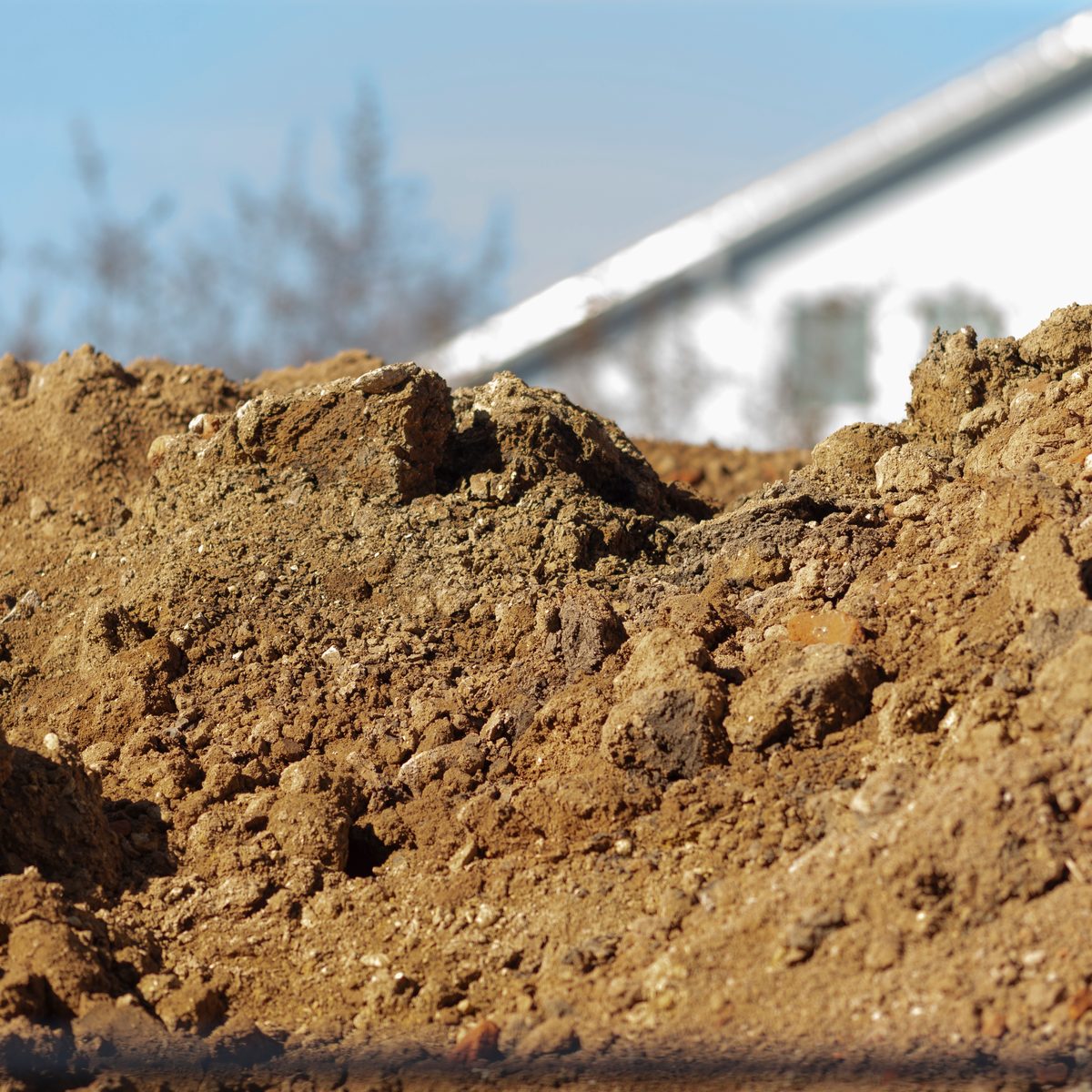
Inorganic subsoil for filling holes, raising low ground, and backfill. Small rocks and bits of stick or root are normal in the mix, this is structural material and not a growing medium. Do not use it to level a lawn surface or fill flower beds, put topsoil over it for anything you want to plant. Place it in lifts and compact as you go.

Tell us what you're looking for
Thanks! We received your request.
Something went wrong. Please try again.
How Much Fill Dirt Do I Need?
How Much Fill Dirt Do I Need?
One cubic yard of fill dirt covers about 54 square feet at a 6 inch depth, and most jobs here run 6 to 12 inches depending on how much you need to raise. Measure the low area in square feet, decide your target depth, and work backward from there. For a foundation backfill or a pool surround, figure the volume of the gap directly rather than using a flat coverage number.
Estimate fill dirt with our free topsoil calculator
What is a Yard?
What is a Yard?
FAQs
FAQs
Quincy Fill Dirt Delivery
Quincy Fill Dirt Delivery
Regular price
$38.00
per
Yard
Regular price
Sale price
$38.00
Unit price
per
Shipping calculated at checkout.
Minimum of 3 Yard
Couldn't load pickup availability
Not currently available
We can't take orders for this right now. Tell us what you need and we'll get back to you.
Hand-picked local yards
4,000+ regional deliveries
Dedicated support
Why order through Mulch Mound
The best local fill dirt, without the guesswork.
We hand-pick and partner with the best yards in your region, keep only the ones our buyers rate well, and back each load with our guarantee.
Mulch Mound Guarantee
If your fill dirt isn't the quantity or quality you ordered, we'll make it right.
About this fill dirt
Inorganic subsoil for filling holes, raising low ground, and backfill. Small rocks and bits of stick or root are normal in the mix, this is structural material and not a growing medium. Do not use it to level a lawn surface or fill flower beds, put topsoil over it for anything you want to plant. Place it in lifts and compact as you go.
How Much Fill Dirt Do I Need?
How Much Fill Dirt Do I Need?
One cubic yard of fill dirt covers about 54 square feet at a 6 inch depth, and most jobs here run 6 to 12 inches depending on how much you need to raise. Measure the low area in square feet, decide your target depth, and work backward from there. For a foundation backfill or a pool surround, figure the volume of the gap directly rather than using a flat coverage number.
Estimate fill dirt with our free topsoil calculator
What is a Yard?
What is a Yard?
FAQs
FAQs
Tell us what you're looking for
Thanks! We received your request.
Something went wrong. Please try again.
How It Works
Getting started is easy — just follow these simple steps
1
Choose your quantity
Adjust the quantity to match your project. One cubic yard covers about 100 to 160 square feet at a 2 to 3 inch depth.
2
Select your delivery date
Select a delivery date you'd like for the product to be dropped off at your home
3
Sit back and wait
Sit back, wait, and let us work our magic to make sure the highest quality product is delivered to your driveway.

First time going with this company for mulch and it was an efficient process from start to finish. Website was easy—I told them exactly where I wan...
Read full review
First time going with this company for mulch and it was an efficient process from start to finish. Website was easy—I told them exactly where I wanted the mulch put on my driveway, and it was delivered perfectly when I got home from work the next day. Best deal around when I compared it to competitors and I will definitely be becoming back.

Ordered Dirt. Received Dirt. Would Buy Again.
Complete Your Outdoor Project
Most fill dirt jobs finish with a layer of topsoil on top, especially if the area will get grass or landscaping afterward. If you are building up a slope, a bit of gravel underneath near the low end can help with drainage before you fill. Pair the two and you go from raw grade correction to a plantable surface without ordering a second delivery weeks later.


Mulch Mound Pro Tip
Fill dirt is structural, not a growing medium, so never dump it in one thick layer and walk away. Place it in lifts of 6 to 8 inches and compact each one before adding the next, especially near foundations or pools where settling later can crack concrete or shift pavers. Quincy's silt loam already holds water longer than sandy soil, so uncompacted fill here settles unevenly if you skip this step, sometimes for a couple years.
Mulch Mound Pro Tip
The most common mistake we see is people trying to grow grass straight in fill dirt. It has no organic matter and compacts hard, so nothing roots well in it. Always cap finished fill with 4 to 6 inches of real topsoil before seeding or sodding, and give it a season to settle if you can, since Quincy's freeze thaw cycle through winter will expose any soft spots you missed.
Mulch Mound Pro Tip
If you are filling a large low area, mix fill dirt for the bulk of the depth and finish with topsoil only where the surface needs to support plants. This keeps your order efficient since fill dirt is cheaper to move in volume than topsoil, and you are not paying for growing medium in spots eight inches underground where no roots will ever reach.
Grading and Filling in Quincy
Quincy sits on silt loam over old river bluffs, and a lot of lots here have drainage headaches from land that slopes toward the Mississippi. Fill dirt is what people bring in to raise a low yard, level a spot near a foundation, or build a pad before laying topsoil for a lawn. It is not meant to grow anything on its own, it is structural, so plan a cap of topsoil for any area that needs grass or plants. With frost reaching down through winter here, low spots that hold water are worth fixing before the ground freezes.
What Fill Dirt Is
Fill dirt is inorganic subsoil sold for volume and grade, not for growing. Small rocks and bits of stick or root are normal in the mix. It compacts predictably, which is exactly what you want under slabs, in trenches, and behind walls.
Fill Dirt vs Topsoil
Fill dirt builds the shape of the ground, topsoil grows things on top of it. Bring the grade up with fill, then cap it with 4 to 6 inches of topsoil anywhere grass or plants are going in.
Compact in Lifts
Place fill in layers of 4 to 6 inches and compact each one before adding the next. Dumping the full depth at once leaves voids that settle later, and settling is the one problem fill is supposed to solve.