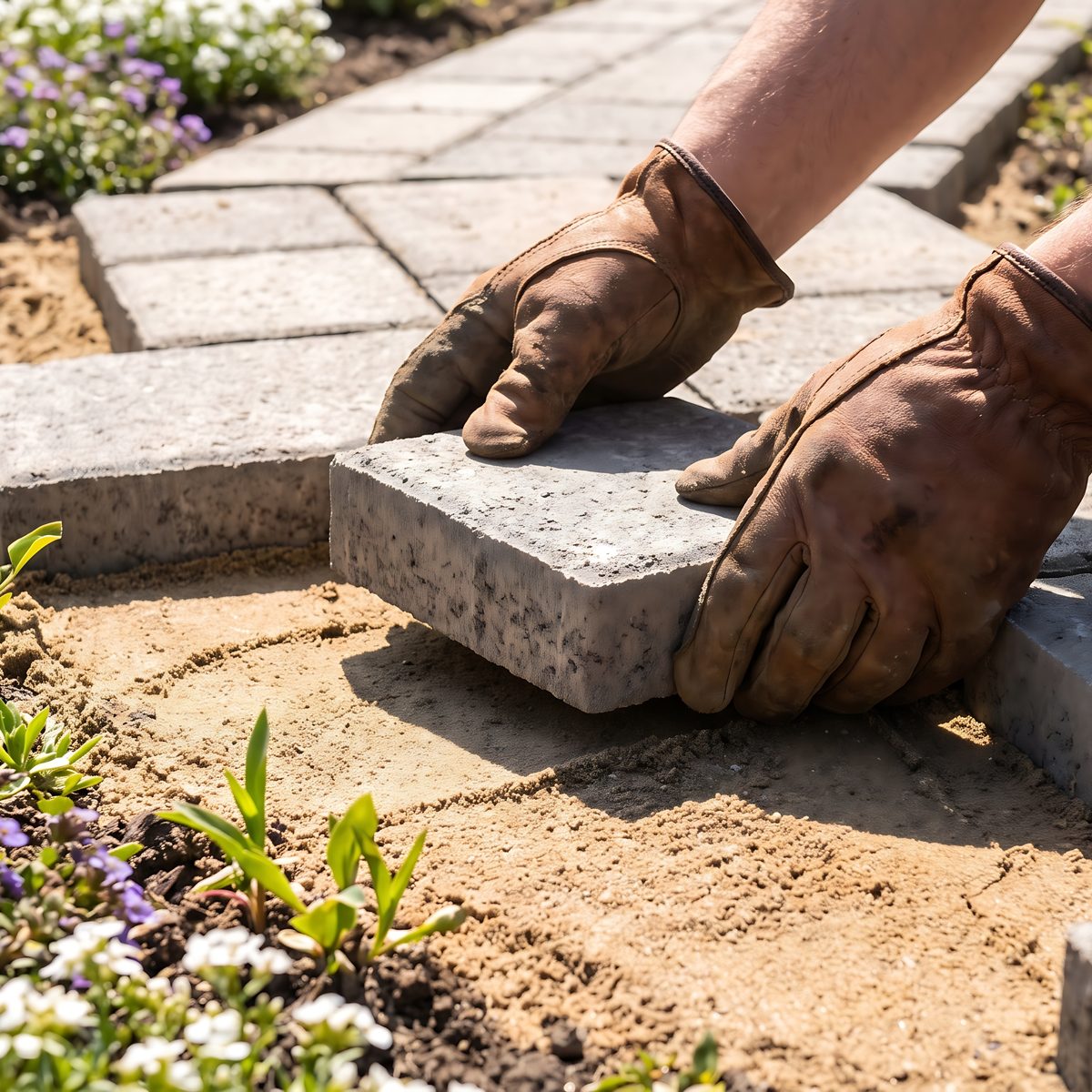
About this sand

Washed and finely screened masonry sand for mortar, paver joints, and pool bases. Consistent grain, ready to screed.

Really appreciate the care and follow thru that this company had with our order. A hiccup came up but they were quick to respond and address all concerns, which made our garden day a success! Thank you for your prompt care.

At a 1 inch depth, one cubic yard covers roughly 324 square feet, so a paver joint job or a small pool base might only need a fraction of a yard while a mortar mixing operation on a full patio rebuild can run through two or three yards fast. Depth matters more than area here since sand is usually spread thin, 1 to 2 inches, rather than piled deep like a mulch bed. Measure your square footage first, then match it against the depth you actually need for the job.

A yard is approximately 27 cubic feet. As a general guideline, one yard of material can cover an area of about 100-160 square feet at a 2-3 inch depth.

Quincy Sand Delivery

Quincy Sand Delivery

4.7
137 reviews
Regular price $74.00 per Yard
Regular price Sale price $74.00
Sale Sold out
Shipping calculated at checkout.
Type
Size
Minimum of 3 Yard
Hand-picked local yards
4,000+ regional deliveries
Dedicated support
Why order through Mulch Mound

The best local sand, without the guesswork.

We hand-pick and partner with the best yards in your region, keep only the ones our buyers rate well, and back each load with our guarantee.

Mulch Mound Guarantee

If your sand isn't the quantity or quality you ordered, we'll make it right.

About this sand

Washed and finely screened masonry sand for mortar, paver joints, and pool bases. Consistent grain, ready to screed.

Really appreciate the care and follow thru that this company had with our order. A hiccup came up but they were quick to respond and address all concerns, which made our garden day a success! Thank you for your prompt care.

At a 1 inch depth, one cubic yard covers roughly 324 square feet, so a paver joint job or a small pool base might only need a fraction of a yard while a mortar mixing operation on a full patio rebuild can run through two or three yards fast. Depth matters more than area here since sand is usually spread thin, 1 to 2 inches, rather than piled deep like a mulch bed. Measure your square footage first, then match it against the depth you actually need for the job.

A yard is approximately 27 cubic feet. As a general guideline, one yard of material can cover an area of about 100-160 square feet at a 2-3 inch depth.

View full details

How It Works

Getting started is easy — just follow these simple steps

1

Choose your quantity

Adjust the quantity to match your project. One cubic yard covers about 100 to 160 square feet at a 2 to 3 inch depth.

2

Select your delivery date

Select a delivery date you'd like for the product to be dropped off at your home

3

Sit back and wait

Sit back, wait, and let us work our magic to make sure the highest quality product is delivered to your driveway.

From The Mouths of Quincy Folks

4.7
out of 5 based on 137 reviews
Google Reviews

Complete Your Outdoor Project

Most sand orders in Quincy show up alongside pavers or brick for the actual surface work, plus a base layer of crushed stone underneath for drainage through that silt loam subsoil. If you are doing pool prep, a geotextile fabric under the sand keeps it from migrating into the native soil over time. None of it is required, but it is what most crews here actually bring to the job.

Map of the sand delivery area around Quincy, Illinois

Service area

Areas we deliver sand in Quincy, Illinois

Mulch Mound Pro Tip

Mason sand for mortar mixing needs to stay dry until you are ready to use it, especially with Quincy's humid summers pushing moisture into an uncovered pile overnight. Tarp it if rain is forecast within a day or two of your pour. Wet sand throws off your mortar ratio and makes the mix harder to work, which matters more on a hot afternoon when the mortar is already setting up fast in your wheelbarrow.

Mulch Mound Pro Tip

A common mistake is using mason sand as paver bedding out of habit. It compacts less predictably than clean chip stone, which is why most crews around here have shifted to chip stone for bedding and kept mason sand strictly for the joints and the mortar work. Mixing up the two on a paver job is the single biggest reason patios shift or pump water after a few freeze thaw cycles.

Mulch Mound Pro Tip

If you are running a job that needs both mortar sand and a bedding material, order them as separate deliveries rather than trying to stretch one pile to do both jobs. It is a small logistics step that saves you from re-ordering mid-project when the chip stone runs short and the mason sand is the wrong material to fill the gap.

Working With Sand in Quincy

Quincy sits on silt loam that holds water and turns soft after spring rain, which is exactly why masons here rely on clean, uniform sand instead of whatever is left over from a concrete job. With the Mississippi humidity and freeze thaw cycles down to zone 6a winters, mortar joints need sand that packs consistently or they crack out by the following spring. A lot of the older brick work near Villa Kathrine and downtown Quincy was built and repaired with this same fine sand for that reason. It is also the standard base layer for pool installs on the bluffs where the native soil alone will not settle evenly.

Masonry vs Fill Sand

Masonry sand is washed and finely screened, the right choice for mortar work, paver joints, and sandboxes. Fill sand is coarser and less processed, better suited to leveling, bedding pipe, and filling low spots.

Bedding and Leveling

For pavers, screed a 1 inch sand bed over a compacted base rather than using sand to fix deep grade problems. A thin, even bed locks pavers in place. A thick one shifts underfoot.

Working With Moisture

Slightly damp sand spreads, screeds, and compacts far more easily than bone dry sand, which just flows back into your screed lines. Lightly wetting the pile before you work it saves real effort.

Frequently Asked Questions

Click a question to see the answer

Answer

Is this the same as mason sand I would buy at a hardware store in Quincy?

Yes, this is washed and finely screened mason sand, the same material used for mortar mixing and paver joints. It is finer and more uniform than concrete sand, which is what makes mortar workable. Ordering by the cubic yard just gets you a full load delivered instead of buying it bag by bag.

Answer

How many cubic yards do I need for a paver patio's joint sand?

Joint sand uses very little material since it only fills the gaps between pavers, so most patios need well under a full cubic yard. One yard spread at 1 inch covers about 324 square feet, but joints are a fraction of that depth and area, so a quarter yard often handles a mid size patio's joints with some left over.

Answer

When is the best time to order sand for a hardscape job in Quincy?

Spring through fall is peak hardscape season here, and scheduling delivery a few days before your project start gives you time to tarp the pile if rain is coming. Avoid ordering too far ahead of a mortar job since exposure to Quincy's humidity can add unwanted moisture to the pile.

Answer

Where does the truck place the sand on delivery day?

The truck places the pile at the driveway or staging area you specify when you schedule, so pick a spot with clear access for a full size delivery truck. Make sure the area can handle the weight of a sand pile without washing out, especially if your yard has the silt loam common around Quincy that stays soft after rain.

Answer

Should I use this sand or chip stone for my paver base?

For paver bedding, many crews now prefer clean chip stone since it does not pump or shift the way sand can under freeze thaw cycles. Save this mason sand for mortar mixing and filling paver joints, where its fine, uniform grain is actually the right tool for the job.

More delivery around Quincy, Illinois

All Quincy, Illinois landscape supply