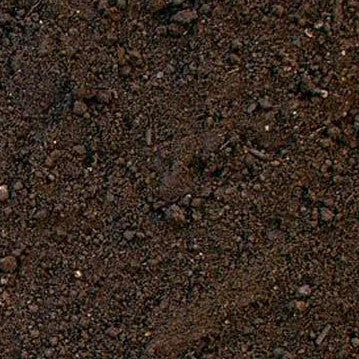
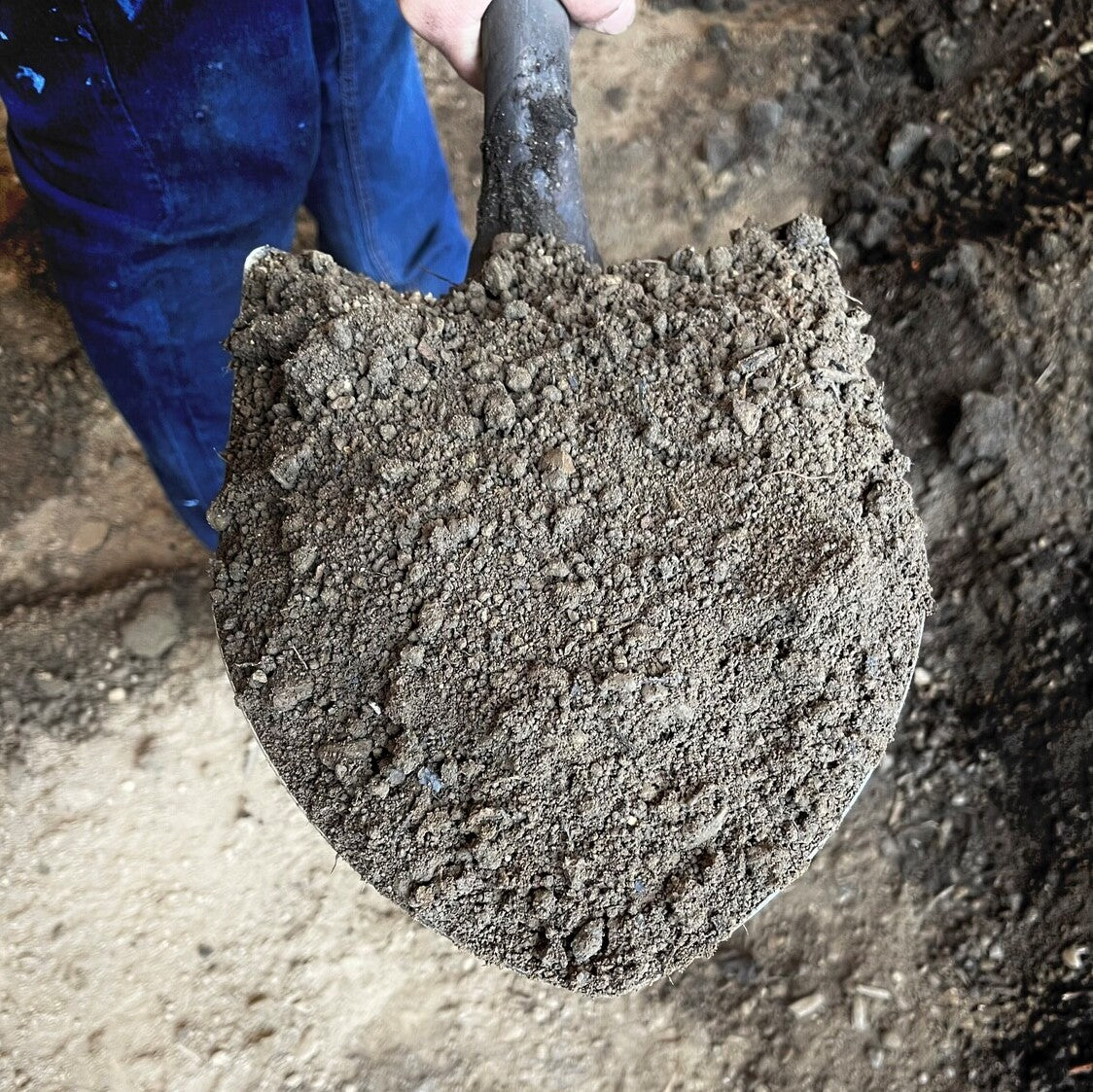
We got 3 yards of the gardening top soil. It was great quality, not many chunks and seems good for growing, just waiting for all my plants to love it.
We had more than enough soil to fill a raised bed we made and landscaped around a patio. I do wish we could do less tha...
Tell us what you're looking for
Thanks! We received your request.
Something went wrong. Please try again.
How Much Material Do I Need?
One cubic yard covers about 100 square feet at 3 inches, 65 square feet at 5 inches, or fills a 4 by 8 foot raised bed to roughly 10 inches. Use 4 to 6 inches for new turf areas and 12 to 18 inches for vegetable beds in our short growing season.
Use our free soil calculator
What is a Yard?
A yard is approximately 27 cubic feet. As a general guideline, one yard of material can cover an area of about 100-160 square feet at a 2-3 inch depth.
We got 3 yards of the gardening top soil. It was great quality, not many chunks and seems good for growing, just waiting for all my plants to love it.
We had more than enough soil to fill a raised bed we made and landscaped around a patio. I do wish we could do less tha...
How Much Material Do I Need?
One cubic yard covers about 100 square feet at 3 inches, 65 square feet at 5 inches, or fills a 4 by 8 foot raised bed to roughly 10 inches. Use 4 to 6 inches for new turf areas and 12 to 18 inches for vegetable beds in our short growing season.
Use our free soil calculator
What is a Yard?
A yard is approximately 27 cubic feet. As a general guideline, one yard of material can cover an area of about 100-160 square feet at a 2-3 inch depth.
We got 3 yards of the gardening top soil. It was great quality, not many chunks and seems good for growing, just waiting for all my plants to love ...
Read full review
We got 3 yards of the gardening top soil. It was great quality, not many chunks and seems good for growing, just waiting for all my plants to love it.
We had more than enough soil to fill a raised bed we made and landscaped around a patio. I do wish we could do less than 3 yds delivered but I understand the limitations.
My only concern was we requested it on the top left of our driveway since we had mulch on the other side, they ended up pouring it on top of the mulch (it was covered with a tarp so not ruined) making it difficult to complete our landscaping in a timely fashion.
Measure length and width of each area, then decide your finished depth before you calculate, since Reno projects almost always need more depth than homeowners expect because of hardpan below. Multiply square feet by depth in feet and divide by 27 for cubic yards. Add 15 to 20 percent for settling, because our dry delivered soil compresses noticeably once you water it in.
Complete Your Outdoor Soil Project
Finish new beds with 3 inches of shredded mulch to keep that fresh soil from crusting and drying in the high desert sun, and keep a couple of yards of compost on hand for topdressing next spring. Decorative stone works well for the paths and drip edges between planted areas.
Why is the dirt in my Reno backyard so hard to dig?
Two reasons. First, most subdivision lots were graded and compacted with heavy equipment, which crushes clay loam into a dense pan. Second, our 7 inches of rain and low organic matter mean nothing has loosened that soil since construction. Digging is easiest a day or two after a deep soak, and the long term fix is adding organic rich soil and compost on top rather than fighting the hardpan with a shovel.
Answer
How deep should soil be for a raised vegetable bed in Reno?
Aim for 12 to 18 inches of good blended soil. Our short season between mid May and early October means roots need to establish fast, and a deeper profile also buffers against the rapid drying our low humidity and 4,505 foot elevation cause. If you are growing carrots, potatoes, or tomatoes, lean toward 18 inches so the bed does not need watering twice a day in July.
Answer
Do I need to worry about alkaline soil and pH here?
Yes. Northern Nevada soils commonly run pH 7.5 to 8.5, which locks up iron and causes the yellowing leaves you see on maples, roses, and raspberries all over town. Adding organic rich blended soil and compost gradually nudges pH down and improves nutrient availability. Sulfur can help in beds, and for badly affected plants, chelated iron gives a fast correction while the soil work does the long term job.
Answer
Can I just till compost into my existing clay loam instead of buying soil?
You can for shallow beds, but timing matters. Tilling Reno clay loam when it is dry pulverizes it into dust that blows away, and tilling it wet creates hard clods that last for years. Work it at slightly moist consistency only. For raised beds, new lawns, or anywhere you need immediate depth, importing blended soil is faster and far more reliable than trying to rehabilitate compacted fill.
Answer
Will delivered soil settle much after I spread it?
Expect 15 to 20 percent settling once you water it in, and more if the soil arrived dry, which is typical in our climate. Overfill raised beds by a couple of inches and plan to top off after the first few irrigation cycles. For grading and lawn prep, water and roll or tamp in layers so you do not end up with low spots after the first real storm.
Answer
What is the best time of year to bring in soil in Reno?
April through early June and again in September are ideal. Spring gives you moist workable ground before the summer heat, and September lets soil settle and biology establish before winter. Avoid midsummer if you can, since spreading soil in 95 degree heat means it dries out before plants get in the ground. Frozen ground from December through February makes grading nearly impossible.
Answer
How much soil do I need for a new lawn over Reno hardpan?
Plan on 4 to 6 inches of quality soil over broken up subsoil for turf that survives our summers. Anything thinner and roots stay in the top two inches, which dries out daily in July and August. Rip or till the compacted layer first if you can, otherwise water will perch on top of it and your lawn will stay soggy in spring and crisp in summer.
Mulch Mound Pro Tip
Wet new soil in stages rather than all at once. Soil delivered in Reno arrives dry, and dry organic blends can actually repel water on the first pass. Run irrigation in short cycles over two or three days until the profile is evenly damp all the way down, then plant. Skipping this creates dry pockets under the surface that roots will not cross, and plants stall for weeks with no visible cause.
Mulch Mound Pro Tip
Break the interface between new soil and old hardpan. If you simply pile good soil on compacted Reno clay, water will collect at that boundary and roots will refuse to go deeper, giving you a shallow perched root zone that dries out fast. Loosen the bottom several inches with a fork or ripper and blend a shovel or two of the new soil into it. That transition zone is what lets roots reach real depth.
Mulch Mound Pro Tip
Feed the soil every year, not just once. At 7 inches of rainfall, our soil biology cycles slowly and organic matter burns off under intense UV rather than accumulating. Topdress beds with half an inch to an inch of compost each spring and your imported soil will keep improving instead of gradually reverting to the surrounding clay loam. Reno gardeners who skip this see performance drop noticeably by year three.
The Unique Landscape of Reno
Most Reno lots do not come with usable topsoil. Builders across Sparks, South Reno, and the North Valleys typically strip the surface, grade the pad, and leave behind compacted clay loam or decomposed granite fill that is high in pH, low in organic matter, and nearly impossible to dig by hand. Add our 7 inches of annual rainfall, which is far too little to build soil naturally the way rain does in wetter regions, and organic matter simply never accumulates on its own. Bringing in quality blended soil is how Reno gardeners create a root zone that actually holds water between irrigation cycles instead of letting it run off or drain straight through. With a growing season squeezed between a May 11 last frost and an October 6 first frost, you cannot afford to spend two years slowly amending. Good soil up front is what makes a Reno vegetable garden or new lawn succeed in year one.