




I needed 3 yards of top soil and that's what I got! Right on time and right where I asked it to be placed (Order# 2041).
About this soil
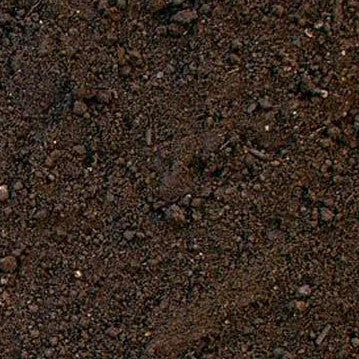
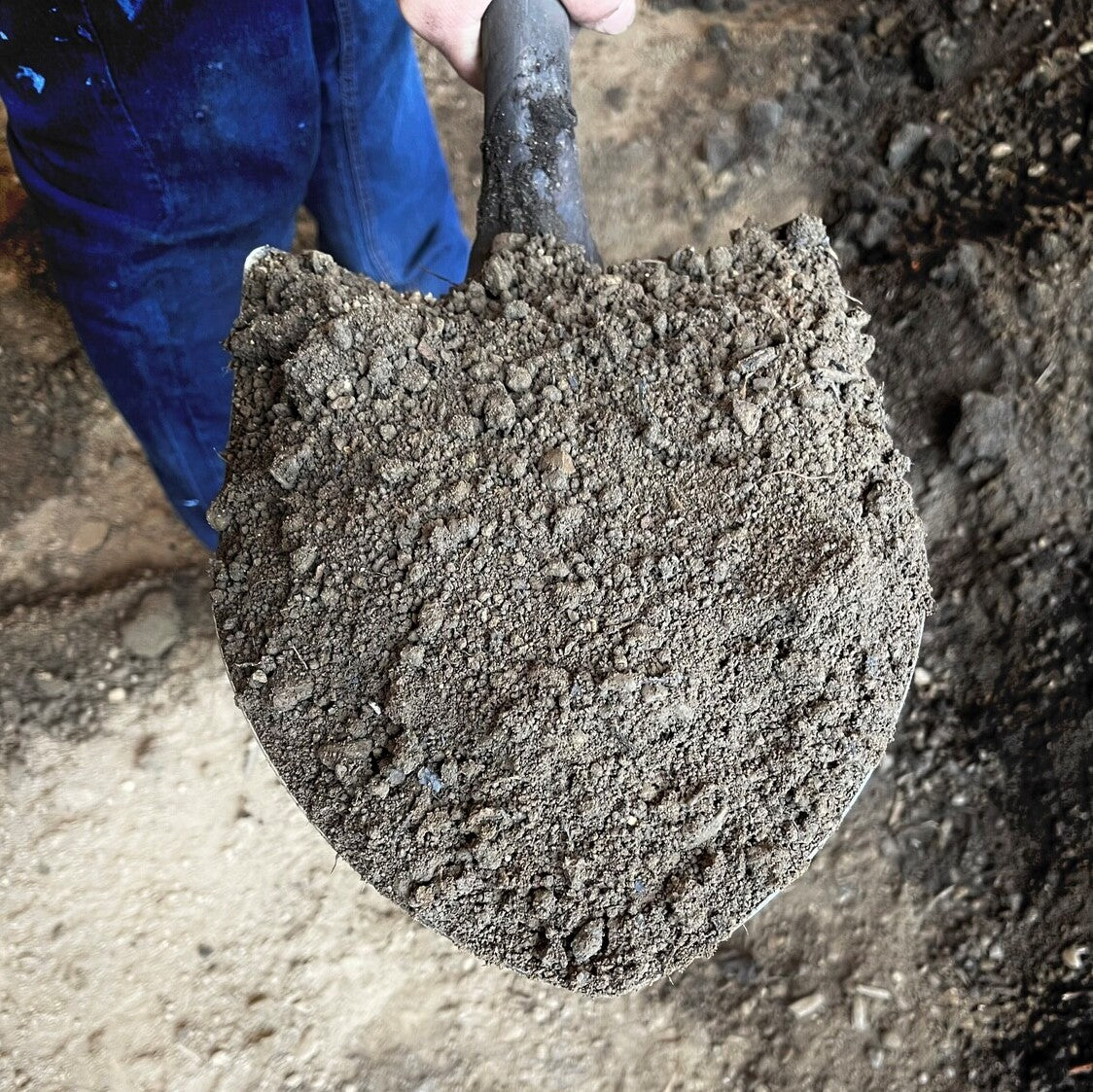
Screened topsoil with a fine, even texture. Ideal for new lawns, sod prep, and raised garden beds.
I needed 3 yards of top soil and that's what I got! Right on time and right where I asked it to be placed (Order# 2041).
Tell us what you're looking for
Thanks! We received your request.
Something went wrong. Please try again.
How Much Material Do I Need?
How Much Material Do I Need?
Figure twelve inches of depth for new vegetable beds, six to eight inches for shrub and perennial beds, and a half inch to one inch for lawn topdressing. One cubic yard covers about 324 square feet at one inch deep.
Use our free soil calculator
What is a Yard?
What is a Yard?
FAQs
FAQs
Salinas Soil Delivery
Salinas Soil Delivery
Regular price
$64.00
per
Yard
Regular price
Sale price
$64.00
Unit price
per
Shipping calculated at checkout.
Minimum of 3 Yard
Couldn't load pickup availability
Not currently available
We can't take orders for this right now. Tell us what you need and we'll get back to you.
Hand-picked local yards
4,000+ regional deliveries
Dedicated support
Why order through Mulch Mound
The best local , without the guesswork.
We hand-pick and partner with the best yards in your region, keep only the ones our buyers rate well, and back each load with our guarantee.
Mulch Mound Guarantee
If your isn't the quantity or quality you ordered, we'll make it right.
About this soil
Screened topsoil with a fine, even texture. Ideal for new lawns, sod prep, and raised garden beds.
I needed 3 yards of top soil and that's what I got! Right on time and right where I asked it to be placed (Order# 2041).
How Much Material Do I Need?
How Much Material Do I Need?
Figure twelve inches of depth for new vegetable beds, six to eight inches for shrub and perennial beds, and a half inch to one inch for lawn topdressing. One cubic yard covers about 324 square feet at one inch deep.
Use our free soil calculator
What is a Yard?
What is a Yard?
FAQs
FAQs
Tell us what you're looking for
Thanks! We received your request.
Something went wrong. Please try again.

How It Works
Getting started is easy — just follow these simple steps
1
Choose your soil
Make sure you adjust the quantity to your home's needs. You can use our calculator to estimate how much you'll need.
2
Select your delivery date
Select a delivery date you'd like for the product to be dropped off at your home
3
Sit back and wait
Sit back, wait, and let us work our magic to make sure the highest quality product is delivered to your driveway.

Highest compliments. Great driver.
Website is easy to navigate. Just a seamless process. 5 stars!!

Need Help Calculating How Much Soil You Need?
Use our NEW Trace from Satellite tool to get an estimate for your project based on an aerial view of your property
Try Our CalculatorMeasure the inside dimensions of raised beds rather than the outside frame, since a two by ten board eats an inch and a half off each side and that adds up across a long bed. For open ground, measure length and width and decide how deep you actually need to amend, usually six inches for beds and one inch for topdressing. Run those numbers through our calculator and add ten percent for settling.
Complete Your Outdoor Soil Project
Finish new beds with two to three inches of mulch on top so your investment does not dry out or crust over, and keep some decorative stone on hand for pathways between beds.
Service area
Areas we deliver soil in Salinas, California
- Aptos, California
- Capitola, California
- Castroville, California
- Gilroy, California
- Gonzales, California
- Hollister, California
- Interlaken, California
- Live Oak, California
- Marina, California
- Monterey, California
- Pacific Grove, California
- Pleasure Point, California
Mulch Mound Pro Tip
Break up the layer underneath before you add soil. A lot of Salinas yards have a compacted pan left from construction equipment, and dumping fresh blend on top of it just creates a bathtub that holds water through the winter rains. Loosen the existing grade eight to ten inches with a fork or a rented tiller, then blend the first few inches of new soil into it so roots can cross that boundary freely.
Mulch Mound Pro Tip
Time your soil work for early fall. Delivering and spreading blend in September or October lets the November through March rain do the settling and integration for you at no cost in irrigation. By the time last frost passes in mid February the bed is stable, biologically active, and ready to plant. Spring deliveries work fine too, but you will be hand watering to accomplish the same thing.
Mulch Mound Pro Tip
Do not blend sand into Salinas loam hoping to improve drainage. Fine valley silt plus sand tends to set up denser, not looser, which is the opposite of what you want. Organic matter is the correct amendment here. Two to three inches of quality compost turned into the top six to eight inches opens up pore space, feeds soil life, and holds irrigation water through the long dry summer.
The Unique Landscape of Salinas
Salinas is built on some of the most productive alluvial loam in the country, but the soil in a residential yard is rarely the same soil that grows lettuce two miles away. Most subdivisions here were graded and scraped, so homeowners are often planting into subsoil or compacted fill with the fertile topsoil long gone. Adding quality topsoil and compost blends rebuilds that missing layer so raised beds, lawns, and new plantings actually perform. Because Salinas gets only about 19 inches of rain and gets it all in winter, the organic matter you add matters twice over, once for holding summer irrigation water and once for keeping winter rain from puddling. In Zone 10a with frost only between roughly December 6 and February 15, you can plant almost year round, which means the soil is working constantly and needs the fertility to match. Good soil is also the fix for the surface crusting that fine valley loam is prone to.