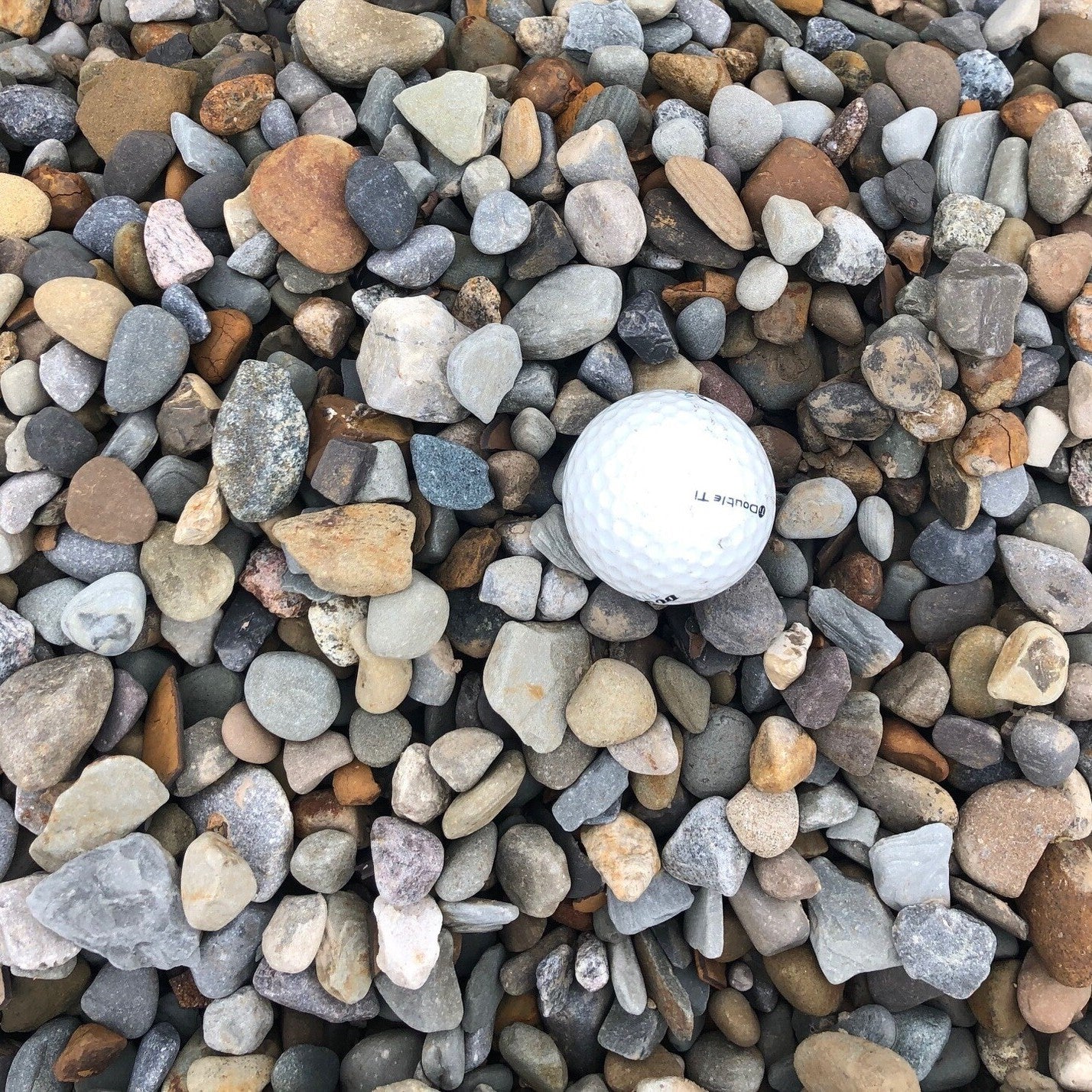
Number 57 crushed stone, angular limestone graded to about three quarters of an inch. The standard driveway, base and drainage gravel, it locks together under traffic and drains fast.
My experience with Mulch Mound was great and super easy. I ordered two yards of screened topsoil and was able to get it delivered within 2 days. They came in my requested time frame (afternoon) and dropped it off where I asked on my driveway. The topsoil was exactly what was a...
Tell us what you're looking for
Thanks! We received your request.
Something went wrong. Please try again.
How Much Material Do I Need?
A 2 inch depth of gravel or decomposed granite is the minimum effective layer for weed suppression and appearance in Santa Rosa gardens. For high-traffic pathways and driveways, increase to 3 to 4 inches of compacted depth to ensure the surface stays stable through both summer foot traffic and winter rain saturation.
Use our free gravel calculator
What is a Yard?
A yard is approximately 27 cubic feet. As a general guideline, one yard of material can cover an area of about 100-160 square feet at a 2-3 inch depth.
We can't take orders for this right now. Tell us what you need and we'll get back to you.
What do you need?
Thanks! We received your request.
Something went wrong. Please try again.
Hand-picked local yards
4,000+ regional deliveries
Dedicated support
Why order through Mulch Mound
The best local , without the guesswork.
We hand-pick and partner with the best yards in your region, keep only the ones our buyers rate well, and back each load with our guarantee.
Mulch Mound Guarantee
If your isn't the quantity or quality you ordered, we'll make it right.
About this stone
Number 57 crushed stone, angular limestone graded to about three quarters of an inch. The standard driveway, base and drainage gravel, it locks together under traffic and drains fast.
My experience with Mulch Mound was great and super easy. I ordered two yards of screened topsoil and was able to get it delivered within 2 days. They came in my requested time frame (afternoon) and dropped it off where I asked on my driveway. The topsoil was exactly what was a...
How Much Material Do I Need?
A 2 inch depth of gravel or decomposed granite is the minimum effective layer for weed suppression and appearance in Santa Rosa gardens. For high-traffic pathways and driveways, increase to 3 to 4 inches of compacted depth to ensure the surface stays stable through both summer foot traffic and winter rain saturation.
Use our free gravel calculator
What is a Yard?
A yard is approximately 27 cubic feet. As a general guideline, one yard of material can cover an area of about 100-160 square feet at a 2-3 inch depth.
My experience with Mulch Mound was great and super easy. I ordered two yards of screened topsoil and was able to get it delivered within 2 days. Th...
Read full review
My experience with Mulch Mound was great and super easy. I ordered two yards of screened topsoil and was able to get it delivered within 2 days. They came in my requested time frame (afternoon) and dropped it off where I asked on my driveway. The topsoil was exactly what was advertised, clean with no rocks or other debris. The price was reasonable. I plan to use them again in a couple weeks to order compost for my garden beds.
Measure your project area in feet and multiply length by width to get square footage, then decide on your target depth in inches. Divide the depth by 12 to convert to feet, multiply by the square footage, then divide by 27 to get cubic yards. Stone is denser than mulch or soil, so a little goes a long way, but having extra on hand for touching up edges and low spots after the first season is always worth it.
Complete Your Outdoor Stone Project
Consider pairing your stone order with a weed barrier fabric installed beneath the material to keep Santa Rosa's persistent weeds from pushing through over time. Adding a soil or mulch delivery for adjacent planting beds lets you refresh the entire landscape area in a single project phase.
In Santa Rosa's fire risk zones, especially in the hillside neighborhoods near the Mayacamas foothills, using stone as a ground cover in your yard's ember-resistant zone is one of the most practical upgrades you can make. Stone does not carry fire, does not dry out into fuel, and requires zero summer watering. Replacing a 10 foot perimeter of bark mulch around your home with crushed gravel or decomposed granite dramatically reduces the ignition risk from the ember showers that move ahead of wildfire.
Mulch Mound Pro Tip
Santa Rosa gets enough winter rain that installing a landscape fabric under your stone is a smart long-term investment. Without it, the freeze-thaw cycles that occasionally occur near the November and March frost dates, combined with the seasonal wet-dry cycle, gradually work soil particles up through the gravel layer. Quality woven landscape fabric slows this process considerably and keeps your stone surface looking clean for years rather than watching it slowly disappear into the soil below.
Mulch Mound Pro Tip
If you are creating a dry creek bed to manage drainage in your Santa Rosa yard, match your rock size to the volume of water flow you expect. For a small side yard swale, 2 to 4 inch river rock is appropriate and easy to work with. For a main drainage channel that handles roof runoff from multiple downspouts, stepping up to 4 to 8 inch cobble keeps the rock in place during the heavy storm events that Sonoma County receives in January and February rather than washing downstream every winter.
The Unique Landscape of Santa Rosa
Decorative and functional stone has become an essential part of Santa Rosa landscape design for reasons directly tied to the local climate and water situation. With Sonoma County under ongoing water conservation awareness and summer irrigation restrictions that periodically return during drought years, replacing turf and thirsty planting areas with stone creates lasting landscapes that look sharp year-round without seasonal irrigation demands. Santa Rosa's hot dry summers also mean that stone surfaces hold warmth into the evening, extending outdoor living comfort on the many clear nights from May through October. Gravel and decomposed granite are especially popular in Santa Rosa's wine country aesthetic, fitting naturally into the Mediterranean-style homes and native plant gardens that define many Sonoma County properties. Stone also plays a practical drainage role here, helping manage the intense runoff that can occur when the first heavy rains hit dry, compacted soil in November. Choosing the right stone for your project can reduce maintenance, support water conservation goals, and give your property the durable, attractive look that holds up through both scorching summer heat and wet winter storms.
Frequently Asked Questions
Click a question to see the answer
Answer
What type of stone works best for a fire-wise defensible space around my Santa Rosa home?
After the fires that devastated parts of Santa Rosa and Sonoma County in 2017, fire-wise landscaping has become a priority for many homeowners. Decomposed granite and crushed gravel in the zone immediately around the home are excellent choices because they create a non-combustible barrier that also looks clean and requires no irrigation. Cal Fire recommends maintaining this type of non-combustible ground cover within the first 0 to 5 foot zone around your structure, and stone is one of the most practical ways to achieve that standard.
Answer
Will decomposed granite wash away in Santa Rosa's winter rains?
Decomposed granite can migrate on sloped surfaces during heavy Sonoma County rain events, particularly the quick-draining, lighter grades. Stabilized decomposed granite, which has a binding agent mixed in, holds significantly better on slopes and around driveways. On flat areas or very gentle grades, standard DG holds up reasonably well but you may need to rake and redistribute a small amount each spring after the rainy season ends.
Answer
How do I use river rock to manage drainage issues in my yard?
Santa Rosa yards that sit at the bottom of a slope or collect water near downspouts can benefit greatly from river rock used in a dry creek bed or French drain application. A dry creek bed made with smooth river rock 2 to 4 inches in diameter gives water a clear, attractive path to flow across your yard and out to a safe outlet rather than pooling against your foundation or drowning plant roots. This is especially valuable in Santa Rosa where the sudden onset of heavy November rains after a long dry summer hits soil that initially sheds water rather than absorbing it.
Answer
I want a gravel pathway through my native plant garden. What size and type of gravel works best?
For pathways through native plant gardens in Santa Rosa, a 3/8 inch crushed granite or pea gravel in a buff or grey tone tends to look most natural and complements the earthy tones of plants like ceanothus, manzanita, and buckwheat. A 2 to 3 inch depth keeps weeds suppressed and gives the path enough stability to walk on comfortably. Edging the path with steel or stone border keeps gravel from spreading into your planting beds over time.
Answer
My driveway extension needs a gravel surface. What holds up best to car traffic in this climate?
For driveway surfaces in Santa Rosa, compacted Class II road base topped with a layer of 3/4 inch crushed gravel is a durable and cost-effective combination. The road base provides a firm foundation that does not rut under vehicle weight, while the top gravel layer gives the finished surface a clean appearance. In Santa Rosa's climate, gravel driveways handle the dry summer heat easily and, with a slight crown in the center, drain well during winter rain events without developing the mud issues that plague unimproved dirt surfaces.
Answer
Can I use stone mulch instead of wood mulch around my plants to save water?
Stone used as ground cover around plants in Santa Rosa does reduce evaporation similarly to wood mulch, but it also absorbs and radiates heat, which can stress roots during the hottest stretches of July and August. Stone mulch works well around drought-tolerant succulents, agave, and Mediterranean herbs that are adapted to hot, dry conditions and actually thrive in the extra warmth. For plants that prefer cooler root zones, like hydrangeas or vegetables, wood mulch is a better choice for Santa Rosa's summer heat.
Answer
How much stone do I need to cover a 500 square foot area to a good depth?
For a 500 square foot area with a 2 inch depth of decorative gravel or decomposed granite, you would need approximately 3 cubic yards of material. If you are going to a 3 inch depth for better weed suppression and a more finished look, budget closer to 4.5 to 5 cubic yards for that same area. We always recommend rounding up by at least half a cubic yard because stone settles into low spots and edges tend to use more material than the center of a project area.
Answer
Is there a stone yard near Santa Rosa?
At a stone yard, you would ask for a few cubic yards of crushed stone, and we deliver that same material to your driveway or garden in Santa Rosa. It makes a smart swap for thirsty turf, since Sonoma County's summer irrigation limits in dry years mean a stone bed keeps looking sharp without any watering. There is no need to visit a quarry or load a truck yourself.