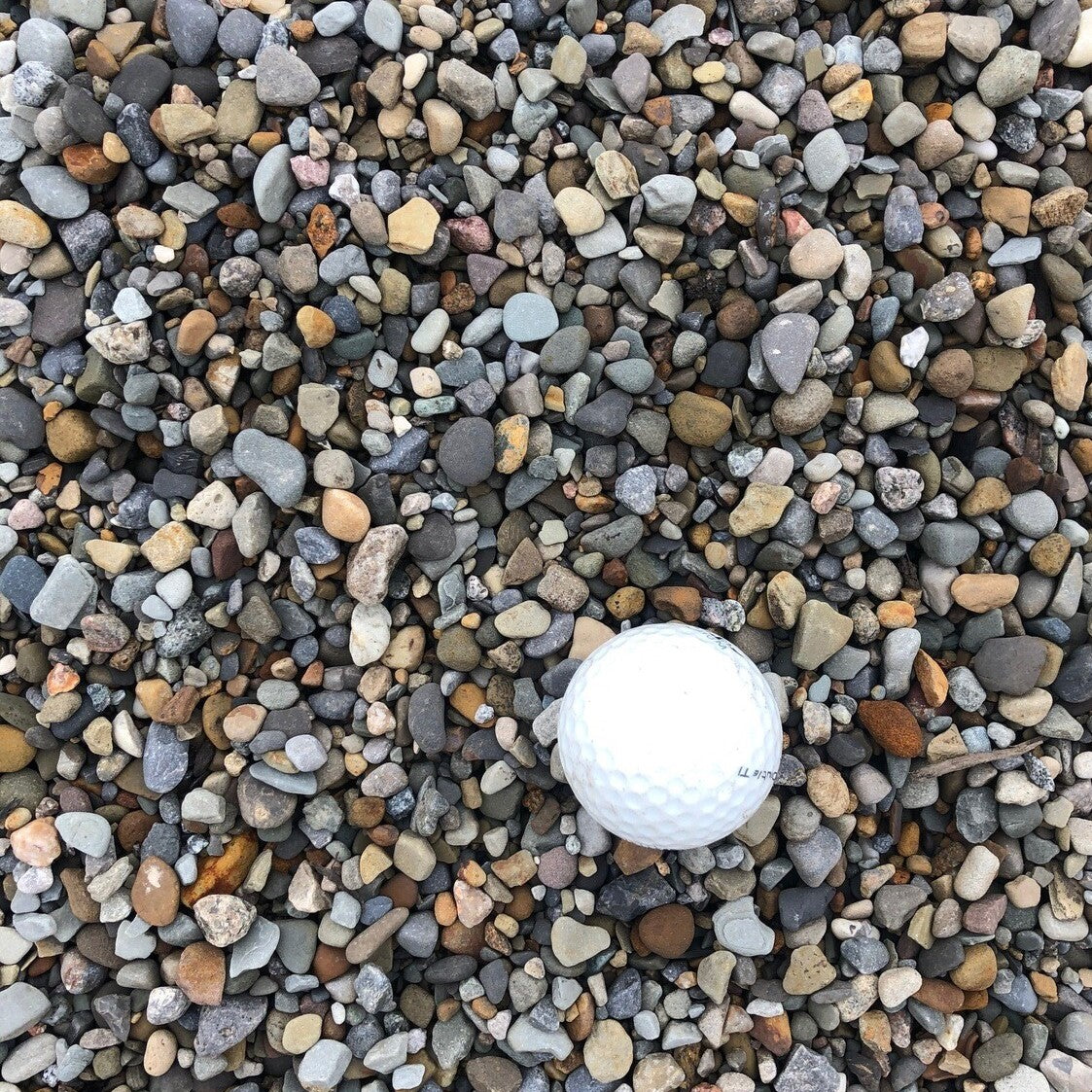
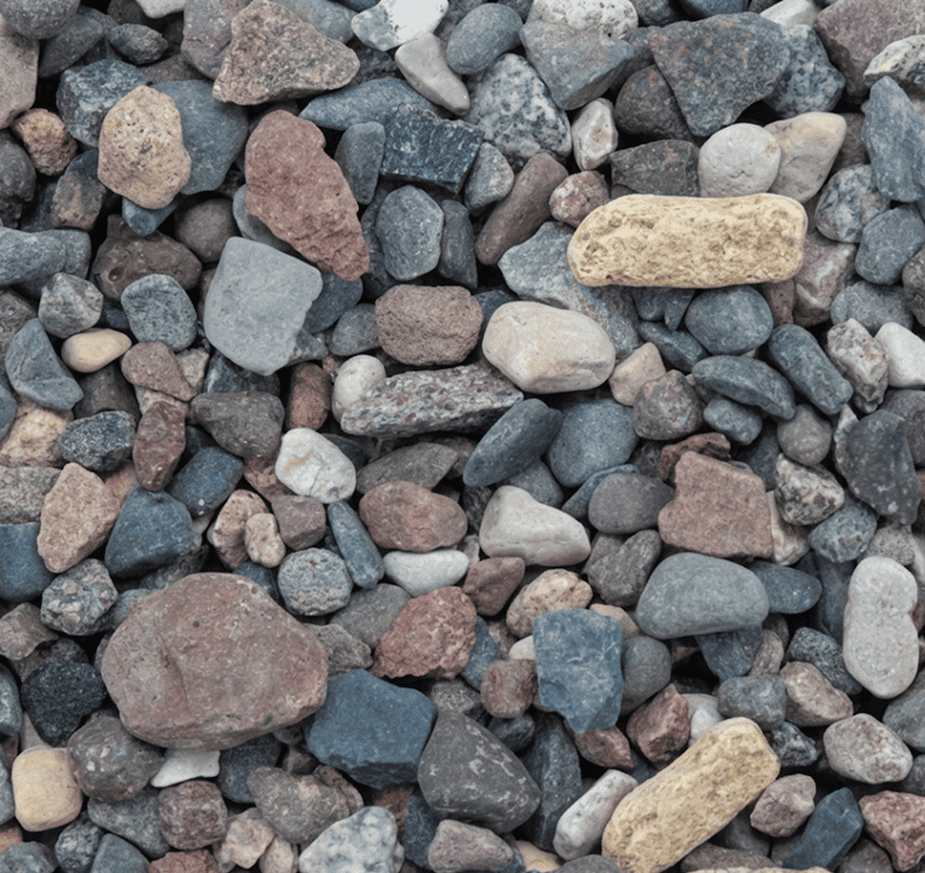
Classic pea gravel with smooth, rounded edges and natural earth tones. A versatile favorite for pathways, patios, drainage, and decorative ground cover.
I recently ordered from mulch mound and was thoroughly impressed with every aspect of the experience. The entire process, from placing the order to delivery was seamless and efficient. The mulch arrived exactly on time, and the quality exceeded my expectations. The color was r...
Tell us what you're looking for
Thanks! We received your request.
Something went wrong. Please try again.
How Much Landscape Rock Do I Need?
Landscape rock is sold by the cubic yard, and one yard spread at a 2 inch depth covers about 162 square feet, so a typical 300 square foot front bed runs close to two yards. At a fuller 3 inch depth for heavier foot traffic areas, coverage drops to about 108 square feet per yard. Measure the bed length and width first, then decide on depth based on how much wear or drainage the area gets. Use our free stone calculator
What is a Yard?
A yard is approximately 27 cubic feet. As a general guideline, one yard of material can cover an area of about 100-160 square feet at a 2-3 inch depth.
What is a ton?
A ton is 2,000 pounds of material. As a general guideline, one ton covers roughly 100 square feet at 2 inches deep, depending on the size and density of the material.
We can't take orders for this right now. Tell us what you need and we'll get back to you.
What do you need?
Thanks! We received your request.
Something went wrong. Please try again.
Hand-picked local yards
4,000+ regional deliveries
Dedicated support
Why order through Mulch Mound
The best local landscape rock, without the guesswork.
We hand-pick and partner with the best yards in your region, keep only the ones our buyers rate well, and back each load with our guarantee.
Mulch Mound Guarantee
If your landscape rock isn't the quantity or quality you ordered, we'll make it right.
About this landscape rock
Classic pea gravel with smooth, rounded edges and natural earth tones. A versatile favorite for pathways, patios, drainage, and decorative ground cover.
I recently ordered from mulch mound and was thoroughly impressed with every aspect of the experience. The entire process, from placing the order to delivery was seamless and efficient. The mulch arrived exactly on time, and the quality exceeded my expectations. The color was r...
How Much Landscape Rock Do I Need?
Landscape rock is sold by the cubic yard, and one yard spread at a 2 inch depth covers about 162 square feet, so a typical 300 square foot front bed runs close to two yards. At a fuller 3 inch depth for heavier foot traffic areas, coverage drops to about 108 square feet per yard. Measure the bed length and width first, then decide on depth based on how much wear or drainage the area gets. Use our free stone calculator
What is a Yard?
A yard is approximately 27 cubic feet. As a general guideline, one yard of material can cover an area of about 100-160 square feet at a 2-3 inch depth.
What is a ton?
A ton is 2,000 pounds of material. As a general guideline, one ton covers roughly 100 square feet at 2 inches deep, depending on the size and density of the material.
I recently ordered from mulch mound and was thoroughly impressed with every aspect of the experience. The entire process, from placing the order to...
Read full review
I recently ordered from mulch mound and was thoroughly impressed with every aspect of the experience. The entire process, from placing the order to delivery was seamless and efficient. The mulch arrived exactly on time, and the quality exceeded my expectations. The color was rich and consistent, and I received more than enough to complete my project with proper coverage and packing.
Customer service was equally outstanding. Communication was clear, and the team was responsive and professional throughout. It’s rare to find a company that delivers both a high-quality product and excellent service, but mulch mound did just that.
Highly recommended, and I wouldn’t hesitate to order from them again.
I couldn't be happier with the speed and quality of the mulch delivery service of Mulch Mound. Every detail from ordering, to communication with on...
Read full review
I couldn't be happier with the speed and quality of the mulch delivery service of Mulch Mound. Every detail from ordering, to communication with on time delivery, to perfect product placement was amazing. I needed more and I got it within 2 hours! I'm never doing this with bags again.
We had a great experience today. This was our first time using Mulch Mound, and I found the price competitive and the online ordering very easy. ...
Read full review
We had a great experience today. This was our first time using Mulch Mound, and I found the price competitive and the online ordering very easy. We are impressed with the quality of the mulch, too! It is covering well - a great value!
Landscape fabric underneath is worth doing right the first time, since it is what makes this a decade-long install instead of a weed patch by year two. Steel or aluminum edging keeps rock from migrating into lawn or mulch beds nearby, and a lot of Santa Rosa customers pair rock borders with bark mulch in the planting beds where they actually want the soil fed. If you are working around the Luther Burbank Home and Gardens area with older mature plantings, keep rock a few feet back from anything that wants organic matter working into the root zone.
Lay landscape fabric before the rock goes down, not after, and overlap seams by at least six inches since Santa Rosa's winter rains will find any gap and push soil up through it within a season. Skipping fabric means weeds root directly in the rock bed, which is nearly impossible to clean out once established without pulling the whole bed apart.
Mulch Mound Pro Tip
The most common mistake locally is piling rock straight against stucco or wood siding without a gap. Leave at least 4 inches of clearance from foundations, because trapped moisture from wet season runoff sitting against the wall behind the rock can lead to rot or stucco damage over time, especially on older homes near downtown.
Mulch Mound Pro Tip
Rock is a one time cost that outlasts mulch by many seasons, so it pencils out well for beds you do not want to touch again, but it will trap fallen leaves from oaks and other deciduous trees common around Santa Rosa yards. Plan on an occasional leaf blower pass in autumn rather than raking, since raking disturbs the fabric and rock layer underneath.
Decorative Stone in Santa Rosa
Santa Rosa's alluvial soil drains well in most yards but can stay heavy near the Laguna de Santa Rosa floodplain, which makes rock a practical choice where organic mulch would just compact into mud. With a zone 9a growing season and mild, wet winters running November through March, rock beds stay put year round instead of washing out like a loose bark layer might. Many Santa Rosa properties near older neighborhoods use rock along foundations and downspout runs where wine country storms dump a lot of water fast. It is also common in the low-water beds that have replaced lawns across the city's older ranch-style lots.
What Landscape Rock Is
Landscape rock is stone chosen for how it looks as much as what it does. River rock is smooth and rounded, decomposed granite is fine and packs firm underfoot. Both are sold by the cubic yard for beds, borders, paths, and dry creek beds.
River Rock vs Decomposed Granite
River rock stays loose and rolls, so it suits beds, borders, and drainage runs where it can sit in place. Decomposed granite compacts into a firm surface, so it suits paths, patios, and anywhere you will walk or roll a wheelbarrow.
Depth and Coverage
Spread river rock 2 to 3 inches deep over landscape fabric so it stays put and weeds stay down. Lay decomposed granite 3 to 4 inches deep, wet it, and compact it in lifts for a surface that sheds water instead of rutting.
Frequently Asked Questions
Click a question to see the answer
Answer
Does landscape rock work well with Santa Rosa's clay and alluvial soil?
Yes, rock actually performs better than mulch in areas where alluvial soil holds water, since it does not compact into mud or wash away in heavy winter rain. Installed over fabric, it creates a stable surface that sheds water rather than absorbing it, which is useful near downspouts and low spots common in older Santa Rosa lots.
Answer
How many cubic yards do I need for a typical front yard bed?
A standard 300 square foot bed at the common 2 inch depth needs a little under two cubic yards, since one yard covers about 162 square feet at that depth. For a 3 inch depth in higher traffic spots, figure closer to three yards for the same footprint, coverage drops to about 108 square feet per yard.
Answer
When is the best time to install rock before the rainy season starts?
Late summer through early fall, before the first frost around November 5, is the easiest window since the ground is dry and workable. Installing before the rains lets the fabric and base settle properly, so the bed is ready to handle runoff once Santa Rosa's wet season starts in November.
Answer
Can the delivery truck get rock close to my backyard bed?
Trucks typically drop material at the driveway or curb, and from there it is wheelbarrowed to the final bed location. Let us know at checkout if there are gate widths, slopes, or narrow side yard access to plan the drop spot accordingly, and clear the path beforehand so the crew can move quickly.
Answer
Should I choose rock or mulch for beds around my established plants?
For beds with plants that benefit from organic matter breaking down into the soil, mulch is the better fit since rock traps leaves and adds nothing to the soil over time. Rock works best for foundation lines, downspout areas, and low-maintenance zones where you want a permanent surface rather than an annual refresh.
Answer
What is decomposed granite, or DG, best used for?
Steady rain from November through March turns heavy low spots to mud, and Santa Rosa homeowners want paths that drain. Decomposed granite, or DG, is weathered granite that settles into a firm tan surface for walks, patios, and gathering areas. Lay it over fabric with edging, and compact it in thin lifts.