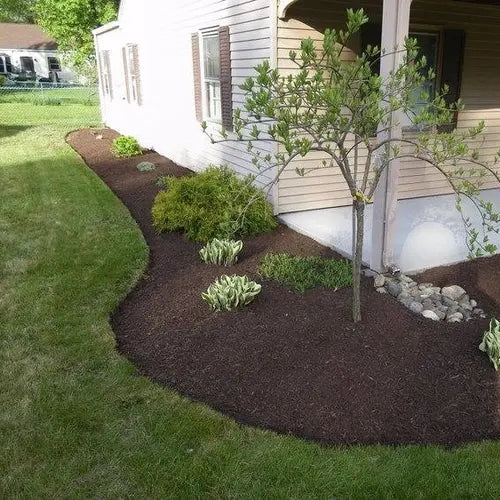
About this mulch

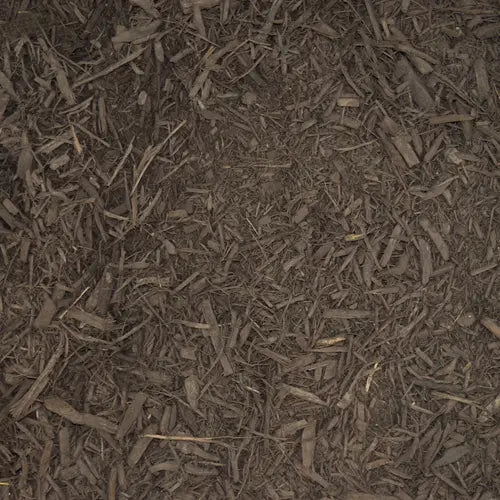
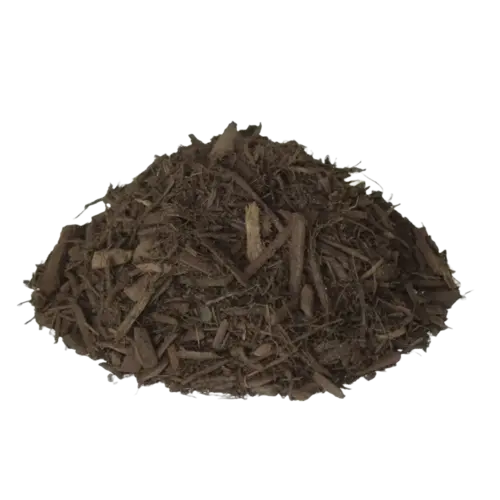
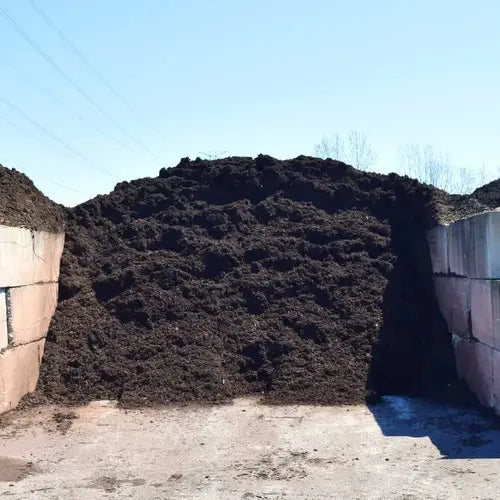
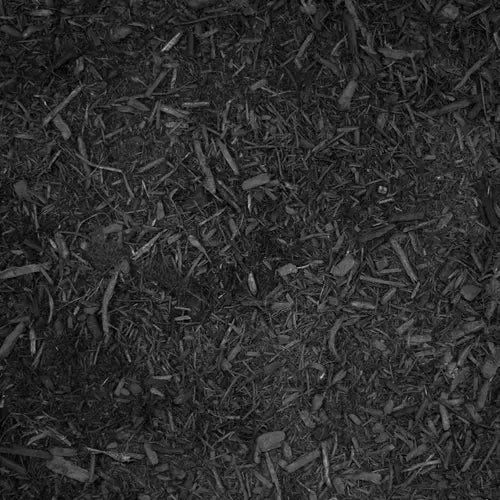
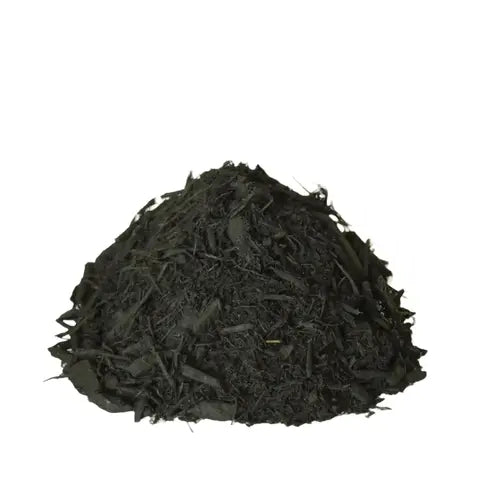
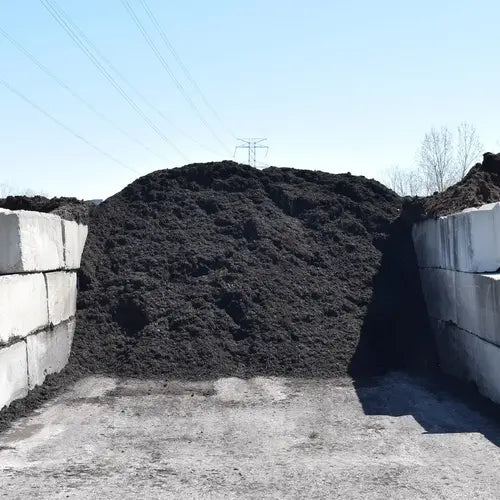
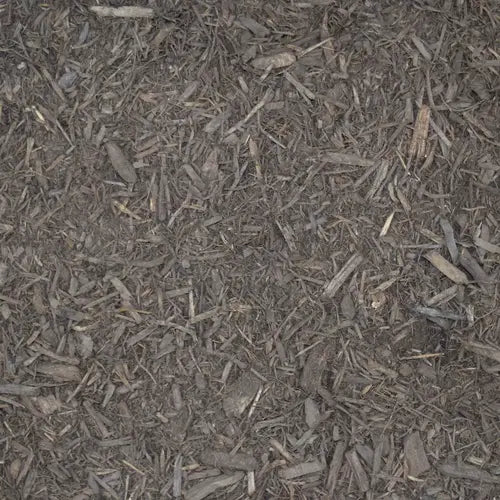
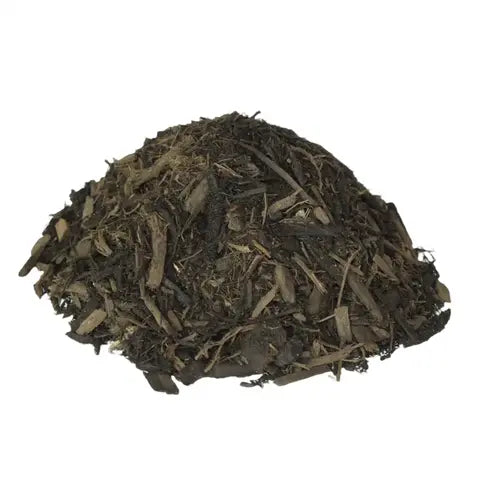
Double-shredded mulch dyed a rich, even brown that holds its color through the season.

We needed mulch for our HOA common areas. Local providers were all holding high prices even for 40 yards of mulch. Mulch mound was easy to wowith & has great price for natural mulch + delivery schedule options. They called before delivery to ensure Delivery was exactly wher...

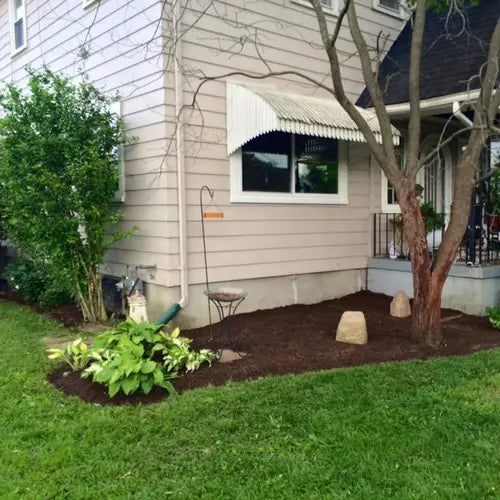
Three inches is the target depth for Smithfield beds, which means one cubic yard covers about 108 square feet. Around shallow rooted shrubs and new plantings, hold at two inches so you do not smother crowns.
Use our free mulch calculator

A yard is approximately 27 cubic feet. As a general guideline, one yard of material can cover an area of about 100-160 square feet at a 2-3 inch depth.

Smithfield Mulch Delivery

Smithfield Mulch Delivery

4.7
137 reviews
Regular price $64.00 per Yard
Regular price Sale price $64.00
Sale Sold out
Shipping calculated at checkout.
Color
Style
Hand-picked local yards
4,000+ regional deliveries
Dedicated support
Why order through Mulch Mound

The best local , without the guesswork.

We hand-pick and partner with the best yards in your region, keep only the ones our buyers rate well, and back each load with our guarantee.

Mulch Mound Guarantee

If your isn't the quantity or quality you ordered, we'll make it right.

About this mulch

Double-shredded mulch dyed a rich, even brown that holds its color through the season.

We needed mulch for our HOA common areas. Local providers were all holding high prices even for 40 yards of mulch. Mulch mound was easy to wowith & has great price for natural mulch + delivery schedule options. They called before delivery to ensure Delivery was exactly wher...

Three inches is the target depth for Smithfield beds, which means one cubic yard covers about 108 square feet. Around shallow rooted shrubs and new plantings, hold at two inches so you do not smother crowns.
Use our free mulch calculator

A yard is approximately 27 cubic feet. As a general guideline, one yard of material can cover an area of about 100-160 square feet at a 2-3 inch depth.

View full details

How It Works

Getting started is easy — just follow these simple steps

1

Choose your Mulch

Make sure you adjust the quantity to your home's needs. You can use our calculator to estimate how much you'll need.

2

Select your delivery date

Select a delivery date you'd like for the product to be dropped off at your home

3

Sit back and wait

Sit back, wait, and let us work our magic to make sure the highest quality product is delivered to your driveway.

What Smithfield Customers Are Saying

4.7
out of 5 based on 137 reviews
Google Reviews

Calculate mulch for your Smithfield project

For Smithfield's type of soil, we recommend 2-3 inches for best weed suppression and moisture retention

Try Our Calculator
📍

Sketch your beds and break odd shapes into rectangles, circles, and triangles rather than eyeballing the whole thing. For curved bench lot beds, measure the widest and narrowest points and average them. Enter three inches as your depth and add ten percent if your ground slopes, because material always settles downhill.

Mulch vs. No Mulch: The Difference

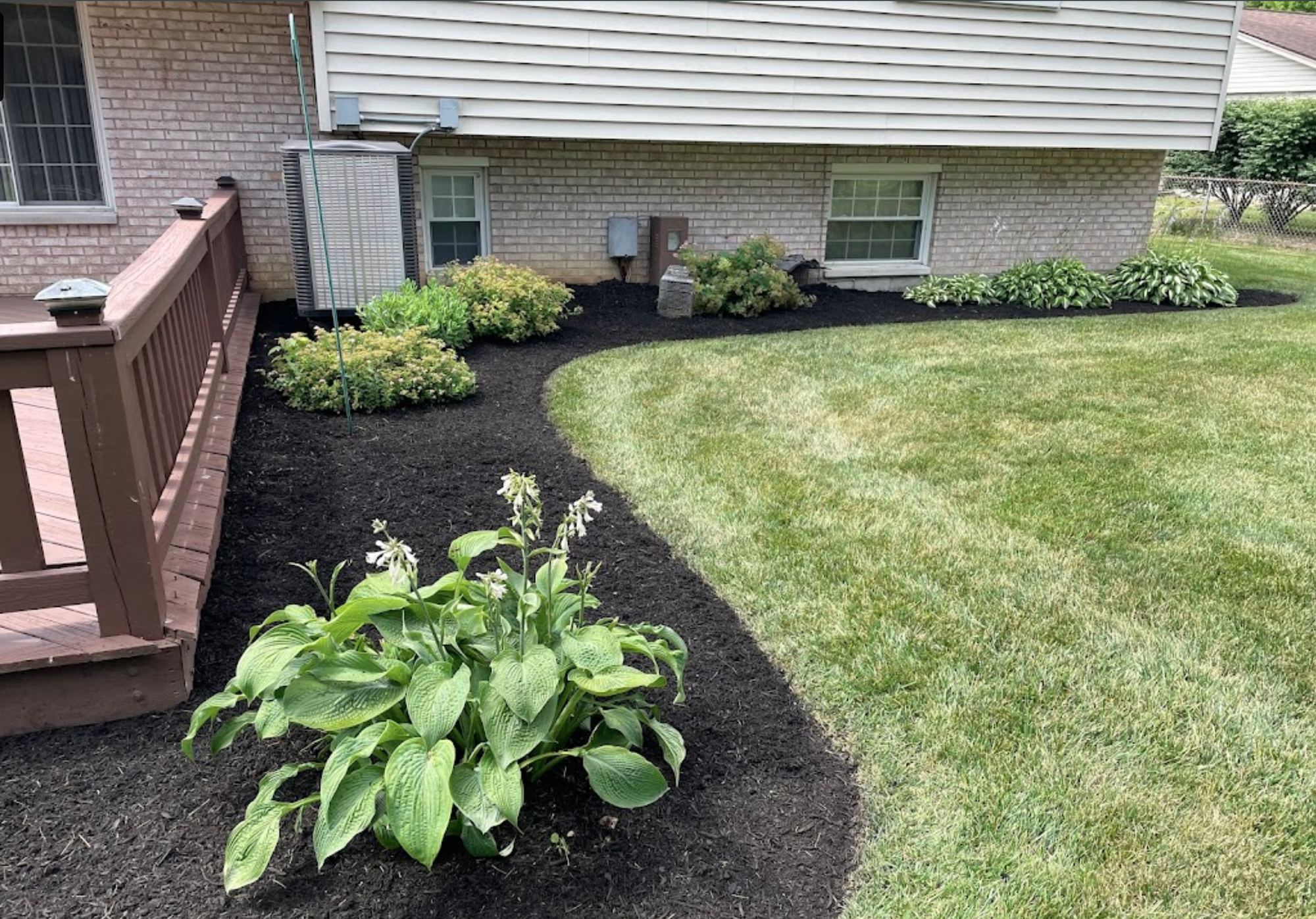
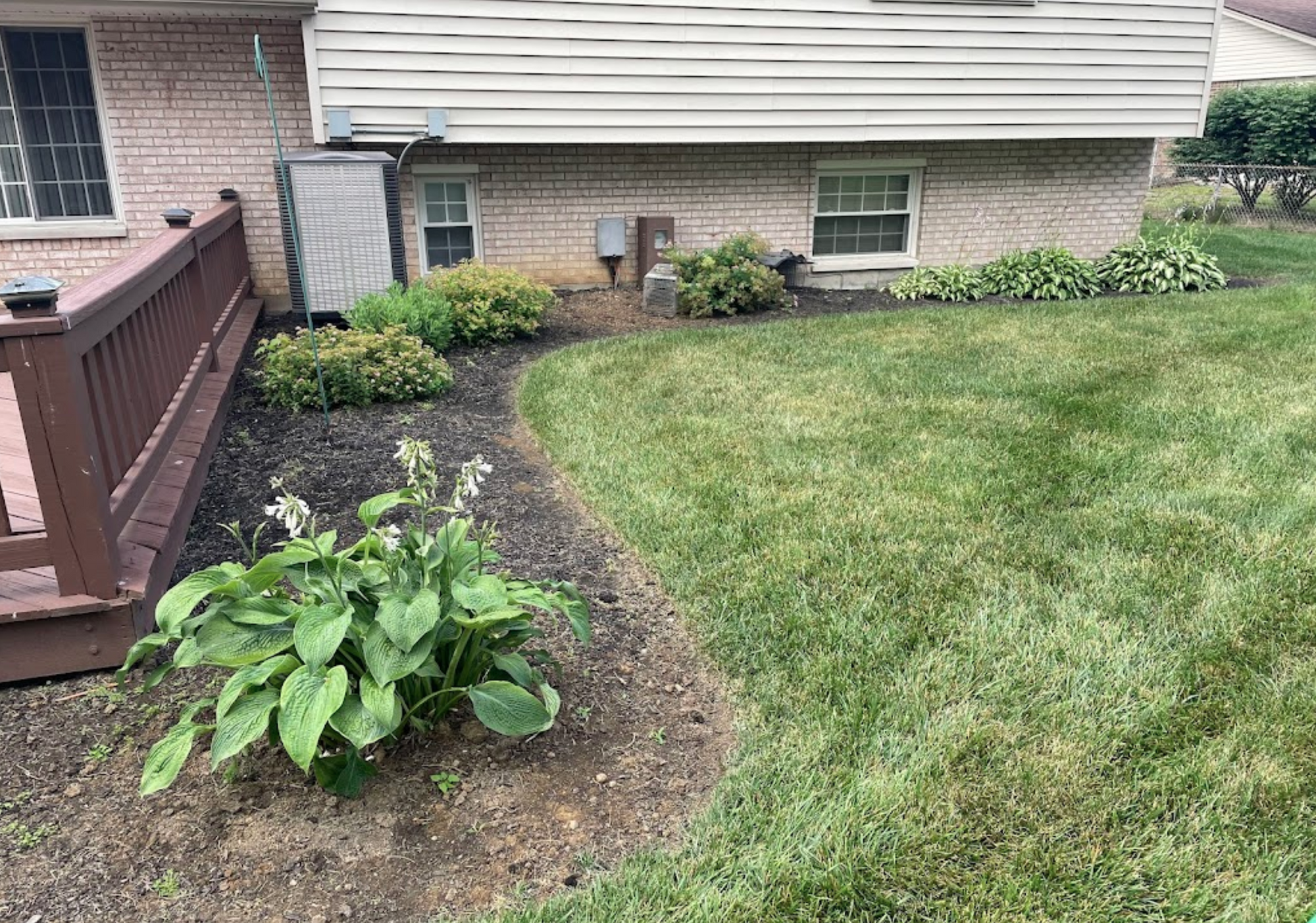
Smithfield mulch breaks down slowly compared to wetter climates, because 19 inches of annual moisture and a short warm season at 4,636 feet limit the microbial activity that decomposes wood. Natural mulch here still fades in color from intense high elevation sun long before it loses structure. Dyed mulch holds its color longer but does not condition the soil the way undyed hardwood does as it slowly breaks down.

Before image
After image
Slider handle
Before
After

Complete Your Outdoor Mulch Project

Pair mulch with a few yards of compost or garden soil worked into the beds first, since our silt loam benefits from organic matter before the mulch cap goes on. Steel or poly edging keeps mulch from washing onto walks during spring runoff off the bench.

Mulch Mound Pro Tip

Water your beds thoroughly the day before mulch arrives. Dry Smithfield silt loam is slow to wet, and a three inch mulch layer over bone dry ground will keep light irrigation from ever reaching the root zone. Soak the soil first, then spread. From then on, run drip lines under the mulch rather than sprinklers over it, and you will cut summer watering noticeably while keeping the surface moisture the top roots depend on.

Mulch Mound Pro Tip

Time your fall mulching for the last week of September or the first days of October, just ahead of the October 5 average first frost. The goal is to insulate soil that is still holding warmth, not to trap cold ground. This slows the freeze and thaw cycling that heaves perennials and strawberries out of Cache Valley silt loam, and it protects shallow roots through the long stretch of frozen weeks that follow.

Mulch Mound Pro Tip

Never build a mulch volcano against a trunk. Smithfield yards carry a lot of maples, lindens, and older fruit trees, and mounding mulch on bark traps moisture, invites rot, and gives voles winter cover right at the base. Spread a flat, even donut instead, starting three to four inches out from the trunk and running to the drip line where the feeder roots actually live.

Frequently Asked Questions

Click a question to see the answer

Answer

How deep should mulch go in Smithfield with only 19 inches of rain a year?

Three inches is the working number for most Smithfield beds. Two inches evaporates and thins out too fast in our dry summers, and four inches or more starts shedding light water instead of letting it through. Keep the full three inches in exposed west and south facing beds, which take the worst of the afternoon sun on the bench.

Answer

When is the best time to mulch here, spring or fall?

Both work, and each does a different job. Spring mulching after the May 5 last frost, once soil has warmed, locks in moisture for the dry stretch ahead. Fall mulching in late September or early October, right before the October 5 first frost, insulates roots through Cache Valley winter and stops the freeze and thaw heaving that pushes perennials out of silt loam.

Answer

Will mulch make my soil too acidic for Smithfield's alkaline ground?

No, and that is a common worry in Cache Valley where soils run alkaline with high free lime. Bark and hardwood mulch only acidify a thin film at the mulch to soil boundary, and the effect is minor. If you are trying to grow acid loving plants here, the mulch will not carry that load. Amend directly and use sulfur or an acidifying fertilizer instead.

Answer

How many cubic yards do I need for a typical Smithfield front yard bed?

Measure length times width in feet, multiply by 0.25 for a three inch depth, then divide by 27. A common Smithfield foundation bed running 40 feet by 4 feet is about 160 square feet, which comes to roughly 1.5 cubic yards. Most homes here order two to four yards for a full front yard refresh.

Answer

Does mulch help with the crusting I get on my silt loam beds?

Yes, and that is one of its biggest wins here. Smithfield silt loam seals into a hard crust when raindrops and sprinkler spray hit bare soil and then it bakes dry. Mulch absorbs that impact so water soaks in instead of running off, and worms working under the layer keep the top few inches open and crumbly.

Answer

Will mulch attract voles or mice over a Cache Valley winter?

It can if you pile it against trunks and stems, which gives rodents cover right where they do damage. Keep mulch pulled back three to four inches from every trunk and crown. Around young fruit trees, which plenty of Smithfield yards still have, add a hardware cloth guard before snow flies.

Answer

How often will I need to replace mulch at this elevation?

Slower than you might expect. Our dry air and short warm season mean microbes work only a few months a year, so a good hardwood mulch holds three to four years before it needs full replacement. Most Smithfield homeowners top off with an inch each spring to restore color and depth rather than starting over.

The Unique Landscape of Smithfield

Smithfield sits at 4,636 feet on the Cache Valley bench, and the 19 inches of moisture we get each year mostly arrives as winter snow rather than summer rain. That leaves June through September bone dry, when beds along Main Street and up toward the Smithfield Canyon trailhead lose water faster than most homeowners can replace it. A three inch mulch layer slows that loss dramatically and keeps the silt loam underneath from crusting over in the afternoon sun. Mulch also buffers the wild temperature swings we see in Zone 6a, where a May afternoon can hit 80 degrees and the night can still drop near freezing before the May 5 last frost date. Come October, that same layer insulates root zones against the first hard freeze around October 5 and the long cold that follows. In a valley this dry and this exposed, mulch is not decoration, it is the cheapest irrigation upgrade available.