Good quality, great price, fast delivery. All online - no submitting forms and waiting for days for quotes. Getting mulch should be this easy from everyone. Only Mulch Mound is ACTUALLY this simple.
Tell us what you're looking for
Thanks! We received your request.
Something went wrong. Please try again.
How Much Material Do I Need?
Apply mulch at a depth of 3 to 4 inches across most South Hill planting beds to compensate for the fast-draining gravelly sandy loam soil. Shallow applications under 2 inches dry out too quickly during summer and provide little frost protection heading into November.
Use our free mulch calculator
What is a yard?
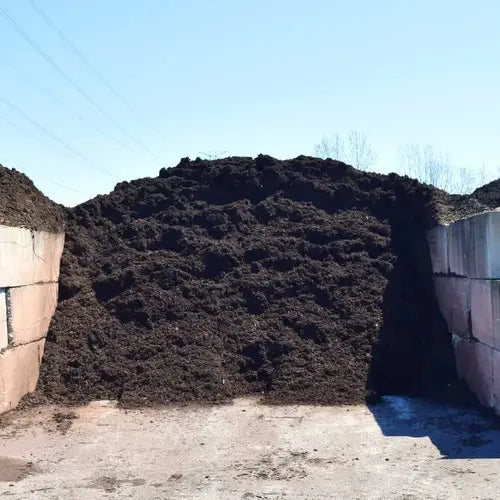
A yard is approximately 27 cubic feet. As a general guideline, one yard of material can cover an area of about 100-160 square feet at a 2-3 inch depth.
Good quality, great price, fast delivery. All online - no submitting forms and waiting for days for quotes. Getting mulch should be this easy from everyone. Only Mulch Mound is ACTUALLY this simple.
How Much Material Do I Need?
Apply mulch at a depth of 3 to 4 inches across most South Hill planting beds to compensate for the fast-draining gravelly sandy loam soil. Shallow applications under 2 inches dry out too quickly during summer and provide little frost protection heading into November.
Use our free mulch calculator
What is a yard?
A yard is approximately 27 cubic feet. As a general guideline, one yard of material can cover an area of about 100-160 square feet at a 2-3 inch depth.
Good quality, great price, fast delivery. All online - no submitting forms and waiting for days for quotes. Getting mulch should be this easy fr...
Read full review
Good quality, great price, fast delivery. All online - no submitting forms and waiting for days for quotes. Getting mulch should be this easy from everyone. Only Mulch Mound is ACTUALLY this simple.
I highly recommend Mulch Mound. The quality of the mulch is very good. The ordering system on their website makes it very easy. The delivery driver...
Read full review
I highly recommend Mulch Mound. The quality of the mulch is very good. The ordering system on their website makes it very easy. The delivery driver did a great job placing the mulch on the driveway. To finish off, the pricing was very reasonable as well.
They offered a quick turnaround and delivered high quality mulch at a reasonable price. They also dropped it off exactly where I told them to put i...
Read full review
They offered a quick turnaround and delivered high quality mulch at a reasonable price. They also dropped it off exactly where I told them to put it. Good service!
Measure the length and width of each planting bed in feet, then multiply those numbers together to get the square footage. Divide that number by 12 and multiply by your desired depth in inches to find the cubic feet needed, then divide by 27 to convert to cubic yards. For most South Hill beds, targeting 3 inches of depth gives you a solid baseline to enter into the calculator.
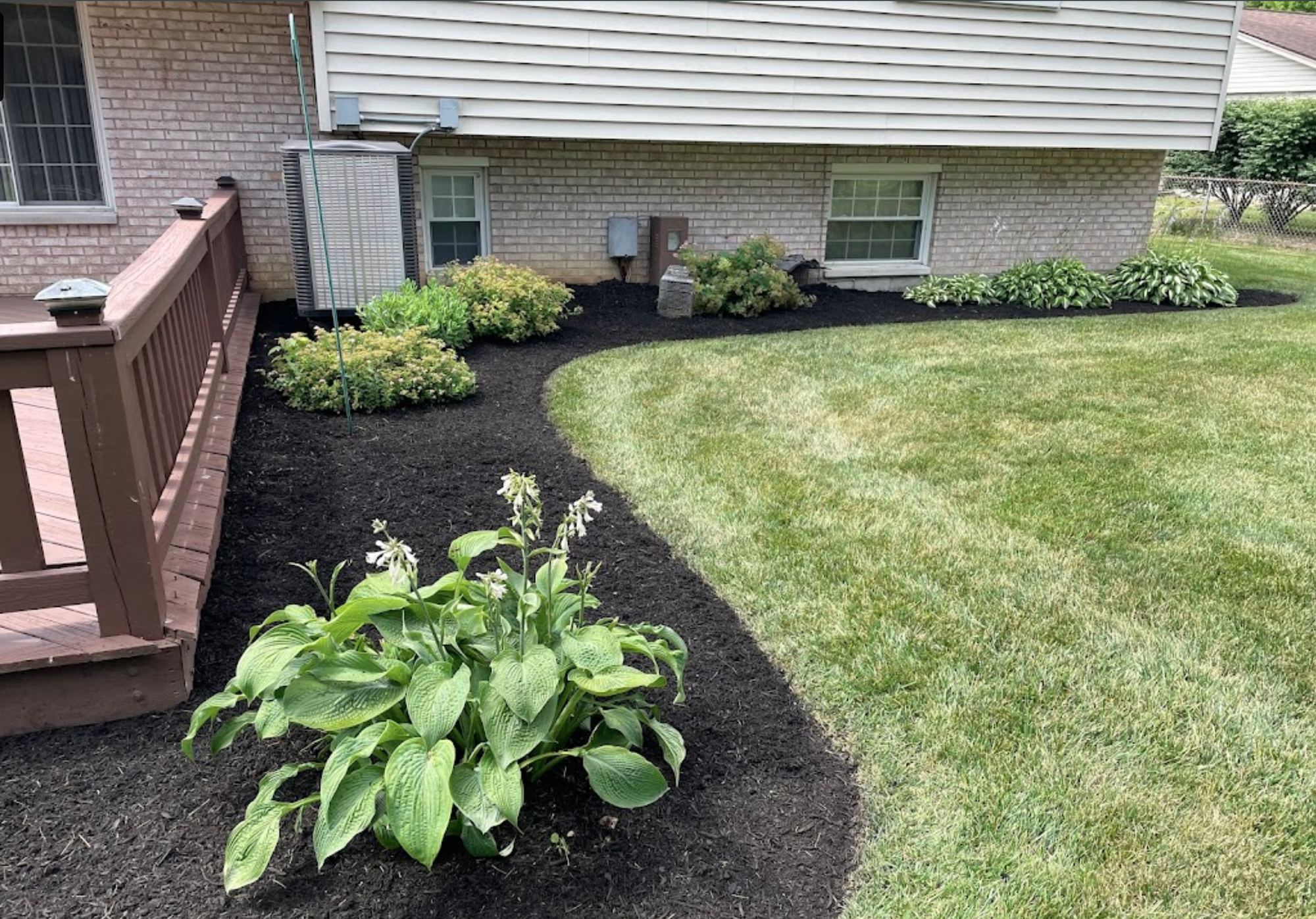
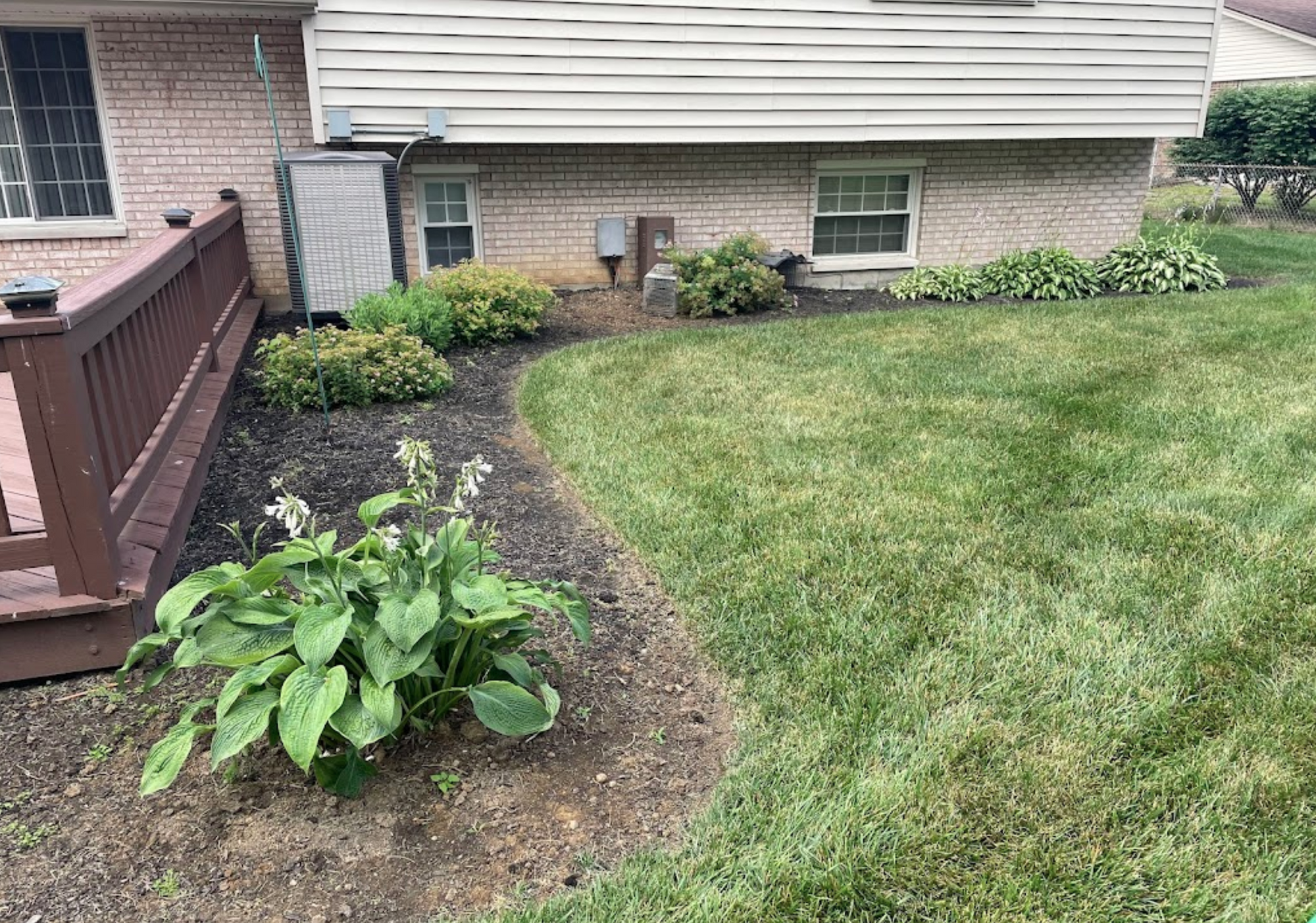
Mulch vs. No Mulch: The Difference
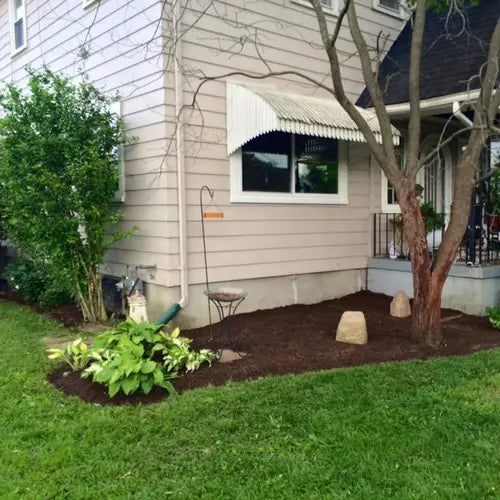
South Hill's combination of dry summers and wet winters creates a real challenge for maintaining consistent soil moisture in landscape beds. Natural organic mulch breaks down over time and adds the organic matter that gravelly sandy loam soil desperately needs to hold nutrients and water. Choosing the right mulch product means balancing decomposition rate with your need for seasonal moisture retention across a climate that swings from summer drought stress to winter saturation.
Before
After
Best Mulch Choice for South Hill Lawns
Most yards in the South Hill area sit on type of soil. Gravelly sandy loam soil in South Hill has large pore spaces that allow water and nutrients to drain past root zones before plants can absorb them. Organic mulch laid over this soil type slows that drainage process and gives roots a fighting chance during dry summer months.
Hardwood Mulch
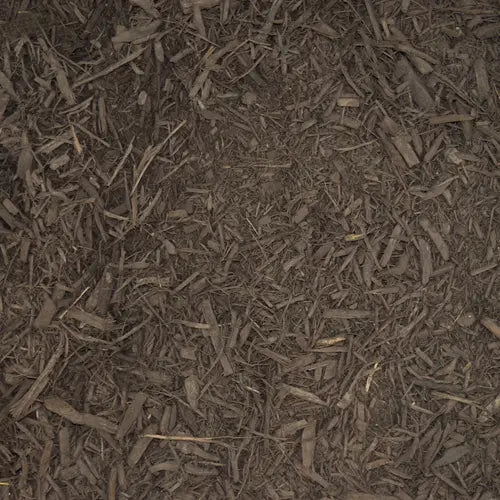
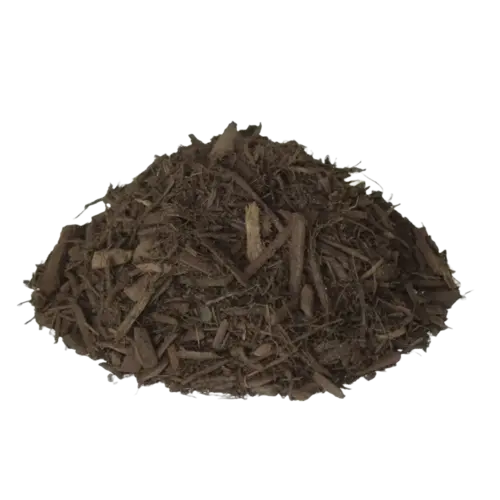
Hardwood mulch breaks down into a fine, humus-rich material that directly addresses the biggest weakness of South Hill's gravelly sandy loam, which is its low organic matter content. As hardwood mulch decomposes through the wet season, it slowly builds soil structure, improves nutrient retention, and creates better conditions for the beneficial microbes that support healthy plant roots.
Complete Your Outdoor Mulch Project
Pair your mulch order with a quality garden soil or compost blend to amend the gravelly sandy loam beneath your beds before mulching. Adding a crushed stone border around your beds also helps keep bulk mulch in place during South Hill's heavy winter rains.
South Hill's gravelly sandy loam loses organic matter faster than clay-heavy soils because water moves through it so readily. Before spreading fresh mulch each spring, rake back the older decomposed layer and work it lightly into the top inch of soil rather than removing it. That decomposed material is packed with beneficial fungi and nutrients that your plants can use immediately, and it costs you nothing extra.
Mulch Mound Pro Tip
Timing your mulch application around South Hill's rainfall patterns can save you time and water. Spread mulch right after a soaking rain in late April or early May when the soil has absorbed winter moisture but has not yet started its summer dry cycle. Mulching over already-dry soil in June traps less moisture and makes it harder to rehydrate the root zone without deep watering first.
Mulch Mound Pro Tip
Keep mulch pulled back at least two inches from the base of woody shrubs and tree trunks, especially heading into South Hill's wet fall and winter season. When bark mulch stays pressed against stems through months of November rain, it creates ideal conditions for crown rot and fungal issues. A donut-shaped application that circles the plant without touching it protects roots while keeping the stem dry and healthy.
Frequently Asked Questions
Click a question to see the answer
Answer
How thick should I apply mulch given how fast our sandy soil dries out in summer?
South Hill's gravelly sandy loam drains quickly, so a 3 to 4 inch layer of mulch is recommended for most planting beds. That depth creates enough of a barrier to slow evaporation during the dry summer months, which in South Hill can see weeks with very little rainfall between June and September. Going thinner than 2 inches leaves the soil vulnerable, while piling on more than 4 inches can create soggy pockets during the rainy season.
Answer
Will mulch break down faster here because of all the rain we get in fall and winter?
Yes, South Hill's wet season runs from roughly October through April and delivers the bulk of that 44-inch annual rainfall. That sustained moisture accelerates the decomposition of organic mulch, which is actually beneficial because it adds organic matter back into the gravelly sandy loam soil that naturally lacks it. You can expect most hardwood or bark mulch products to need refreshing every 12 to 18 months in this climate.
Answer
I have a lot of Douglas fir trees dropping needles in my yard. Should I still add mulch?
Douglas fir needles do create a natural mulch layer, but they break down slowly and can create a matted surface that sheds water rather than absorbing it. In South Hill yards with heavy conifer drop, adding a thin 1 to 2 inch topdress of quality bark mulch around ornamental beds helps fill the gaps and improves moisture retention without going overboard. Just keep the mulch a few inches away from tree trunks.
Answer
What mulch type works best for the rhododendrons and azaleas that seem to grow well around South Hill?
Rhododendrons and azaleas thrive in acidic soil conditions, and fortunately zone 8b in the South Hill area supports them well. A bark or wood chip mulch from coniferous species is ideal because it breaks down slightly acidic and feeds these plants naturally over time. Avoid dyed or treated wood mulch products around acid-loving shrubs, as the additives can alter soil chemistry in unpredictable ways.
Answer
How much mulch should I order for a typical South Hill front yard with a few planting beds?
A standard South Hill front yard with two or three established planting beds totaling around 400 square feet would typically need 4 to 5 cubic yards of mulch at a 3 inch application depth. Ordering in bulk is more cost-effective than bagged products, and having a little extra on hand means you can topdress lightly around trees and along fence lines without placing a second order.
Answer
Is it okay to put mulch down before our last frost date in late March?
You can apply mulch in early to mid March in South Hill, but keep in mind that a thick layer can slow soil warming before the March 20 average last frost date. If you are planting warm-season vegetables or annuals, it helps to pull the mulch back slightly from planting areas a few weeks before transplanting so the soil can absorb heat. Around established perennials and shrubs, early spring mulching is completely fine.
Answer
Does the elevation in South Hill affect how I should mulch compared to lower areas in Pierce County?
South Hill's 541-foot elevation means temperatures can drop a few degrees colder than the Puyallup valley floor during cold snaps. This makes a full 3 to 4 inch mulch layer especially valuable for protecting the root zones of marginally hardy plants like some ornamental grasses and broadleaf evergreens. A good mulch blanket going into November can make a real difference when overnight lows dip harder than expected at this elevation.
The Unique Landscape of South Hill
South Hill sits at 541 feet elevation in a zone 8b climate that delivers roughly 44 inches of rain annually, but that rainfall is not evenly distributed. Summers here can stretch into dry spells that stress plant roots, especially in the gravelly sandy loam soil that drains quickly and holds moisture poorly. A proper mulch layer acts as a buffer, slowing evaporation during those dry July and August stretches when South Hill gardens can lose soil moisture fast. From the last frost around March 20 through the growing season, mulch also moderates soil temperature swings that are common at this elevation. By the time the first frost arrives around November 5, a well-mulched bed retains just enough warmth to extend root activity a few extra weeks. Investing in bulk mulch delivery is one of the most practical decisions a South Hill homeowner can make for long-term landscape health.