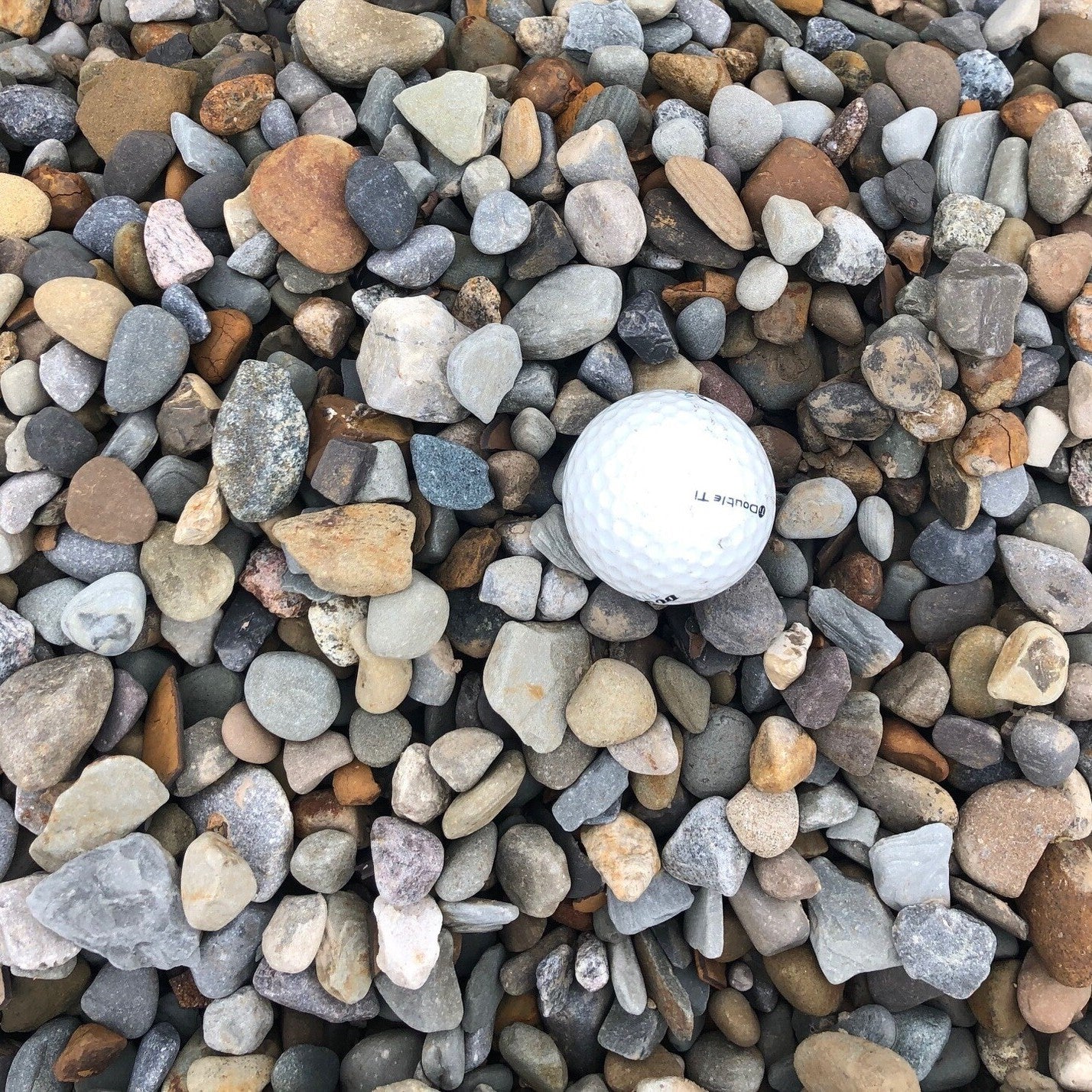
Number 57 crushed stone, angular limestone graded to about three quarters of an inch. The standard driveway, base and drainage gravel, it locks together under traffic and drains fast.
My experience with Mulch Mound was great and super easy. I ordered two yards of screened topsoil and was able to get it delivered within 2 days. They came in my requested time frame (afternoon) and dropped it off where I asked on my driveway. The topsoil was exactly what was a...
Tell us what you're looking for
Thanks! We received your request.
Something went wrong. Please try again.
How Much Material Do I Need?
Apply decorative stone at a minimum of 2 to 3 inches deep for planting bed coverage and 4 to 6 inches for driveway or pathway applications in South Hill. Shallower applications tend to shift and expose the landscape fabric or soil beneath during heavy winter rains, requiring more frequent touch-ups.
Use our free gravel calculator
What is a Yard?
A yard is approximately 27 cubic feet. As a general guideline, one yard of material can cover an area of about 100-160 square feet at a 2-3 inch depth.
We can't take orders for this right now. Tell us what you need and we'll get back to you.
What do you need?
Thanks! We received your request.
Something went wrong. Please try again.
Hand-picked local yards
4,000+ regional deliveries
Dedicated support
Why order through Mulch Mound
The best local , without the guesswork.
We hand-pick and partner with the best yards in your region, keep only the ones our buyers rate well, and back each load with our guarantee.
Mulch Mound Guarantee
If your isn't the quantity or quality you ordered, we'll make it right.
About this stone
Number 57 crushed stone, angular limestone graded to about three quarters of an inch. The standard driveway, base and drainage gravel, it locks together under traffic and drains fast.
My experience with Mulch Mound was great and super easy. I ordered two yards of screened topsoil and was able to get it delivered within 2 days. They came in my requested time frame (afternoon) and dropped it off where I asked on my driveway. The topsoil was exactly what was a...
How Much Material Do I Need?
Apply decorative stone at a minimum of 2 to 3 inches deep for planting bed coverage and 4 to 6 inches for driveway or pathway applications in South Hill. Shallower applications tend to shift and expose the landscape fabric or soil beneath during heavy winter rains, requiring more frequent touch-ups.
Use our free gravel calculator
What is a Yard?
A yard is approximately 27 cubic feet. As a general guideline, one yard of material can cover an area of about 100-160 square feet at a 2-3 inch depth.
My experience with Mulch Mound was great and super easy. I ordered two yards of screened topsoil and was able to get it delivered within 2 days. Th...
Read full review
My experience with Mulch Mound was great and super easy. I ordered two yards of screened topsoil and was able to get it delivered within 2 days. They came in my requested time frame (afternoon) and dropped it off where I asked on my driveway. The topsoil was exactly what was advertised, clean with no rocks or other debris. The price was reasonable. I plan to use them again in a couple weeks to order compost for my garden beds.
To estimate stone needs, measure the length and width of your project area in feet and multiply to get square footage. Multiply that by your desired depth in inches, then divide by 324 to get the cubic yards needed directly. For pathway or driveway projects in South Hill, adding 10 percent to your calculated amount accounts for any grading needs and ensures you have enough to achieve a consistent depth.
Complete Your Outdoor Stone Project
Pair your stone order with quality landscape fabric installed beneath the material to block weeds without interfering with drainage through South Hill's wet season. A delivery of topsoil or garden blend works well alongside stone if you are doing a mixed hardscape and planting bed project at the same time.
South Hill gets most of its 44 annual inches of rain between October and April, and that concentrated wet season is a perfect time to evaluate where water is pooling or channeling through your yard. Ordering river rock or drainage gravel in September, before the rains begin, puts you ahead of the problem rather than scrambling to fix erosion or foundation moisture issues mid-winter. A well-placed stone drainage feature installed in early fall can protect your foundation and landscaping through years of rainy seasons.
Mulch Mound Pro Tip
Lighter-colored crushed granite and tan pea gravel are popular in South Hill landscapes not just for aesthetics but for their heat-reflective properties during summer. In a zone 8b climate with dry summers, darker volcanic rock can radiate enough heat to stress the roots of plants in tight planting beds during July heat stretches. Choosing stone color with sun exposure in mind gives you both a good-looking landscape and healthier plants without any extra maintenance.
Mulch Mound Pro Tip
Before ordering stone for a pathway or entertainment area, compact your native South Hill gravelly sandy loam base first using a hand tamper or rented plate compactor. Sandy native soil has a tendency to settle unevenly under foot traffic and stone weight, creating low spots that collect standing water even with good drainage material on top. A properly prepared base takes an extra hour but means your stone surface stays level and functional for many years rather than requiring constant regrading.
The Unique Landscape of South Hill
Stone is one of the most practical and long-lasting landscape materials available to South Hill homeowners, particularly given the climate conditions that define this area. With 44 inches of rain falling each year, drainage is a constant consideration, and properly placed gravel or crushed stone can redirect water away from foundations, driveways, and garden beds without the maintenance demands of organic materials. South Hill's gravelly sandy loam native soil actually transitions naturally to a stone landscape, making crushed rock and decorative gravel feel at home in this environment. Elevation at 541 feet means occasional heavy frost events between November and March that can heave and shift organic edging materials, while stone stays firmly in place season after season. Decorative stone also holds up through the dry summer months without fading, shrinking, or requiring replacement the way bark and mulch products do. Whether you are building a dry creek bed, a gravel pathway, or a patio base layer, bulk stone delivery gives you the volume to complete meaningful projects at a cost-effective price.
Frequently Asked Questions
Click a question to see the answer
Answer
What type of stone works best for a gravel driveway in South Hill given how much rain we get?
Crushed angular rock, often called crushed rock or road base, is the best choice for South Hill driveways because the irregular edges bind together and resist the rutting that smooth round stones create under vehicle traffic. South Hill's wet winters put gravel driveways through a real test, and angular crushed material drains quickly without washing into the lawn the way pea gravel tends to do during heavy rain events. A depth of 4 to 6 inches over a compacted base gives you a stable surface through the rainy season.
Answer
We get a lot of runoff along the side of our house after big rainstorms. Would a gravel trench or dry creek help?
A gravel-filled drainage swale or dry creek bed is one of the most effective solutions for South Hill properties dealing with concentrated runoff. Rounding up the low side of your yard with a channel filled with river rock or larger decorative stone guides water away from your foundation and into a safe discharge area. The native gravelly sandy loam soil beneath will help the water percolate once it slows down, making stone drainage features particularly effective in this area.
Answer
How much stone do I need to cover my planting beds instead of mulch?
For planting beds where you want to replace organic mulch with decorative stone, a 2 to 3 inch depth of pea gravel or crushed granite provides good coverage and weed suppression. Measure the square footage of your beds and divide by 12, then multiply by your desired depth in inches to get cubic feet, then divide by 27 for cubic yards. Most South Hill front yard planting beds of 200 to 400 square feet will need 1 to 2 cubic yards of stone at that depth.
Answer
Will decorative stone heat up too much in the summer sun and damage plants in my beds?
Light-colored stones like white gravel or tan pea gravel reflect more heat than dark stones, and either can raise soil temperatures around plant roots during South Hill's July and August dry season. If you are using stone around heat-sensitive plants like hydrangeas or ferns, consider placing a layer of landscape fabric and a thin cushion of soil beneath the stone to insulate roots. For drought-tolerant Mediterranean-style plantings, the extra warmth from stone is actually a benefit in zone 8b.
Answer
I want to build a patio in my backyard. What base material do I need under pavers or flagstone?
For South Hill patios, a compacted base of crushed road base rock at 4 to 6 inches is the standard foundation layer. South Hill's frost period runs from roughly November 5 through March 20, and freeze-thaw cycles can shift a patio that is not properly based. A crushed rock base allows water to drain through rather than pooling beneath the pavers, which reduces frost heave and keeps your patio level for years. Top the base with a thin layer of coarse sand before setting your pavers.
Answer
What is the difference between river rock and crushed rock for landscaping purposes?
River rock is smooth and rounded, making it ideal for decorative applications like dry creek beds, borders, and areas where appearance matters most. Crushed rock has angular edges that lock together when compacted, which makes it the right choice for driveways, pathway bases, and drainage projects where stability matters more than looks. In South Hill, many homeowners use river rock in the visible front yard for aesthetics while relying on crushed rock for functional side and back yard drainage projects.
Answer
Does stone work well as a ground cover under my kids play structure where grass just will not grow?
Pea gravel is a very popular choice under play structures in South Hill yards because it is soft enough to cushion minor falls, drains immediately after rain, and does not turn muddy the way bare soil or worn grass does. A 3 to 4 inch layer of pea gravel over landscape fabric keeps weeds down and stays in place reasonably well. Keep the stone contained with a wooden or plastic border so it does not migrate into the lawn over time, especially during the rainy season when water movement can shift lighter gravels.
Answer
Is there a stone yard near South Hill?
Redirecting runoff away from a foundation or driveway is a common South Hill project, and with 44 inches of rain a year, crushed stone does that job well. Mulch Mound is not a stone yard, so the cubic yards you order are delivered to your driveway, with no trip to a quarry or any pickup to haul yourself.