About this landscape rock

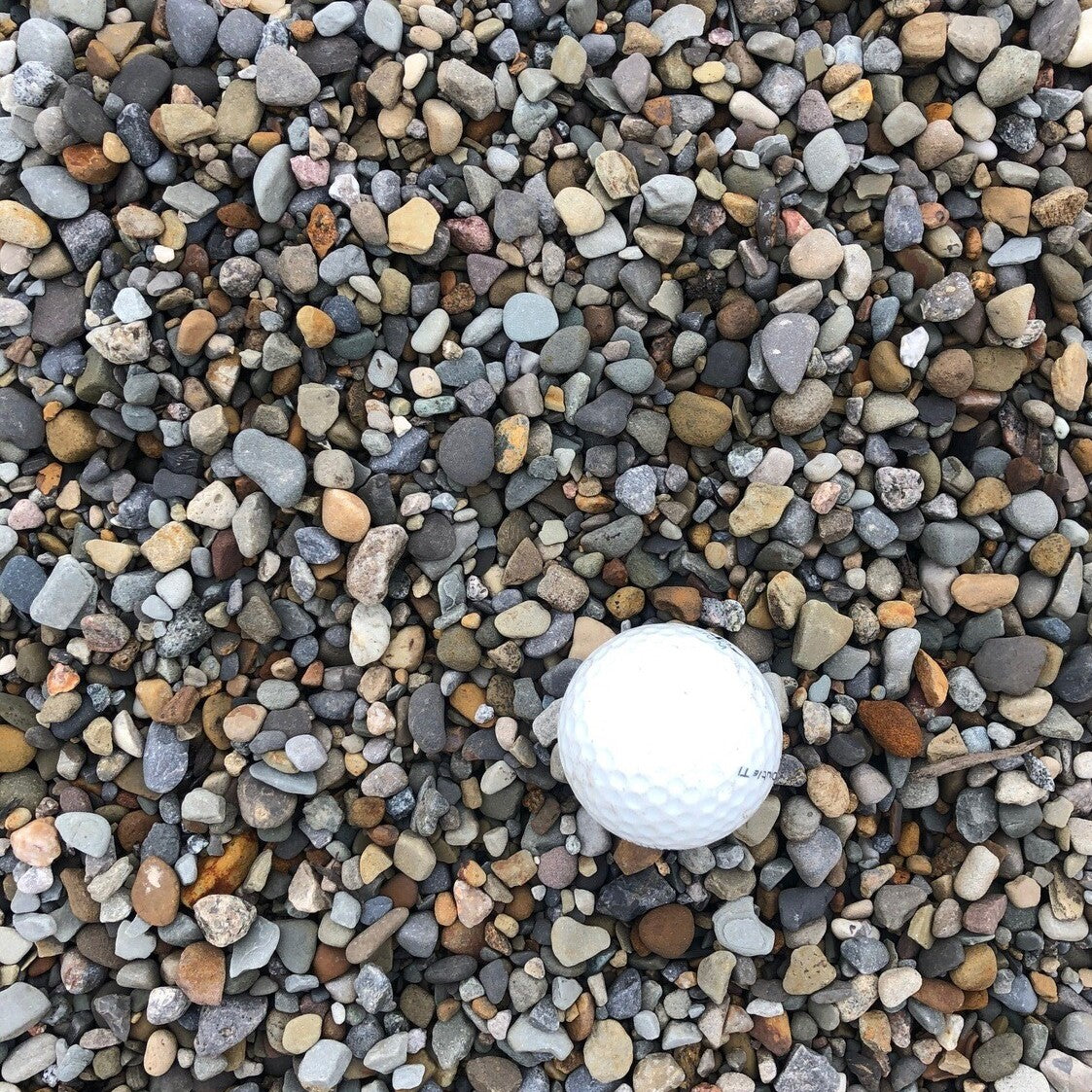
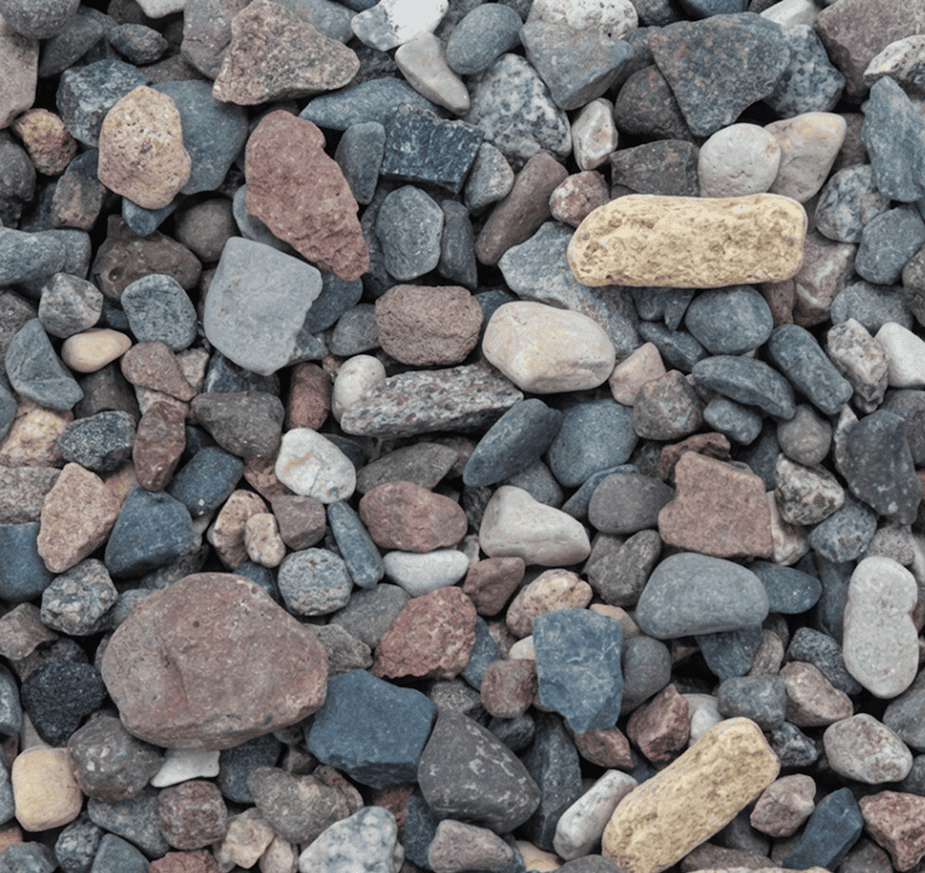
Smooth tumbled river rock, heavy enough to stay put in drainage runs and handsome enough for beds and borders.

I couldn't be happier with the speed and quality of the mulch delivery service of Mulch Mound. Every detail from ordering, to communication with on time delivery, to perfect product placement was amazing. I needed more and I got it within 2 hours! I'm never doing this with ba...

One cubic yard of landscape rock covers about 162 square feet at a 2 inch depth, which is the standard install depth for most front yard beds. For a typical 300 square foot bed at 2 to 3 inches deep, plan on roughly 2 cubic yards. Measure your bed area first, then decide your depth, since going from 2 to 3 inches adds meaningfully to the yardage you need.

A yard is approximately 27 cubic feet. As a general guideline, one yard of material can cover an area of about 100-160 square feet at a 2-3 inch depth.

Chula Vista Landscape Rock Delivery

Chula Vista Landscape Rock Delivery

4.7
137 reviews
Regular price $132.00 per Yard
Regular price Sale price $132.00
Sale Sold out
Shipping calculated at checkout.
Type
Size
Minimum of 3 Yard
Hand-picked local yards
4,000+ regional deliveries
Dedicated support
Why order through Mulch Mound

The best local landscape rock, without the guesswork.

We hand-pick and partner with the best yards in your region, keep only the ones our buyers rate well, and back each load with our guarantee.

Mulch Mound Guarantee

If your landscape rock isn't the quantity or quality you ordered, we'll make it right.

About this landscape rock

Smooth tumbled river rock, heavy enough to stay put in drainage runs and handsome enough for beds and borders.

I couldn't be happier with the speed and quality of the mulch delivery service of Mulch Mound. Every detail from ordering, to communication with on time delivery, to perfect product placement was amazing. I needed more and I got it within 2 hours! I'm never doing this with ba...

One cubic yard of landscape rock covers about 162 square feet at a 2 inch depth, which is the standard install depth for most front yard beds. For a typical 300 square foot bed at 2 to 3 inches deep, plan on roughly 2 cubic yards. Measure your bed area first, then decide your depth, since going from 2 to 3 inches adds meaningfully to the yardage you need.

A yard is approximately 27 cubic feet. As a general guideline, one yard of material can cover an area of about 100-160 square feet at a 2-3 inch depth.

View full details

How It Works

Getting started is easy — just follow these simple steps

1

Choose your quantity

Adjust the quantity to match your project. One cubic yard covers about 100 to 160 square feet at a 2 to 3 inch depth.

2

Select your delivery date

Select a delivery date you'd like for the product to be dropped off at your home

3

Sit back and wait

Sit back, wait, and let us work our magic to make sure the highest quality product is delivered to your driveway.

From The Mouths of Chula Vista Folks

4.7
out of 5 based on 137 reviews
Google Reviews

Complete Your Outdoor Project

Landscape fabric underneath is what makes rock a decade-long install instead of a weed patch by next spring. Steel or paver edging keeps the stone contained against Chula Vista's alluvial soil, which can shift slightly at bed borders over time. Many customers also order a bit of soil or mulch separately for the citrus and planting beds they are keeping rock-free.

Mulch Mound Pro Tip

Lay landscape fabric before the rock goes down, not after, and overlap seams by at least 6 inches. In Chula Vista's alluvial soil, skipping fabric means weeds punch through within a season since the soil underneath still holds enough moisture to germinate seeds even in a dry climate. Pin the fabric down every few feet so it does not shift when you spread and rake the stone on top.

Mulch Mound Pro Tip

The biggest mistake we see is piling rock too deep, thinking more is better. Beyond 3 inches you are wasting material and the extra depth does nothing for weed suppression, since it is the fabric doing that work, not the stone thickness. Stick to 2 to 3 inches and put any savings toward better edging instead.

Mulch Mound Pro Tip

Rock pairs well with a mulched planting bed on the same property, using rock for pathways and foundation lines while keeping mulch around citrus trees and shrubs that need organic matter breaking down into the soil. This split approach means you are not buying rock you will regret near plants that want feeding, and it keeps future maintenance simpler since each material stays where it belongs.

Decorative Stone in Chula Vista

Chula Vista's alluvial soil drains well but can crust and shift a bit as it dries, which makes a fabric base under rock even more important here than in heavier clay regions. With mild winters and a first frost that rarely arrives before December 10, there is no freeze heave to worry about, so a properly bedded rock installation settles once and stays put for years. Around the Elite Athlete Training Center and similar low-water landscaping in the area, rock beds are common because they hold up to the dry season without irrigation. It also suits homes near the coast where citrus and lemon trees, this being the Lemon Capital of the World, need their root zones left as organic soil rather than covered in stone.

What Landscape Rock Is

Landscape rock is stone chosen for how it looks as much as what it does. River rock is smooth and rounded, decomposed granite is fine and packs firm underfoot. Both are sold by the cubic yard for beds, borders, paths, and dry creek beds.

River Rock vs Decomposed Granite

River rock stays loose and rolls, so it suits beds, borders, and drainage runs where it can sit in place. Decomposed granite compacts into a firm surface, so it suits paths, patios, and anywhere you will walk or roll a wheelbarrow.

Depth and Coverage

Spread river rock 2 to 3 inches deep over landscape fabric so it stays put and weeds stay down. Lay decomposed granite 3 to 4 inches deep, wet it, and compact it in lifts for a surface that sheds water instead of rutting.

Frequently Asked Questions

Click a question to see the answer

Answer

How long does landscape rock actually last in Chula Vista before I need to redo it?

Properly installed over fabric, landscape rock holds up for a decade or more with no replacement needed. Chula Vista's mild climate has no freeze thaw cycle to shift the stone, so the main upkeep is occasionally blowing out leaves or debris that settle on top, not refreshing the material itself.

Answer

How many cubic yards do I need for a 500 square foot front yard?

At the standard 2 inch depth, one cubic yard covers about 162 square feet, so a 500 square foot area needs a little over 3 cubic yards. If you want a 3 inch depth for better coverage, plan closer to 4.5 cubic yards.

Answer

Is there a bad time of year to install rock in Chula Vista?

Not really, since our winters are mild and the first frost typically holds off until December 10. Most people avoid installing right during the brief rainy stretch since wet alluvial soil is harder to grade evenly, but any dry week works fine for laying fabric and spreading rock.

Answer

Where will the delivery truck place the rock, and do I need to be home?

Delivery is scheduled at checkout and the driver places the load at your driveway or curbside, as close to the work area as truck access allows. You do not need to be home, but someone should confirm a clear drop spot ahead of time so the load lands where you want it.

Answer

Should I use landscape rock or mulch around my citrus trees?

Mulch is the better choice around citrus trees, since Chula Vista's lemon growing conditions rely on organic matter breaking down into the root zone for feeding. Save landscape rock for foundation beds, pathways, and low-maintenance front yard areas where you are not relying on the ground to feed nearby plants.

More delivery around Chula Vista, California

All Chula Vista, California landscape supply

