



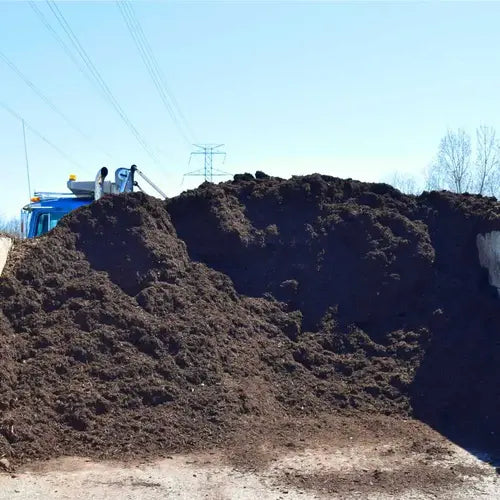
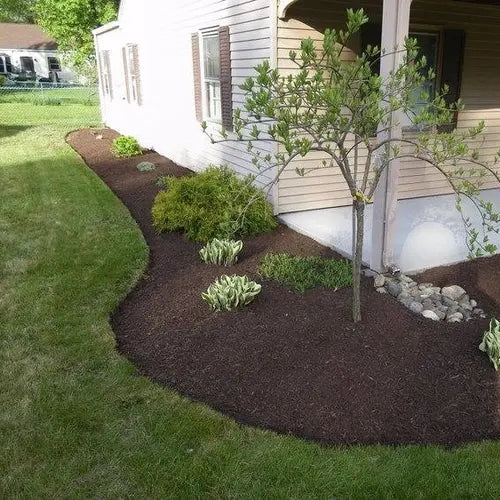

Our delivery was delayed but the new brown color mulch is a nice upgrade to our landscaping.
About this mulch
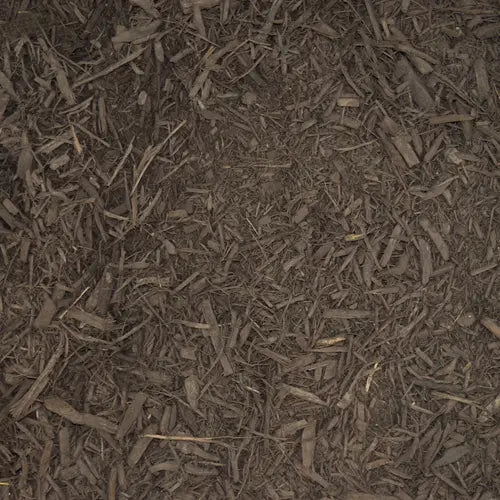
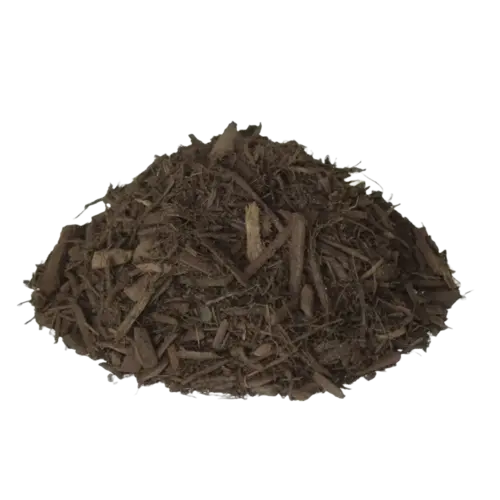
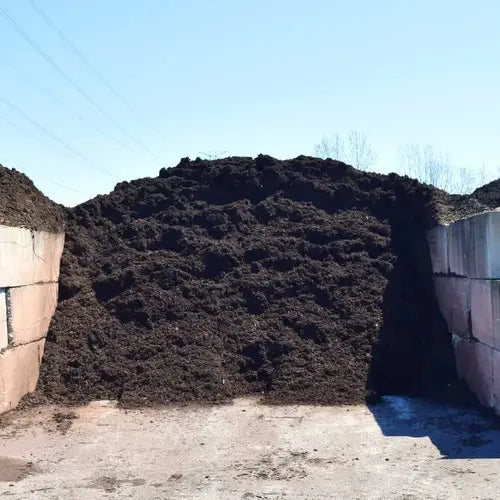
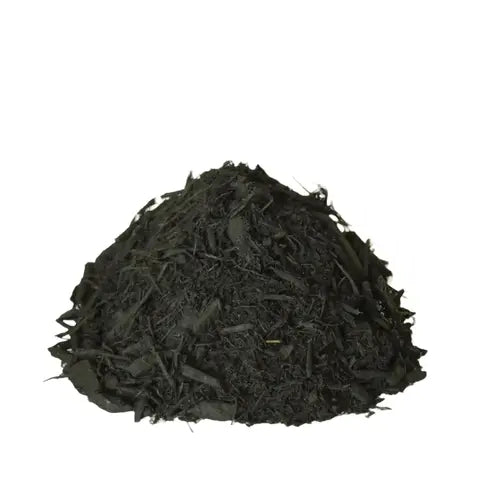
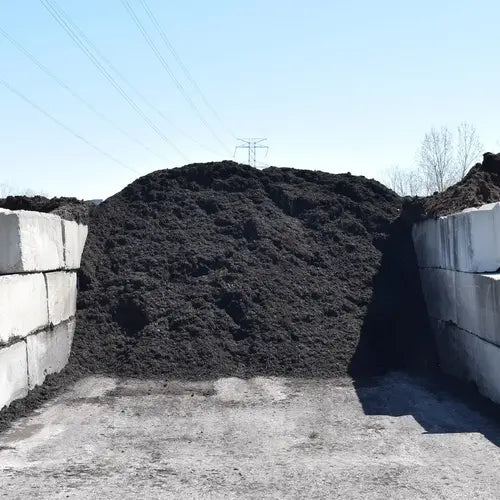
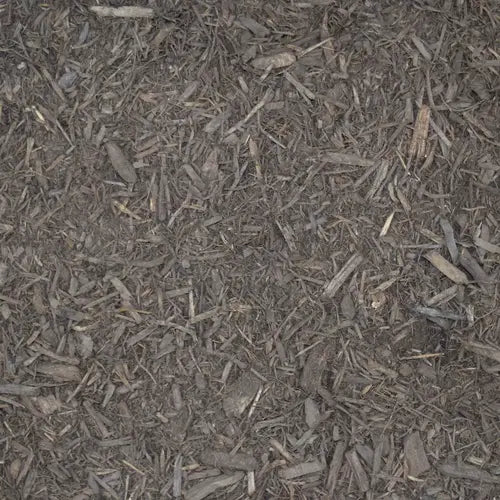
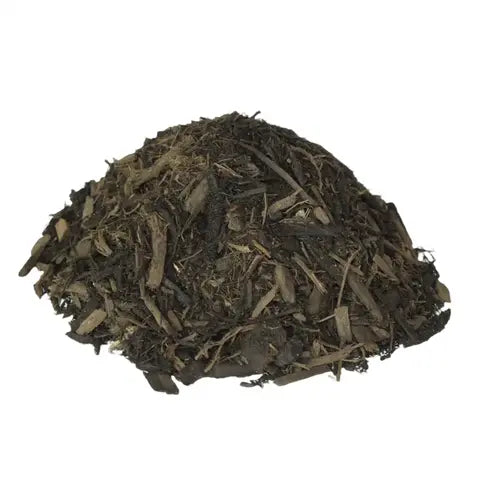
Double-shredded mulch dyed a rich, even brown that holds its color through the season.
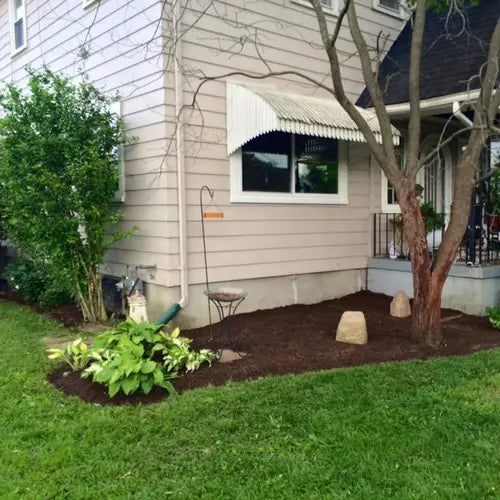
Our delivery was delayed but the new brown color mulch is a nice upgrade to our landscaping.
Tell us what you're looking for
Thanks! We received your request.
Something went wrong. Please try again.
How Much Material Do I Need?
How Much Material Do I Need?
One cubic yard covers roughly 108 square feet at 3 inches deep, which is the depth we recommend for most Corcoran beds. Shade beds and areas under established trees can go 2 inches, while sun blasted west facing strips do better at a full 4 inches.
Use our free mulch calculator
What is a yard?
What is a yard?
FAQs
FAQs
Corcoran Mulch Delivery
Corcoran Mulch Delivery
Regular price
$64.00
per
Yard
Regular price
Sale price
$64.00
Unit price
per
Shipping calculated at checkout.
Minimum of 3 Yard
Couldn't load pickup availability
Not currently available
We can't take orders for this right now. Tell us what you need and we'll get back to you.
Hand-picked local yards
4,000+ regional deliveries
Dedicated support
Why order through Mulch Mound
The best local , without the guesswork.
We hand-pick and partner with the best yards in your region, keep only the ones our buyers rate well, and back each load with our guarantee.
Mulch Mound Guarantee
If your isn't the quantity or quality you ordered, we'll make it right.
About this mulch
Double-shredded mulch dyed a rich, even brown that holds its color through the season.
Our delivery was delayed but the new brown color mulch is a nice upgrade to our landscaping.
How Much Material Do I Need?
How Much Material Do I Need?
One cubic yard covers roughly 108 square feet at 3 inches deep, which is the depth we recommend for most Corcoran beds. Shade beds and areas under established trees can go 2 inches, while sun blasted west facing strips do better at a full 4 inches.
Use our free mulch calculator
What is a yard?
What is a yard?
FAQs
FAQs
Tell us what you're looking for
Thanks! We received your request.
Something went wrong. Please try again.

How It Works
Getting started is easy — just follow these simple steps
1
Choose your Mulch
Make sure you adjust the quantity to your home's needs. You can use our calculator to estimate how much you'll need.
2
Select your delivery date
Select a delivery date you'd like for the product to be dropped off at your home
3
Sit back and wait
Sit back, wait, and let us work our magic to make sure the highest quality product is delivered to your driveway.

Mulch Mound made it so easy! So happy with the pricing, turn around time, delivery and product. I submitted my online order on a Thursday. The mu...
Read full review
Mulch Mound made it so easy! So happy with the pricing, turn around time, delivery and product. I submitted my online order on a Thursday. The mulch was delivered to the designated location by a local landscape company at 8:30 a.m. the following Saturday morning. We had the job completed by that afternoon. We chose the natural brown mulch, and the plant beds are beautiful.

Good quality, great price, fast delivery. All online - no submitting forms and waiting for days for quotes.
Getting mulch should be this easy fr...
Read full review
Good quality, great price, fast delivery. All online - no submitting forms and waiting for days for quotes.
Getting mulch should be this easy from everyone. Only Mulch Mound is ACTUALLY this simple.
Calculate mulch for your Corcoran project
For Corcoran's type of soil, we recommend 2-3 inches for best weed suppression and moisture retention
Try Our CalculatorMeasure each bed separately in feet, length times width, and add the areas together rather than guessing at one big number, since curved Corcoran front yard beds are usually larger than they look. Multiply the total square footage by your desired depth in feet, so 3 inches becomes 0.25, then divide by 27 to get cubic yards. Round up by about 10 percent to cover settling and uneven ground.
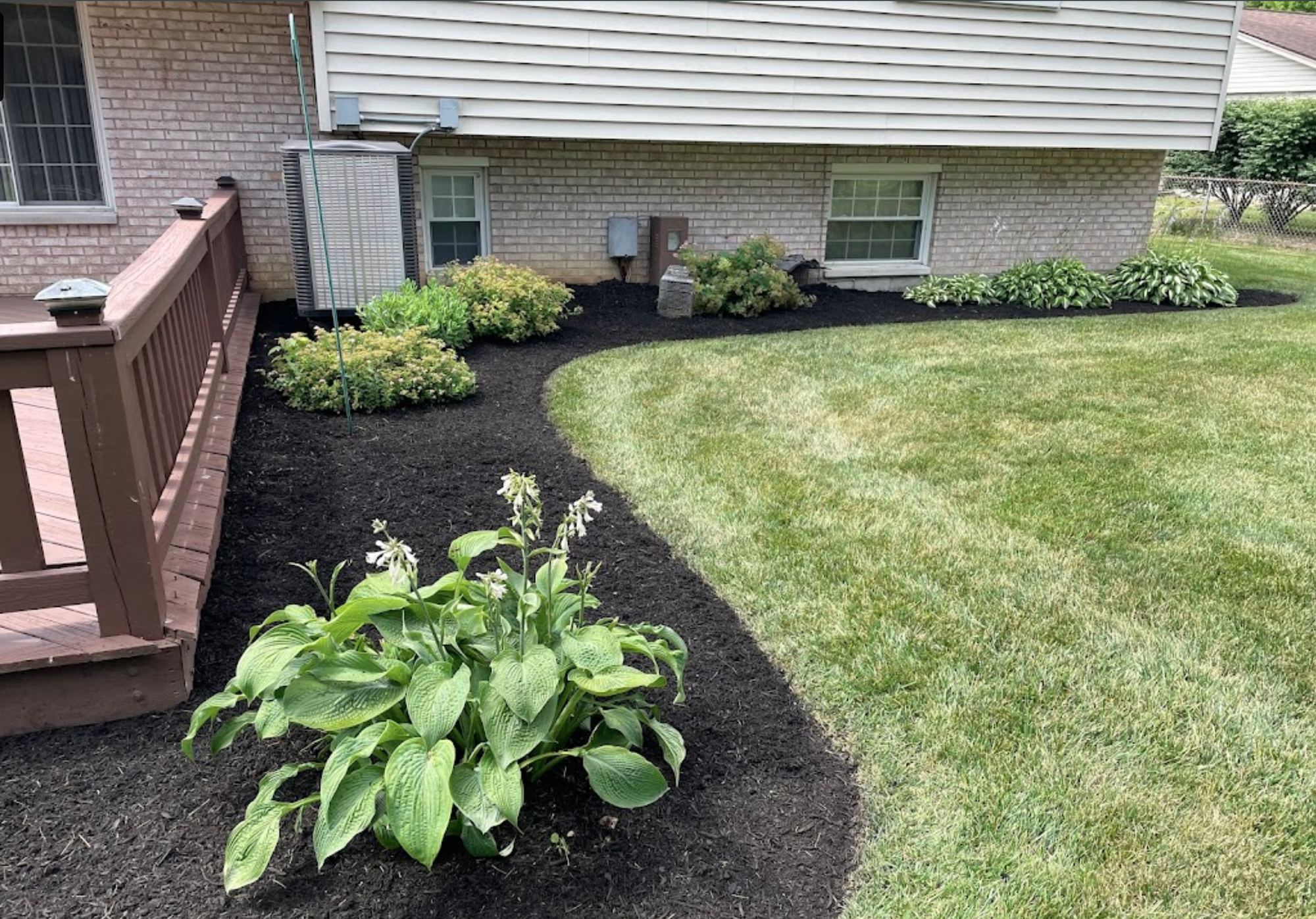
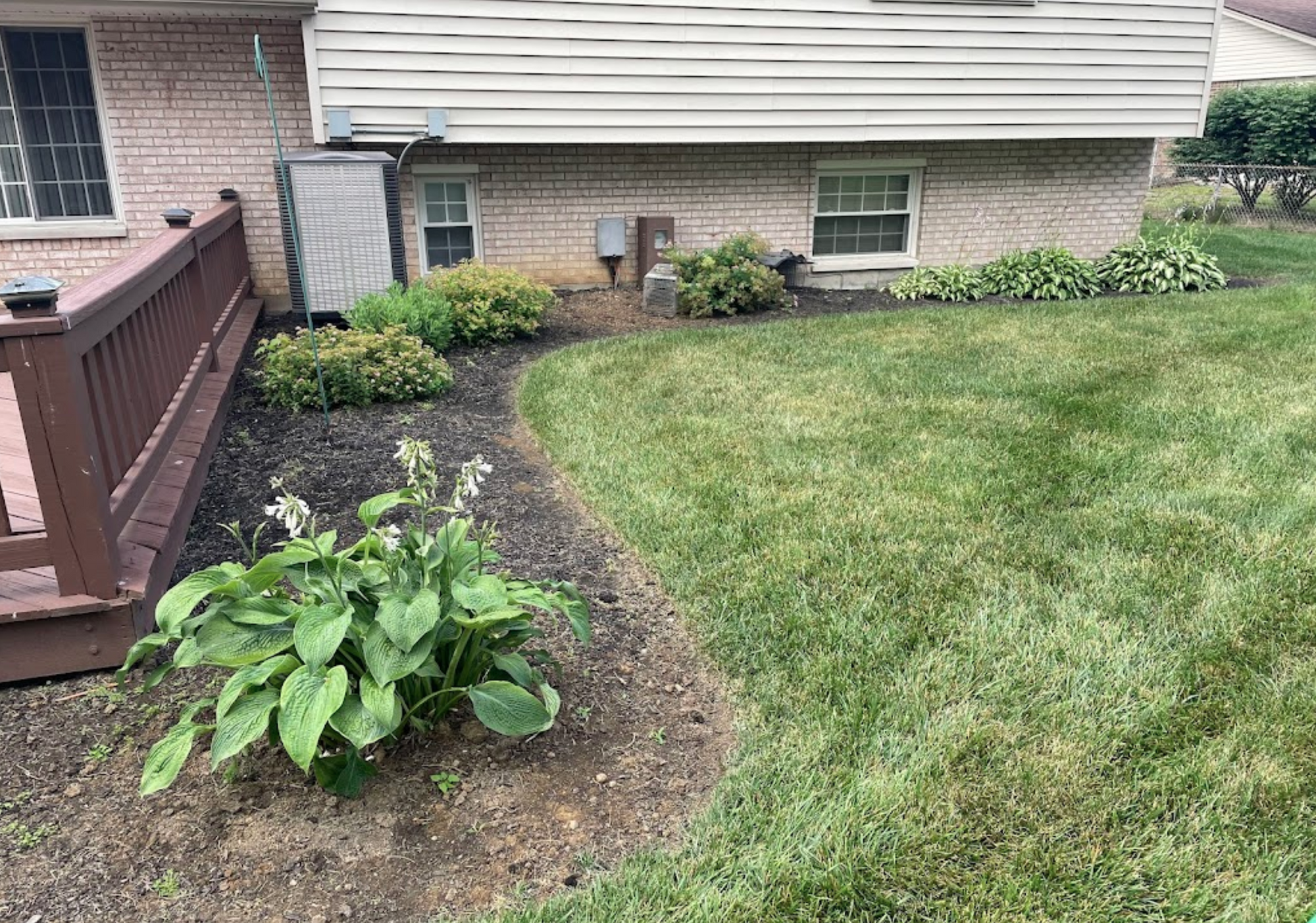

Best Mulch Choice for Corcoran Lawns
Most yards in the Corcoran area sit on type of soil. Corcoran clay loam holds nutrients well but drains slowly and compacts hard, so plant beds often go from soggy in January to concrete by July. Roots struggle to push through that swing, and shallow rooted shrubs are the first to show stress.
Hardwood Mulch
Shredded hardwood is the best answer for Corcoran clay loam because its coarse fibers keep the soil surface open and shaded, preventing the crust from forming in the first place. As it slowly breaks down it feeds earthworms and microbes that build channels through the clay, improving infiltration and softening the root zone over successive seasons.
Complete Your Outdoor Mulch Project
Pair your mulch with a few yards of compost or garden soil worked into the clay loam before spreading, so you are improving the root zone and protecting it at the same time. Steel or bender board edging and a load of decorative rock for the strip against the house round out most Corcoran front yard projects.
Service area
Areas we deliver mulch in Corcoran, California
Mulch Mound Pro Tip
Water your beds thoroughly the day before mulch arrives. Corcoran clay loam that has been dry for weeks develops a hard crust, and dumping dry mulch on dry soil means your first irrigation has to soak through both layers. Pre wetting gives you moist ground under the mulch from day one, so roots stay active through the transition and you do not lose a week of growth during summer heat.
Mulch Mound Pro Tip
Do not till mulch into your soil. Fresh wood chips mixed into clay loam tie up nitrogen as they decompose and your plants will yellow within weeks. Leave mulch on the surface where it belongs and let the worms move it down naturally. If you want organic matter in the soil, use finished compost instead and work that in before planting, then top the bed with mulch.
Mulch Mound Pro Tip
Rake and fluff your existing mulch each spring instead of automatically adding more. After a Corcoran winter, mulch that sat under rain can mat into a water shedding crust that sends irrigation running to the low spots. A quick pass with a leaf rake breaks that surface up, restores infiltration, and often reveals you only need an inch of fresh material rather than a full new layer.
The Unique Landscape of Corcoran
Corcoran sits in the heart of the Tulare Lake basin at about 207 feet of elevation, where roughly 10 inches of rain a year has to carry landscapes through summers that routinely run past 100 degrees. Bare clay loam here bakes into a crust by June, and every drop of irrigation you apply either runs off that crust or evaporates before roots ever touch it. A 3 inch mulch layer is the cheapest shade structure you can buy for your soil, dropping root zone temperatures and cutting evaporation dramatically during the long Zone 9b growing season that stretches from late February to late November. Mulch also blocks the summer weeds that thrive in Corcoran alkaline ground, including bermudagrass and puncturevine, before they establish. Because our winters are mild and wet enough to keep soil biology active from December through February, organic mulch slowly feeds the clay loam and softens it season after season. Skip it and you are fighting cracked ground, high water bills, and constant weeding all year.