



Ordered Dirt. Received Dirt. Would Buy Again.
About this soil
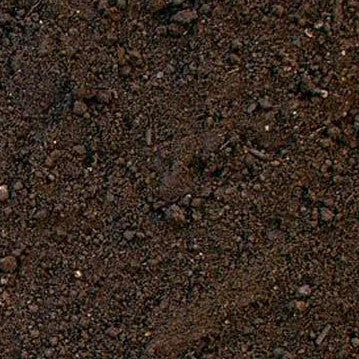
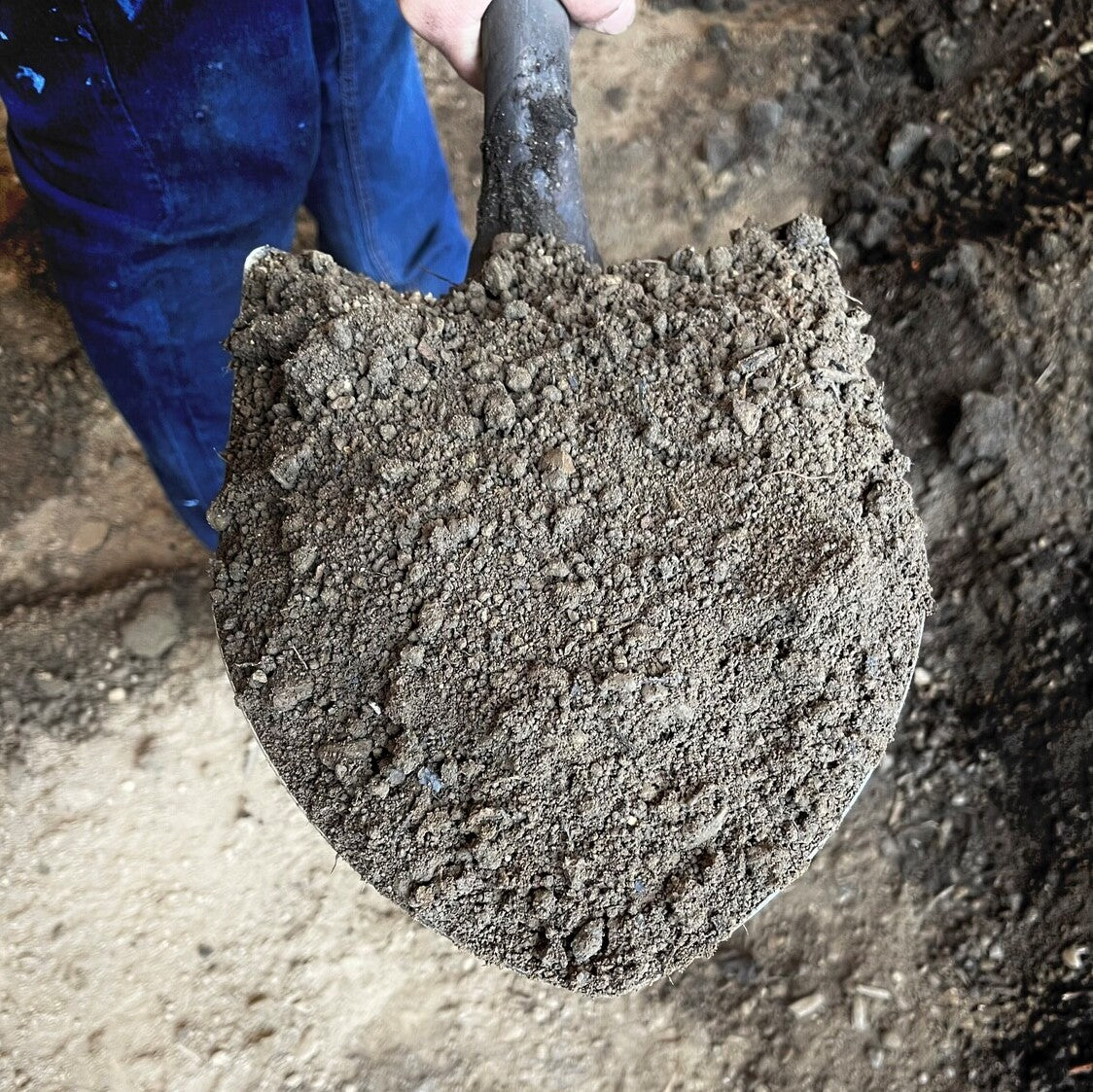
Screened topsoil with a fine, even texture. Ideal for new lawns, sod prep, and raised garden beds.
Ordered Dirt. Received Dirt. Would Buy Again.
Tell us what you're looking for
Thanks! We received your request.
Something went wrong. Please try again.
How Much Material Do I Need?
How Much Material Do I Need?
A cubic yard covers about 100 square feet at 3 inches, which is a typical amendment depth for Corcoran clay loam beds. For new raised beds, calculate the full interior volume of the box, since you will be filling it top to bottom rather than topping off.
Use our free soil calculator
What is a Yard?
What is a Yard?
FAQs
FAQs
Corcoran Soil Delivery
Corcoran Soil Delivery
Regular price
$64.00
per
Yard
Regular price
Sale price
$64.00
Unit price
per
Shipping calculated at checkout.
Minimum of 3 Yard
Couldn't load pickup availability
Hand-picked local yards
4,000+ regional deliveries
Dedicated support
Why order through Mulch Mound
The best local , without the guesswork.
We hand-pick and partner with the best yards in your region, keep only the ones our buyers rate well, and back each load with our guarantee.
Mulch Mound Guarantee
If your isn't the quantity or quality you ordered, we'll make it right.
About this soil
Screened topsoil with a fine, even texture. Ideal for new lawns, sod prep, and raised garden beds.
Ordered Dirt. Received Dirt. Would Buy Again.
How Much Material Do I Need?
How Much Material Do I Need?
A cubic yard covers about 100 square feet at 3 inches, which is a typical amendment depth for Corcoran clay loam beds. For new raised beds, calculate the full interior volume of the box, since you will be filling it top to bottom rather than topping off.
Use our free soil calculator
What is a Yard?
What is a Yard?
FAQs
FAQs
Tell us what you're looking for
Thanks! We received your request.
Something went wrong. Please try again.
How It Works
Getting started is easy — just follow these simple steps
1
Choose your soil
Make sure you adjust the quantity to your home's needs. You can use our calculator to estimate how much you'll need.
2
Select your delivery date
Select a delivery date you'd like for the product to be dropped off at your home
3
Sit back and wait
Sit back, wait, and let us work our magic to make sure the highest quality product is delivered to your driveway.


Placing an order online was so easy. Delivery was on time. When the driver realized we had a newly poured driveway they erred on the side of cautio...
Read full review
Placing an order online was so easy. Delivery was on time. When the driver realized we had a newly poured driveway they erred on the side of caution and opted not ti drive in it. The company even sent me a message explaining that call. Would recommend!
Need Help Calculating How Much Soil You Need?
Use our NEW Trace from Satellite tool to get an estimate for your project based on an aerial view of your property
Try Our CalculatorSketch your beds and measure each one in feet, then note how deep you actually need to go, which for amending is usually 3 to 4 inches and for filling can be much more. Multiply length by width by depth in feet, then divide by 27 for cubic yards. If you are correcting a slope or low spot, measure the deepest point and the shallowest and use the average.
Complete Your Outdoor Soil Project
Add a few yards of compost to blend into the native clay loam and a load of mulch to cap the finished beds, which protects your investment from crusting and evaporation. Decorative rock or a drip kit finishes the job for most Corcoran yard renovations.
Service area
Areas we deliver soil in Corcoran, California
Mulch Mound Pro Tip
Never work Corcoran clay loam when it is wet. If you squeeze a handful and it ribbons out like modeling clay, walk away and wait a few days. Tilling or even walking on saturated clay destroys the pore structure and leaves you with bricks that persist for years. The right moisture is when a squeezed handful holds together but crumbles apart under light thumb pressure.
Mulch Mound Pro Tip
Watch for salt buildup in beds that never get rain. With only 10 inches of annual precipitation and irrigation carrying dissolved minerals, salts accumulate in the root zone around Corcoran, showing up as white crust on the soil surface and burned leaf margins. Adding compost helps, but you also want one deep, slow irrigation every few months in summer to push those salts below the roots.
Mulch Mound Pro Tip
Build a shallow basin around new trees and shrubs rather than planting flush with grade. In clay loam, a 3 to 4 inch berm ring holds irrigation water long enough for it to soak straight down into the root ball instead of running off across the crusted surface. Break the berm open after the first two seasons so the trunk is not sitting in standing water once roots have spread.
The Unique Landscape of Corcoran
Native ground in Corcoran is clay loam formed on the old Tulare Lake bed, which means it is naturally fertile but dense, slow draining, and often on the alkaline side. New home lots here frequently have that native soil scraped, compacted by equipment, and topped with a thin skim, so anything you plant hits hardpan a few inches down. Bringing in quality topsoil, garden mix, or compost gives roots a workable zone to establish in during our long Zone 9b season. Because Corcoran gets only about 10 inches of rain a year, soil that holds moisture without staying waterlogged is worth more here than almost anywhere else. Amended beds also help buffer salt buildup, which is a real issue in the Valley when irrigation water is the main input and rainfall rarely flushes the profile. The right soil up front saves years of fighting compaction and drainage.