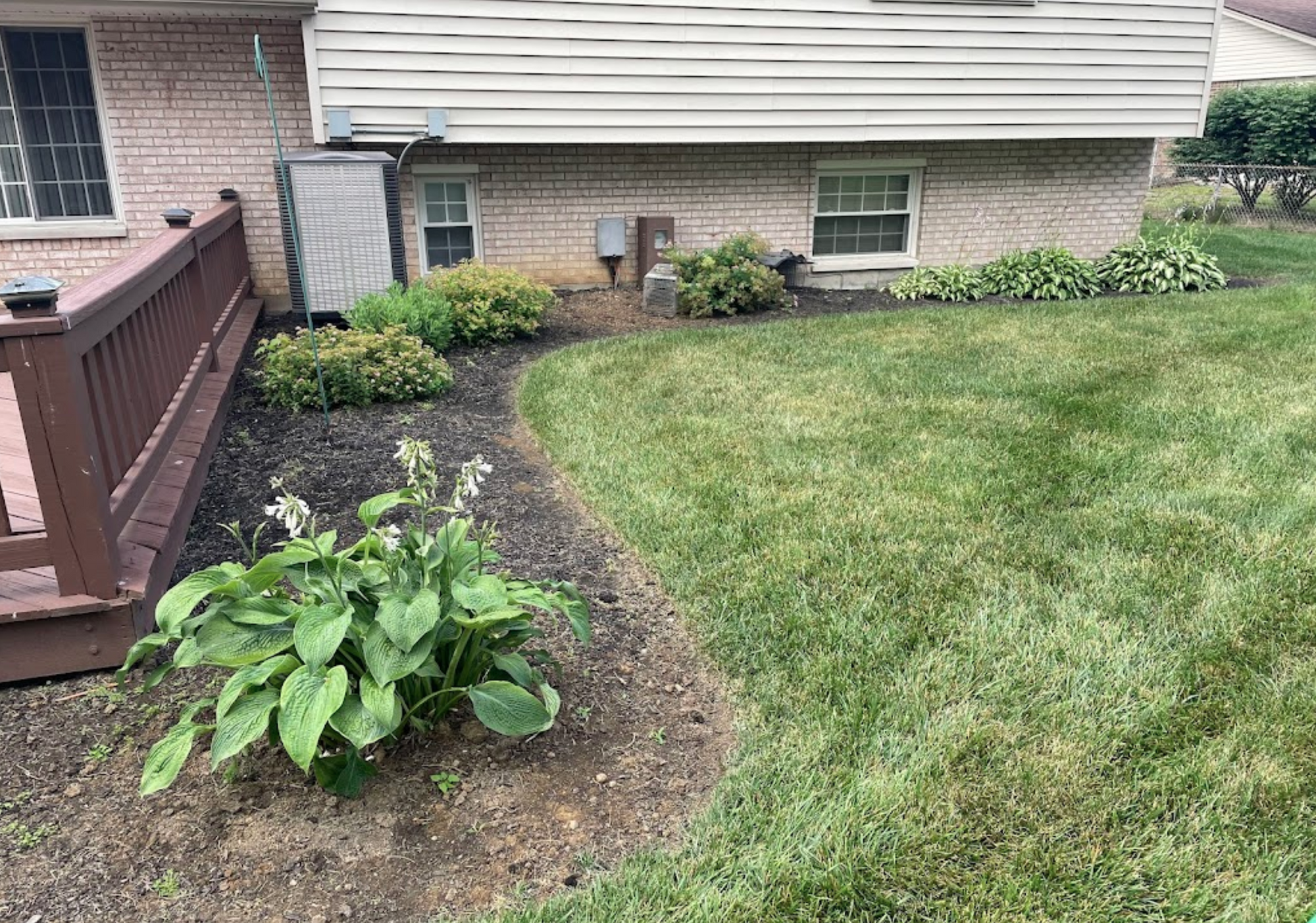
I couldn't be happier with the speed and quality of the mulch delivery service of Mulch Mound. Every detail from ordering, to communication with on time delivery, to perfect product placement was amazing. I needed more and I got it within 2 hours! I'm never doing this with ba...
Tell us what you're looking for
Thanks! We received your request.
Something went wrong. Please try again.
How Much Material Do I Need?
One cubic yard covers roughly 100 square feet at 3 inches deep, which is the depth we recommend for most Reno beds. For tree rings and drip irrigated shrub borders, plan on 3 to 4 inches, and stay near 2 inches over new plantings.
Use our free mulch calculator
What is a yard?
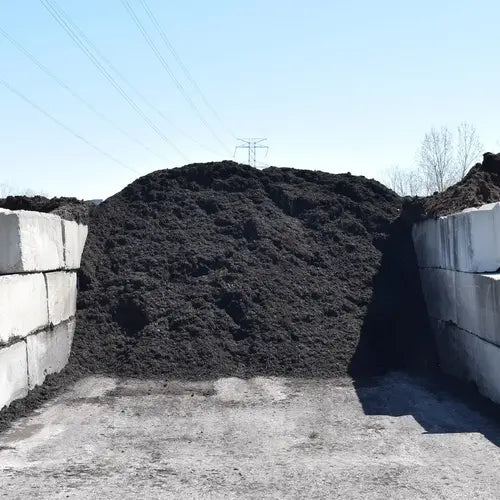
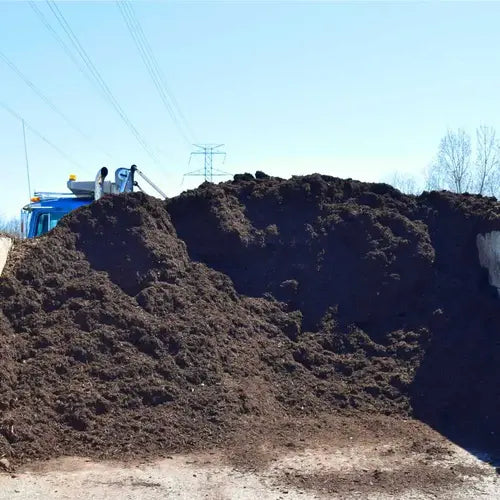
A yard is approximately 27 cubic feet. As a general guideline, one yard of material can cover an area of about 100-160 square feet at a 2-3 inch depth.
I couldn't be happier with the speed and quality of the mulch delivery service of Mulch Mound. Every detail from ordering, to communication with on time delivery, to perfect product placement was amazing. I needed more and I got it within 2 hours! I'm never doing this with ba...
How Much Material Do I Need?
One cubic yard covers roughly 100 square feet at 3 inches deep, which is the depth we recommend for most Reno beds. For tree rings and drip irrigated shrub borders, plan on 3 to 4 inches, and stay near 2 inches over new plantings.
Use our free mulch calculator
What is a yard?
A yard is approximately 27 cubic feet. As a general guideline, one yard of material can cover an area of about 100-160 square feet at a 2-3 inch depth.
I couldn't be happier with the speed and quality of the mulch delivery service of Mulch Mound. Every detail from ordering, to communication with on...
Read full review
I couldn't be happier with the speed and quality of the mulch delivery service of Mulch Mound. Every detail from ordering, to communication with on time delivery, to perfect product placement was amazing. I needed more and I got it within 2 hours! I'm never doing this with bags again.
We had a great experience today. This was our first time using Mulch Mound, and I found the price competitive and the online ordering very easy. ...
Read full review
We had a great experience today. This was our first time using Mulch Mound, and I found the price competitive and the online ordering very easy. We are impressed with the quality of the mulch, too! It is covering well - a great value!
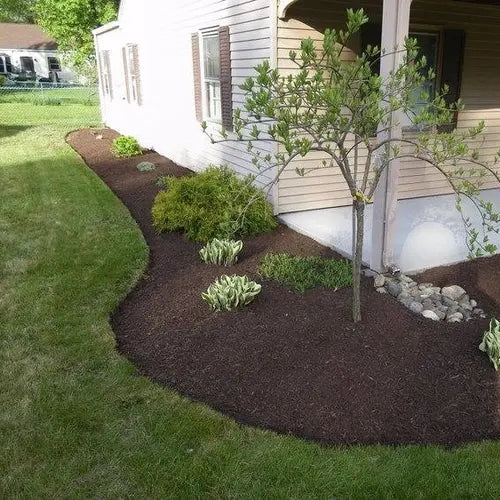
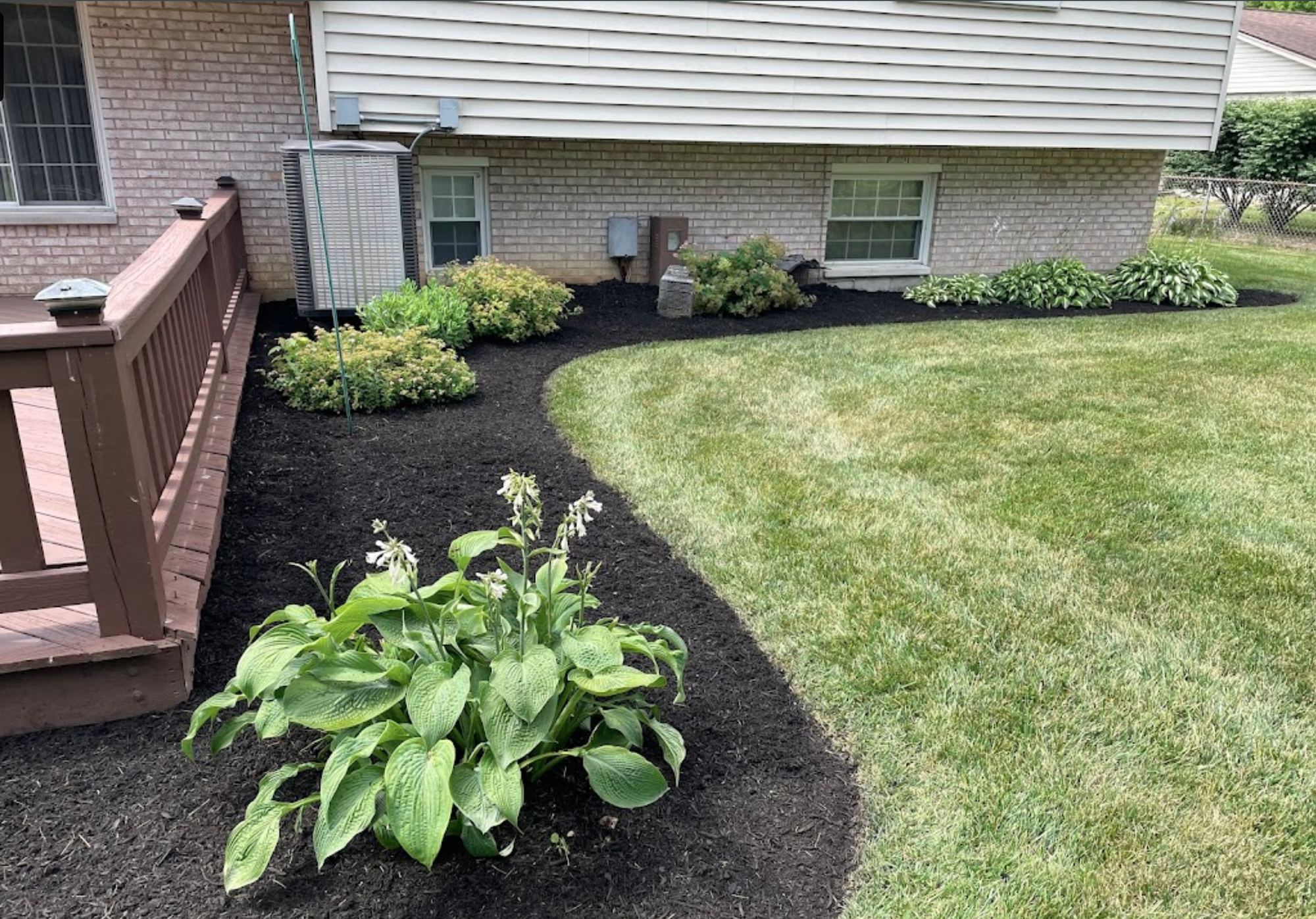
Sketch each bed and break odd shapes into rectangles and triangles rather than guessing, because curved Reno foundation beds along block walls are usually larger than they look. Multiply total square footage by your target depth in feet, so 3 inches equals 0.25, then divide by 27 to get cubic yards. Add about 10 percent extra for settling and for the wind loss you will see during spreading.
Mulch vs. No Mulch: The Difference
Reno's 7 inches of annual rain and very low humidity mean organic mulch decomposes slowly here compared to most of the country, so a good hardwood layer can last two or three seasons. What breaks it down is not rot but ultraviolet light at 4,505 feet, which fades color and makes fibers brittle from the top down. Non organic options like stone never break down at all, but they also never feed the soil, which matters a lot in our nutrient poor clay loam.
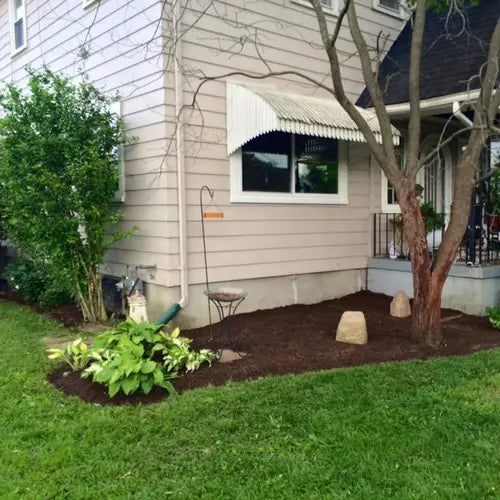
Before
After
Best Mulch Choice for Reno Lawns
Most yards in the Reno area sit on type of soil. Reno's clay loam holds nutrients well but compacts into a dense, slow draining layer that suffocates roots, especially in newer subdivisions where topsoil was scraped and the ground was heavily graded. Plant beds set into that material tend to either pond water at the surface or stay bone dry a few inches down.
Hardwood Mulch
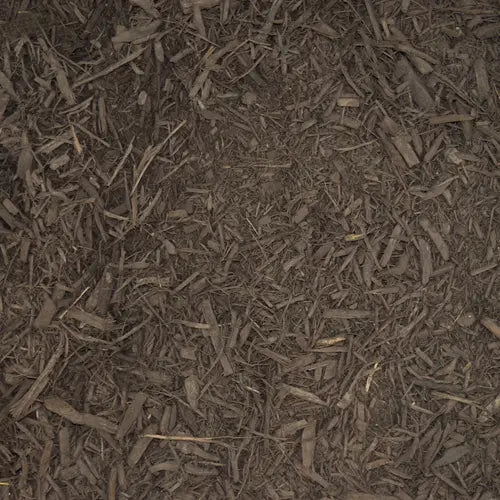
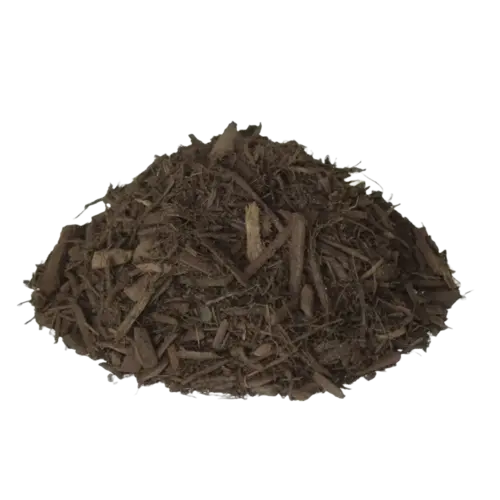
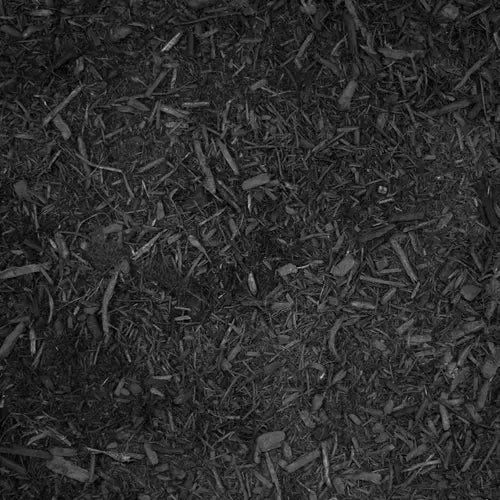
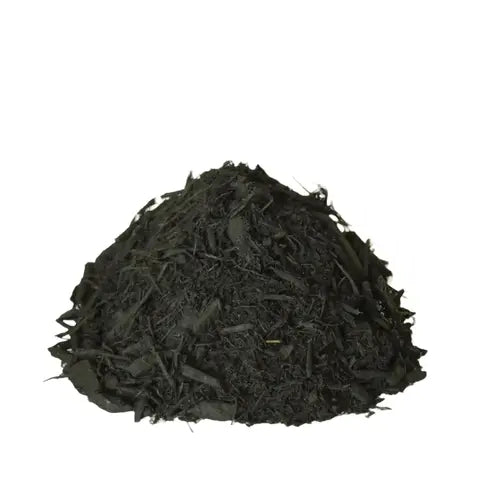
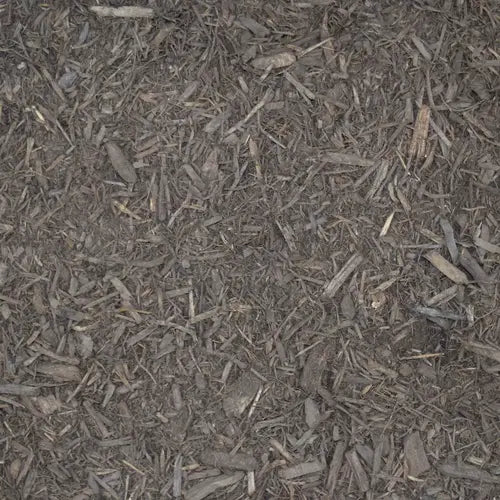
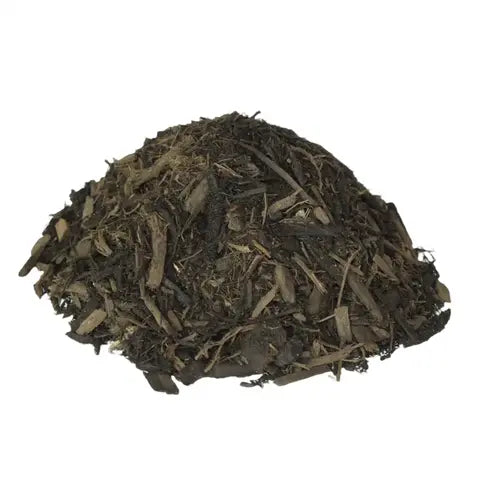
Shredded hardwood mulch is the best fix because it feeds a steady trickle of organic matter into the top layer as it breaks down, and that organic matter is what gets clay particles to clump into crumbs instead of pressing into a solid mass. Over two or three seasons of hardwood on the surface, Reno homeowners typically see water soak in faster, roots push deeper, and beds that no longer crack open in July.
Complete Your Outdoor Mulch Project
Pair your mulch with a few yards of compost enriched garden soil to jump start tired clay loam beds, and add decorative stone for the wind exposed edges and drip lines where mulch tends to migrate. Steel or stone edging keeps everything in place through spring gusts.
Water before you mulch, not just after. Reno clay loam that has gone dry repels water at first, so a single deep soak the day before you spread gives the soil profile a head start. If you mulch over bone dry ground, that 3 inch blanket will actually shed the first several light irrigations and your plants can sit thirsty for weeks. Soak, spread, then water again to settle the fibers.
Mulch Mound Pro Tip
Set your drip emitters on top of the soil and under the mulch, never buried inside the mulch layer. At our elevation and humidity, water applied into the mulch itself evaporates before it reaches roots. Lifting the mulch, checking that each emitter is still on the root ball, and covering the tubing back up takes an hour in spring and often cuts summer watering by a third on established shrub beds.
Mulch Mound Pro Tip
Rake and fluff your existing mulch before adding new material. Old shredded mulch in Reno tends to form a hard, water shedding crust because of UV baking and mineral dust from our air. Breaking that crust with a stiff rake, then topping with an inch of fresh material, restores infiltration without burying plant crowns. Doing this every spring is cheaper and healthier than dumping fresh mulch on top year after year.
Frequently Asked Questions
Click a question to see the answer
Answer
How thick should I put mulch down in Reno with only 7 inches of rain a year?
Go 3 to 4 inches on shrub and perennial beds, which is thicker than what most national guides recommend, because our dry air and intense high desert sun pull moisture out of a thin layer very quickly. Keep it closer to 2 inches directly over the root balls of new plantings so water can still reach them, and pull mulch back an inch or two from trunks and stems.
Answer
Will Reno wind blow my mulch out of the beds?
Fine, dry, shredded material can drift in our spring gusts, especially in open Cold Springs or South Reno lots with no fence or hedge. Shredded hardwood knits together as it settles and holds far better than nuggets or fluffy chips, and watering the surface right after spreading helps it mat down. In the windiest corridors, many homeowners use mulch in protected beds and switch to stone along exposed perimeters.
Answer
When is the best time of year to mulch in Reno?
Late April into May, once soil has warmed and the last frost around May 11 has passed, is ideal because you lock in spring moisture before the dry summer. A second lighter application in late September or early October, ahead of the October 6 average first frost, helps insulate roots through winter freeze and thaw. Avoid mulching frozen ground in midwinter since you will just trap cold in place.
Answer
Does mulch attract termites or other pests around Reno homes?
Termite pressure in northern Nevada is low compared to wetter regions, and our dry climate is not favorable for them. The bigger concerns here are ground squirrels and voles tunneling under deep mulch and the occasional black widow in undisturbed piles. Keep mulch a few inches off wood siding and stucco, and fluff the layer once or twice a season to keep it from becoming a permanent hideout.
Answer
How often will I need to replace mulch in this climate?
Plan on topping off 1 to 1.5 inches every year or two. Our low rainfall means slow microbial breakdown, so mulch does not rot away quickly here, but UV exposure at 4,505 feet fades color and breaks fibers down from the top, and wind removes some volume. Beds under trees or on the north side of a house often go two to three years between refreshes.
Answer
Can I put mulch right on top of my hard clay loam without tilling?
Yes, and in many Reno yards that is the smarter move. Tilling clay loam when it is dry shatters the structure into powder, and tilling it wet turns it into bricks. Water the bed deeply, spread 3 inches of mulch, and let earthworms and moisture do the loosening over a season or two. If you need faster results, blend a couple inches of compost into the top layer before mulching.
Answer
Should I use landscape fabric under mulch in Reno?
We usually advise against it in planting beds. Fabric blocks the organic matter that our clay loam desperately needs, and windblown dust settles on top of it and becomes a perfect seedbed for cheatgrass and tumbleweed anyway. Save the fabric for under decorative stone or gravel paths, and rely on mulch depth plus spot weeding in living beds.
The Unique Landscape of Reno
Reno sits at 4,505 feet in the rain shadow of the Sierra Nevada, and the 7 inches of precipitation we get in a typical year evaporates fast under high desert sun and afternoon canyon wind. Mulch is the single cheapest way to keep irrigation water in the root zone instead of losing it to the air by noon. Our clay loam soil also crusts and cracks when it bakes bare, which makes it hard for water to soak in at all, so a mulch blanket keeps that surface soft and open. Because Reno swings from a last frost around May 11 to a first frost near October 6, mulch also buffers roots against the wild 40 degree day to night temperature spread that stresses shrubs in spring and fall. In Zone 7a winters, that same layer keeps shallow roots from being heaved out of the ground by repeated freeze and thaw cycles. Skip mulch here and you will water twice as often for half the growth.