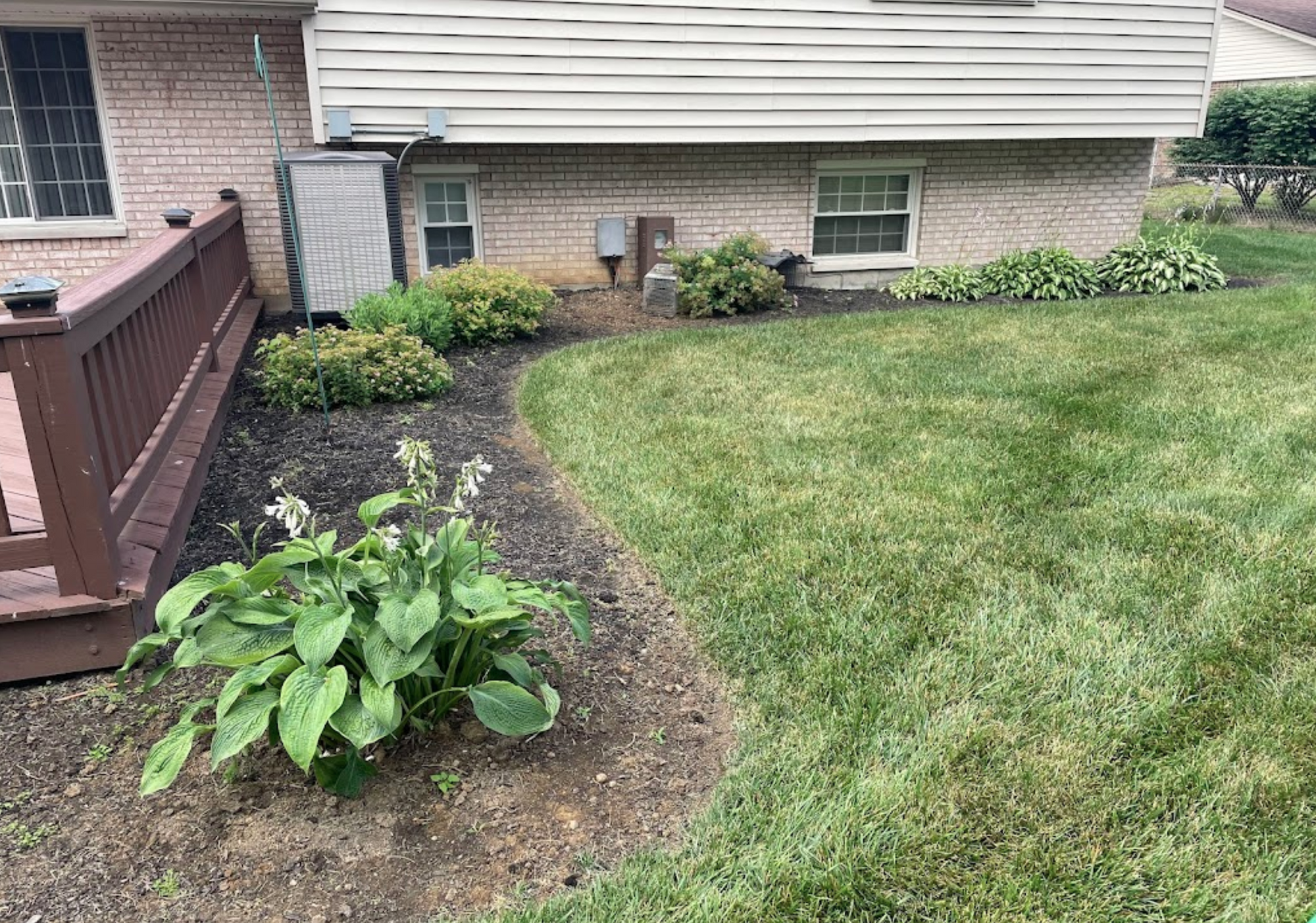
Mulch Mound made it so easy! So happy with the pricing, turn around time, delivery and product. I submitted my online order on a Thursday. The mulch was delivered to the designated location by a local landscape company at 8:30 a.m. the following Saturday morning. We had the...
Tell us what you're looking for
Thanks! We received your request.
Something went wrong. Please try again.
How Much Material Do I Need?
For most Riverside plant beds and tree rings, a 3 to 4 inch application depth is ideal to combat the high heat and low rainfall conditions. Order slightly more than your estimate since it is always easier to spread a bit extra than to make a second delivery trip.
Use our free mulch calculator
What is a yard?
A yard is approximately 27 cubic feet. As a general guideline, one yard of material can cover an area of about 100-160 square feet at a 2-3 inch depth.
Mulch Mound made it so easy! So happy with the pricing, turn around time, delivery and product. I submitted my online order on a Thursday. The mulch was delivered to the designated location by a local landscape company at 8:30 a.m. the following Saturday morning. We had the...
How Much Material Do I Need?
For most Riverside plant beds and tree rings, a 3 to 4 inch application depth is ideal to combat the high heat and low rainfall conditions. Order slightly more than your estimate since it is always easier to spread a bit extra than to make a second delivery trip.
Use our free mulch calculator
What is a yard?
A yard is approximately 27 cubic feet. As a general guideline, one yard of material can cover an area of about 100-160 square feet at a 2-3 inch depth.
Mulch Mound made it so easy! So happy with the pricing, turn around time, delivery and product. I submitted my online order on a Thursday. The mu...
Read full review
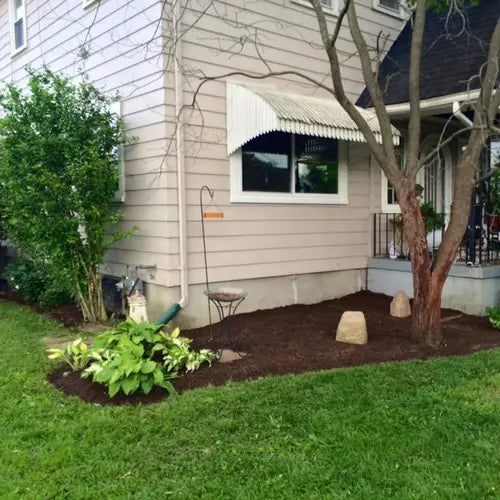
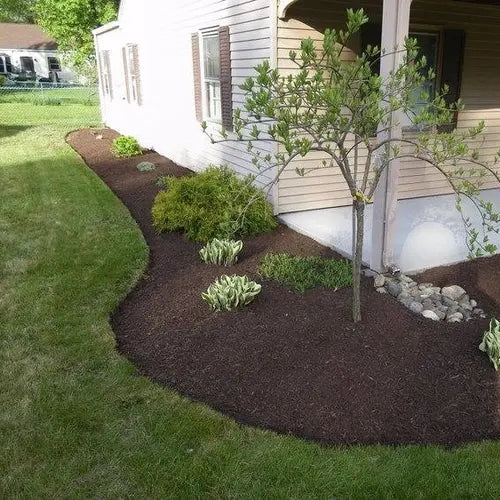
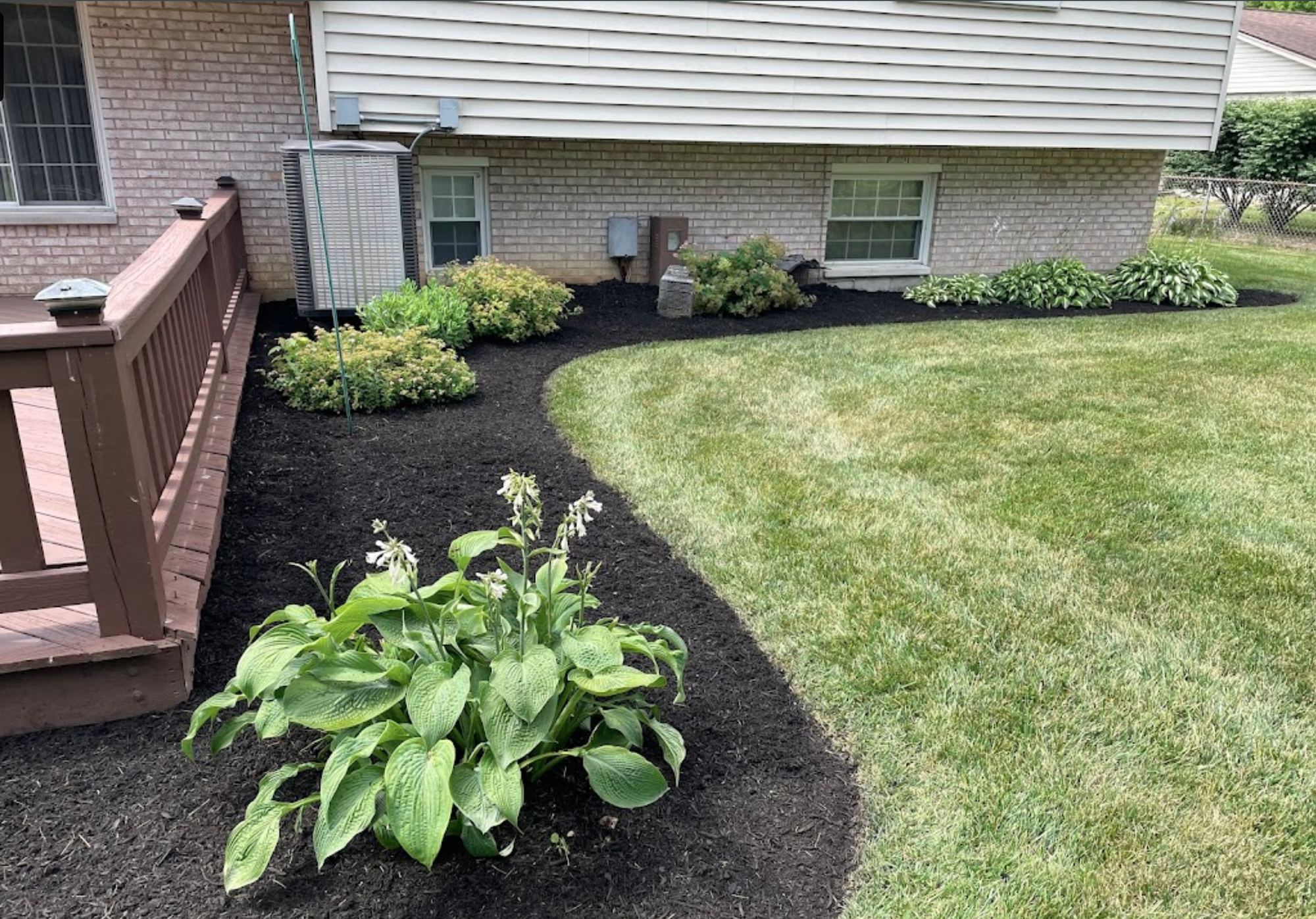
Mulch Mound made it so easy! So happy with the pricing, turn around time, delivery and product. I submitted my online order on a Thursday. The mulch was delivered to the designated location by a local landscape company at 8:30 a.m. the following Saturday morning. We had the job completed by that afternoon. We chose the natural brown mulch, and the plant beds are beautiful.
Good quality, great price, fast delivery. All online - no submitting forms and waiting for days for quotes. Getting mulch should be this easy fr...
Read full review
Good quality, great price, fast delivery. All online - no submitting forms and waiting for days for quotes. Getting mulch should be this easy from everyone. Only Mulch Mound is ACTUALLY this simple.
I highly recommend Mulch Mound. The quality of the mulch is very good. The ordering system on their website makes it very easy. The delivery driver...
Read full review
I highly recommend Mulch Mound. The quality of the mulch is very good. The ordering system on their website makes it very easy. The delivery driver did a great job placing the mulch on the driveway. To finish off, the pricing was very reasonable as well.
To estimate how much mulch you need for your Riverside yard, measure the length and width of each bed in feet and multiply them together to get square footage. Divide that total by 81 if you are applying at a 4-inch depth, or by 108 for a 3-inch depth, and you will have the number of cubic yards to order. It helps to sketch out your beds and measure a few irregular shapes separately before adding everything together.
Mulch vs. No Mulch: The Difference
Riverside's combination of intense summer heat, very low annual rainfall, and a long frost-free growing season creates conditions where the difference between mulched and unmulched beds is about as stark as anywhere in Southern California. Unmulched sandy loam soil in a Riverside yard can heat to temperatures that damage shallow feeder roots and evaporate irrigation water before it ever reaches the root zone. Choosing organic mulch here is less of an aesthetic decision and more of a practical necessity for keeping plants alive and water bills manageable.
Before
After
Best Mulch Choice for Riverside Lawns
Most yards in the Riverside area sit on type of soil. Riverside's sandy loam soil has a relatively low organic matter content and drains so freely that plant beds struggle to hold nutrients and moisture between waterings. Mulch helps compensate for both problems by slowing surface evaporation and gradually adding decomposed organic material back into the soil profile.
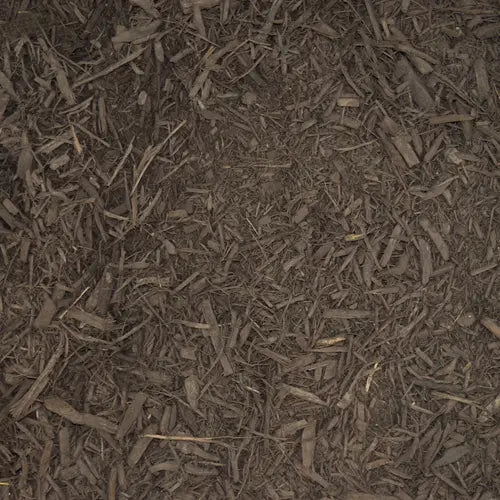
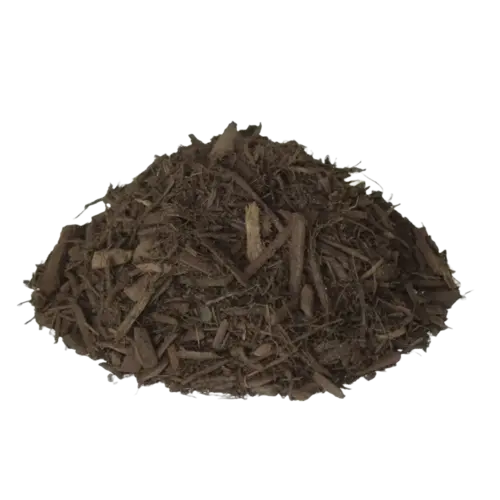
Hardwood Mulch
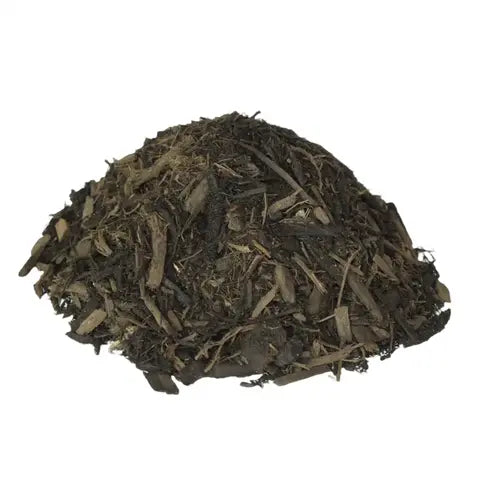
Hardwood mulch breaks down more slowly than fine wood chips or straw, which is an advantage in Riverside's heat because it stays in place longer before needing to be replenished. As it gradually decomposes into the sandy loam below, it adds humus that improves the soil's water-holding capacity over multiple seasons, slowly building toward a richer, more moisture-retentive soil structure.
Complete Your Outdoor Mulch Project
Pairing bulk mulch with a quality soil amendment or topdressing compost is a great way to rebuild organic matter in Riverside's sandy loam beds before you mulch over them. Check out our soil products to complete your landscape refresh in one delivery.
Riverside's sandy loam soil dries out unevenly, with surface layers crusting over while deeper layers still hold some moisture. Before you spread your fresh mulch, water your beds thoroughly the day before delivery so the mulch is sealing in moisture rather than just covering dry ground. This one extra step makes a noticeable difference in how quickly your plants respond after mulching, especially during warm spring installations.
Mulch Mound Pro Tip
If you are mulching around native California plants or drought-adapted species that are already established in your Riverside yard, pull the mulch a few inches back from the crown of each plant. These species are adapted to dry conditions and can actually be stressed by moisture being held right at the base of the stem. Give them a small dry collar of a few inches and let the mulch do its work a bit further out toward the drip line.
Mulch Mound Pro Tip
Timing your mulch delivery around Riverside's mild winters can pay off in a second way beyond moisture retention. As organic mulch slowly breaks down through the winter months, it releases a small but steady supply of nutrients right as your Zone 10a plants are entering their winter growing cycle. Applying a fresh layer each October means your beds are slowly feeding themselves through February, reducing how much fertilizer you need to apply come spring.
Frequently Asked Questions
Click a question to see the answer
Answer
How thick should I apply mulch in Riverside given how hot and dry our summers get?
In Riverside's climate, where summer heat is intense and rainfall averages only about 10 inches per year, we recommend applying mulch at a depth of 3 to 4 inches for most plant beds. That thickness creates enough of a barrier to meaningfully reduce soil temperature and slow evaporation. Going thinner than 2 inches in this heat will not give you much benefit, and going much deeper than 4 inches can occasionally restrict airflow to roots in areas with poor drainage.
Answer
Will wood mulch break down too fast in Riverside's heat, and do I need to reapply every year?
Riverside's heat does accelerate decomposition compared to cooler climates, especially during the long summer months when temperatures climb well above 90 degrees. Most wood mulches will break down noticeably within 12 to 18 months here. Plan to top off your beds each fall before the mild winter growing season kicks in. The good news is that as mulch breaks down it adds organic matter to your sandy loam soil, which is genuinely beneficial over time.
Answer
I have a lot of citrus trees in my backyard. Is there a mulch type I should avoid putting around them?
Citrus trees in Riverside do well with a ring of organic mulch kept a few inches away from the trunk to prevent collar rot. Avoid fine, densely packed mulch directly against the bark. Chunky wood mulch or shredded hardwood works well because it stays loose and allows airflow. Keep the mulch ring extending out to the drip line of the tree, which is where the feeder roots are actually absorbing nutrients and moisture.
Answer
Does mulch actually make a difference on my water bill here in Riverside?
Yes, and the difference is especially noticeable in Riverside given the combination of sandy loam soil and low annual rainfall. Sandy loam drains quickly, so without a mulch layer your irrigation water moves through the root zone faster than plants can absorb it. A 3 to 4 inch mulch layer can reduce watering frequency by 30 to 50 percent in exposed beds, which adds up considerably over an 8 to 9 month dry season.
Answer
My front yard is mostly decomposed granite and drought-tolerant plants. Do I still need mulch?
Decomposed granite serves as a hardscape ground cover but does not offer the same moisture retention or soil temperature benefits that organic mulch provides. If your drought-tolerant plants are established and you have good DG coverage, you may not need mulch in those zones. However, for any areas where you have woody shrubs or perennials still getting established, adding a ring of organic mulch around the root zone during Riverside's hot summers will help them root in faster and reduce transplant stress.
Answer
Can I use mulch to help cool down a raised vegetable bed that gets full afternoon sun in the summer?
Absolutely. Raised beds in Riverside's full afternoon sun can see soil temperatures well above 120 degrees at the surface, which stresses roots and accelerates water loss. Applying 2 to 3 inches of straw mulch or shredded wood mulch between your vegetable rows keeps soil temperatures noticeably lower and helps maintain consistent moisture so your plants are not cycling between wet and dry extremes. It also suppresses weeds that compete for the limited water you are putting in.
Answer
When is the best time of year to apply fresh mulch in Riverside?
The two best windows for applying mulch in Riverside are late February through March, just as temperatures start warming and the last frost risk passes around February 24, and again in October when summer heat begins to ease. A spring application gets your beds protected before the brutal June through September heat arrives. A fall application insulates roots through the mild winter and sets you up for the spring growing push. If you can only do one application, late February to March gives you the most benefit across the longest stretch of the year.
The Unique Landscape of Riverside
Riverside sits in a high desert valley where summer temperatures regularly push past 100 degrees and annual rainfall barely reaches 10 inches, making soil moisture retention a constant challenge for homeowners. The sandy loam soil that dominates most Riverside yards drains quickly, which means exposed plant beds can lose meaningful moisture within hours of a morning watering. A proper mulch layer acts as a thermal blanket, keeping root zones cooler during those brutal Inland Empire summers and reducing how often you need to run your irrigation system. Because the frost window here is relatively short, running from early December through late February, plants spend most of the year actively growing and consuming water. That long growing season in Zone 10a puts extra pressure on soil moisture, and mulch is the most cost-effective way to slow evaporation between watering cycles. Choosing the right depth and material for Riverside's specific conditions can meaningfully cut your water bill while keeping ornamentals and fruit trees healthier through the dry season.