




Great service. We ordered topsoil from Mulch Mound and the best experience. Thank you so much!
About this soil
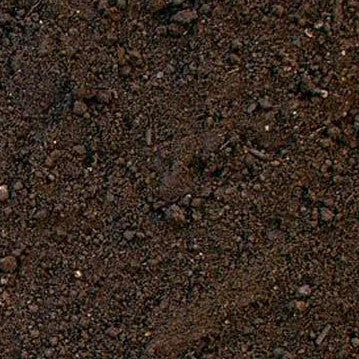
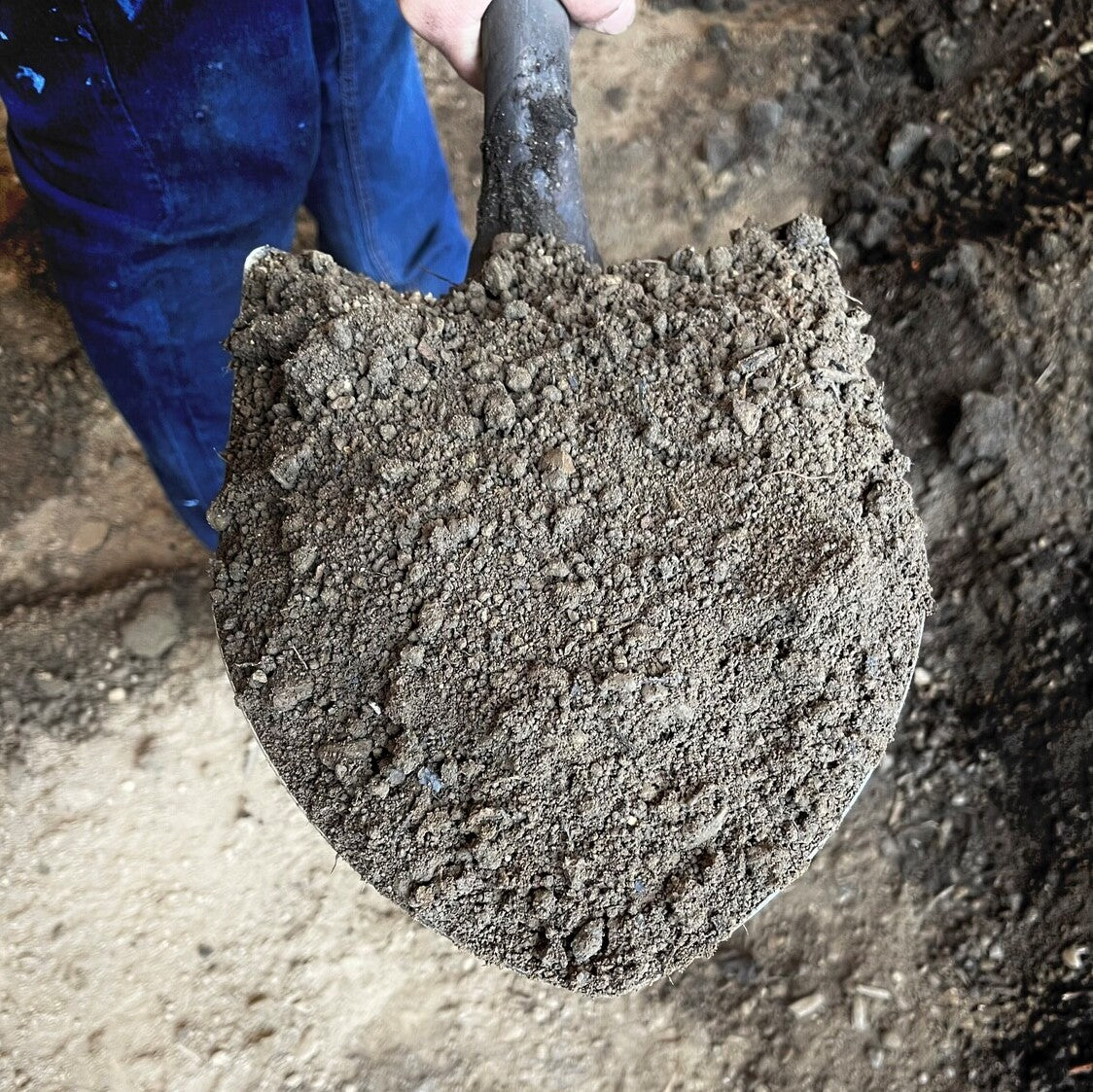
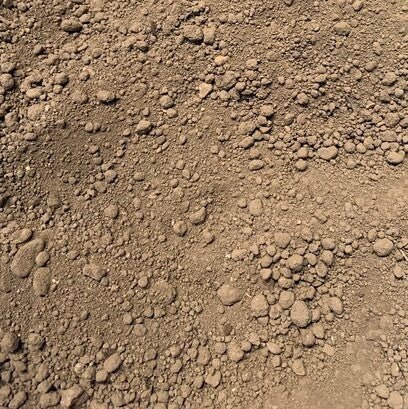
Screened topsoil with a fine, even texture. Ideal for new lawns, sod prep, and raised garden beds.
Great service. We ordered topsoil from Mulch Mound and the best experience. Thank you so much!
Tell us what you're looking for
Thanks! We received your request.
Something went wrong. Please try again.
How Much Material Do I Need?
How Much Material Do I Need?
For new planting beds in Riverside, plan on at least 8 to 10 inches of soil depth to give roots room to establish before they hit the native sandy loam below. Raised vegetable beds benefit from 12 inches or more of quality blended soil for the best production through Riverside's long growing season.
Use our free soil calculator
What is a Yard?
What is a Yard?
FAQs
FAQs
Riverside Soil Delivery
Riverside Soil Delivery
Regular price
$83.00
per
Yard
Regular price
Sale price
$83.00
Unit price
per
Shipping calculated at checkout.
Minimum of 3 Yard
Couldn't load pickup availability
Not currently available
We can't take orders for this right now. Tell us what you need and we'll get back to you.
Hand-picked local yards
4,000+ regional deliveries
Dedicated support
Why order through Mulch Mound
The best local , without the guesswork.
We hand-pick and partner with the best yards in your region, keep only the ones our buyers rate well, and back each load with our guarantee.
Mulch Mound Guarantee
If your isn't the quantity or quality you ordered, we'll make it right.
About this soil
Screened topsoil with a fine, even texture. Ideal for new lawns, sod prep, and raised garden beds.
Great service. We ordered topsoil from Mulch Mound and the best experience. Thank you so much!
How Much Material Do I Need?
How Much Material Do I Need?
For new planting beds in Riverside, plan on at least 8 to 10 inches of soil depth to give roots room to establish before they hit the native sandy loam below. Raised vegetable beds benefit from 12 inches or more of quality blended soil for the best production through Riverside's long growing season.
Use our free soil calculator
What is a Yard?
What is a Yard?
FAQs
FAQs
Tell us what you're looking for
Thanks! We received your request.
Something went wrong. Please try again.
How It Works
Getting started is easy — just follow these simple steps
1
Choose your soil
Make sure you adjust the quantity to your home's needs. You can use our calculator to estimate how much you'll need.
2
Select your delivery date
Select a delivery date you'd like for the product to be dropped off at your home
3
Sit back and wait
Sit back, wait, and let us work our magic to make sure the highest quality product is delivered to your driveway.

Placing an order online was so easy. Delivery was on time. When the driver realized we had a newly poured driveway they erred on the side of cautio...
Read full review
Placing an order online was so easy. Delivery was on time. When the driver realized we had a newly poured driveway they erred on the side of caution and opted not ti drive in it. The company even sent me a message explaining that call. Would recommend!

Online ordering was really simple and I liked the transparent pricing.
Need Help Calculating How Much Soil You Need?
Use our NEW Trace from Satellite tool to get an estimate for your project based on an aerial view of your property
Try Our CalculatorMeasure the length and width of each area you plan to fill in feet, then multiply to get the square footage. Multiply that number by your intended depth in feet, which means a 6-inch depth is 0.5 feet, and divide by 27 to convert cubic feet into cubic yards. Adding 10 to 15 percent on top of your final number accounts for settling and gives you a comfortable buffer.
Complete Your Outdoor Soil Project
After filling your beds with quality soil, topping them with a layer of bulk mulch will protect your investment by slowing evaporation and keeping soil temperatures stable through Riverside's hot summers. Consider pairing your soil order with decomposed granite or stone for pathway edging that keeps your new beds clean and defined.
Service area
Areas we deliver soil in Riverside, California
- Banning, California
- Beaumont, California
- Bloomington, California
- Brea, California
- Chino, California
- Claremont, California
- Colton, California
- Corona, California
- Covina, California
- East Hemet, California
- Eastvale, California
- El Sobrante, California
- French Valley, California
- Glendora, California
- Hemet, California
- Highland, California
- Jurupa Valley, California
- La Verne, California
- Laguna Hills, California
- Laguna Woods, California
- Lake Elsinore, California
- Lake Forest, California
- Loma Linda, California
- Mead Valley, California
- Menifee, California
- Mission Viejo, California
- Montclair, California
- Moreno Valley, California
- Murrieta, California
- Norco, California
- North Tustin, California
- Ontario, California
- Perris, California
- Placentia, California
- Rancho Cucamonga, California
- Rancho Santa Margarita, California
- Redlands, California
- Rialto, California
- Rowland Heights, California
- San Bernardino, California
- San Dimas, California
- San Jacinto, California
- South San Jose Hills, California
- Temescal Valley, California
- Upland, California
- Walnut, California
- Wildomar, California
- Woodcrest, California
- Yucaipa, California
Mulch Mound Pro Tip
Riverside's intense summer sun can actually bake freshly delivered soil into a crust if it sits exposed for more than a few days before you plant into it. If your schedule does not allow you to plant immediately after your soil delivery, cover the pile or the filled bed with a tarp to keep moisture in and prevent the surface from hardening. Loose, workable soil is far easier to plant into and will integrate better with root systems during those critical first weeks.
Mulch Mound Pro Tip
Because Riverside soils tend to be alkaline, blending a quality compost-rich topsoil into your planting areas does double duty. It improves water retention in your sandy loam base and gently lowers the soil pH over time as the organic matter decomposes and produces organic acids. This slow pH shift is much more sustainable than adding sulfur amendments every season, and it builds long-term soil health rather than just temporarily adjusting a number.
Mulch Mound Pro Tip
If you are building new raised beds for a winter vegetable garden, time your soil delivery for late September or early October. Riverside's last frost falls around February 24, which means you have a productive cool-season window from roughly October through February for crops like lettuce, broccoli, and kale. Getting your beds filled and settled a few weeks before you plant gives the soil time to stabilize and gives you the full benefit of that mild Riverside winter growing season.
The Unique Landscape of Riverside
Riverside's native sandy loam soil is a starting point that many homeowners work with but few would call ideal for ornamentals, vegetables, or even established drought-tolerant gardens without some amendment. Sandy loam drains quickly and tends to be low in organic matter, which means nutrients leach out with every irrigation cycle before roots can fully absorb them. The city sits at about 860 feet elevation in the Inland Empire, where summer heat is intense and the evaporation rate is extremely high, compounding the challenges that a thin, fast-draining soil creates. With only around 10 inches of annual rainfall, there is very little natural replenishment of organic matter the way you might see in wetter climates. Importing quality bulk soil or blended topsoil lets Riverside gardeners essentially reset the growing conditions in a raised bed, planting area, or lawn patch rather than fighting the native ground indefinitely. Whether you are building a new vegetable garden from scratch or trying to rescue a struggling ornamental bed, the right soil blend is the foundation everything else depends on.