I can’t say enough good things about Mulch Mound! If you read my review below you will see I had a problem with my order. Mulch Mound was quick to respond and solved the issue with my delivery. Will definitely be a customer next year.
First time purchase...
Tell us what you're looking for
Thanks! We received your request.
Something went wrong. Please try again.
How Much Material Do I Need?
Three inches is the target depth for most Salinas beds, which covers roughly 108 square feet per cubic yard. Drop to two inches around shallow rooted plantings and annual color beds.
Use our free mulch calculator
What is a yard?
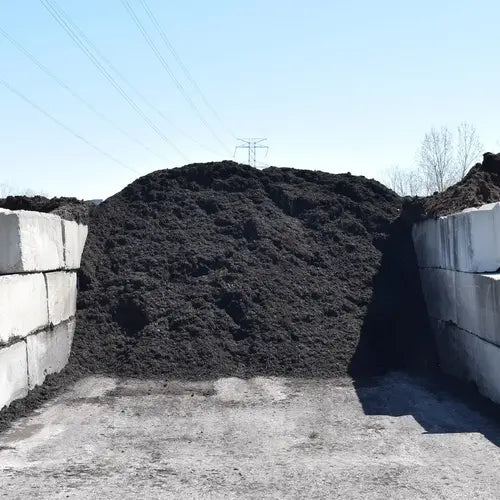
A yard is approximately 27 cubic feet. As a general guideline, one yard of material can cover an area of about 100-160 square feet at a 2-3 inch depth.
I can’t say enough good things about Mulch Mound! If you read my review below you will see I had a problem with my order. Mulch Mound was quick to respond and solved the issue with my delivery. Will definitely be a customer next year.
First time purchase...
How Much Material Do I Need?
Three inches is the target depth for most Salinas beds, which covers roughly 108 square feet per cubic yard. Drop to two inches around shallow rooted plantings and annual color beds.
Use our free mulch calculator
What is a yard?
A yard is approximately 27 cubic feet. As a general guideline, one yard of material can cover an area of about 100-160 square feet at a 2-3 inch depth.
I can’t say enough good things about Mulch Mound! If you read my review below you will see I had a problem with my order. Mulch Mou...
Read full review
UPDATE!
I can’t say enough good things about Mulch Mound! If you read my review below you will see I had a problem with my order. Mulch Mound was quick to respond and solved the issue with my delivery. Will definitely be a customer next year.
First time purchase from Mulch Mound!! First what I liked! Easy to order online and straight forward pricing and delivery. The driver was on time and courteous and delivered my Mulch exactly where I requested! The product is of good quality and comparable to others I have purchased from before. Now what I DID’NT LIKE! I have been mulching the same house and yard for almost 20 years. I always order the same amount and don’t have any issues with covering the same area but this year I fell about a yard short. I was home when the mulch was delivered and when the driver dumped it I noticed that it seemed a bit less than I was used to. I didn’t apply it any thicker than usual and probably a bit thinner than usual because I was worried about running out.
Mulch Mound made it so easy! So happy with the pricing, turn around time, delivery and product. I submitted my online order on a Thursday. The mu...
Read full review
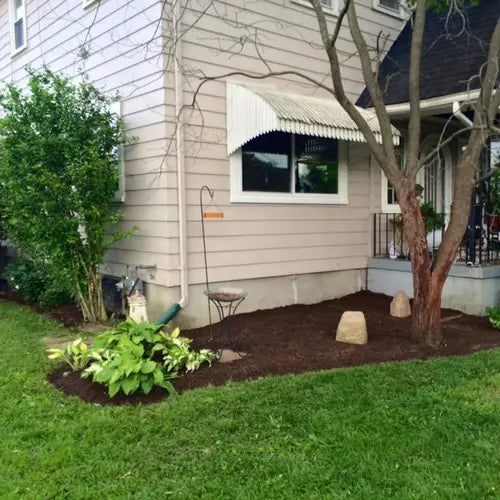
Mulch Mound made it so easy! So happy with the pricing, turn around time, delivery and product. I submitted my online order on a Thursday. The mulch was delivered to the designated location by a local landscape company at 8:30 a.m. the following Saturday morning. We had the job completed by that afternoon. We chose the natural brown mulch, and the plant beds are beautiful.
Break your yard into simple rectangles and circles and measure each one separately rather than eyeballing the whole thing, since Salinas lots often have long narrow side strips along a fence that hold more material than people expect. Multiply length by width for square feet, then use our calculator to convert to cubic yards at your chosen depth. Add about ten percent if your beds slope or if you are filling in over a thin existing layer.
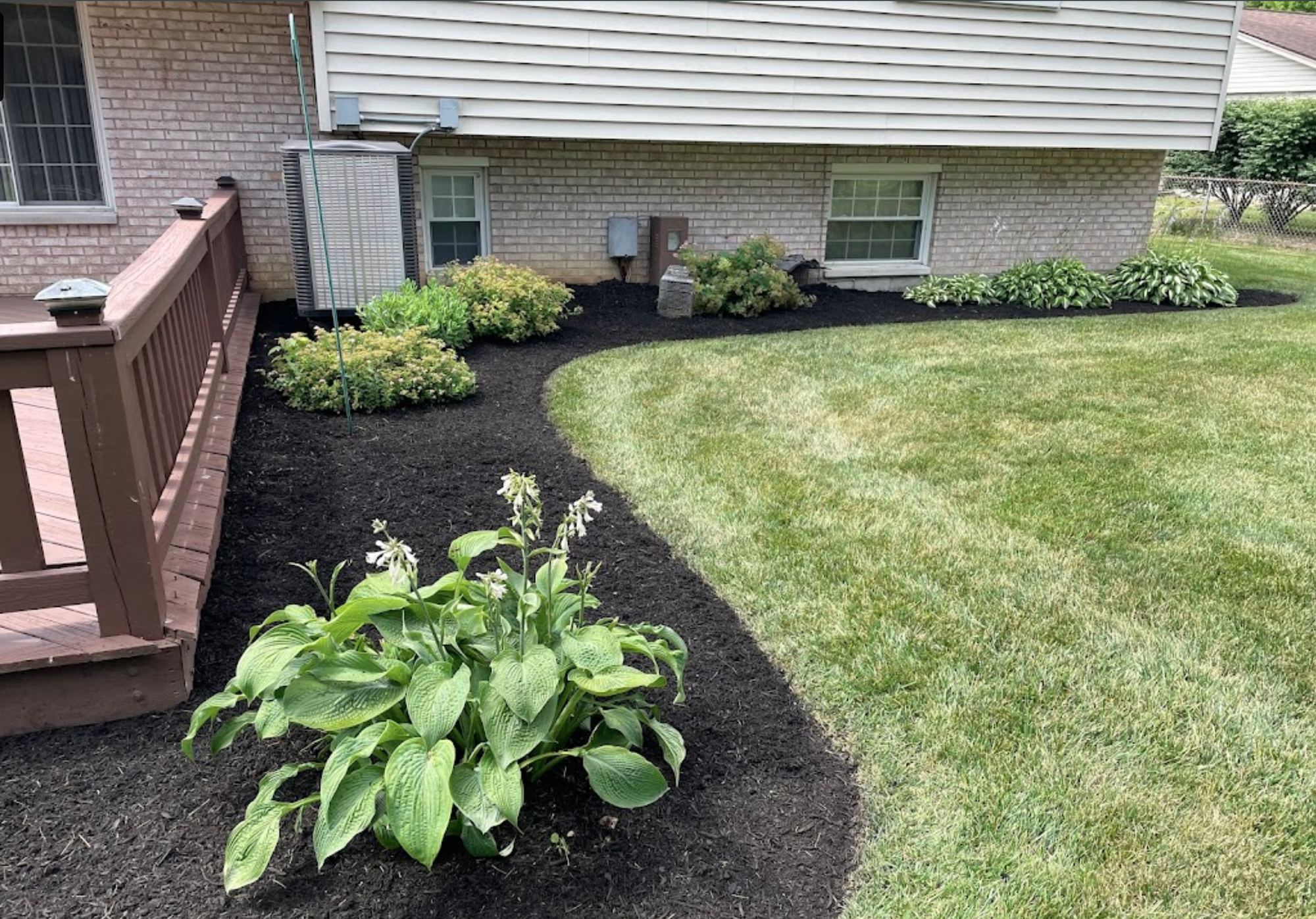
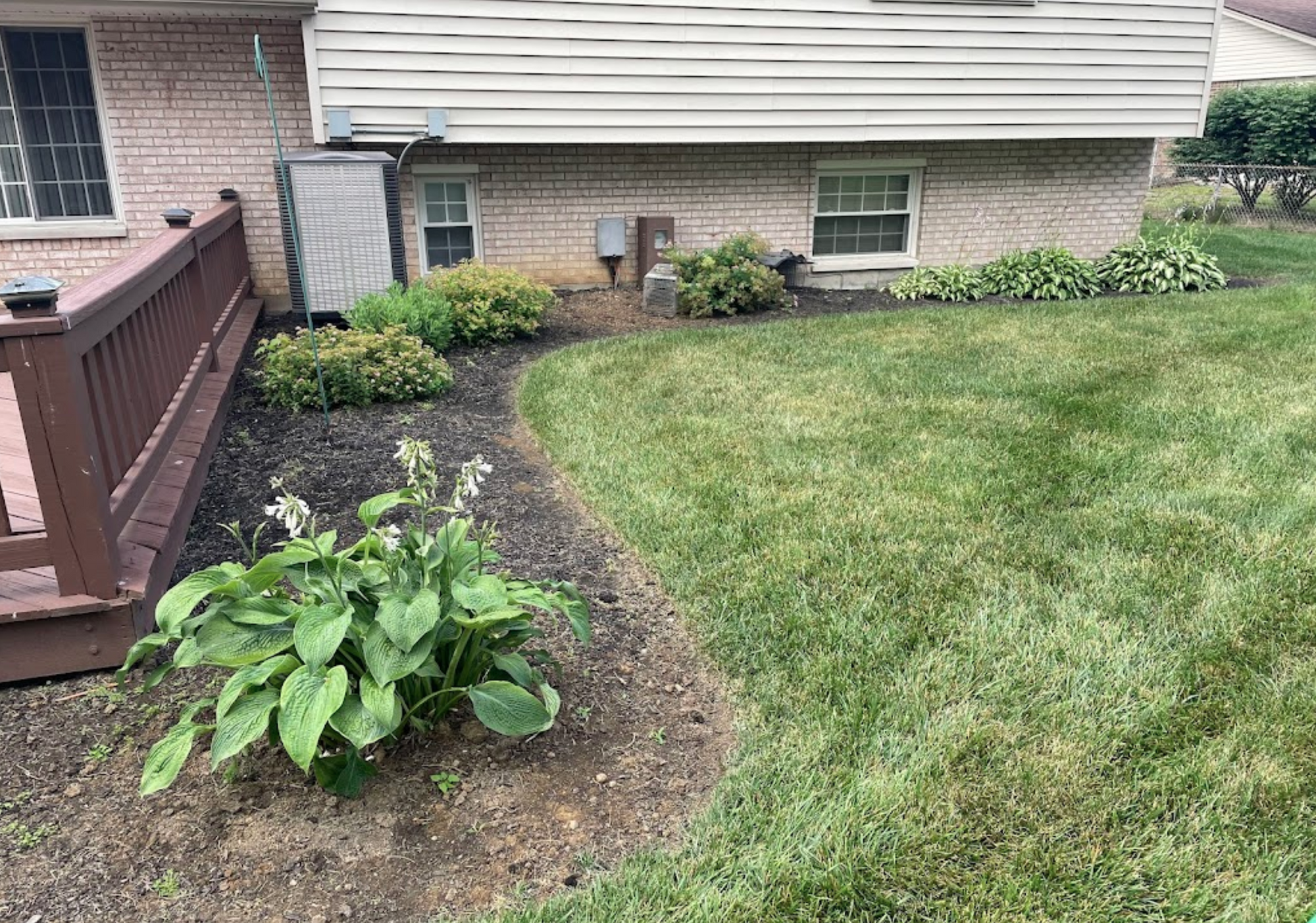
Mulch vs. No Mulch: The Difference
Salinas has an unusual combination for mulch, a frost free growing season in Zone 10a with almost daily marine fog moisture but only 19 inches of rain, all of it in winter. Organic mulches decompose year round here because soil microbes never shut down for a cold spell, and the constant fog dampness at the surface speeds that along. That means organic mulch feeds your soil steadily but needs an annual top off, while inorganic options like stone hold their depth indefinitely and make more sense on hot exposed frontage.
Before
After
Best Mulch Choice for Salinas Lawns
Most yards in the Salinas area sit on type of soil. The alluvial loam of the Salinas Valley is genuinely excellent soil, deep and fertile from centuries of river deposits, but its fine silt fraction crusts hard on the surface once it dries out in summer and seals up under winter rain impact. That crust sheds water sideways, so beds can look watered while the root zone underneath stays dry.
Hardwood Mulch
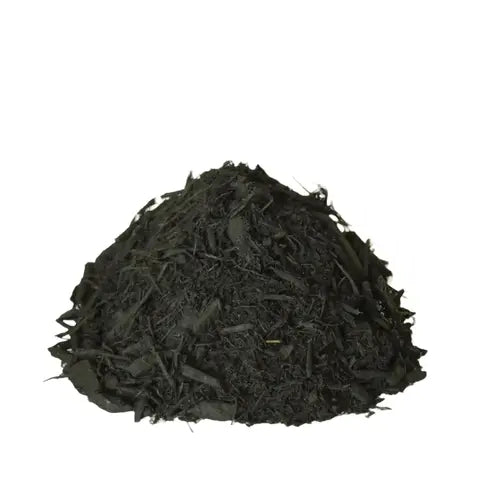
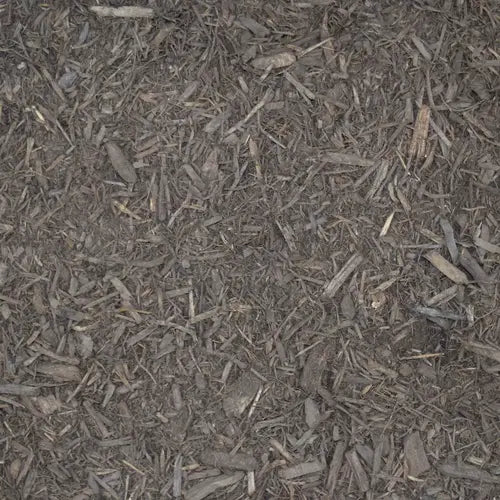
Shredded hardwood is the best match for this soil because its coarse fibers absorb rain impact and stop the surface from sealing, while its slow decay feeds a steady supply of organic matter into the top few inches. Over two or three years that organic input rebuilds the crumb structure of the loam, so water moves down instead of running off and roots spread easily.
Complete Your Outdoor Mulch Project
Pair your mulch with a few yards of compost or garden blend worked in first so the loam gets fed before it gets covered, and add decorative stone for pathways and dry creek accents that never need replenishing.
Water your beds deeply the day before mulch arrives. Salinas loam takes water beautifully but only when it is not already crusted, and mulching over bone dry soil in May means your first irrigation cycles are spent wetting the mulch instead of the roots. Soak to eight inches, let the surface firm up overnight, then spread. You will notice plants respond within a week instead of sulking through the transition.
Mulch Mound Pro Tip
Set your drip emitters and inline tubing on top of the soil and under the mulch, not on top of the mulch. Under the layer, water goes straight into the loam with almost no evaporation loss, which matters here where irrigation carries the landscape from May through October. It also keeps the tubing out of the UV and out of reach of the valley wind and lawn equipment.
Mulch Mound Pro Tip
Rake and fluff your existing mulch before adding new material. After a Salinas winter, the surface of an older layer often mats into a water shedding crust, especially with fine bark, so the January and February rain runs off toward the sidewalk instead of soaking in. A quick pass with a leaf rake breaks that skin, blends old and new, and gets you full depth with less material.
Frequently Asked Questions
Click a question to see the answer
Answer
How thick should mulch go if my yard gets Salinas fog almost every morning?
Stay at two and a half to three inches rather than four. Morning fog and marine drip keep the top layer damp for hours, and an overly deep bed of fine mulch can stay soggy enough to grow surface mold or invite fungus gnats. Three inches is enough to block light for weed control while still drying out by afternoon.
Answer
Will mulch stay put with the wind that comes down the valley in the afternoons?
Fine shredded and dust heavy products will blow around, especially in spring when the valley wind picks up after noon. Choose a coarser shredded hardwood or a medium bark chip with some fiber to it, water it in right after spreading so it knits together, and keep it three inches back from hardscape edges so what does drift has somewhere to sit.
Answer
When is the best time of year to mulch in Salinas?
Late February through early April is ideal. You are past the last frost around February 15, the soil is still holding winter rain, and you get the layer down before the cool season weeds set seed and before the dry season starts in May. A lighter refresh in October also helps the winter rains soak in instead of running off.
Answer
Does mulch actually save water here, given we only get about 19 inches a year?
Yes, and it is measurable. Nearly all of that 19 inches falls in winter, so summer irrigation is doing all the work. A three inch mulch layer commonly cuts bed evaporation enough to let you drop one irrigation cycle per week in July and August on the same drip system. On our loam soils that also means fewer deep cracks and less crusting.
Answer
I have heavy oxalis and bindweed coming up every winter. Will mulch stop it?
Mulch will strongly suppress seed germinated weeds like annual bluegrass and chickweed. Oxalis and bindweed spread from bulbs and roots, so they can push through. Dig or pull them out first, then lay three inches of mulch and cardboard underneath in the worst spots. In Zone 10a these weeds never fully go dormant, so plan on a spot check every few weeks through the rainy months.
Answer
How often will I need to reapply?
Plan on topping off once a year, usually in early spring. Salinas has warm mild conditions and near constant soil biology activity thanks to the frost free stretch and fog moisture, so organic mulch breaks down steadily rather than sitting inert. Most yards here lose about an inch to an inch and a half a year, so a top off of one to one and a half inches restores full depth.
Answer
Can I put mulch right up against my house and my citrus trees?
Keep mulch six inches off stucco and siding to avoid a moisture bridge and to discourage the argentine ants and earwigs that are common in Salinas yards. Around citrus, which does very well in this Zone 10a pocket, pull the mulch back at least eight to twelve inches from the trunk so the graft union and bark stay dry. A donut, not a volcano.
The Unique Landscape of Salinas
Salinas sits at just 52 feet of elevation at the mouth of the Salinas Valley, where marine fog rolls in most mornings and roughly 19 inches of rain falls almost entirely between November and March. That means beds go nearly six months with no natural moisture, and the afternoon wind that funnels down the valley pulls water out of bare alluvial loam faster than most homeowners expect. Mulch is the cheapest way to hold that fog drip and winter rain in the root zone through the long dry stretch from May into October. In Zone 10a, where soil rarely freezes and plants keep growing year round, a mulch layer also keeps root temperatures steady instead of swinging with the fog and sun cycle. Just as important, the same mild winters that let citrus and succulents thrive here also let oxalis, bindweed, and annual bluegrass germinate all season, and three inches of mulch shuts most of that down. On the deep loam soils that made this valley famous for row crops, mulch protects the crumbly surface structure from crusting over.